Twitter is working to decrease the amount of “hate speech” that happens in their social media site. They have made it possible for victims and bystanders to report hate speech that fits the following description:
“specific conduct that targets people on the basis of race, ethnicity, national origin, sexual orientation, gender, gender identity, religious affiliation, age, disability, or disease”
Twitter didn’t stop there, though. They added something I’ve wanted social media to make available a long time ago. They now allow the filtering out or “Muting” of notifications that contain key words, phrases, and even emojis, that you consider offensive. While you may still see these posts in your timeline, you won’t be alerted to the post even if you are tagged in it.
These major adjustments are seemingly more and more necessary due to the commonality of bullying on social media. Twitter has been in the news many times this year for different celebrities shutting down their Twitter accounts after being victims of racial or sexist bullying.
Another neat thing about the new update is that hate speech reports are handled by human moderators, not algorithms. This means that each case will be handled by trained humans and not some bot that automatically shuts down an account after too many reports.
What Parents Should Know
This update is significant because it’s anti-hate speech and anti-cyberbullying. The way young people treat each-other online can be quite volatile. It seems that the apparent anonymity of social media gives kids a sense of invulnerability and they post whatever they think. Let’s be honest though, this isn’t just kids. These changes are happening because the problem has gotten bad enough that even some of our most loved celebrities are experiencing the backlash.
Lets hope more and more social media sites begin to add these features. This will help us protect our kids and give them another way to protect themselves.
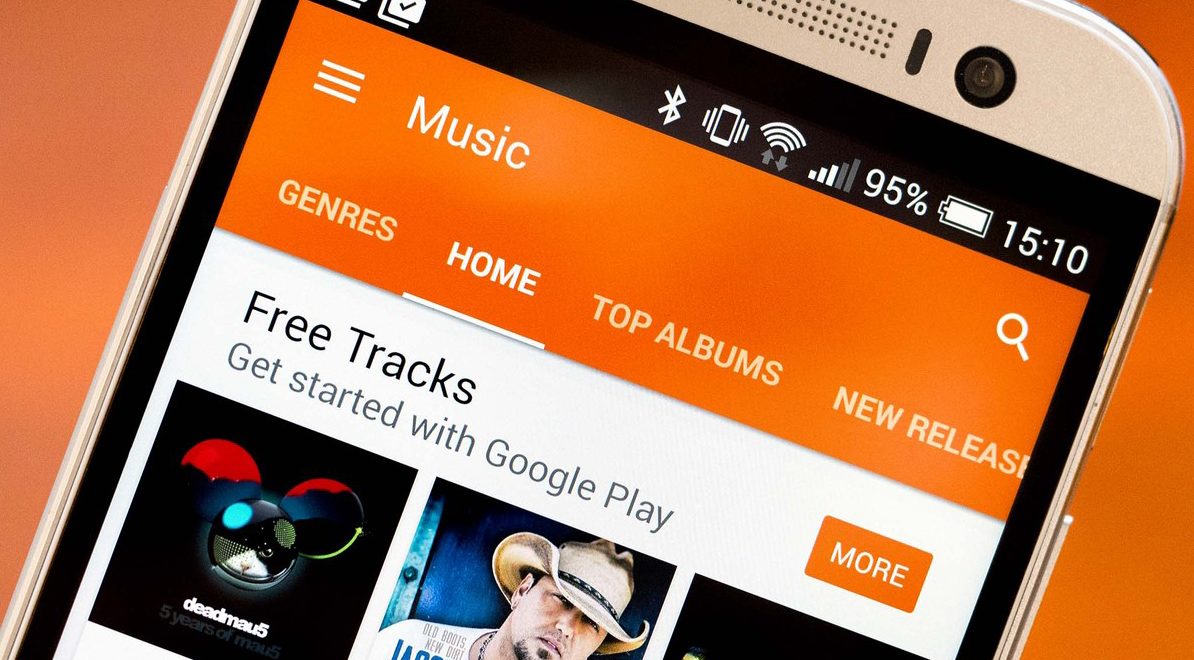
 I’m all for using a AI to help me have a more intuitive user experience. I even enjoy being recommended new albums to check out. I don’t think, though, that I need to be tracked 24/7 in order to provide me with new, relevant music options. I think we are tracked enough and there has to be a time when we say, that’s enough. Especially for our kids.

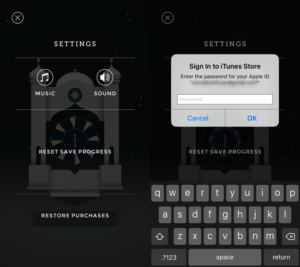 The software store on Kindle simply didn’t have a password protection setting for their in-app purchases. This is what got them in to trouble. Children could log in to make purchases on these apps and there was nothing built in to stop them. Shortly after complaints started coming in, Amazon updated software to include a password and had already refunded money but the FTC said that wasn’t enough.
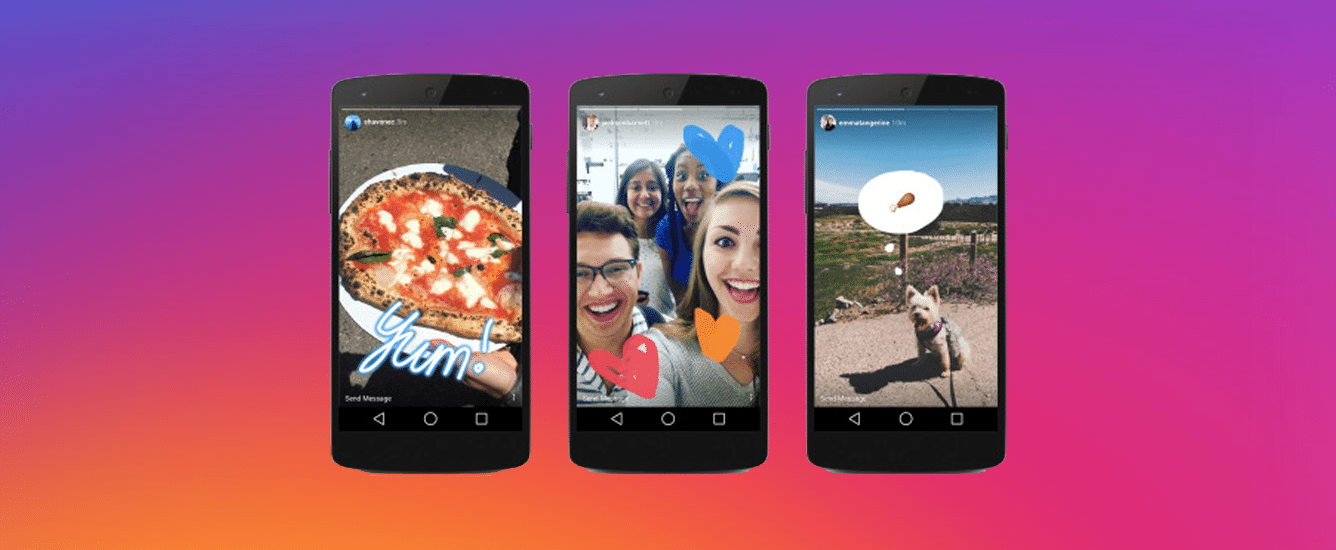
 Well, with an update to intagram this week, the focus on stories has been increased. The new update brings boomerang, (a service where you make mini video loops) mentions or tags, and links for “verified” accounts to the stories feature. So you can now make a mini video, tag your friends in your story post, and if your account is verified (only available to celebrities and brands) you can post links to your latest content.
 While I don’t recommend instagram for kids under 16, I know many parents have children who use the service. My advice is to talk to them about this update and let them know that they maybe shouldn’t click on links in instagram when they aren’t sure where they’ll lead. Remember to have your accountability software (Like