Tag: twitch

  • “Ninja” Moves Gaming Stream to MIXER and Twitch Shows Porn on His Channel

    “Ninja” Moves Gaming Stream to MIXER and Twitch Shows Porn on His Channel

    Ninja (Tyler Blevins) switched his streaming content over to Microsoft run “Mixer” on August 1st and has been migrating his viewers over to the service over the past couple of weeks. He took to Twitter to express his disgust over the fact that Twitch was running ads for other streamers on his channel’s landing page. The disgust didn’t stop there though, somehow a channel that was showing hardcore pornography was featured on Ninja’s page and this made him understandably upset. Again, Ninja posted about his frustration on Twitter and the CEO of Twitch was quick to apologize.

    There is a lot of discussion in the gaming and streaming world about who owns the channels that streamers use to broadcast and who should be able to decide what is aired on the channel when the streamer isn’t live. Obviously, this affects you, as a parent in several different ways. First of all, your kids are likely going to be watching Ninja over on Mixer now. Secondly, you need to know that pornography can show up on these live streaming services very easily. You also should be aware of the money and politics currently involved in the video game streaming industry. It’s a major business now, and your kids are the target consumer.

    What is Mixer?

    Mixer started out as “Beam,” a streaming platform that claimed to offer a better service and higher quality streaming ability that competitor Twitch. In 2016 Beam was purchased by Microsoft and in 2017 Beam was rebranded as Mixer. The service still works to compete against Twitch but claims to offer a better ad share program to gamers as well as a better viewing experience for fans. The service has already made a few deals with pro-gaming leagues and now has acquired Ninja as an exclusive streamer on their platform. Just like Twitch, Mixer offers multiple types of streams including video gaming, tabletop gaming, vloggers, IRL (in real life), podcasts and more.

    Ok, Fine. Here’s What I Think About Fortnite


    Since being purchased by Microsoft, Mixer is now available on Xbox, and on Chromecast and other streaming devices. It is becoming more and more popular and Ninja’s exclusive contract will guarantee even more growth. Twitch is suffering the same fate that many market leaders share. It can be difficult to balance making the kind of profit that a company that size needs to operate and keeping the same charm that your service had when it gained all of the popularity that you profit from. It seems that there is room in the video game live-streaming market for another service.

    What Parents Should Know

    Video game streaming and esports are some of the fastest growing forms of entertainment ever. Advertisers are jumping on board and monetizing every minute your kids spend watching other people play video games. When you think about it, the video itself is a form of product placement for the game they are playing. When advertisers get involved, things often get messy. Content creators get tired of their media being turned into a way for someone else to make money. This makes them go look for a better deal. This is what has happened with Ninja.

    You need to be aware that when people broadcast on live-streaming services there is usually a live chat going at the same time. Your kids can be in contact with strangers from all over the world. Also, it is very difficult to keep inappropriate content off of live streaming channels due to the fact that is being broadcasted in near real time. You should know what your kids enjoy watching on Mixer, Twitch, YouTube Live, and any other live-streaming platforms they watch. Know that many gamers use adult language and discuss adult topics on their streams. Most of the time those apps are rated 17+ because of the potential for adult content. Keep that in mind when deciding what you allow your child to watch online.

  • Here’s How YouTubers and Streamers Make Money

    Here’s How YouTubers and Streamers Make Money

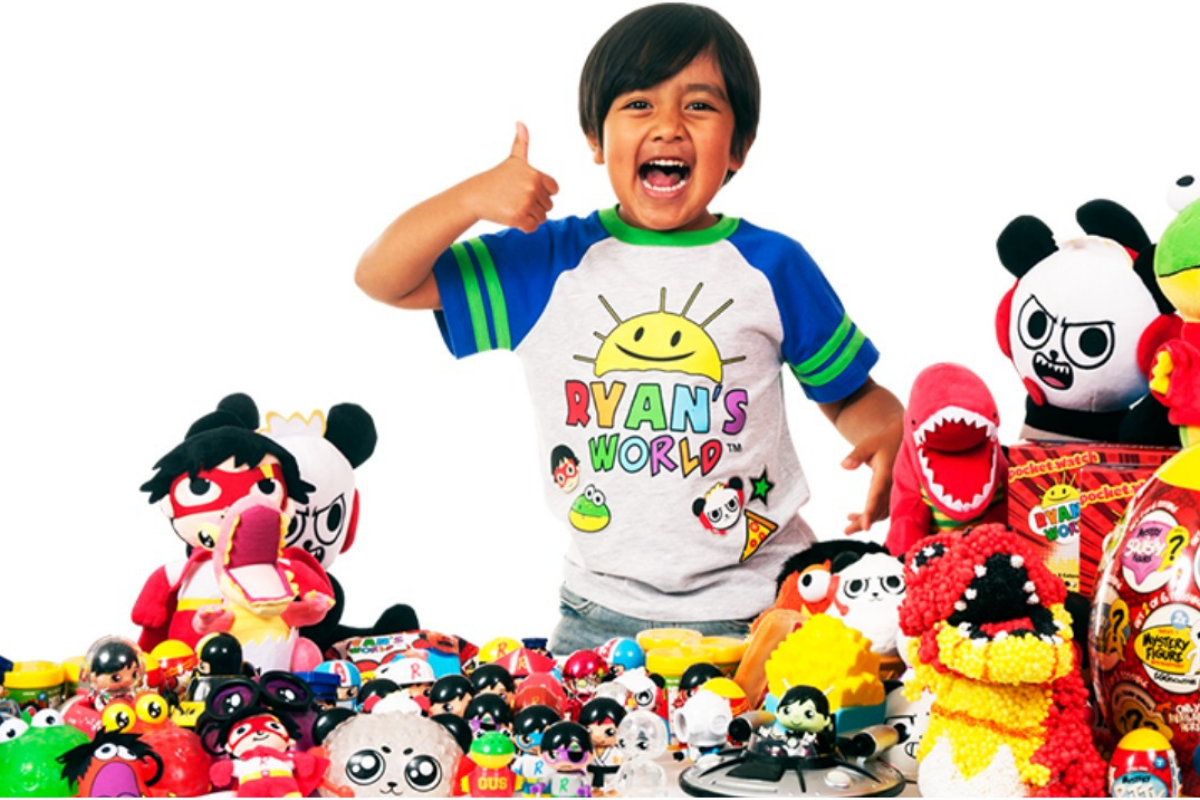
    The top earners from YouTube have been released in an article from Forbes and on the top of the playlist is a seven year old boy who opens and plays with toys on his channel. Ryan Toysreview features short videos that include product unpacking, play, challenges, and of course, seven year old Ryan. His videos each have view counts in the millions and that has amassed an estimated 21 million dollars to him during the past year. Ryan and his family aren’t the only content creators creating million dollar companies out of their videos. The top ten list includes vloggers, make up artists, and gamers, all who post weekly to daily videos and rack up millions of views on each one.

    When I speak to parents about the kind of money gamers and other content creators can make on YouTube and Twitch I see their eyes open wide with wonder. They have no clue how doing something like gaming or unpacking toys can result in millions of views, much less millions of dollars. There are several ways that online content creators make money, some are fairly conventional and some may surprise you. Here’s a quick breakdown for those of you who can’t imagine making internet videos as a career choice.

    Traditional Advertising

    Pretty much all YouTubers “monetize” their videos. This means that they allow YouTube to put ads into their content and then get paid a little bitty bit every time someone sees a video or clicks on an ad banner. The rules and settings for this form of advertising is always changing and can often be frustrating to deal with. For instance, if your videos contain any content that belongs to someone else, the YouTube algorithm can sometimes flag your content as “demonetized.” That means, while your fans will see your videos, you won’t be able to make any direct ad income from it. Or, in some rare circumstances, you will have to share ad income. Below is a video that I made with my family a couple of years ago, it is a parody of a song by One Direction. Since the music is copyrighted, my video was demonetized even though the lyrics were all changed to fit our family parody.

    Product Placement/Sponsorships

    These regulations can be a pain for some content creators and so they choose to use other methods of advertising. Product placement and sponsorships are becoming some of the leading examples. There are many ways YouTubers and streamers can make their content fit with sponsorship deals. Channels that feature trick shots and other sports topics will be sponsored by active wear companies or stores that sell sports equipment. Our channels and blog are affiliated with sites and software that help parents with accountability monitoring and filtering.

    Sometimes these sponsorships are soft or quiet which means they just have the equipment or products in their videos without much mention other than maybe in the video description. Mostly, though, you’ll see content that is made as a special sponsorship video or series and many times they’ll be labeled as “sponsored” by the creators. This is very common in unboxing or gaming videos where the creator is opening toys that were sent to them for free (maybe also with some form of financial payment) to highlight that toy or gamers are playing and doing commentary on a game that they got access to a week before release to build hype for the upcoming sales of the game. Our article and video featuring Botley was one that we were able to do because the company sent us the coding robot to play with and write about.

    Direct Viewer Support

    Finally, we come to direct viewer support. This method is indicative of the time we live in where people are drawn towards benevolence and away from fees and subscription pricing. People also prefer not to have products pushed on them in a non relevant way like commercials on TV or even in-line ads during a YouTube or Facebook video. This direct viewer support is a way for those who enjoy a creator’s content to literally give back to that creator and support them in their effort to make their videos full time. Gamers will stream live on Twitch.tv for six to eight hours several days a week and their viewers will reward them with small donations of a buck, five dollars, or more just to have their screen names read live on the stream. Creators will thank their supporters with mentions called “shout outs” during or at the end of their videos. There are content creators that make hundreds of thousands of dollars a year just on their viewer support alone.

    There aren’t many creators who only use one method of monetization for their videos. The combination of traditional online advertising, product placement and sponsorships, and direct viewer support has allowed many gamers, vloggers, make up artists, and more to leave behind a traditional full time job and make internet videos for a living. This is the world we live in now. Entertainment looks a lot different than it did ten or even five years ago. Imagine what it will look like ten years from now.

    What Parents Should Know

    This article is meant to be informative and to answer a question I am asked quite often. There is a world of internet content available to our kids. Some of it is interesting and informative or educational and some of it isn’t meant to be seen by your seven year old. There has been research to show how addictive the short and fast paced videos on YouTube can lead to attention problems and issues at school so limiting screen time is important for our younger kids. As your kids get older, you’ll see their desire to consume web content increase and you will want to give them the freedom to do so more and more. This is good as long as you’ve had boundaries in the past and taught them to be aware of the time they are spending on their phone or computer.

    When your son or daughter tells you they want to play video games or make internet videos for a living, don’t look at them like they are stupid. While not everyone will become a millionaire by making online content, there are many who have made it their full time job (myself included.) Just remind them that many of the things they’ll need to know to be successful they will still learn in school. Let them know that the work of an internet content creator is not easy and the expectations from viewers can be excruciatingly heavy. The most important thing they’ll have to be able to do if they are going to be online for a living is not give up. Tell them to practice that with the things they are into now. Don’t quit that sport, maintain your high grades, keep going to dance or piano classes. Whatever that thing is, learning the ability to see it through will be what can drive them to success in any venture in life. Even if it’s opening toys on videos on the internet.

  • 5 Kinds of Apps Parents Should Look Out For

    5 Kinds of Apps Parents Should Look Out For

    It’s that time again, time for BecauseFamily to release our list of apps you should look out for on your kids phones. Unfortunately things change so fast that is seems silly to just throw a list together and tell you to look for those particular icons. Instead, this is a list of app categories that you should be aware of. Some are very malicious and can be dangerous for your kids, some aren’t inherently dangerous but can have some risk associated with them. The list below is not exhaustive, though, I have included several examples of some of the most popular apps that come up when you search for these particular types of app in the app stores. Hopefully this will help you make quality decisions as to what apps your kids have and don’t have on their devices.

    Photo Vaults

    These apps allow users to store private images and videos behind a password of some kind. Oftentimes hidden behind a calculator, camera, or music icon, these apps are intended to fool people into ignoring them and are disguised well. Of course these apps can pose a problem for parents who are worried about their child(ren) sending or receiving inappropriate images or videos. Having a supposed safe place to hide them could make more kids prone to take the risk. Some examples of photo vault apps include:

    Social Gaming

    Many games come with built in friend messaging and ways to connect with players you didn’t already know. This is considered social gaming and it’s standard with most mobile games. Many games seem like they are intended for a younger audience but are actually played by people of all ages. Language, sexual innuendo, and much more can be expected in these “in-game” chat rooms. Also, predators have been known to use messaging in some of these games to identify, target, and groom their prey. Some examples of these social games are:

    Apps with Disappearing Messages

    Cyberbullying and sexting have become a major issue for many junior high and high school administers. Parents are also concerned that their kids are sending and receiving messages they shouldn’t be distributing. Disappearing messages can encourage more of this behavior since it enhances the sense of anonymity. It’s critical our kids understand that what you send over the internet should always be considered permanent and that just because something said it has disappeared doesn’t mean it’s gone. Some examples of apps that allow you to delete messages after sending are listed below:

    Dating Apps

    Online dating is nothing new, apps that connect singles for chatting, dates, and much more are all the rage as well. Sometimes they become trendy among teens also. The following apps are meant to connect older users for romantic purposes but have no foolproof way to be sure kids don’t use the app:

    Live/Life Streaming Apps

    It seems like every social media platform encourages its users to “go live” as often as possible. Live streaming broadcasts you to all of your followers and allows them to engage through comments and questions. Oftentimes you can even broadcast publicly and allow anyone who would like to watch you. Life-streaming is when kids, teens, and adults broadcast much of every day of their lives. The following apps allow kids to life stream to their audience:


    Try Not to Freak Out

    Please keep in mind that just because you see one of these apps on your kids’ phone or tablet doesn’t mean they are using the app for the wrong reasons. Much of this list is based on a risk that is associated with the app, not an automatic danger as soon as it is installed. We need to be vigilant when it comes to our kids’ online activity. Not because of fear or mistrust but from a place of wisdom. Remember to keep communication open with your kids. You should be a safe place to come if something negative does happen to them online. I never recommend spying on your children without their knowledge and I always recommend over communicating with them about the steps you are taking to keep them safe and what you expect from them while they use their connected devices. Be sure to download the PDF of our internet safety resource list!