Tag: facebook

  • Facebook Stories is Going Public

    Facebook Stories is Going Public

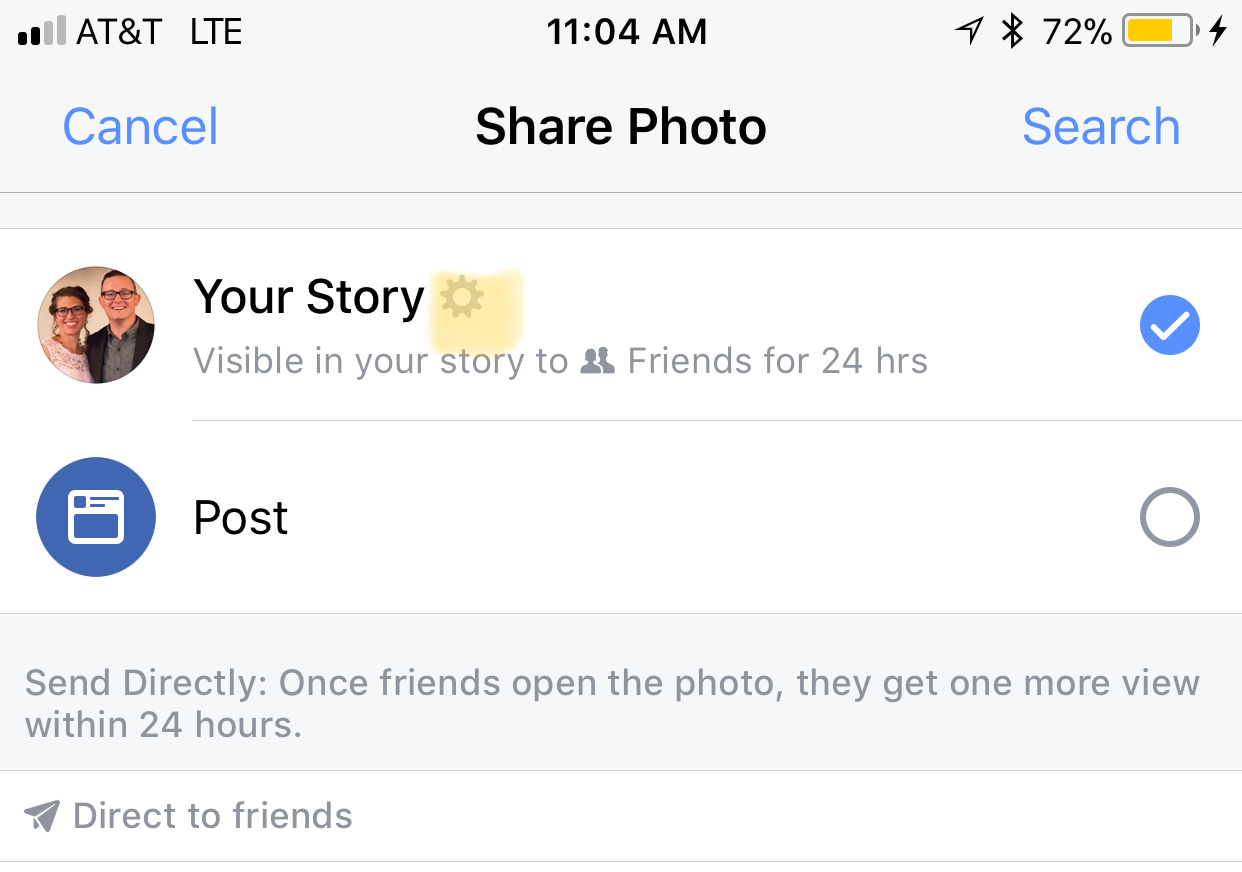
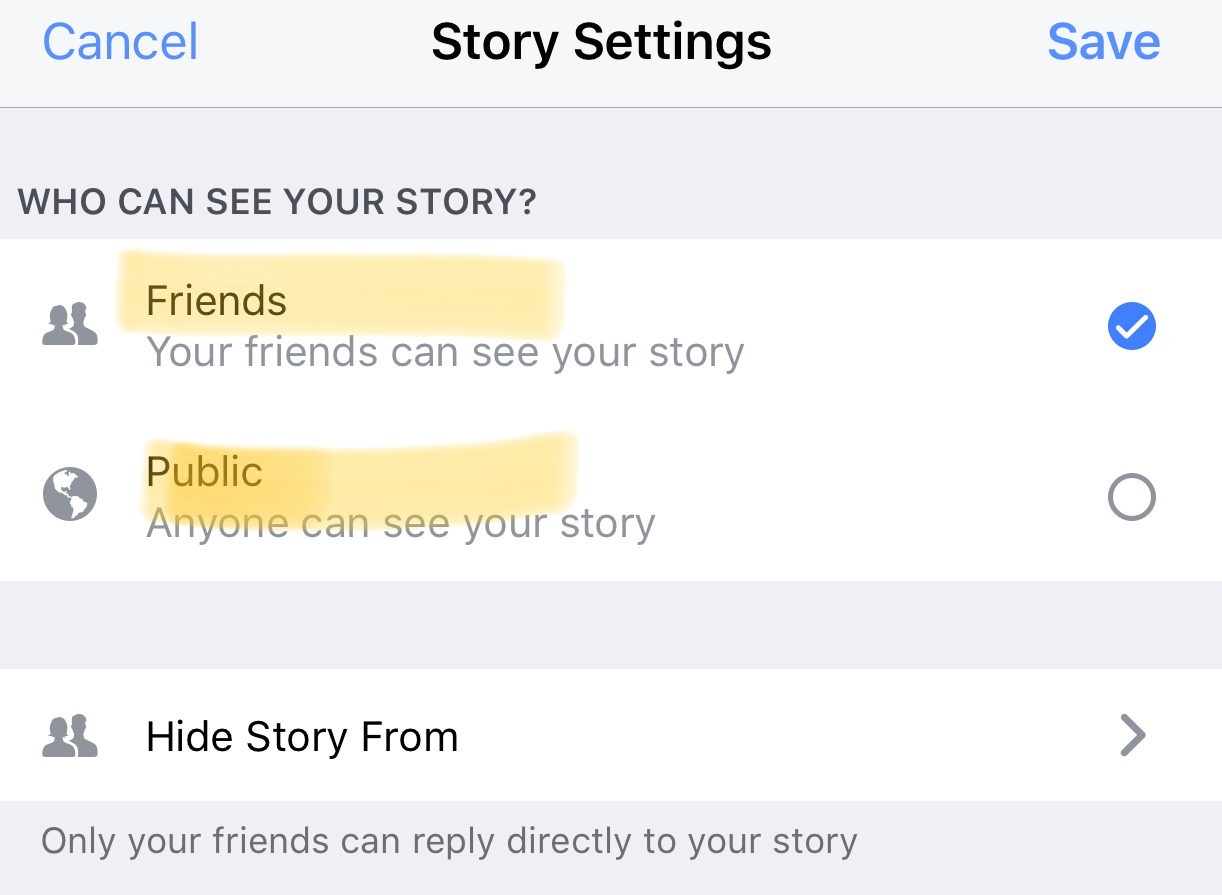
    Instagram, WhatsApp, and Snapchat have proven that 24-hour disappearing story feeds are the latest social media trend. Facebook is trying to increase user-ship of their stories feature by allowing people to post publicly. After a recent Facebook update, you can now change the privacy settings on your story posts to make them visible to anyone on Facebook. 

    Facebook Stories is really the only version of the daily posts feature that has been lagging behind in user-ship. Celebrities and brands will now be able to use Facebook stories to promote publicly just as easily as they can on Instagram and Snapchat. This may be an attempt for Facebook to increase the number of people using their stories feature but it’s likely, also, a way to entice more advertisers into using the feature.

    What Parents Should Know

    Any option to share something publicly should be known to parents. If your kids use Facebook and enjoy posting their daily activities on their Story feed you should know how to check and see if they’re posting publicly. Below is a slideshow of how to check the privacy settings on Facebook Stories.

    Be sure to check out what your kids have been sharing publicly and talk to them about the permanence of anything shared online. It’s also a good idea to talk to them about what to do if they receive contact from people they don’t know on any social media platform. As parents, we are the ones responsible for our kids’ safety and privacy online. Learn the ways these social media services have provided for you to keep them safe and private.

  • Snapchat Update Adds New Effects and Sharable Links

    Snapchat Update Adds New Effects and Sharable Links

    Snapchat’s latest update will give the camera background effects and allow you to change your voice without using one of their filters. The other major feature is the ability to share links and open them within Snapchat’s very own browser. While you can’t type a url into the address bar at the top of the browser you can click around online and end up at any website you’d like. That’s right, that means your kids can now browse the internet within Snapchat. This has always been possible in other social media apps like Twitter, Instagram, and Facebook but now Snapchat will allow users to tap right on a picture and open a link without leaving the app.

    What Parents Should Know

    If the Discover Page, disappearing photos, private video chat, and SnapMap isn’t enough to put this on your uninstall list, perhaps the ability to access the entire internet without leaving the app will help you pull the trigger. Yes, this feature is available in other social media apps but when you factor in all of the other features that can be a detriment to your internet safety plan it puts Snapchat at the top of my uninstall list.

  • FB Now Boasts 2 Billion Users, What Does That Mean for Your Family?

    FB Now Boasts 2 Billion Users, What Does That Mean for Your Family?

    Facebook CEO Mark Zuckerberg announced today that the social media platform has surpassed 200 billion users every month. The growth has been said to come from a focus on developing countries and regaining lost users. Zuckerberg’s response to this growth was one of excitement and responsibility, he said:

    “We’re making progress connecting the world, and now let’s bring the world closer together.” -Mark Zuckerberg

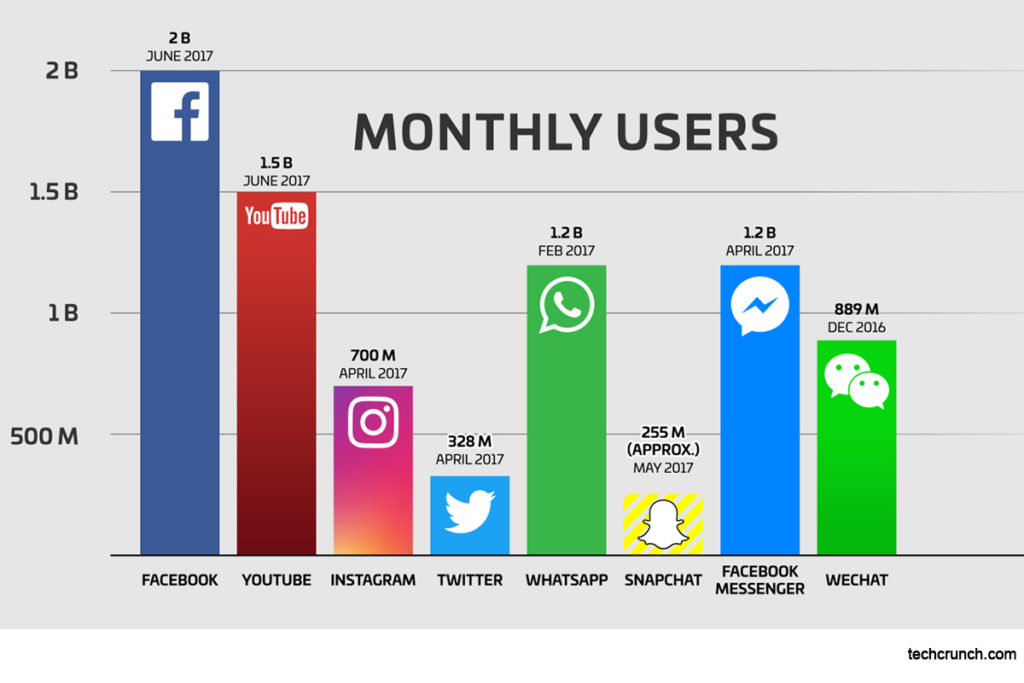
    Facebook started in 2004 and reached 1 billion users in 2012. The social media is the most used platform with YouTube a distant second with 1.5 billion users every month. What’sApp and FB Messenger both have 1.2 billion but they are also owned by Facebook. The obvious staying power of Facebook is evident in these numbers and their strategy of gaining new users in developing countries and regaining users who had left Facebook is paying off. What do these numbers tell us about the state of Social Media and the Internet? (If they really are two different things.)

    1. Your kids are probably on Facebook.

    The joke has forever been that once parents started using Facebook the kids jumped off. In reality, your kids are most likely using Facebook again. The reason they’ve returned is simple. There is more there to offer. The option to adjust what they see on their timeline and what ads they see are appealing and the AR camera and story feature in Messenger and the Facebook app has come a long way to entice former users to give Facebook another try.
    2. The entire world is available to your kids on Facebook.

    Two billion users is almost a third of the entire world. That means the influence available to your kids is more global than ever. When you add in the other social media services your kids use the globe just gets even smaller. Every idea anyone has or has ever had is available to your children through social media. Every thought anyone has or has ever had on any topic is available to digest and use to develop their own beliefs and thoughts. The influence of the world available on social media has changed the way our kids grow up and what they believe tremendously and the more these services like Facebook grow the more confusing some of these voices can be. There is, of course, a great opportunity to help your kids understand the larger world they live in but you have to help them navigate that world in a healthy way.

    3. Your example of internet citizenship is more important than ever.

    The globalization of our kids’ influences through social media should be a wake up call for parents. We need to understand the responsibility we have to keep our kids protected from the many dangers that are available to them online and to teach them how to be a good citizen of the internet. What do we do when we see something that could be fake or click-bate? Do we fall for the trap? What photos do you share? Are you smart with how you broadcast your location? These are all important safety concepts that our kids have to understand. The best way they’ll learn this wisdom is by watching us implement it ourselves.

    Facebook is proud that they’re the pinnacle of social media greatness. Mark Zuckerberg is emphasizing the responsibility they have to use this influence to bring people together and not tear them apart. Recent news and election cycles have been an example of how social media can cause people to ignore facts and strengthen their own beliefs with information from sources that haven’t been proven or vetted at all. Facebook is doing what they can to curb this trend. The reality, however, is that it’s up to us as the citizens of these social media services to make the right choices and to teach our kids how to do the same thing. The responsibility lies with us, not with Mark Zuckerberg or Facebook. These tech giants are going to make choices based on what is right for their companies and we, as parents and leaders, have to step up and make the choices that are right for our families.


  • New Filters, Reactions, and Screenshot Controls in FB Messenger

    New Filters, Reactions, and Screenshot Controls in FB Messenger

    Facebook is updating their camera in Messenger so you can have some new AR filters while video chatting. The first is Filters which will add color schemes and other effects to your video feed. Reactions will allow you to use the like/love/emoji reactions you can use on FB posts to enhance your live video chat experience. Finally the screenshot button will let you take a still image of your chat with a simple tap of the screen instead of having to fumble around with the hardware buttons on your phone.

    Obviously Facebook is doing its best to separate itself from the rest of the video chatting market. These new features make Facebook live video chatting more interesting than Skype or FaceTime and definitely go a long way to compete against Snapchat’s offerings. What will this all mean for our families? Well, the main thing to remember is that your kids should only be chatting with people they know.

    What Parents Should Know

    It’s important that your kids understand the dangers of video chatting with anyone they don’t know. Messenger uses your friends list to populate your contacts so, in theory, your kids should only be chatting with friends. These augmented reality filters and reactions will add to the reasons to want to upgrade a text messaging session to video chat so if you’re against video chatting by principle then you’ll want to keep them off of FB Messenger. I recommend keeping an eye on who your kids have been messaging no matter what platform they use or if it’s by text, images, or videos. You can do this a number of ways but none is better than having their passwords and checking in on their account regularly. As always I recommend you have a conversation with your children about what they are and aren’t allowed to do on messenger and why. Let them know you’re keeping an eye on things and don’t sneak around. You want your kids on your team.

    Want to get exclusive content and support our work to keep you more informed about your kid’s digital culture? You can partner with us at Patreon.com/BecauseFamily.

  • Musical.ly’s New Original Shows Could Undermine Your Internet Safety Goals

    Musical.ly’s New Original Shows Could Undermine Your Internet Safety Goals

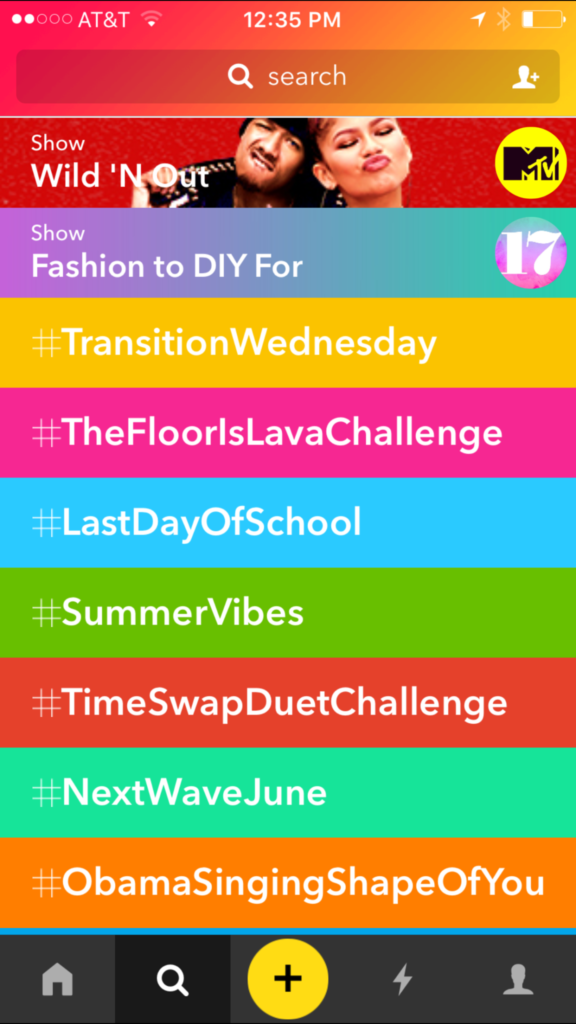
    Musical.ly has joined the ranks of the social media apps that are bringing original show content to user’s feeds. The lip sync music video producing platform launched a couple of shows today. One of the shows is from MTV/Viacom and one is from Seventeen Magazine, with two more from the same companies coming out on Saturday.  New shows are also coming from NBC, E!, and Telemundo. Musical.ly isn’t charging networks for this content or even selling ads for it, they’re really just using it as a test for future network deals. Whether or not this programming will provide value to the social media platform is yet to be seen. What is very apparent, however, is that there will be more content for your kid to watch than just the lip sync videos they’ve enjoyed thus far.

    What Parents Should Know

    Musical.ly is on my uninstall list because there is no age verification. Users can log in and watch other people’s videos without telling Musical.ly how old they are. This means you don’t know who’s watching you or sending you private messages. Most of the trending video sections are filled with tween and teen girls and boys acting out the different challenges or songs. The lack of age verification has brought some criticism to Musical.ly and many didn’t like their CEO’s response to such criticism. It seems they’re happy to allow people of any age to use the service without proving their age.

    My advice is pretty obvious. I recommend you uninstall Musical.ly. Mostly because I wouldn’t allow my kids to use an app where they can be contacted by anyone and everyone regardless of age and gender. The addition of these new shows just strengthens my belief that Musical.ly can undermine your internet safety goals. Content on these shows can reach outside the boundaries of what is allowed on TV. Unless you’re watching every episode of the original shows Musical.ly puts on their trending feed, you have no real way of knowing what your kids are consuming. Musical.ly will stay on my uninstall list and if I had the list in any particular order it would probably move up the rankings as well.

  • This Social Media Parody App May Cause You to Re-Think Everything

    This Social Media Parody App May Cause You to Re-Think Everything

    There are more articles on this site about social media than any other topic. I truly believe that social media is not a part of the internet, it is the reality of what the world wide web is now all about. Every site you visit has a social aspect, even if it’s just a way to connect to your favorite social media platform. Our businesses are run through social media and advertising is more prevalent and successful on our newsfeeds than nearly anywhere else. Social media isn’t a fad or a trend. It’s the world we live in and for some, it’s an addiction.  A new app, Binky, is providing a bit of a caricature of the social media lifestyle and it may just be something you should check out.

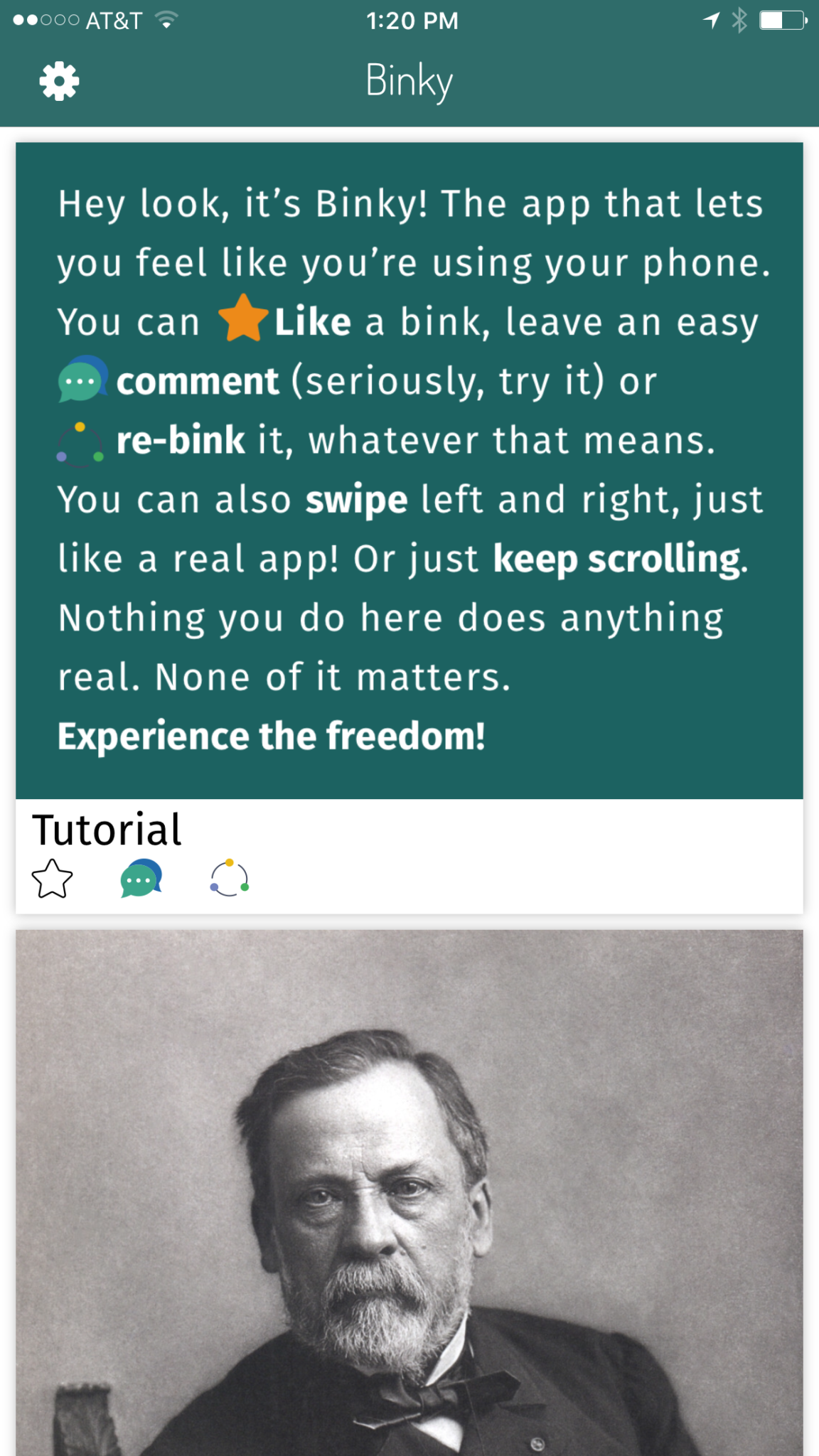
    Binky is a social media simulator (more like a parody) app that started as a joke. It simulates the features of most status and photo sharing social media platforms by giving you a seemingly endless stream of fake posts to scroll through. As you scroll you’ll see absolutely random and unrelated images with captions that may or may not make sense. You have the option to “Bink,” (read: Like) comment or “Re-Bink” (read: Share) the images that you’re scrolling through. When you click the Bink button you get an explosion of stars from under your tapping finger and a delightful bloop bloop sound. Commenting is my favorite feature of this app because it doesn’t actually let you say anything. Every letter you type after tapping the comment icon automatically puts in a word to form a randomly generated comment of text and emoji complete with meaningless hashtags. Finally, when you share the app you’ll receive a notice that asks if you are sure you want to “Re-Bink” this post. You’re reminded that the Re-Bink doesn’t actually do anything but it actually does. You get an explosion of thumbs up icons. That’s it though, there is not really anyone to  share with in Binky.

    What is the point?

    There really isn’t a point, except for satire and parody. You may be able to say that using this app is a bit eye opening, however. I think it was for me. As I mindlessly scrolled through Binky and clicked on the meaningless buttons and commented the automatically generated sentences on each post I couldn’t help but think about how not far from actual social media this was. What difference does what I do on Instagram or Facebook actually have? Is it any more that my activity on Binky today? I don’t know for sure but I think thinking this way is a good thing. We tend to be so concerned about how we look online that many of us, especially your teen and young adult children, may actually put on a false persona on our social media pages. Binky was a way for me to see the ridiculousness of working so hard to get more likes, comments, and shares.

    What Parents Should Know

    As I said before this app isn’t a real social media app. There is no social aspect to it at all. It’s more like a simulation of social media. Something to give us another perspective on what our behavior online truly looks like. I recommend spending some time messing with this app and encouraging your young teens and teens to install it and play around on it. It’s not only humorous but could lead to some conversations on the futility of living your life and finding your worth on social media. Maybe, just maybe, you can use an app like Binky to start a conversation that could help you make some good decisions with your kids on what healthy social media use looks like in your family.

  • PODCAST: How Does a Tech Safety Expert Protect His Kids Online?

    PODCAST: How Does a Tech Safety Expert Protect His Kids Online?

    How does a tech safety expert keep his own kids safe online? Is Instagram accessible without the app? What was in the big Snapchat update? What’s with fidget spinners in the app store?

    book info at: http://becausefamily.org/book

    subscribe on http://iTunes.com 

    FAMILY TECH WEEKLY 7

    Social Media Links

    Facebook: http://facebook.com/4pointfamilies
    Instagram: http://instagram.com/becausefamily
    Twitter: http://twitter.com/becausefamily

    Newsletter Signup

    Ministry Updates:: http://eepurl.com/R7Btr
    Weekly Blog Posts:: http://eepurl.com/cvnhXD

    Websites

    Ministry Site:: http://becausefamily.org
    Tech Blog:: https://safe.becausefamily.org
    Michael’s Speaking Info:: http://kmichaelprince.org

    Donate and Affiliate Links

    http://BecauseFamily.org/partnership

    Music by Kevin MacLeod at http://Incompetech.com

  • Location and Hashtag Search Makes Instagram Stories Unending

    Location and Hashtag Search Makes Instagram Stories Unending

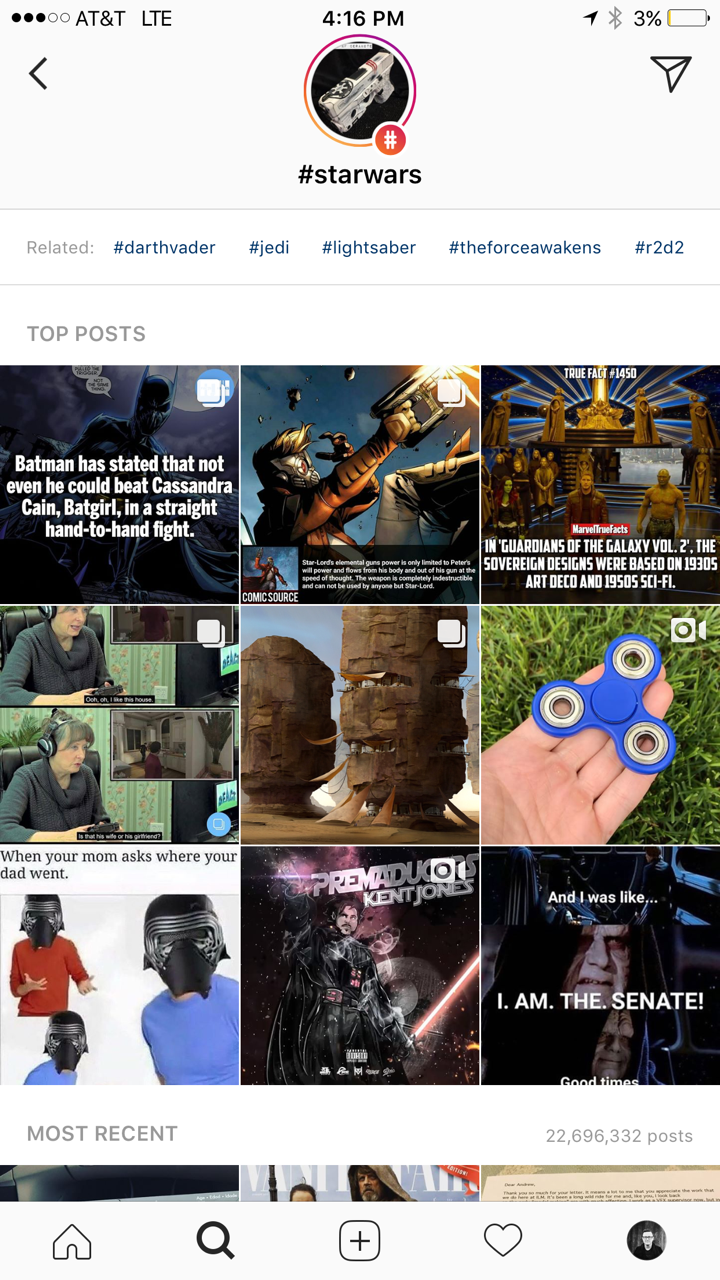
    Instagram has added the ability to search Stories by hashtag and location. This means that your explore tab will now give you access to basically unlimited Instagram story content. Instagram is going to feature location tagged stories by people you follow and also from people you don’t. If you search for your town, or any town for that matter, you’ll see a small map, the posts featured from that town, and if it’s been tagged in a story you’ll see that above the map as well. This will give more access to more stories and may lead to following more people on Instagram. Hashtag results will work in much the same way. You’ll be able to search stories by topic with the hashtag. It will also highlight the posts you and your friend’s made by featuring them first in the results.

    What Parents Should Know

    There’s always a bit of a red flag for me when there’s more potential to be connected with strangers on Social Media. Location and Hashtag filters allow you to find people you’ve never met and see what they’ve posted. Granted, the explore feature already makes that pretty easy. Instagram’s algorithm will gather these people and posts and present them to you from a simple search. These explore and search results aren’t going to be monitored by any accountability software since they’re not technically in a browser. You should take steps to monitor what your kids do in Instagram yourself. You should also lead the conversation with them about Instagram as these new updates come out.

  • You Can Now See What Advertising Data Twitter Has on You

    You Can Now See What Advertising Data Twitter Has on You

    A new update today from Twitter allows users to look at the information that’s been gathered about them by Twitter and by “partner” advertisers. Not only can you view this information but you can edit it as well. If you don’t like a category you’ve been placed in, you can simply uncheck that option and opt out of the advertising for that topic. I took it for a spin and was surprised at a few of the assumptions that were made.

    First of all, I was on the list for pretty much every type of food. Packaged food, fresh food, deli meats, non-dairy milk, and the list goes on and on. Apparently I’m an eater. I was also labeled the mother of 3+ children. It’s half right. I’m the FATHER of four kids. Obviously I am being targeted for minivans and pick up trucks and family vacation packages. It was even pretty spot on with my annual income. Kind of crazy, really.

    Here’s how you can check out your Twitter ad data for yourself:

    What Parents Should Know

    It’s pretty safe to assume that if Twitter has this information about you then your other social media platforms have the same information or even more. This info can be helpful to us because it helps connect us with the products we want or need. It can be troublesome, though, to think about all of the data that’s been gathered about us and especially our kids. I recommend you use this new feature as a tool. If you have a Twitter account then use the steps above to go check out your ad data and learn about what you reveal about yourself with your online behavior. Then, talk to your kids about what you’ve found. If your kids have a Twitter account then you should have them go take a look at their information as well. Then have a conversation with them about how they represent themselves online and what this date means in real life. Here are a few talking points.

    1. Advertisers track information from all of your internet activity. Not just what you post on social media.
    2. When you click “I Accept” on any Terms and Agreements for a website or social service you’re agreeing to allow them to have this advertising information.
    3. Since this advertising info is being collected you should keep that in mind while you surf the internet. Remembering that info is being saved could help you think twice about unhealthy internet habits.

    Using a tool as vast as the internet has its tradeoffs. You’re going to have to give a little in order to get the benefits that the world wide web has to offer. In this case, twitter is allowing you to see a bit of what you’re paying. Thankfully, they’ve also given you a bit of control. Being able to turn off advertising options for different topics is a cool feature that I hope will show up on more social media services. In the mean time, remember to keep talking to your kids about how they use the internet and be sure to be a good example yourself.

  • Social Media Live Video Causes Public Mental Health Concerns

    Social Media Live Video Causes Public Mental Health Concerns

    Mark Zuckerberg is on a mission to make Social Media safer for our minds. No, he isn’t trying to protect us from adult images, he’s more concerned with fake news and potential damaging live video. Over the past several weeks there have been some live Facebook videos that have garnered much attention because of the graphic and horrific nature of the content. Videos of murder or suicide have been passed around social media and showed up on many of our Facebook feeds. Once these videos are filmed live, they are uploaded to the account of the person who filmed it and spread across the timelines of their followers. This often leads to more shares and potentially a viral spread of the video. The sudden popularity of these gruesome videos will then lead to thousands or even millions of people seeing them before Facebook can have them taken down. This is where the concern for public mental health comes in.

    Facebook’s response to this issue is the hiring of 3,000 new employees who’s job it is to screen these live videos for any content they may deem a danger to the mental health of Facebook’s users. This team of editors is an addition to a team of nearly 4,500 people who have been screening content. The issue is that live video adds to the challenge of keeping content on Facebook free from graphic images and videos. Just responding to reports that a post may be harmful isn’t enough anymore. Facebook is trying to screen some videos and images before they’re posted. Hopefully, this will make for fewer viral videos that give us nightmares. This will also set a precedent for other social media. Including the platforms that your kids use.

    What Parents Should Know

    If you haven’t had a reason to talk to your kids about what they see online yet, this one should do it for you. With consistant opinions and world-views being tossed around social media, we have to have an active, ongoing conversation with our kids about what they’re seeing on their timelines. Videos are posted and shared long before any of us can see them and remove them and long before we can step in and keep our kids from seeing them. News articles are taken as fact even if they are in the “opinion” category on the news site. This is why my advice is to be a safe place for your kids to come when they see something troubling or have questions about what they’ve seen. 

    Whether it’s violence, bullying, or sexual content, what we see can’t be unseen. In a world where technology is changing faster than we can keep up it’s critical to be the one your kids come to when they’ve seen something that will stick with them. If the companies who develop these social media platforms are concerned enough to hire more employees to help solve the problem then those of us whose family use the service should be on top of setting up safeguards, learning more about these tech topics, and keeping the lines of communication open.


    Keep in the loop with our weekly posts sent straight to your email.


    Get Our Latest Posts in Your Inbox

    * indicates required