Tag: young kids

  • New Tech Products for Your Youngest Children

    New Tech Products for Your Youngest Children

    Every kids loves technology and screens. How often should we allow screen time for our younger children? Companies are making tech for children of every age and much of it was on display at CES2020. We should allow our kids to use tech while allowing them to remain kids. Here are some new tech products for your youngest children that I found at CES2020.

    Marbotic

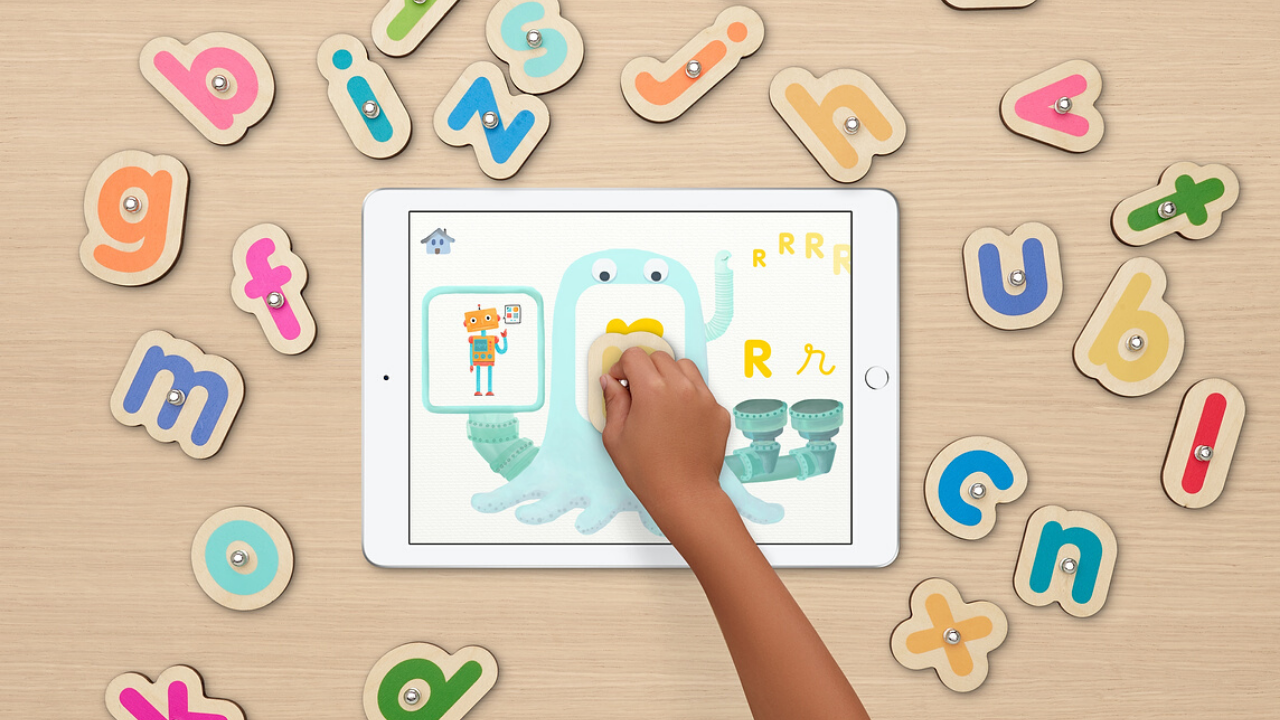
    Many new learning methods are founded on the fact that the manipulation of physical objects is a key factor in learning for young children. This has been discovered to be a downfall of screen-based learning for pre-school kids. Games like Marbotic give kids an opportunity to learn on their screens while using tangible letters and shapes to control what happens. This taps into the “full interactivity of the screen” to enrich their learning experience. 

    There are several different games available. They use a tangible item to touch the screen and answer questions, the app can tell if they are right are wrong and rewards them or help them. The app teaches shapes, letters, writing, and pronunciation by showing different pictures as a result of what you use to answer questions. They have even partnered with Sesame Street to put out a version of the app with those characters.

    Roybi

    Do our young ones need robots? Many companies are making robots for our kids, even our youngest children. Most of them seem to be pointless companions that are just “smart” stuffed animals. Roybi is different, though. This robot is a teacher.

    Roybi is a personal tutor that interacts with your child to teach them languages and STEM skills. The team at Roybi has harnessed evidence-based practices to help your child learn through play. Listed as one of TIME magazines best inventions of 2019, Robyi Lets kids ages 3-7 learn at their own pace and focus on what they are best at and most interested in. 

    Roybi doesn’t move around but does see and has educational conversations with your child. The robot uses these games to teach science, math and language skills.

    How Much Should My Kid Use Tech?

    Seeing all of these new tech products for our youngest children brings about the question. How much should my kid use technology? The issue is not as much the amount of time our kids use tech. Experts are more concerned with what they are doing during the time they are on these products. The answer is more education and less entertainment. These products give your kids opportunity to use the tech they love while learning skills they will continue to need. Studies have shown that learning only on a screen isn’t as helpful for our preschoolers as learning with things they can touch, feel, and manipulate. These products that combine the screen, voice, and tangible items set our children up to learn important subjects that they will require throughout their education.

     

  • Tech Toys Teach the Love of Reading

    Tech Toys Teach the Love of Reading


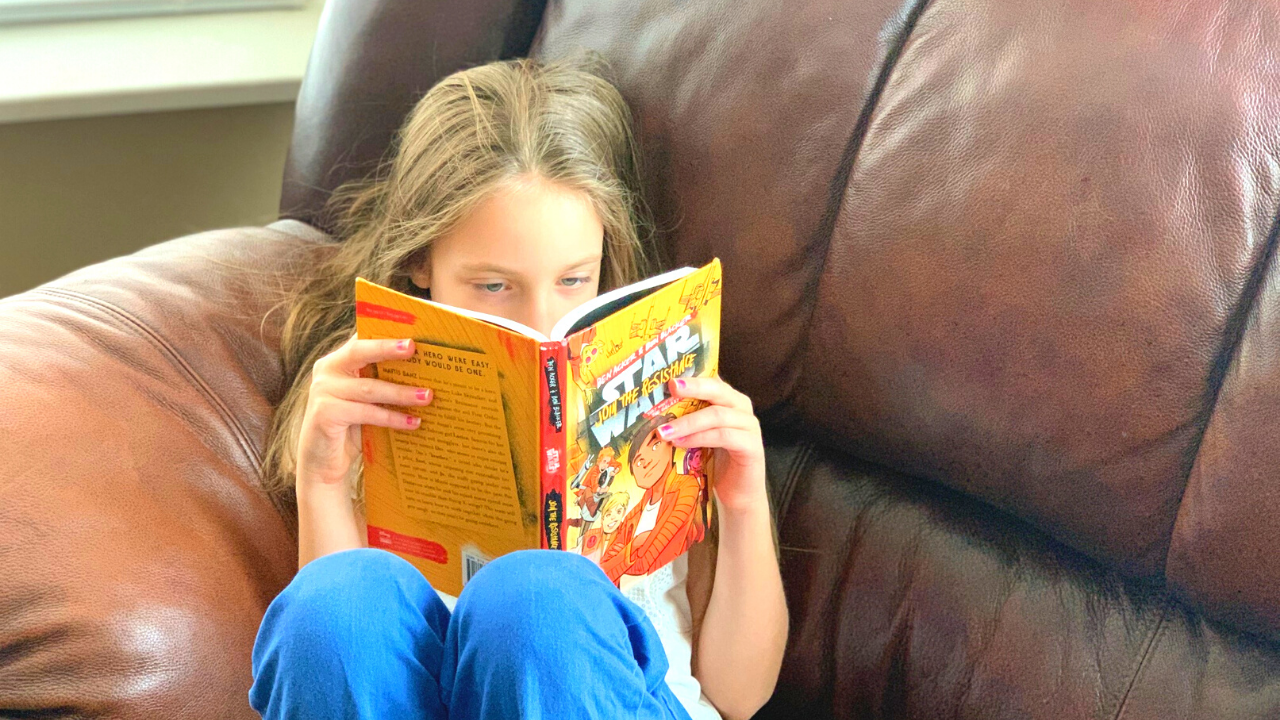
    Using technology to teach the love of reading isn’t new. Amazon and Barnes and Noble did it with their Kindle and Nook. Now we’re seeing products come out to help children love reading as well. The show floor at CES2020 had several products designed to teach the love of reading. Here are a couple of those products I thought were super unique and cool. 

    Bookinu

    Audiobooks are a great way to consume content while you’re busy doing other things. Reading out loud to your children has been touted as critical for their development. Some products give your kids the ability to hear books being read to them but Bookinu allows the narrator to be you. 

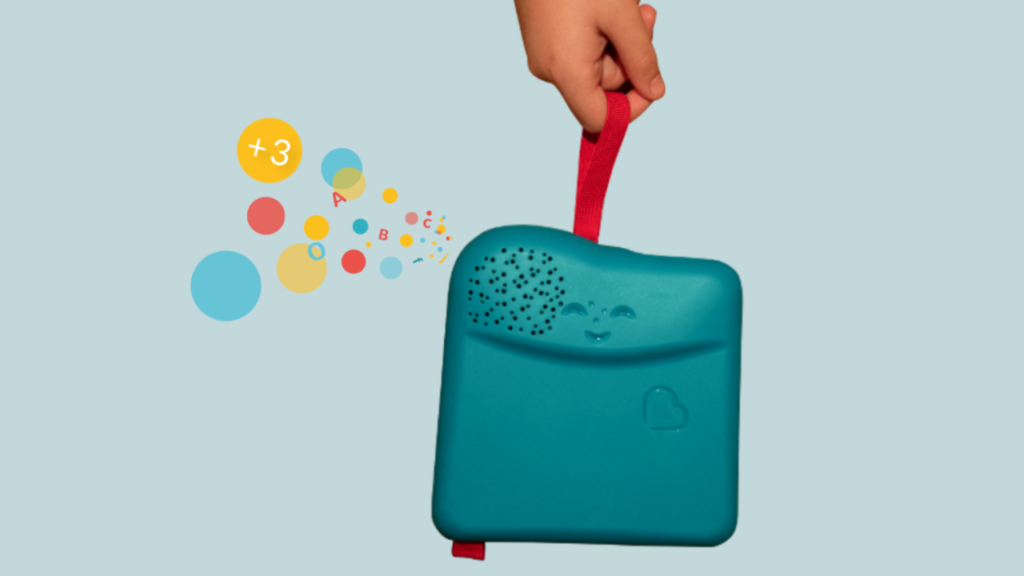
    Bookinu is for children from three to seven years old. It encourages them to love reading through an easy to use app for parents. Moms and dads open the app and read any book they would like into the app. You put a sticker on the book and scan it with the Booking. The Bookinu will then playback your reading of the story through the Bookinu devices so that the child is hearing the book read to them in your voice. It is very easy to use and can be taken anywhere. It can store books internally so that you don’t need a wifi connection to play the content for your child. There is also a headphone jack and a speaker built-in. 

    Dipongo

    “Dipongo is the first creative app for personalized stories mixing both real and virtual worlds.” – Dipongo Website 

    Using voice recognition the app chooses the right story for kids based on their likes and dislikes. You then use tangible objects to influence the story through photos and augmented reality. Kids create, draw, build, and mold to get the story to continue. The story changes somewhat based on what you choose to insert into the narrative. If you build a bridge to get over the valley they’ll cross it. If you take a photo of a plane, they’ll fly across. 

    Stories on Dipongo are co-authored with childhood and creativity professionals. The award-winning app was designed to educate kids on problem-solving, socialization, and contributing to a story. Watching the example on the show floor at CES caused me to smile a silly grin that wouldn’t go away. The cute characters and unique challenges are sure to keep your kids entertained for a long time, all the while teaching them some very useful skills. 

    Counterintuitive? 

    It may seem silly to use technology to try and encourage your kids to love a not so tech-centric activity like reading. Why not harness something they already use to encourage such a helpful skill. If reading out loud to our kids is such a great thing then an app that lets us read to them whenever we would like can only be super helpful. If we don’t allow it to replace the times we sit with them in person it can be a great tool. Using behaviors from Alexa and GoogleAssistant to read to our kids is neat but the voice of their parent isn’t being heard. Bookinu gives loved ones the ability to re-insert themselves into the read-aloud activity that is so beneficial. 

    Giving older kids a way to interact with stories through augmented reality and building with tangible items is a wonderful idea also. This allows them to get lost in storytelling in a way that they may have never before. Storytelling and creativity is critical and will always be skills that kids can harness to be successful in the future. Dipongo gives them a head start on those problem solving and storytelling skills. 

    The goal is to find tech that entices our kids to learn and gives them tools that they’ll need to succeed. There is a lot of tech out there that distracts our children and can even become harmful. I was excited to find these two options that give parents the ability to harness their kids’ love of tech to encourage a love of learning. The love of learning will serve their children well for the rest of their lives.