Net Nanny features one of the strongest filters available, custom settings, time management, alerts, and much more. In this video, I walk you thought the NetNanny website and we discuss its pros and cons. I share some of the set up woes I experienced with NetNanny but why I think those have been updated.
Violence/Gore - 1 out of 5
Language - 1 out of 5
Sexual Content - 4 out of 5
Positive Message - 2 out of 5
The Game
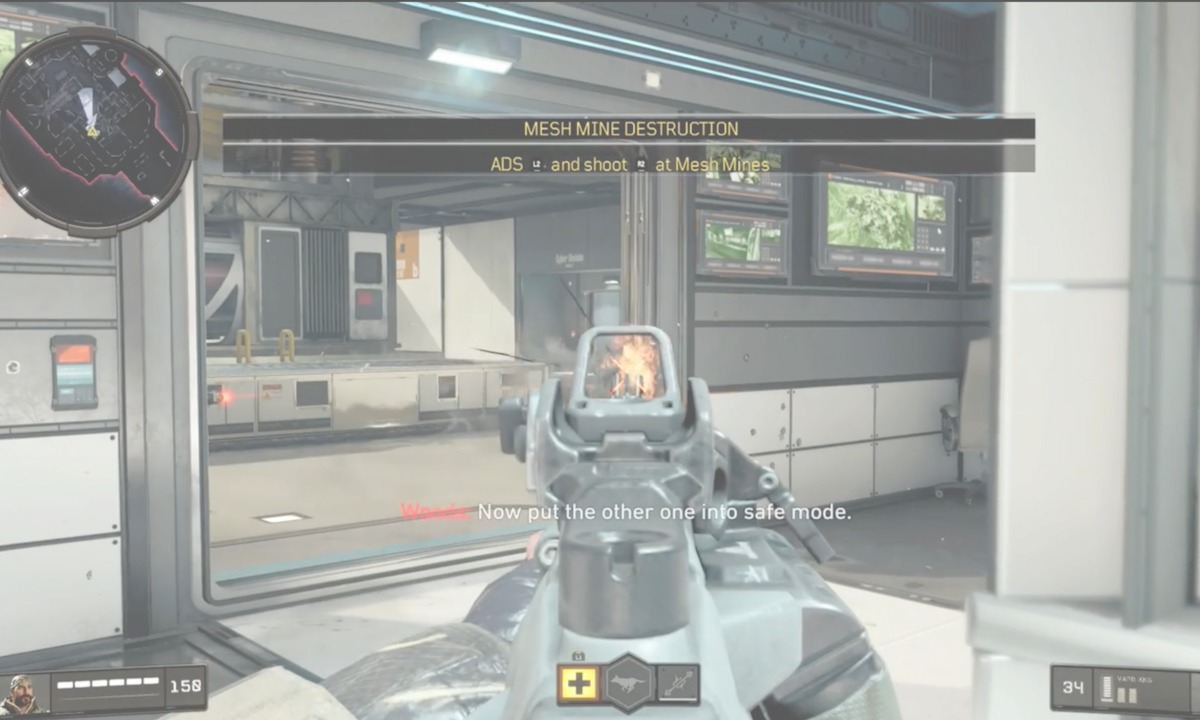
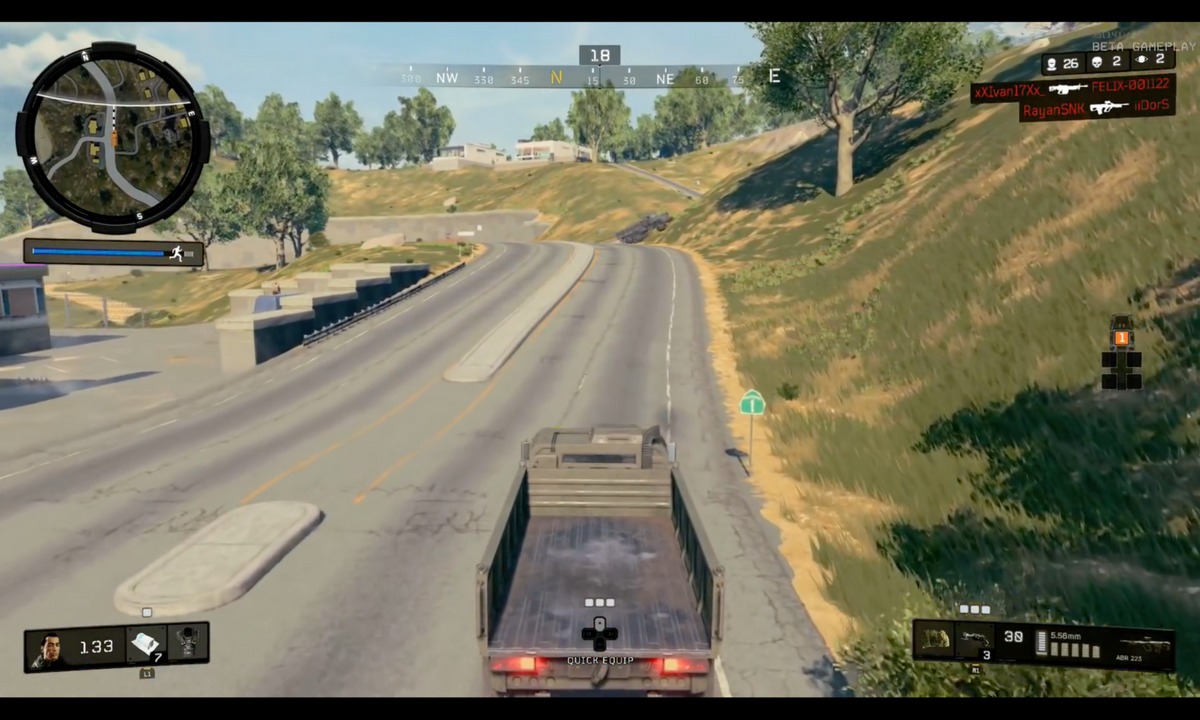
It’s that time of year again. Time for another Call of Duty game. This one is a bit different, (more on that later) but it is a CoD game none the less. The last game in the series was set in WW2. This on is set in the not too distant future, the 2040s. There isn’t much of a storyline in Black Ops 4 but there is no shortage of gameplay depth and replay-ability. Your kids are sure to ask for this game for the Holidays but what should you say? Hopefully this brief guide will give you an idea of the content in Call of Duty Black Ops 4 so you can make a quality decision for your family.
Black Ops 4 has several game modes available. You can play missions related to each character. They are more multiplayer tutorials with narration than actual campaign type missions. There is a zombies mode with a few levels and different stories included as well. The most anticipated mode, however, is the Blackout mode which is a battle royale game setting similar to Fortnite or PubG. I wrote about Blackout a while back, before its release. Below, I will unpack the content in Call of Duty Black Ops 4 for you.
Violence/Gore (1)
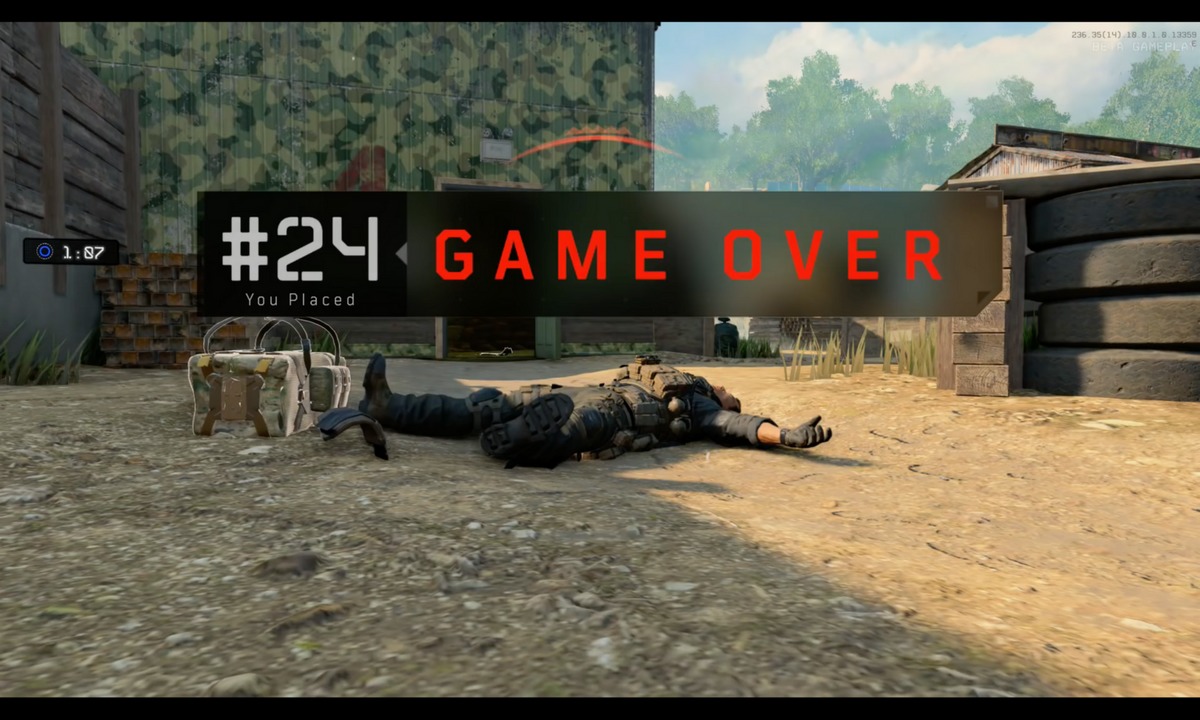
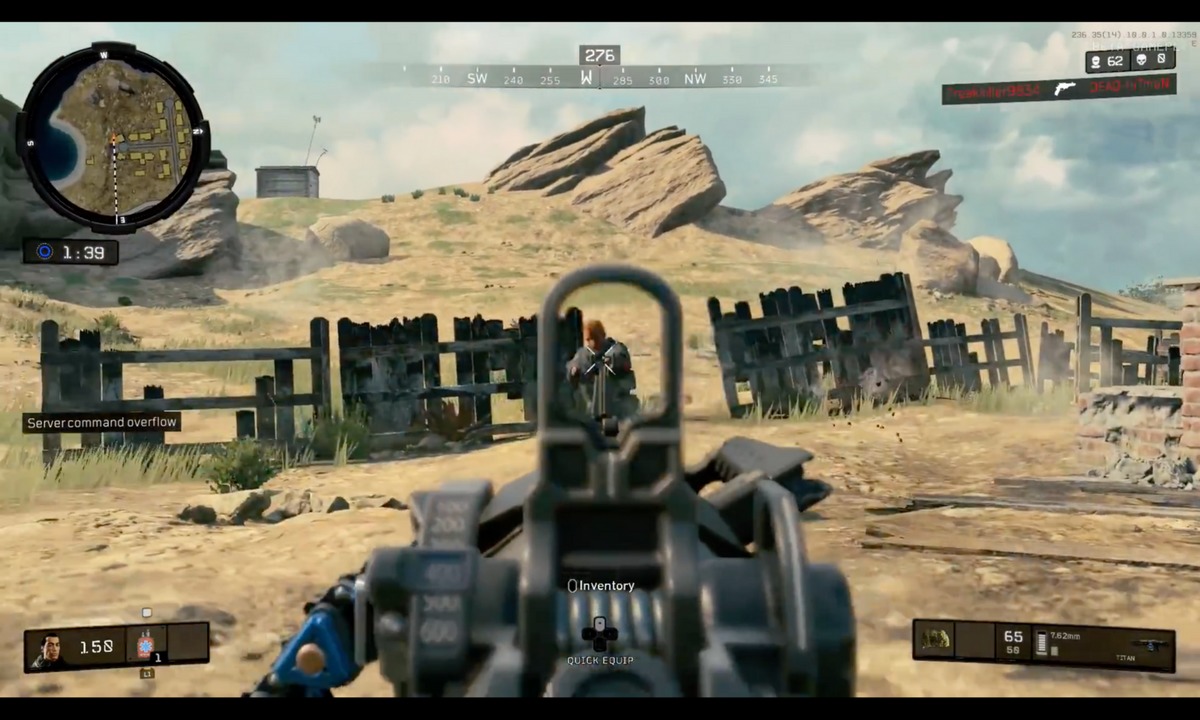
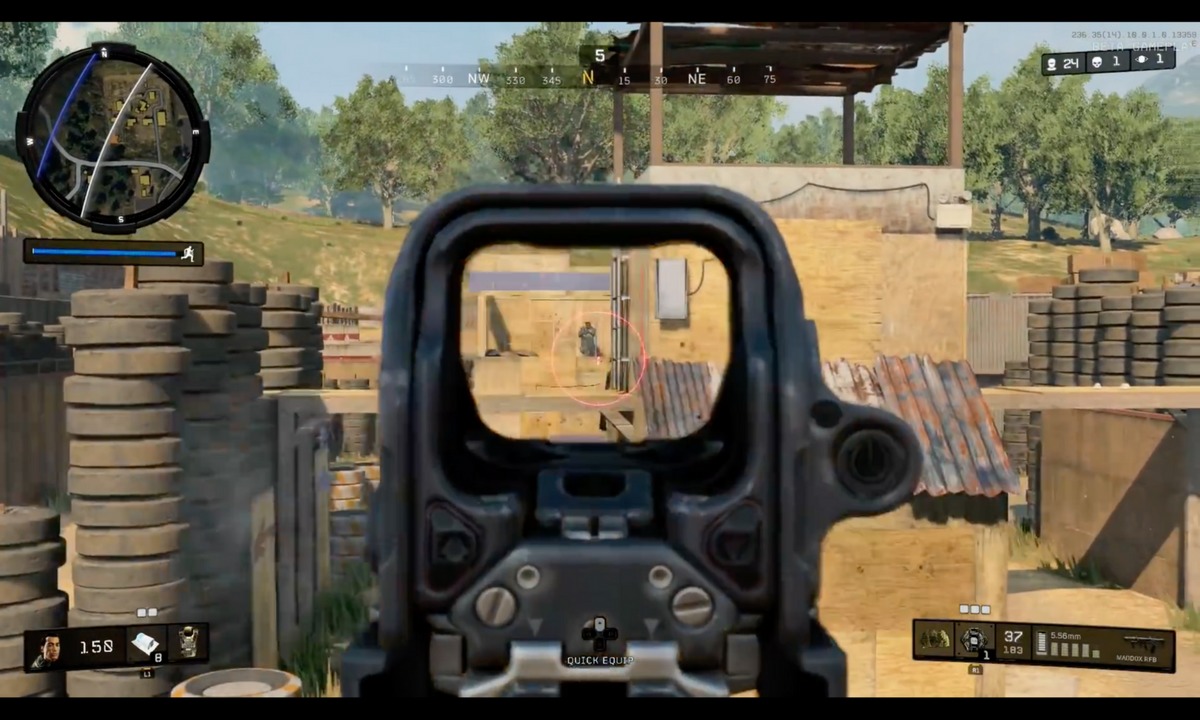
It likely goes without saying that Call of Duty Black Ops 4 is loaded with violence and gore. Gunfights are realistic, (albeit a bit science fiction based) blood is abundant, and body parts (more like chunks of meat) fly when hit by grenade or bomb blasts. Honestly the violence in CoD Black Ops feels a bit like an over the top 80s action film. Or a modern Quinten Tarantino movie. The game celebrates killing your enemies in the most gruesome and creative ways possible. Weapons are a bit futuristic and feature ways to bounce explosives, cluster bomb, and drive remote detonators and turrets against your enemy.
The zombies mode is extra bloody with creatures ripping people apart who are chained to posts and body parts being flayed off with swords and blown off with firearms and other weapons. As you’d imagine, the zombies themselves are pretty gory looking with yellow glowing eyes and shriveled up skin. While multiplayer plays down the gore a bit, the blood spray and rag-doll effect is still more realistic than other popular shooter games.
There is a way to turn off the extra graphic content including language and user generated content but that setting isn’t protected by a password. In my book, if parental controls aren’t password protected they aren’t there at all.
Michael Prince – BecauseFamily.org
Content filters with no password protection.
Language (1)
This game is has plenty of adult language. Every word you would imagine being said during a firefight with bullets flying overhead and explosions surrounding you is yelled, muttered, said over the radio, and written out in subtitles throughout the small story sections of the game. Your drill sergeant type instructor barrages you with explicit insults as you progress through training in the story mode. Much of the dialog also discusses substance use and the celebration of violence and combat.
Sexual Content (4)
There currently isn’t any sexual content in Call of Duty Black Ops 4. The dialog contains a bit of sexual reference but much would go over kids’ heads if they noticed it at all. Multiplayer will contain user generated content and therefore you can expect more sexual innuendo and possible conversation in online game modes.
Positive Message (2)
I honestly struggle to find much positive message in this Call of Duty game. Extreme violence is celebrated and encouraged. You are driven to kill in creative and gruesome ways. There is a bit of comradery between the characters but you have so little story in the game that this message is not likely to come across well, if at all. Most of the gameplay is centered around multiplayer so this game isn’t designed to portray any kind of message.
Black Ops 4 is rated M for mature for “blood and gore, intense violence, strong language, and drug references.
Parents should be aware of the intense level of graphic violence that is in Call of Duty. It is not like the cartoon style of Fortnite or the lower graphic quality of PubG. The graphics are very good in this game, thus the level of intensity is increased, as is the level of realism. While there is no sexual content, there is also very little redeeming quality to the game since there isn’t even much of a storyline to explore a deeper meaning or message.
Multiplayer gaming opens up kids to communicate with people from all over the world. There is an element of anonymity that is felt when you play online but that is quickly lost as you build a friendship with people through experiencing this intense gameplay together. There are known cases of adult predators using these multiplayer environments to identify and groom their targets to later expand their relationship to social media messaging apps. This is one reason multiplayer gaming can’t be rated. The level of safety depends on those playing the game.
There is a way to turn off graphic content and language but it isn’t password protected. In my book, if parental controls aren’t password protected, they aren’t there at all. I would advise following the 17+ recommendations for Rated M games on this one. If you are thinking about allowing you younger kids to play Call of Duty Black Ops 4 you should be confident that they can handle such intense action and gore without it causing any lingering affects on them emotionally or psychologically.
Finally, first person shooter games with multiplayer modes are notorious for causing what is called “lost time,” in which players compete in level after level of the game without realizing how much time they’ve spent playing. When they are asked to stop or they have to move on for some reason they are often shocked at the amount of time that has passed, sometimes even getting angry at being asked to stop. I recommend setting screen time limits on your game systems like Playstation and Xbox as to create a built in system to help your kids keep better track of the amount of time they are spending playing video games.
The messaging app that has had a reputation, whether for better or worse, for appealing to our teens and tweens is headed towards a more adult audience. Not necessarily in content but with a renewed focus on ease of use and organization. A new memo from Snap CEO Evan Spiegel highlights some of the changes the company needs to make to the Snapchat App in order to stop losing so much money.
Since going public, Snap has been losing money at a rapid pace. This is both due to a major change in design within the app which lead to a somewhat mass exodus and competition from Instagram and Facebook. The most recent decisions at Snap have been a greater focus on how to make more funds and attract a greater number of users. This has led to an increase in advertising and changes to the look of that app in an effort to make it more user friendly. These changes seem to have backfired. This week, Spiegel’s memo is calling for a reinvention and a call back to “the core of what made Snapchat the fastest way to communicate.”
Back to Basics
The memo mentions a refocus on chat in Snapchat. Spiegel says that the redesign of Snapchat caused user’s friends to get lost in the shuffle of influencers, paid advertising, and possible new friends. The discover page became a mess of tabloid like clickbait titles and friend’s posts vying for attention. The changes were rolled out too fast with not enough testing and the response to user outcry was the typical, “you’ll get used to it” attitude that most social media companies have when they make a change. Spiegel wants Snap to lean towards helping people make meaningful connections beyond a snap streak.
Discover and Video Success
Snapchat is seeing great success in the amount of people who are watching videos in the app. Even original and exclusive content is seeing great growth in viewership and Snapchat wants to capitalize on that. The number of folks who read articles on Snapchat’s discover is also seeing growth. Many media outlets are using Discover as a way to reach younger readers and seeing great success.
Attracting Older Users
The problem with a user base made mostly of young people is that they don’t spend a lot of money in social media apps. Because of this Spiegel says that Snapchat is going to have to find a way to attract older users to their service. That is likely what the original (albeit unsuccessful) change of interface was all about. Spiegel mentions the need to age up their advertising, emphasize the ability to communicate efficiently and quickly in the app, and make the look of Snapchat more attractive to older users.
The memo mentions that older users see Snapchat as a “waste of time” or more for entertainment than serious communication. A focus on older users could lead younger ones to move on to something else. Spiegel and others who have invested in Snap may not care too much who uses their product as long as they start seeing the holes in the financial dam getting plugged.
What Parents Should Know
Snapchat is still one of the top social media apps for tweens and teenagers. It is also one of the most used apps for predators because of the disappearing messages. The focus on attracting older consumers is going to mix up the user base of the app to where you can pretty much guarantee your kids are on there with people much older than them. To be honest, however, the same can be said for any social media app.
Snapchat is on my uninstall list because of disappearing messaging as well as the discover page which is basically the tabloid magazine section at the grocery store. It features stories from sources like Seventeen magazine and Cosmo and often contain R rated material. Remember that social media apps are rated 17+, even though you can open an account at thirteen. The 13 years old number is a protection for the company because of how the government says they are supposed to handle user data of kids ages 12 and under. Any app store will give social media apps an adult rating. Yes, an app like snapchat that is known to attract kids and teens is rated for adults. That’s why parents have to be paying attention. Learn about the apps your kids use and what they are rated. Assume you’re the only one looking out for their safety online, well, besides this blog of course.
If it seems like every time you find the social media platform you like it gets ruined by marketers and salespeople that’s because that is exactly what is happening. First it was advertising, random ads showing up in between your friend’s IG Stories about their kids and coffee shop visits, now we’re seeing actual shopping being added to social media. Snapchat and Instagram seem to be going the way of Facebook by adding ways for companies to add products to their stories so you can shop right inside the app.
Instagram has expanded their discover section (when you tap the search icon) to include a shopping tab. This tab will be populated with products that are relevant to your activity on Instagram and will lead you to story posts that allow you to tap on products directly to make a purchase.Snapchat is also going to be adding in-app shopping with “Collections.” Collections will show up in between your friend’s stories and on the Discover page. These posts will give you the ability to actually select items you’d like to buy from within the app.
What Parents Should Know
You can expect to see these new shopping features roll out on Instagram and Snapchat over the next several days. Some have already been added. Your kids will notice them too and I expect a couple of different responses. First, kids are used to being advertised to. It happens to them all day long every single day. There is advertising in social media, in their games, and between all of the YouTube videos they watch. Many kids won’t be phased and may even find some useful stuff to buy in Instagram or Snapchat.
Secondly, I can see kids getting annoyed with the over focus on ads and migrating to a different option for their social media experience. Many kids already enjoy messaging through ad lite options like WhatsApp and Kik. They video chat with their friends through Houseparty, WhatsApp, GroupMe, or WeChat instead of Snapchat, IG, and Facebook messenger. I imagine their social media profiles will become more of a place to present the best versions of themselves instead of where they go to mindlessly scroll a timeline and connect with friends.
As parents, we should always know what apps our kids are using to connect with their friends. Do these apps require age verification are the default settings open and public so that anyone on the app can contact our kids? These are the questions we have to ask ourselves and our kids when they move from one social media platform to the other. Instagram is already so full of moms and dads that many kids are setting up secret “spam” accounts to avoid their oversight. The shopping features being added could lead to more kids moving on to other apps. Keep an eye on their downloads and on this site to see what they’re downloading.
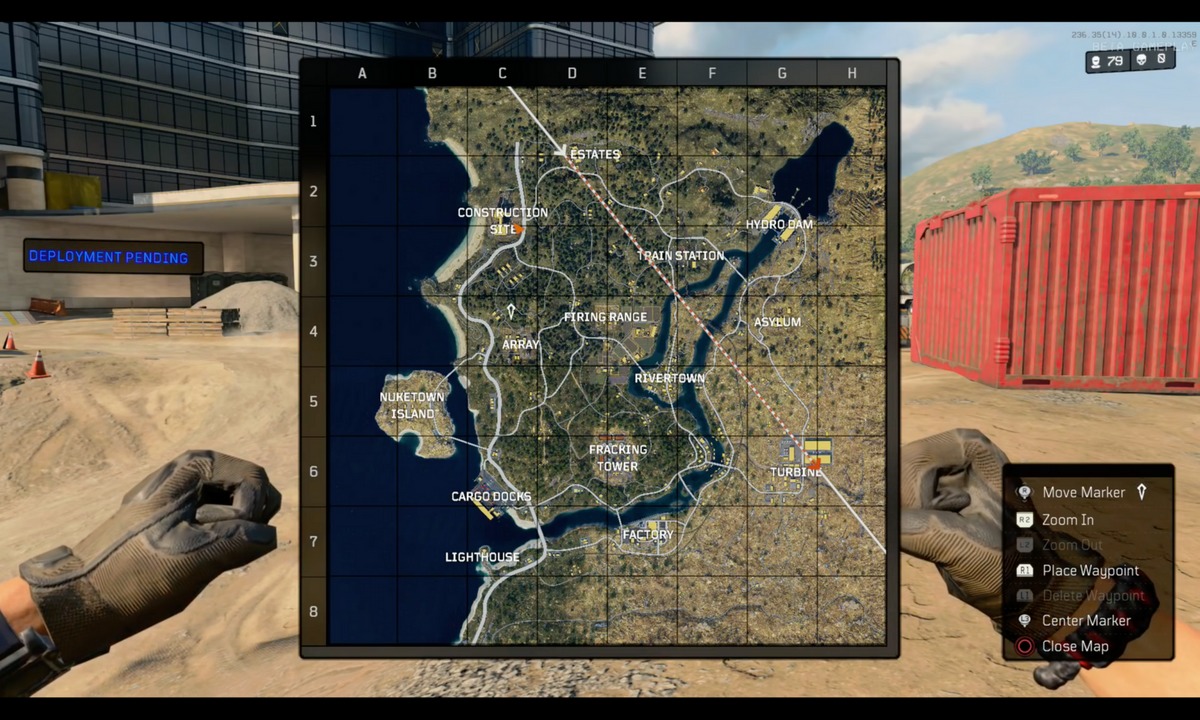
The game that you could say “started it all” when it comes to multiplayer first person shooter games is joining the Battle Royale fray. Call of Duty Blackout will be released next month with the newest installment of the franchise, Black Ops 4. Blackout will follow all of the typical Battle Royale tropes and include parachuting onto an island, finding weapons, and killing everyone there to be the last man standing, and thus, the victor!
The most significant difference between Blackout and Fortnite is going to be realism. The Call of Duty games are known for their realism and more intense warfare simulation. Where Fortnite is silly and feels a bit like a cartoon, Call of Duty is made to feel more like combat. The blood spray when a character is shot, the flailing of bodies when killed, and the sounds of vehicles, explosions, and weapons are likened to more realistic battle simulation than an entertaining game.
What Parents Should Know
I won’t tell you what to do as a parent. I will, however, caution you to be suspicious when your child asks you for Call of Duty because it’s “Basically like Fortnite.” It is not like Fortnite, it is very different and it is rated M for Mature. Mature games are intended for those over the age of 17 and usually obtain that rating for violence and language or nudity and sexual content. In the case of Call of Duty games it is nearly always because of the blood, gore, violence, and language.
Most kids won’t be able to get past the $60 price tag (Fortnite is free to play with premium in app purchases) and the fact that it has to be purchased through a console or PC. Not being on mobile devices and tablets will also deter many children from getting ahold of Call of Duty Black Ops 4. My overall advice is simple: if you wouldn’t buy a Call of Duty Black Ops game for your child under the age of 17 before Blackout was released, I don’t recommend you buy it for them afterward either.
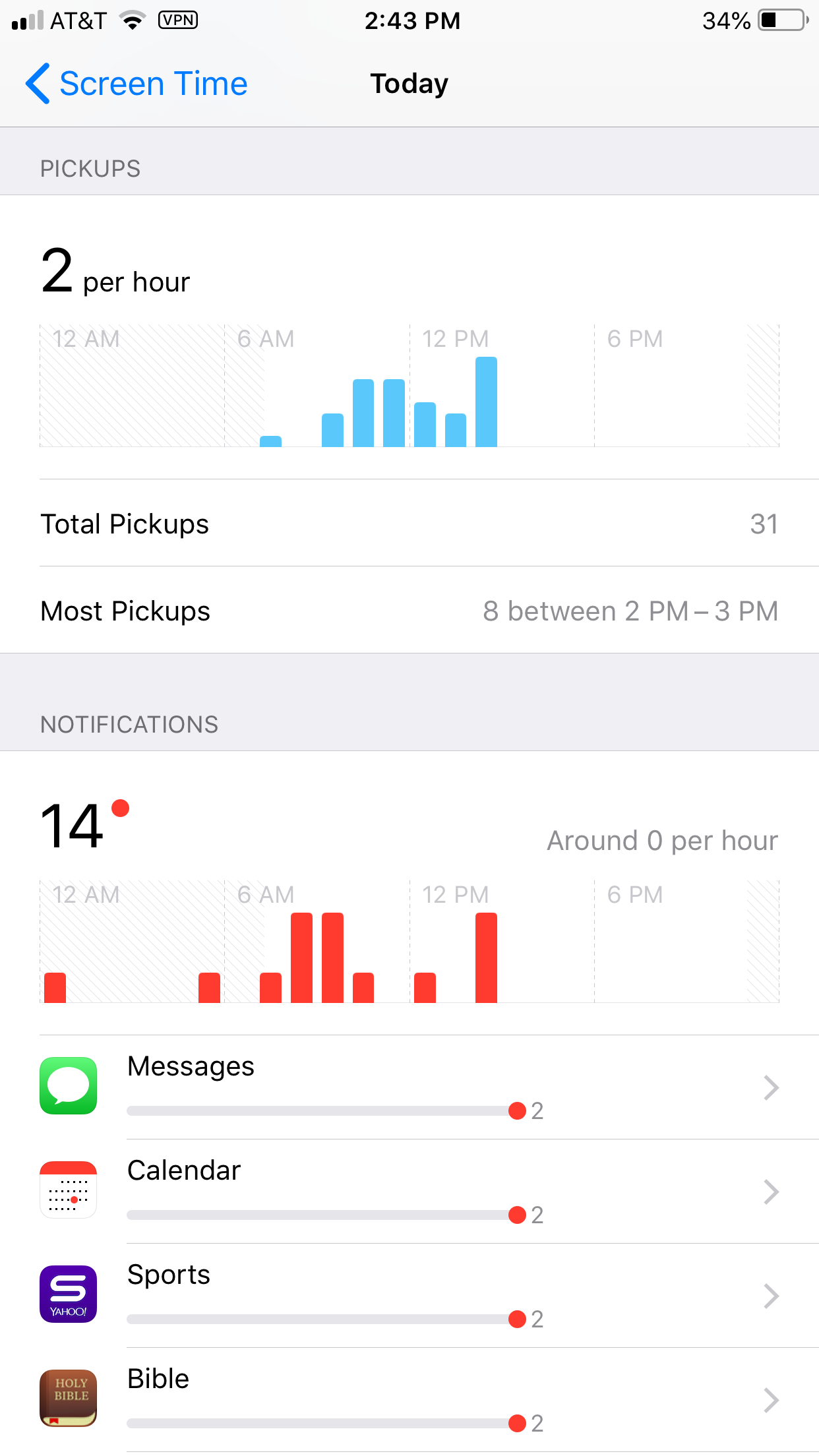
Apple’s latest operating system is out and features something parents have needed to see for a while. Screen Time is a way to monitor the amount of time spent on your device and set limits for yourself as well. You can set limits for certain apps, schedule time off, and even check to see how often you get notifications and from what apps.
Scheduling “Downtime” is as simple as an on and off switch but is customizable as well with the ability to set apps to “always allow” change privacy and restrictions. Yes, restrictions have been moved from their own category in the General settings to a sub category within Screen Time. Don’t worry, though. All of your screen time settings can be password protected. App usage and data can be seen without a password but settings can’t be changed unless you enter your four digit code.
There is much more about how Screen Time works in the video above.
What Parents Should Know
This is one of the biggest steps toward the total parental control package built in to a phone. If the filter was a bit stronger (it can be improved through usage) it would almost have it all. I still recommend an accountability software and something to monitor messaging.
This addition by Apple is a step towards taking responsibility for the risks and addictive nature of their products. Speaking, myself, as one who feels like I’m missing a body part when I don’t have my phone, it is really good to have a reminder of how much time we actually spend looking at our screens. Set up screen time for your kids and teach them how to be mindful of the time they spend on their devices. Set it up for yourself too and hold yourself responsible for the amount of time you spend on your devices. Lead by example and put the phone down every now and then.
I am asked about new Parental Control software resources all the time. I always look into each one seriously and develop an opinion on them based on what they offer, how easy they are to set up, and how much they cost. I have worked with enough parents to know the barriers that they will allow to keep them from using a software so those issues are always top of mind.
The Parental Control Research video series will be a way for me to walk parents thought my study of each parental control offering and break down their ability vs their cost to determine their value. Stay tuned to the BecauseFamily YouTube channel and this site to be updated on the weekly episodes of Parental Control Research with Michael.
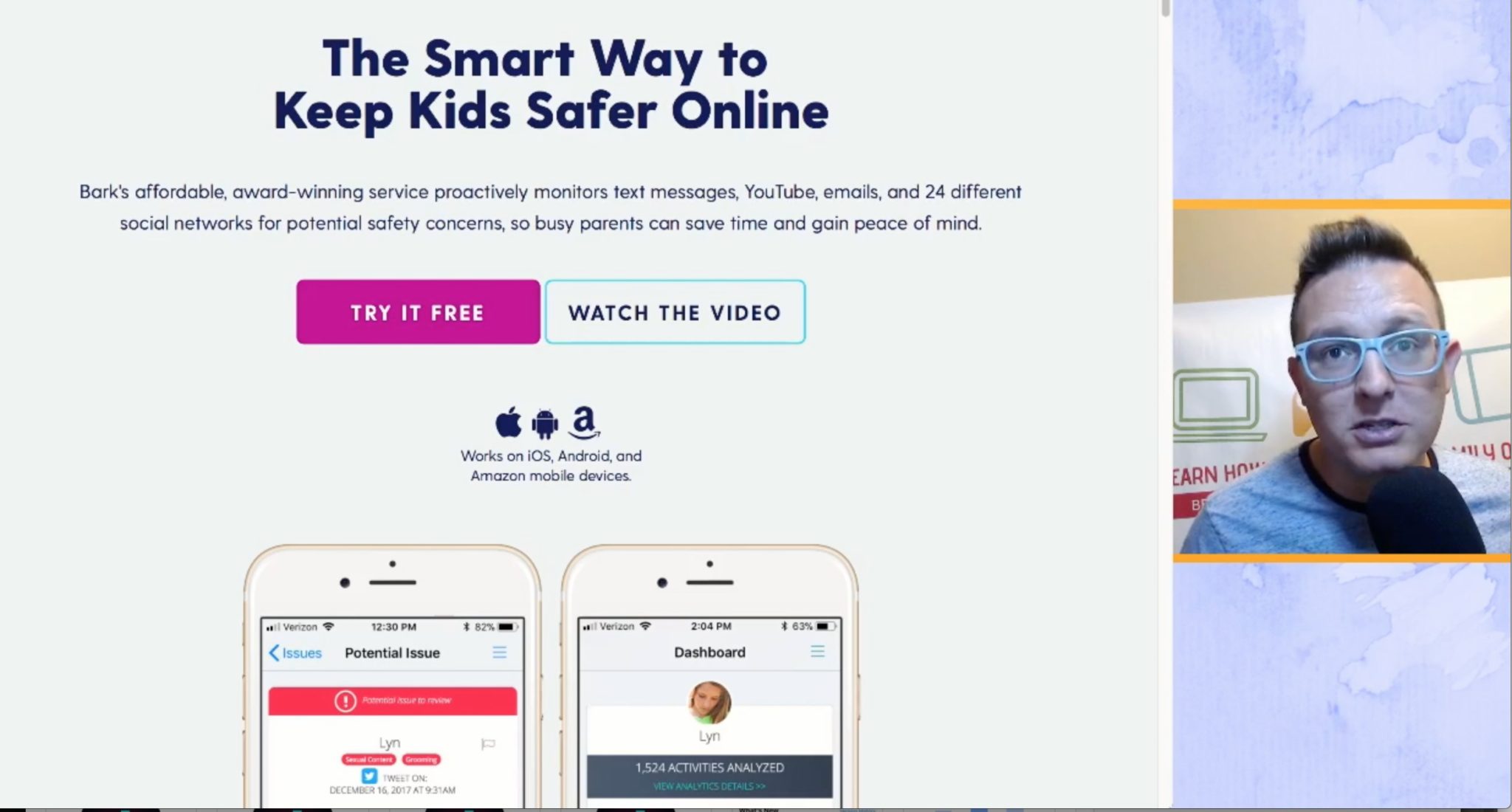
Episode 1 Features BARK, an algorithm based monitoring software made to keep tabs on what your kids are communicating about in messaging and on social media. I find it to be a simple setup, and an even simpler system to use since it is based on reporting to you, not you going to check the data.
You can use our affiliate link to sign up for BARK here. Thank you for reading FamilyTechBlog and for subscribing to our YouTube channel. Think of another software you’d like me to check out? Comment below and I’ll get right on it. We’re doing our best to keep your kids safe by educating you on what’s going on in the online world.
Fortnite is the biggest of big deals in gaming. Kids play it, adults play it, boys play it, girls play it, and it’s making Epic Games tons and tons of money but their desire to not share that money with Google may be putting some of their millions of players at risk. Namely the players who are installing the game on their Android phones.
“With Fortnite’s influence over more than 125 million players, teaching people to download apps outside of the official store is exposing millions of people to a risky practice, researchers warned.” – CNET
Experts are warning that Fortnite’s “side loading” method of installation, which bypasses the Google Play Store, is opening up users to a ton of security risks. One such risk was found by Google’s team only two days after the game officially launched on Epic’s site. The flaw allowed hackers to exchange the game file for any file they wanted as long it was named the same thing as the installation file it replaced. This meant hackers could have put whatever malware, spyware, or virus into another file and millions of devices would have been infected. Also, since it’s release, over 1/3 of the malicious files found by Google security experts have been Fortnite themed.
The solution to this is obviously to roll out an update, herein lies the biggest issue with side loading software, it is difficult to push a forced security update out without an app store. This means that users will either have to seek out an update or allow it to install when they boot up the game. If someone has the game installed for a while without playing it, any corruption will stay in their phone until an update is found or forced by opening the app.
What Parents Should Know
If your child wants to play Fortnite, I recommend letting them do so on their computer or a console. My advice is to not allow your child to play the game on Android at all. I recommend not allowing side loading of apps at all either as this opens their device up for major security threats. If you are using Android Family Link to manage app installations then sideloading will completely undermine your methods of parent control. If you’re monitoring activity and see something called An .APK file you’ll know that side loading is happening and you should talk to your kids about what they’re installing on their device.
The news of another shooting yesterday (August 26, 2018) has once again raised the question of the violence in video games and its supposed link to mass murders by young people. The shooting took place at a Madden NFL video game tournament and left two dead andnine injured. The beginnings of the shooting were aired on livestream on Twitch.tv. The stream was cut immediately after officials realized what was going on.
Who’s to Blame?
This is the question we all want to ask immediately after something like this happens. We blame guns, we blame media, we blame parenting, we blame the government, and of course we blame violence in tv, movies, and video games. Video games are especially likely to receive the blame because of the interactivity involved in playing these games. The idea is that since we spend hours a day shooting guns at people in a virtual world, we will feel fewer inhibitions about performing that same violence in real life. With the levels of realism and intensity available in games these days, the blame is ever increasing.
Wanting to place blame in a tragedy is normal. It’s one of the stages of grief and it is entirely understandable that we would do this as individuals and corporately as a society. The problem nowadays is that we are placing blame so quickly and news media is aiding us in our decisions. This leads to more division and does nothing to solve our problems or ease the pain of the families of those involved in these acts of violence.
When video games receive the blame, it is often by those who don’t play them and especially those who don’t understand their appeal. Religious leaders, political leaders, news channel talking heads, and many celebrities will speak out against the violence in video games and other media and make headlines doing so. The problem is that they are making claims not based on any facts that can be found in any research that has been done to date.
The Data
There have been many studies on video games and their link to behavior. The problem with much of this research is the popularity of the topic itself. Early studies all had mixed results due to the controversial nature of the topic leading to researcher bias during their work. An article from earlier this year highlights the inconsistencies in research on the topic of gaming and violence. The studies of this research discredits much of the conclusion about violence in gaming causing violence in the real world while also debunking claims that playing violent video games (as a substitute) will keep you from performing violent acts in real life. The truth is that much of this research was done to prove the point that was made in their findings and further investigation found that this caused researchers to alter findings, ignore unwanted findings, and change or ignore some of their beginning hypothesis. This was not good science and shouldn’t be used to inform opinion, though many news media and anti violent video games advocates still use these studies to support their stance.
More recent studies have struggled to find links in the gaming experience and behavior. While some studies have seen an increase in aggression in kids due to gaming, there is not a correlation to that aggression turning to violence. The studies that show increased aggression tested subjects immediately after ending their gaming session and there was a significant decrease in their aggression after only a few minutes. A study done in March of this 2018 found that after two months of gaming there was no clear evidence that gamers who played violent games experienced more aggression than those who played a less violent game.
All of these studies are quick to highlight that there is still more research to be done. They maintain that kids may be more likely to experience negative effects from the violence in video games and that it is difficult to test the long term effects. While there is more learning to be done it is becoming more clear that the blame for violence in our society can’t be based solely on video games.
There Can’t Be Just One
Experts and researchers agree that there cannot be just one single cause of these egregious acts that are committed in our country lately. There are many factors that contribute to the likelihood that someone will commit a violent act, too many factors to focus too much on only one of them. There are likely those who shouldn’t play violent video games because they are more prone to act out but that doesn’t necessarily mean that gaming is the singular cause of that aggression.
The most important thing is that we stay informed and continue to learn about the best way to help each other during these times. Speak up when you see dangerous or violent behavior and if your child is showing signs of over-aggression, depression, or other mental health issues get them the help they need. We should all be in this together, supporting each other, seeking out those we can help, not those we can blame.
It is natural to look for a single cause that can be removed in order to end these horrible events. Unfortunately, it just isn’t realistic. My prayers and thoughts are with the families of those affected by this horrible action and my heart is to inform and educate you as a parent so that we can all raise kids who want to contribute positively to the world and not negatively. To answer the question posed in the title of this article, no, violent video games alone do not create killers.
One of the easiest ways to protect your kids online is to monitor their internet activity. Accountability software is the most effective way to do that. Accountability software does not block anything, it will report when something inappropriate has been viewed so you can talk to your child or significant other about what they spend their time doing online.
Our favorite Accountability Software is Accountable2You. I love it for a lot of reasons, probably the biggest reason is their support base. I have had a great experience when I have had to contact their support team to help me figure out setting up new devices. Some of the best features of Accountable2You are their GPS tracking (included,) their iOS VPN settings, and their time management tracking.
The video above will walk you through how to sign up and use Accountable2You. We are an affiliate of this software and you’ll get 30 days free if you use our promo code: BECAUSEFAMILY.