Tag: teenagers

  • Snapchat Allows Cosmo to Include X-Rated Content in the App

    Snapchat Allows Cosmo to Include X-Rated Content in the App

    *This article is for parents and there is discussion of x-rated content. You have been warned.

    The Snapchat Discover page has been my main source of concern for kids and teens when it comes to the photo-sharing app. I posted a video over a year ago announcing that Snapchat was being added to my uninstall list because of the Discover page. This magazine rack style page featured articles from all kinds of magazines and other publications that highlighted sexuality, drug use, and other adult themes. As I began to understand the discover page, it became obvious to me that this app was intended for adults even though it’s used by High School and even Junior High students all over the country.

    Another Report on Cosmo After Dark

    The latest source of concern with Snapchat for parents is, as I’ve been saying, the Discover page. A new feature from Cosmo, called “Cosmo After Dark” features content that Cosmo themselves calls X-Rated. These articles are about everything from how to masturbate properly, to truth and dare ideas, and pornography site recommendations. I won’t say much more about this because the video below says it all.


    Remember, this video is from a year and a half ago, I saw this content coming from a mile away!


    Parents, PLEASE, pay attention to this news and require your child to uninstall Snapchat NOW. Use your parental control software to block data access to the app, do whatever you can to keep them away from the over-sexualization that social media is instilling in our children. Snapchat has really always been about sex, they seem to be really going for it now with this new “after-hours” content.

  • Fortnite is Free; and also the Highest Grossing Game on iOS

    Fortnite is Free; and also the Highest Grossing Game on iOS

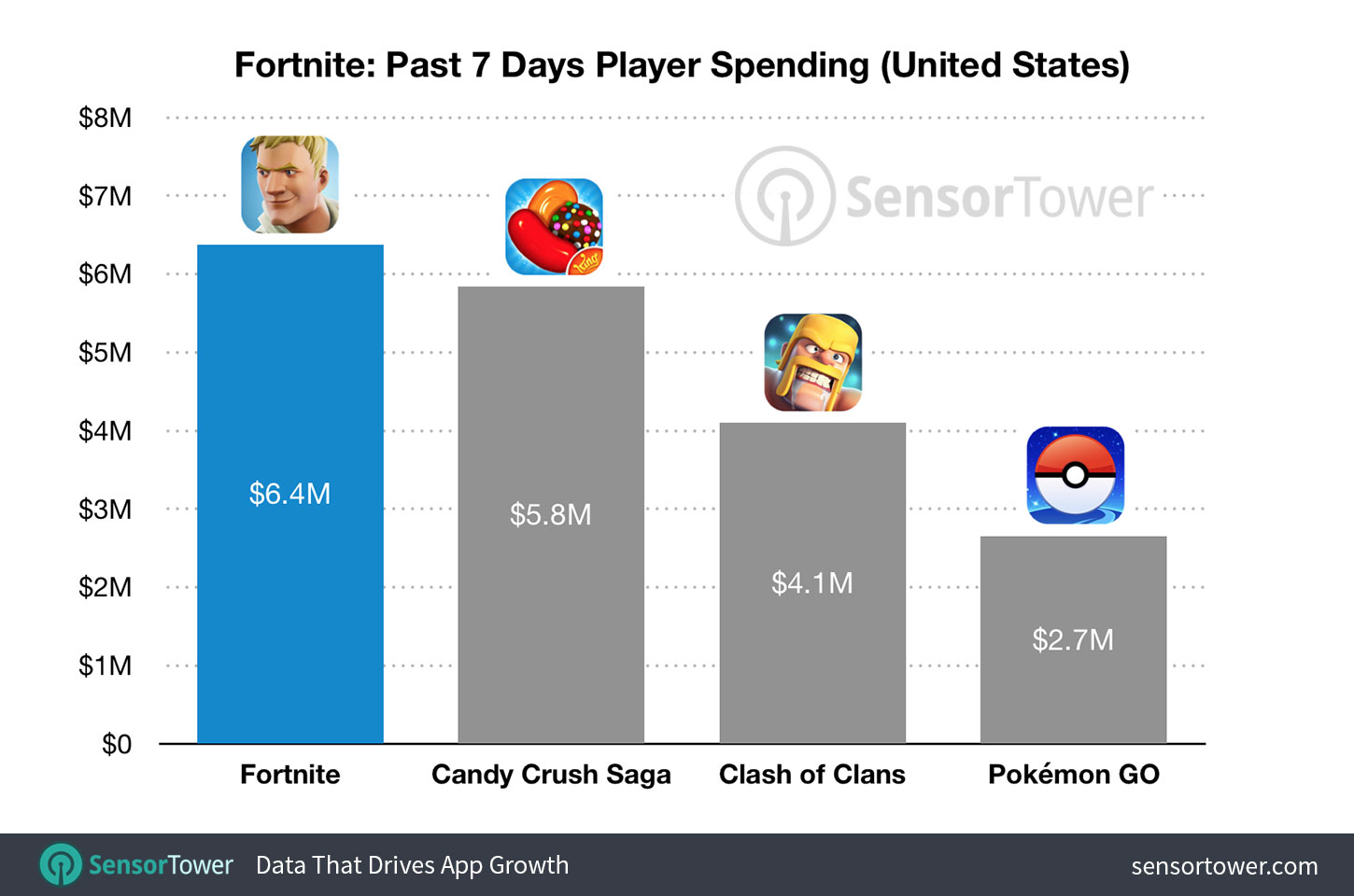
    Freemium games aren’t new and there is a reason that that category has graced the top of the charts on iOS for a long time now. Fortnite: Battle Royale, however, has rushed into the Freemium Game Revenue lead, making $15 million in the first three weeks since launch. The game, in which you fight it out against 99 other players to be the last man/team standing, is free to download on iPhone. You don’t buy items to increase your skills or character’s strength, you just buy costumes and dance moves. Obviously, the lack of game-changing in-app purchases hasn’t hurt the bottom line for Epic Game’s wildly popular third-person shooter and crafting game.

    SensorTower.com

    What Parents Should Know

    For my thoughts on shooter games and kids, you can read my game reviews and listen to this BecauseFamily Podcast episode. As far as in-app purchases go, it is up to you. You should know how to set up your kids’ devices to not allow purchases without approval. Failure to set this up will likely lead to surprise expenses as the temptation for that new dinosaur hat or “Carlton” dance moves becomes too great for your kid to withstand. 

    My advice is for you to talk to your kids about the time they spend playing games on their devices. Make sure you have an understanding of what a healthy amount of time on devices looks like. Also be sure that you have your credit card settings secured to keep unwanted purchases from surprising you next month. Again, talk to your kids about spending your money on the games they play. I agree that these developers deserve every dollar they make from their games. I also strongly believe that if a kid is underage, it is up to the parents to regulate whether or not their child can spend money on their favorite games. That is up to you as mom or dad.

  • CES 2018: Here’s What Marketing Researchers are Saying About Your Teenagers

    CES 2018: Here’s What Marketing Researchers are Saying About Your Teenagers

    Karen Rampacher and Kathy Sheehan from the market and user experience research firm GfK spoke about the changing culture of one of the newest most powerful buying groups. This group is teens and young adults ages 15-24 and they’re calling them Generation NOW. GfK studies the trends of buyers of all ages but they’ve been doing it so long that they can compare different age groups from different eras and track the differences. Here is what they’re saying about your older teens.

    Who is GenNow?

    GenNow is a major market for businesses and advertisers with $830 billion spent by them or on them. They are digital from birth (digital natives) and don’t have to spend much time getting to know devices and screens. Interestingly they don’t define themselves by their ability to use tech but feel as if it’s something everyone can do now, no big deal. In fact, they don’t really worry too much about how they define themselves at all. The research has shown that they aren’t concerned as much about “standing out” as they are being true to their own identity. Identity brings up a whole new set of issues for marketers, who consider the self-identification of the Now Generation to be a puzzle that they have to solve. This age group’s interest in social justice and equality surpasses any generation before them and they are content to just let people be who they have decided they want to be. They are also less likely to reach the traditional “adulthood milestones” as early as their predecessors. Things, like getting married, having children, moving away from home, and starting a lifelong career, aren’t less important but have been placed on the backburner for most of this group.

    GenNow and Advertising

    The question of for the meeting I attended was: “How do you market to a group like Generation Now?” The answers may surprise you. First of all the data suggests that, while this younger generation is most likely to adopt new tech, they’re more concerned about their privacy and security than generations before them. They know what data is being collected, who is collecting it, and what it’s being used for. Sometimes they’re ok with it and sometimes they aren’t. A recent mistake by Netflix on Twitter shows that this generation isn’t going to ignore an inappropriate use of their data. This generation understands artificial intelligence to some degree and they aren’t afraid of it. They are, however, smart enough to disapprove of a misuse of their own info and invasion of their privacy.

    More interesting data suggested that some in this group may never enter a retail store. They purchase things online and trust user/peer reviews to help them determine what they’d like to buy. They value convenience and there’s nothing less convenient than having to go to a store to buy a pair of pants.

    As far as how they consume media, things are changing but not in the ways many have expected. Yes, more kids are viewing streaming media but they haven’t necessarily lost interest in the traditional TV. 85% of Gen Now polled admitted that watching TV makes them happy. They usually define TV, however, as anything you watch on a television. Many even label watching content on any device as TV. Streaming, DVD/BluRay movies, and gaming all fall into the “TV” category for most of the Gen Nowers polled by GfK.

    The amount of content watched was no surprise with an average of 29 hours per week being consumed. More than three-quarters of those polled admitted to binge-watching their favorite shows. (Binge watching is defined as watching three or more episodes of a show in one sitting.) Most of them are watching content on “ad-free environments.” Netflix, Hulu, Youtube Red, and other paid streaming services keep them from having to watch commercials.

    Media companies have answered with short “six-second” adverts that even run alongside live events like sports games and concerts. Product integration or product placement has also become a very important thing for advertisers. Think, Eggo waffles in Stranger Things. Finally, marketers are having to be more careful about how they use the data they collect from this generation’s online and social media activity. They have to prove that they’re not being “creepy” and that the information is being used to bring value and not inconvenience.

    What Parents Should Know

    Obviously, all of the information in this post falls into the category of things parents should know. To summarize, Generation Now is bringing some interesting challenges for marketers and corporations as well as for parents. Moms and dads should take heed of some of the trends this research has found. Use this information to help you build your strategy for internet safety, security, and health.

    As for advertising you’ve probably already noticed short social media videos and posts being used to promote various products. You’ll also see social media influencers being used more and more by companies to review and sponsor their offerings. Your child’s favorite YouTuber or Instagram influencer will be trying out products on their channels and accounts in no time.

    The advertising world is always working as hard as they can to reach our kids with their message. It is important for us as parents to understand the message we want to convey to our kids and retrofit the message that the media is telling them to fit our standards. That’s why this blog is here, to teach you how to do exactly that.


  • Social Media News: Youtube, Snapchat, and Instagram Update Information

    Social Media News: Youtube, Snapchat, and Instagram Update Information

    Here’s a rundown of the social media news for this week thus far.

    Snapchat is changing “everything.”

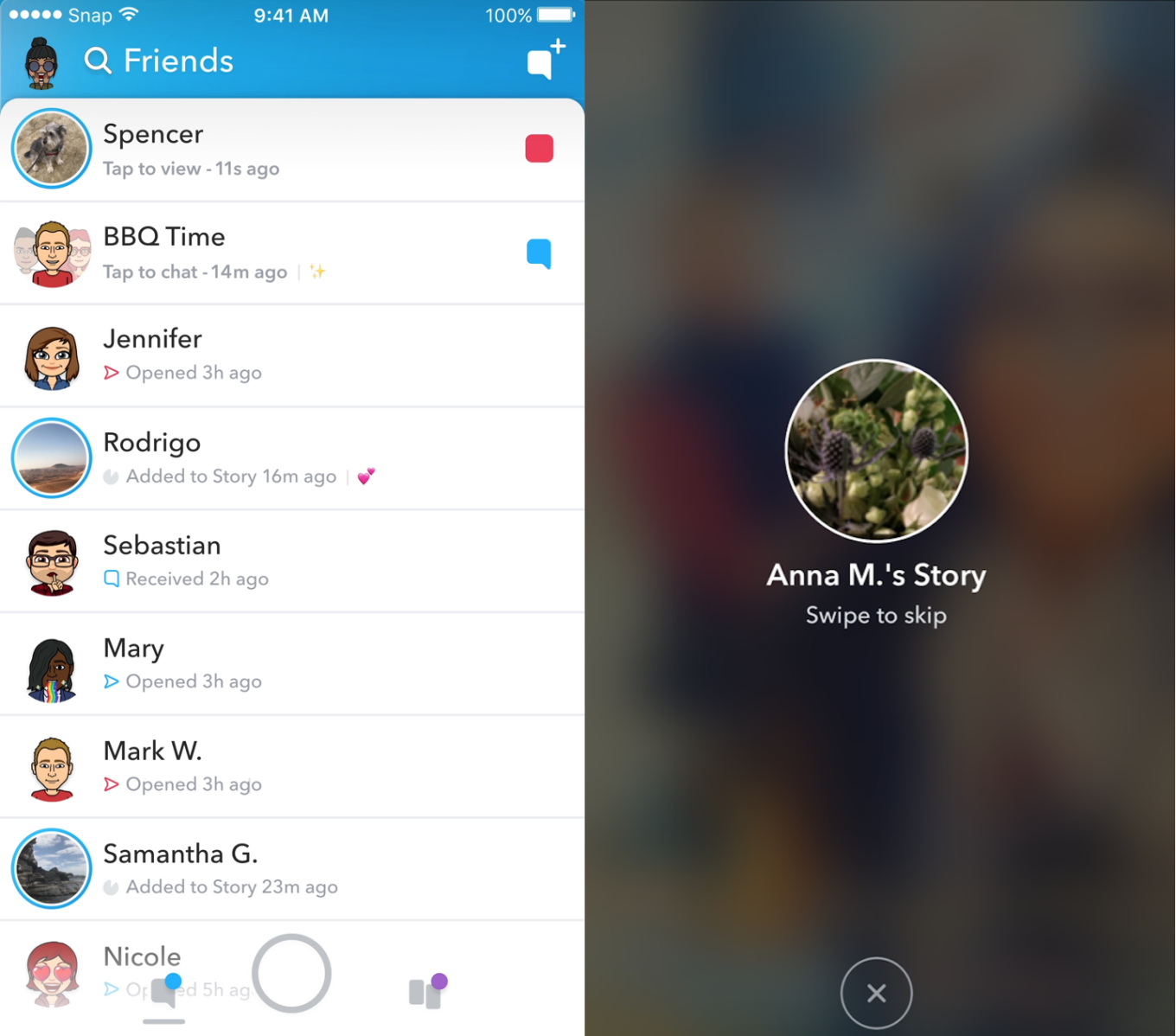
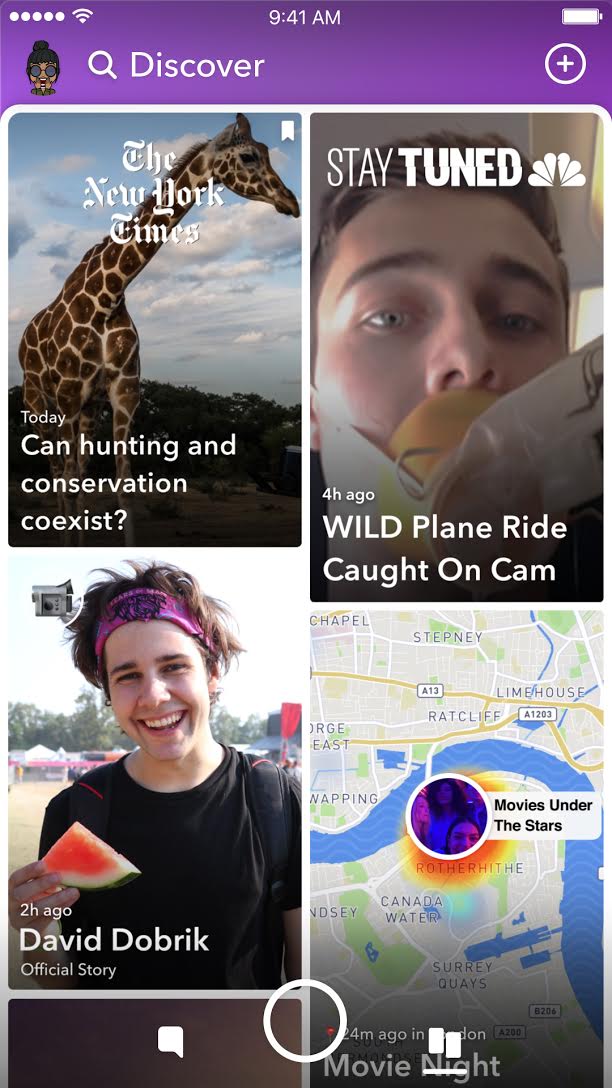
    In an attempt to increase both user numbers and ad revenue, Snapchat is making some major UI (User Interface [the buttons, controls, and setting options on an app or software that allow you to use the app or software.]) changes. In a video by CEO Evan Speigel, he claims that the new Snapchat will separate your social from the media. He says that “your friends aren’t content, they’re relationships” and should be kept separate from the paid advertising and influencer content on the Discover page.

    The app will still feature the “swipe right/swipe left” control style with the left being your friends and right being the Discover page. The Discover page seems to be going through a bit of an upgrade too with animated thumbnails (title images) and including more content from influencers along with the paid media articles. Snap Inc. is hoping this change will make the Snapchat app more appealing to more users and increase buy-in from those who have installed it but don’t use it much. Only time will tell.

    Instagram now lets you ask to join live stories.

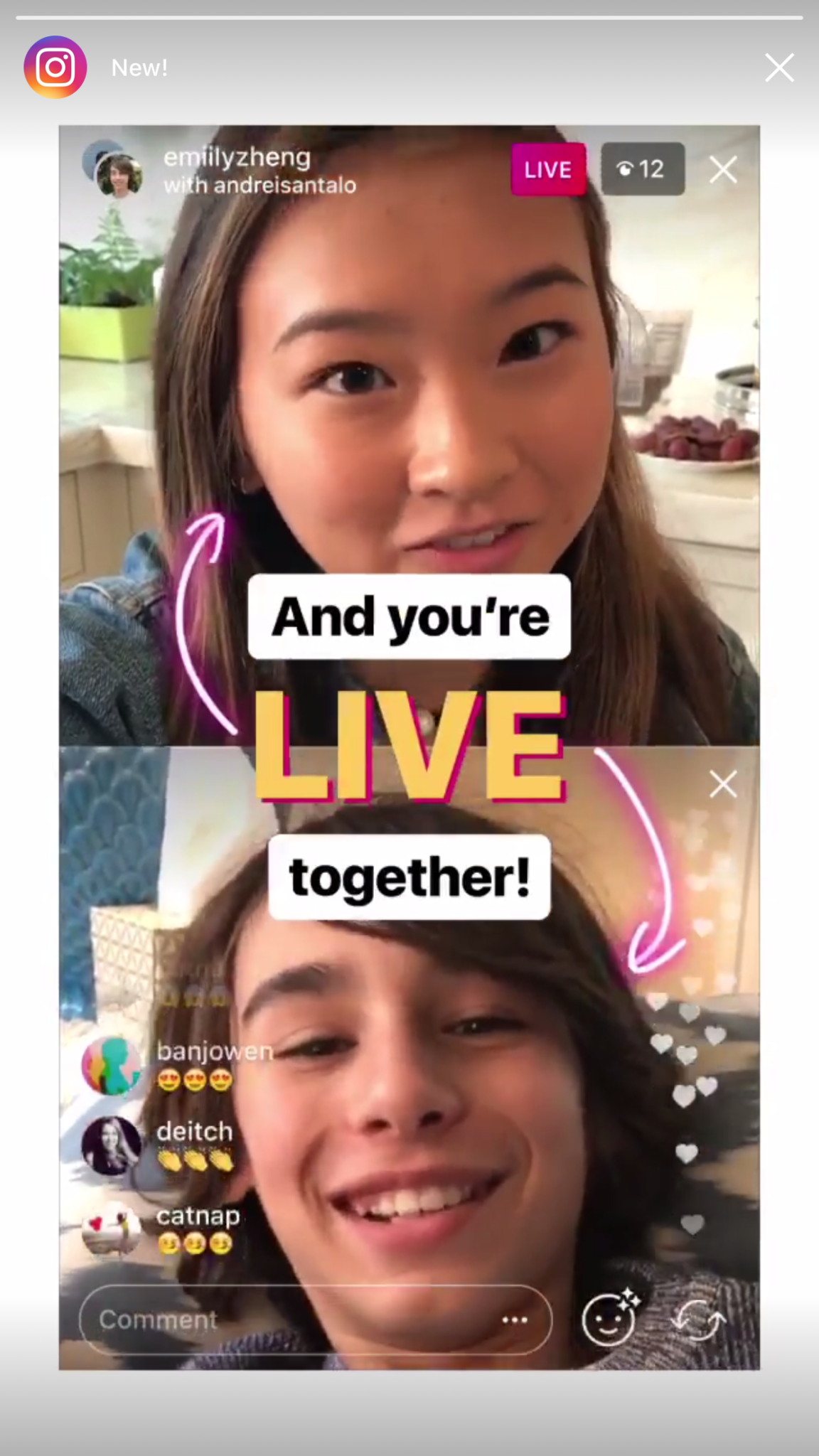
    Instagram released the ability to join a friend’s live story just a few weeks ago. The feature has gained some popularity but they’re hoping that the latest addition will make the Live story an even more integral part of the Instagram experience. The latest update allows audience members to request to join a live video on their friend’s Instagram. It isn’t as much an added feature as it is a streamlining of one they released previously.

    Being able to ask to join a live story will increase the visibility of many Instagram accounts and could cause users to spend more time on Instagram. That, at least is what the company is counting on.

    Youtube is soon adding a “stories” type feature of their own.

    The Story feed was started by Snapchat, perfected by Instagram, and flopped on Facebook. Now Youtube wants in on the action. Reels is Youtube’s answer to the latest social trend. This addition lets content creators create quick 30 second vertical videos to keep their followers updated on what’s happening. It lets vloggers and video creators make more content with less commitment.



    The biggest difference from the other Story features is that Youtube’s Reel videos will not disappear and they can make multiple Reel videos. Youtube has been trying to make their app more social and it’s obvious that Reels are a huge step in that direction. They haven’t announced when Reels will be released but you can count on the S.A.F.E. Family Tech Blog to let you know when they do.

    What Parents Should Know

    It’s always important for parents to understand what their kids’ favorite apps are capable of. For many of our children, Social Media apps are the most commonly used. These recent updates should help you be informed about what your children can do with these apps. My advice is always to download these apps for yourself so you can play with all the features. Talk to your kids about what the apps are best used for and what behavior you believe to be healthy or not healthy on social media. Use examples and share about difficult social experiences you’ve had that would have been even worse if they had been online. Strengthen your child’s sense of self-awareness and confidence to ensure they represent themselves in a healthy way online. Most of all, keep an eye on what your kids are posting on their social media accounts and continue to stay informed so that you can be ahead of the social media curve.

  • PODCAST: The Myth of Online Anonymity

    PODCAST: The Myth of Online Anonymity

    PODCAST: Michael talks about how to use blacklists and whitelists on your web filters, the polling app craze, and how the myth of anonymity is hurting our kids.

    Social Media Links

    Facebook: http://facebook.com/becausefamily

    Instagram: http://instagram.com/becausefamily

    Twitter: http://twitter.com/becausefamily

    Newsletter Sign-up

    Ministry Updates:: http://eepurl.com/R7Btr

    Weekly Blog Posts:: http://eepurl.com/cvnhXD

    Websites

    Ministry Site:: http://becausefamily.org

    Tech Blog:: https://safe.becausefamily.org

    Michael’s Speaking Info:: http://kmichaelprince.org

    Donate and Affiliate Links

    Accountable2You.com Affiliate Link: https://www.accountable2you.com/?code=19877592

    http://BecauseFamily.org/partnership

  • How Your Teen Uses Social Media Differently Than You

    How Your Teen Uses Social Media Differently Than You

    I’ll never forget when this mother came to me and asked me why her kid is using all of these different social media sites. “I can barely keep up with Facebook. How does she do it?” The answer is simple. Your kids use social media in a much different way than you do. All of their friends are there and they all use it in the same way. While you can’t be (and shouldn’t be) expected to change how you use your social accounts in order to mimic your teen; insight into how they see the social media world can go a long way to help you keep them safe.

    They Use Each Platform Differently

    Believe it or not, there is a different way to use each social media platform. Snapchat has a purpose, as does Instagram, and even Facebook. Your teenager understands these differences and most likely uses each one accordingly. Snapchat exists to stay constantly connected with your friends. They keep up their streaks (consistent daily messages) and share the details of their lives on the private posts they send their friends. They then post the more broad and appealing snaps publicly for all to see on their story. Their Instagram is all about public posting and putting their best foot forward. (Whatever that may mean.) Facebook, if they’re there at all is for sharing the stuff they want the authority to see. It’s considered the most public of their social media connections and they use it as such. While you may take a photo on Instagram and connect it to your Facebook, Twitter, and LinkedIn, your teens don’t do that much. Each platform has its purpose and is used in a way that it’s meant to be used.

    They Use It  to Meet New People

    Social media has long been a great way for some of us to keep in contact or make contact with old friends. When we meet people in person we quickly go follow them on their social media profiles. The opposite is often true for your teenager. Young people use social media to find and begin relationships with new people. There are apps dedicated to this activity, some of which will even let you randomly connect and video chat or send private messages to these strangers. There are no such things as strangers for your teens when it comes to their online activities. People on social media are potential new friends to them. It could be a sense of anonymity or security that comes from being online instead of face to face that causes this attitude but either way your teenagers are meeting new people on social media all the time.

    They Self Edit

    I think I used the phrase “best foot forward” earlier and that’s the truth. While some of us may air our dirty laundry or share prayer requests or complaints about what’s happening in life on social media most teenagers don’t behave that way. They prefer to put forward the best version of themselves, even if it is over filtered and made up. The masks and filters available on the cameras in their favorite social media apps give them the ability to doctor up their photos in such a way that makes them seem cuter, or thinner, or smoother complected. They write their descriptions to portray the same image. They’ll do their best to come up with the most clever caption for their photo or they’ll use the emoji that is the most popular and interesting to get the reaction that they want. The most common practice is deleting or archiving posts that don’t get enough likes. Not only do they edit themselves before they post, they’ll edit their entire account by only allowing posts with the most likes and comments to continue to exist. Young people use social media to portray the version of themselves they want everyone to think is truly them. This is probably one of the main reasons they live on social media.

    They Live There

    You probably remember when you started using Facebook or Instagram. You can probably go back in your photo archives and find the first few pictures you took with a Snapchat style filter or mask. For most of us, social media is something that we’ve added to our lives and we use it to document and share much of what we do in our lives. For your teen, though, the realities can often become blurred. Many teenagers live on or through their social media accounts. Since the version of themselves they’re showcasing on social media is the filtered and edited version, teens often prefer to experience that life to the one they live offline. When I speak to teens, I always remind them that their online lives and offline lives are one in the same but they rarely put that together on their own. Any thing that happens to them MUST be shared. Many times they’ll even make decisions about real life based on what it will look like when they share it online. They aren’t like us. We’re talking about digital natives, the world they live in is a gray area between what’s done on the internet and what is done every day in real life.

    What Parents Should Know

    There are many ways that teens use social media differently than their parents. These are just a few examples but they should be eye opening ones. The only way to help our kids understand the blurred vision they can often have is to gently advise them as to what is healthier. Have conversations with them about what they could do instead of worrying so much about how they represent themselves online. Help your kids build confidence by using your own words and actions to show them how much value they have. The generation of teenagers that are growing up today have a confusing road ahead of them and moms and dads (or aunts uncles grandmas and grampas) are the only ones who can help them unravel the confusing path they have to travel.

  • Musical.ly Updates Adds “Watch Next” Recommendations

    Musical.ly Updates Adds “Watch Next” Recommendations

    Musical.ly announced earlier this summer that they are going to be featuring original shows from networks like NBC, Seventeen Magazine, and Viacom. We’ve written before about how we don’t like their lack of age verification even though the CEO seems to think it’s no big deal. The lip-syncing video app’s newest update will put more previously unseen and original content in front of your kids. The updates include a “Watch Next” feature that will use what’s called “computer vision” to see what they are watching and make a decision about what other videos (original content or user generated) to recommend they view next.

    The No. 1 goal of the new app design is to make “a wide range of content more accessible,” Hofmann said. – Variety.com

    This update also includes a new look and feel to the app and some new ways to personalize your profile page. The most interesting addition, from a parental control standpoint, is the idea that an algorithm is going to be recommending more videos for your kids to watch.

    What Parents Should Know

    This feature isn’t entirely new to streaming apps. You’ve seen Netflix, Amazon, Hulu, and YouTube feature videos or shows that they think you might enjoy. Their recommendations are based on what you’ve been watching, just like those in the Musical.ly app. The concern, here, is some of what may be available on Musical.ly and the fact that most parents don’t keep an eye on what their kids do on the app. 

    I still don’t recommend parents allow this app on their kids’ and young teenager’s phones because of the lack of age verification. It’s still on our uninstall list and will remain there until they take the risk of predators contacting kids on this app more seriously.

  • Uninstall Instagram? Your Kid Can Still Use It!

    Uninstall Instagram? Your Kid Can Still Use It!

    Many of the tools parents use to protect their children depend on being notified what apps they have and are using most often. When it comes to social media, being able to monitor posts and direct messages is critical. Sometimes, finding something you didn’t want to see will result in forcing your child to uninstall the app from their device. Until recently, Instagram has been a social media platform that only allows users to post from within the app. Therefore, uninstalling was a good solution for parents who wanted to give their kids some sort of time out. Instagram has just updated their mobile site and it’s going to ruin everything.

    Instagram’s mobile browser update allows users to post photos and use the explore feature without having the app installed. This means that the most major features of the app are available. You still aren’t able to send direct messages through the mobile site, which is a good thing, but posting, viewing posts and accounts, and finding new accounts through search and explore are now accessible. This update is meant to give access to Instagram in countries and areas who have limited  access to app stores or network services. Being able to use Instagram without an app means that more and more people across the country and the world will have an opportunity to share pictures of their lunch or coffee.

    What Parents Should Know

    There is a simple way to monitor what your kids are doing on Instagram, whether it’s on the app or in the browser. I recommend installing Instagram on your own device and adding their account. Even if you have an account of your own, you can add another one and see everything they have been doing. Using the mobile browser will definitely affect your ability to “ground” your kid from social media but there are ways to avoid that to. Here are a couple of options.

    1. Remove access to browsers within the parental controls or restrictions of their device or your parental control apps.
    2. Put instagram.com on the blacklist in your filters or in the “red flag list” on your accountability software.
    3. Take the entire device from your child until the grounding is over. Make them use the family computer for any online activities they must do. This will really give an extra impact to the punish.

    Instagram isn’t inherently bad, of course. Just like any site or app with user generated content you’re going to find inappropriate content. These things can’t usually be filtered so monitoring what they are doing is critical. The most common issue is time spent on social media. Teens are spending upwards of six hours a day online and many of those hours are on some form of social media. If time is your concern, then a simple uninstall of the app won’t cut it anymore. You have to lock down some of the browser options as well. Otherwise, you’re only keeping them from a couple of the features of Instagram, not the entire platform.


  • Why Your Teen Posts Her Feelings On Social Media

    Why Your Teen Posts Her Feelings On Social Media

    I’ve seen them called “vaguebook posts.” It’s the status on social media that hints at some sort of trouble or drama but doesn’t go into detail. It can be annoying to see these things on our Instagram or Facebook feeds but sometimes they’re not just cries for attention, they’re cries for help. Teens are being taught (rightfully so) that it’s better to express their feelings than to hold them inside. Studies are showing that more and more young people are admitting to having bouts with depression, anxiety, and even suicidal thoughts. Social media has become a safe place for them to express how they feel. The problem is that it can often open them up for criticism and unwanted attention. 

    The 12-month prevalence of MDEs (major depressive episodes) increased from 8.7% in 2005 to 11.3% in 2014 in adolescents and from 8.8% to 9.6% in young adults (both P < .001). – Pediatrics Journal Study

    The reasons for these increasing numbers could be related to increased awareness of the symptoms of depression but regardless of the reason, they are statistics that parents should pay attention to. Mental Health professionals are championing more awareness and openness about depression and anxiety. They agree that being outspoken about how you feel can lead to prevention, early detection, and even increase the likelihood of sufferers getting professional help. The problem, however, may be that this transparency is happening in a public forum like Social Media. This is where parents come in.

    What Parents Should Know

    I am not a psychologist  or licensed counselor. I don’t have a professional opinion on the mental health of your teenager. I do, however, have a professional opinion of their activity on Social Media. As a family internet safety expert I see parents struggle to open the lines of communications with their teens. An emotional post on social media should be seen as an open door. There is no more important thing in the life of your young adult or teenager than the ability to be transparent with you about how they feel. If they are posting on social media about depression, anxiety, and especially suicide, it’s time to bring that conversation into a face to face meeting. Posting such transparent posts (even if they’re vague) on social media opens your child up to more bullying and harassment which could be what’s contributing to the problem in the first place. They should be advised to express those thoughts vocally to someone they trust.

    My advice is to start the conversation with your child even before you see any sign of depression. Ask them how they are doing and feeling. Ask them if they feel overwhelmed and if there is anything happening in their lives that you should know about. If you are seeing true signs of these depressive episodes then don’t hesitate to seek out a licensed counselor that can mediate your discussions with your teen. The world they are growing up in is very different than it was even twenty years ago. The standards that kids are asked to live up to are higher. Criticism is more public and the media is teaching messages that conflict with what many of feel is healthy for our kids to believe. This problem is real and it isn’t going to solve itself. We, as parents, have to step up and help our teens make quality decisions when it comes to their feelings and mental health. Take the first step today. Have a conversation.


    Sign up for our email list to get our family internet safety checklist and the Safe Blog Uninstall List.

    Get Our Latest Posts in Your Inbox

    * indicates required


  • PODCAST: Should I Follow My Teen on Social Media?

    PODCAST: Should I Follow My Teen on Social Media?

    Facebook wouldn’t stop talking about augmented reality, the Hooked app is super addictive, and should you follow your kids on social media?

    HUSHATHON :: http://becausefamily.org/hush

    Social Media Links

    Facebook: http://facebook.com/4pointfamilies
    Instagram: http://instagram.com/becausefamily
    Twitter: http://twitter.com/becausefamily

    Newsletter Signup

    Ministry Updates:: http://eepurl.com/R7Btr
    Weekly Blog Posts:: http://eepurl.com/cvnhXD

    Websites

    Ministry Site:: http://becausefamily.org
    Tech Blog:: https://safe.becausefamily.org
    Michael’s Speaking Info:: http://kmichaelprince.org

    Donate and Affiliate Links

    http://BecauseFamily.org/partnership

    Music by Kevin MacLeod at http://Incompetech.com