Tag: teenagers

  • What Parents Need to Know About the Latest Gaming Tech

    What Parents Need to Know About the Latest Gaming Tech

    Technology is a significant part of all our lives, but more so for our children. After all, they grew up in an era surrounded by technology. In fact, our previous post on what your kids do online found that most, if not all, older children are very much inclined to spend their money on tech, such as new smartphones, Netflix subscriptions, and finally, video games. If given the opportunity, younger children may be equally invested in these things as well. Here is what parents need to know about the latest gaming tech.

    Of course, that’s not to say that gaming is bad. Multiple studies have emphasized ways that video games can benefit your kids, from better coordination to sharper cognitive ability. But there are aspects that every parent should look out for when it comes to gaming tech, and we’ll introduce those in a bit.


    What gaming tech should you expect your children to be on now?


    Video games and technological advancements are heavily intertwined, and new technology comes and goes every year. This year, we’ve witnessed the next generation of consoles, with the newest Xbox and PlayStation coming out for the holidays. The metal core PCBs on these devices are built out of materials that allow for better heat dispersion, ensuring smoother performance even for high-end games. They also boast a lot of neat features like haptic feedback and motion-triggered 3D audio that aims to boost the gaming experience. Your children are definitely going to want one.

    However, with new technology comes new threats, and you have to pay attention to what they are doing if you want to ensure they game safely.


    What should parents be wary of?

    Data Privacy


    Users give a lot to access online gaming stores, such as birthdates and mailing addresses. The former is there to check the age of the user, which is needed to block them from certain games until they’re older. Mailing addresses are asked so the system can accurately compute for taxes when the user buys a new title. Both are equally dangerous when exposed. It’s highly encouraged that you get physical copies from your nearby GameStop or Best Buy instead.


    “Always On”


    Since much of the modern consoles’ features are tied to the Internet (such as streaming, social sharing, and online play), they will always have the option to have their built-in wireless connection turned on automatically. While this is convenient, it could also leave your kids vulnerable to breaches. Since a lot of games are single-player, have them turn off this feature when they don’t need to be connected to the Internet. This will lessen the chances of someone hacking into the console.


    Motion Tracking


    As mentioned, upcoming consoles will have a feature called motion-triggered 3D audio. This is where the console tracks the user’s movements so that the game’s sound is projected to where they’re seated. The biggest downside to this is that the game will ask for permission to track human movement in your house, which you shouldn’t give. Turn off this feature when it comes. If your kids want to experience 3D sound, you can always have them plug in some earphones.

    Protecting your kids is not about taking them away from things that you deem dangerous. This will only make them want more, sometimes going behind your back to get them. Instead, support their hobbies. Work with, and not against them, to thwart the dangers that they pose.


  • The Worst Thing About CES2020!

    The Worst Thing About CES2020!

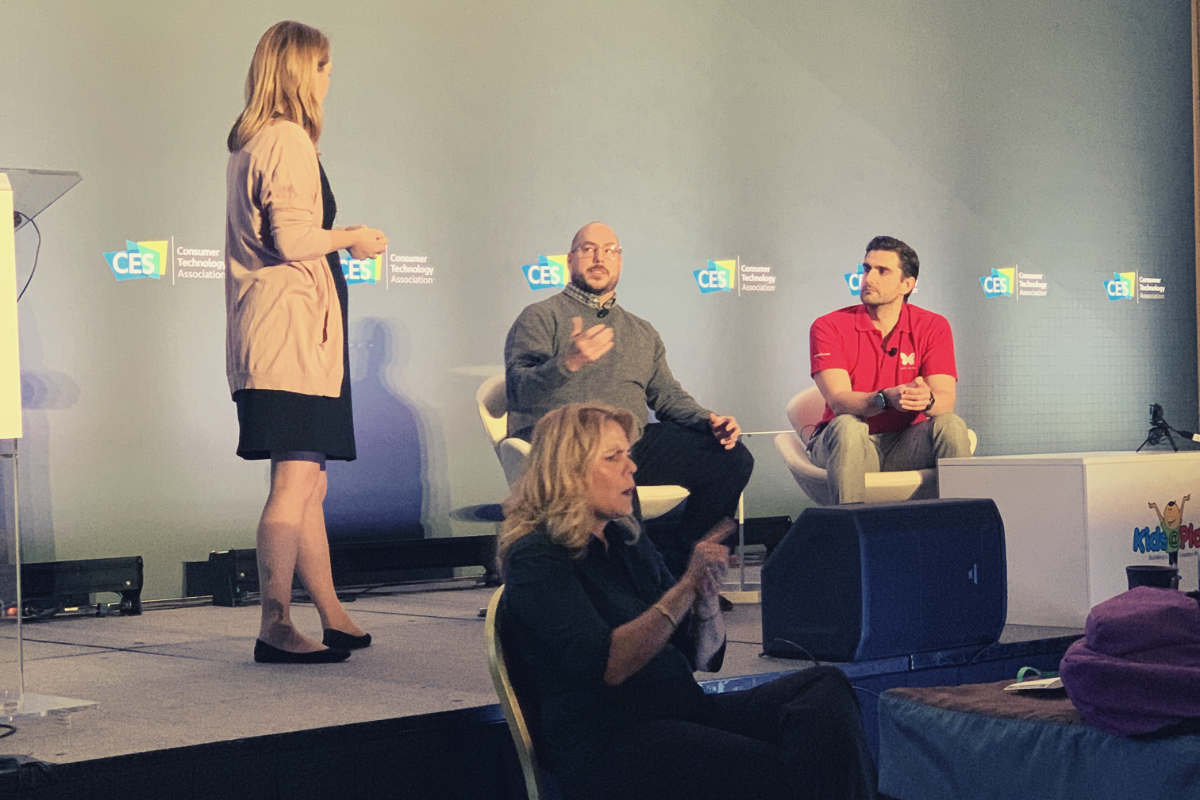
    I spent five days walking around the show room floor and attending conference sessions at CES2020. It is the largest trade show in the world. I saw all kinds of technology from smart cars, smart homes, and toys and ed products for kids. These people are why I am at CES. I’m there to learn how their products can benefit our kids in the future. Tech is super helpful and useful as a tool for education, entertainment, and development. Many kids are learning in ways they couldn’t before, children are getting opportunities they didn’t have before because of vr and ar classrooms. Technology is and always will be a part of our lives. The world is getting more and more tech-centric. The worst thing about CES2020 seems to be that parent’s concerns about the amount of tech in their kids’ lives are being ignored.

    The Worst Thing about CES2020

    I heard a lot of mixed messages at CES this year. Especially at the Living at Digital Times “Family Tech Summit.” It has become increasingly frustrating to listen to software developers and hardware engineers talk about how their new technology is going to change the world. While much of this technology is very neat, and as mentioned, can be helpful. There are also a small percentage of people on the stages at CES warning us that our kids are becoming too dependent on this technology. Parents and teachers are getting concerned because they feel like technology is moving far faster than they can keep up. The experts at CES don’t seem to understand the anxiety caused by new, “world changing,” technology being announced every single year.

    Most technology being announced at CES is a new take on the same thing we’ve had for the past ten years. I am walking in to the Family Tech Summit expecting to hear about what new products will be best for our kids. Instead I am hearing what will be best for these developers and companies. How to market and close sales with their new products. I did hear from a few people about ways to protect our kids on the technology we allow them to use.

    Unfortunately they were given a small amount of time. They were followed by someone who just got on stage to celebrate the latest voice control tech. This “expert” explained how great it is for our kids. He marginalized parents’ concerns by calling them misguided. then he touted the fact that parents seem to be concerned but don’t take action to protect their kids. He ignored the fact that companies make their products and advertise them as safe. They build in parental controls that are weak and hard to set up. Then they wonder why they show up in the news when a kid comes across adult content on a smart speaker or is visited by a stranger on their in-room nanny cam.

    It wasn’t all bad.

    There were highlights at CES2020, though. Dr Amanda Gummer with the Good Toy Guide, spoke of using tech to encourage kids to play and learn. Sean Herman, author of “Screen Captured,” shared about his own kids and how their attention to screens caused him to start Kinzoo. Kinzoo is a messenger app that “turns screen time into family time.” I met Carrol Titus, founder of GoldenPoppy Inc. who is making augmented reality games to teach physics, programming, and positive self awareness. I enjoyed speaking with Ahren Hoffman and Sue Warfield from the American Specialty Toy Retailing Association, “ASTRA.” We talked about the lack of attention to giving parents tools to learn and use tech wisely and the benefits of kids playing off of screens. Especially young children.

    Everyone can say what they want about screen time and the benefits or risks. The truth I see is ‘that technology should enhance our play and education. It shouldn’t replace it. Parents aren’t freaking out because their kids are spending too much time watching educational videos. They’re not concerned about them playing apps that teach them to read or do math. The concern is the unstoppable flow of entertainment that comes flying at our children at toy stores and app stores. Entertainment that has no intention of teaching anything, just using up your child’s time and attention to show them ads or sell them access to more entertainment. I understand that many want to see tech become the new norm for education, recreation, entertainment, and everything else.

    The issue is that we currently aren’t promoting balance. Surely not at CES2020, definitely not in our app stores or on the shelves of our retailers. Once again, it falls to us as parents to take the step towards a healthy attitude toward s tech. Digital wellness is our responsibility and the more I hear from app developers and toy makers, the more I am sure they won’t be taking it seriously, not really, so we have to.


    If you’re concerned about what your kids are doing online, be sure to check out Accountable2You.com. This software is my favorite accountability software and will help you keep a close eye on the websites your kids view.

  • YouTube’s Children Privacy Policies Causing Content Creators to be More Crude in their Videos

    YouTube’s Children Privacy Policies Causing Content Creators to be More Crude in their Videos


    I am an avid YouTube viewer. I get most of my entertainment from the video streaming service, watching gaming videos, D&D streams, and educational tutorials. I have noticed a trend since YouTube changed its policies for creators to be more responsible for their channel’s content as it pertains to advertising to children. 

    Since YouTube cannot collect viewer data from videos that are intended for children, the company has asked creators to label whether their videos are for kids or not. They are also using an algorithm to view popular videos and identify the content as meant for kids or not meant for kids. This algorithm has content creators concerned for the viability of their channel. This has caused them to be more blatant with crude content and swearing in order to make it very obvious to this algorithm that their video is not meant for children.

    One YouTuber that I enjoy watching, partially because he isn’t overly crude, has been starting his videos with strings of swear words and jokingly saying “This video isn’t for kids YouTube, just be aware, not meant for children.” One of the reasons he feels the need to say this so blatantly is because he plays video games on his channel that may appeal to children. The images of the game alone could lead a person or artificial intelligent software to believe the video was made for children even though that isn’t this creator’s main target audience. Another YouTube content creator that I know has lamented on social media that his channel, which is family-friendly, has lost hundreds of dollars monthly in revenue since YouTube changed their policies. 

    SirWillow is a Family-Friendly YouTube Channel with nearly 30,000 subscribers and over 4 and a half million views.

    1. Would you be willing to tell me a percentage your ad revenue went down when YouTube changed their policies?

    I’m still waiting to see how it all sorts out, but right now in my case I’m looking at about a 30% drop, but it’s in a state of flux. What will be telling will be the end of January when the full force of the new policies kicks in.

    1. How have the changes to the ad policy changed your process for making videos?

    In my case, it hasn’t changed any of my process.  But I may not be the norm in that regard. I know several that do YouTube “full time” and for them, it has meant some drastic changes.  I know at least one that is likely going to shut down, another is cutting back on YouTube to increase time in other projects. For me, it’s been a hobby that has brought in a part-time job income, and while the income has dropped it’s still going to fit the same role.  It has meant a change in how many videos though. I am cutting back my production some from 10-12 videos a month to closer to 7.

    1. Your videos are “family-friendly.” Do you think that YouTube is becoming a less friendly place for families in general or is it mostly up to creators?

    I absolutely think YouTube is becoming less family-friendly, and these changes are going to directly impact that and make it worse.  The changes are going to pretty much destroy financial benefits for anyone producing kid-focused videos, and there are a lot of family-friendly channels that are going to get caught in that backwash and cut back or stop producing. It’s also going to be harder to find kid and family-friendly videos because of all of the blocks that will remove them from the normal algorithms that recommend videos.

    And there are a number of producers who have, as you mentioned, increased cursing and crude language, along with images and subjects to make it clear that they aren’t “kid-focused”  It’s going to make it hard to find, and hard to produce and make money, kid and family-friendly content.

    My thanks to SirWillow for answering these questions for me. He does videos about theme parks and what it has been like working at theme parks. Go check out his channel!

    What Parents Should Know

    It should be very clear by now that YouTube isn’t intended for children. It is becoming harder and harder for people who make videos for kids to sustain a profitable channel on the site. This is causing some different reactions. Some kids’ channels are switching to a subscription method where you can sign up to pay monthly for more content from them. Others are changing to Facebook or Twitch because of their less strict ad policies. 

    The only real way to be sure your kids aren’t watching videos that aren’t intended for their age is for you to control what they are viewing. Legally, our young kids (under 13) are supposed to be using only apps intended for their age group. The legal responsibility, however, doesn’t fall to our kids or even us as their parents, it falls to the company. Hundreds of millions of dollars worth of fines have been handed out by the FTC for companies illegally collecting data from children. They are being investigated and forced to make changes. The changes seem like they should be good for the safety of our children but so far they are only truly helping protect the company from the repercussions of disobeying child safety laws.

    When the safety measures protect only from advertising info being collected, they may be intended to protect children but in practice, they seem to be increasing the volatility of the content on the service while only protecting the service itself. Parents are the only true guardians of our kids’ hearts and minds. The only way to protect them from adult content and crude language on the videos they watch are to take responsibility for their screen time ourselves. Here are some tips:

    • Only allow screens in a public area. 
    • Limit headphone use so you can hear what they are watching.
    • Build playlists on YouTube to ensure they are only watching videos meant for kids.
    • Use apps like PBS Kids or DisneyPlus to keep them watching family-friendly videos.
    • Use YouTube kids instead of YouTube; while not foolproof its a far better option than basic YouTube. 
    • Limit the amount of time watching videos; the more time spent on YouTube the more chance of coming across inappropriate content.

    Parents should take the steps necessary to protect their children online. Companies should be held responsible for their advertising practices and the content on their sites and apps but the responsibility for protecting our children falls strictly to parents. When the measure taken by companies to protect kids backfire by causing creators to lose money unless they swear, use violent and sexist language, or show adult images on their videos, the measure don’t protect our kids, they make the app more dangerous. Parents are the gatekeeper. Protect your children. 

  • Family Tech News From Apple’s Developer Conference

    Family Tech News From Apple’s Developer Conference

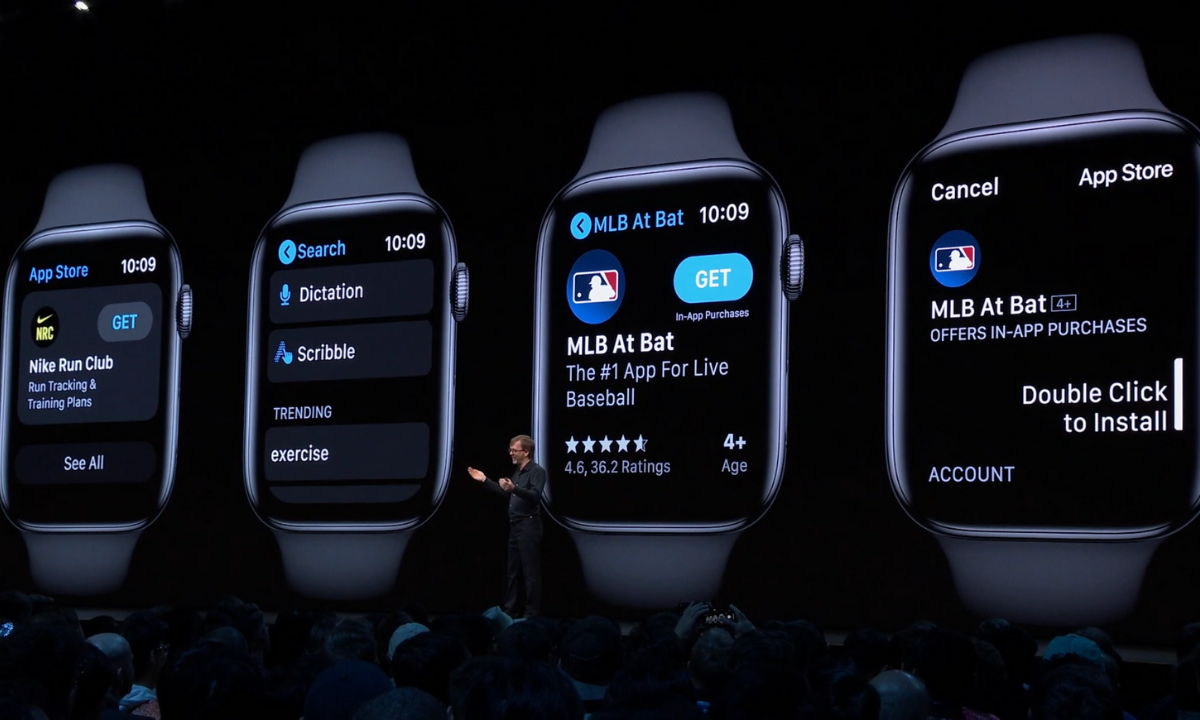
    WWDC was held last week at Apple’s Headquarters in Cupertino, California. Every year, the tech giant hosts a conference for developers and media from all over the world. The company’s Project Managers and Chief Officers all take their turns on stage to discuss what they’ve been working on over the past year in order to increase the hype around Apple’s products and software. Much of what is announced at WWDC targets developers and “tech-heads” who can’t wait to find out how to make apps for Apple products or what the next big thing is going to be. Some of Apple’s new feature’s however could bring some peace of mind to parents. Here is a break down:

    Apple TV+

    Apple’s streaming video device has been great for viewing other services but Apple’s streaming service itself has been lackluster. One thing that has been missing for a while is the ability to make separate accounts or profiles for viewers, including children. Apple announced at WWDC that this is changing. They are making it possible to create profiles for every member of your family. Your viewing history and suggestions will be sorted according to your accounts and best of all, your recommendations won’t be overloaded with shows that your children love to watch.

    Apple Music/iTunes

    iTunes is officially no more as Apple will be separating iTunes offerings into multiple apps. Books, Podcasts, and Music will all be separate now on the MacOS. When you plug in your iPhone to sync with your Mac, nothing will happen. Your phone will sync in the background. It has become pretty apparent that most folks don’t need software to manage their music collection. Streaming music has taken over and iTunes wasn’t very good at that job. Apple Music is taking over the music service and Podcasts is mainly accessed through the mobile app, not on desktop.

    iTunes has been around since 2001 and while there are those who have become used to the software, most have been aggravated by frequent updates and overuse of computer resources. Apple is likely accurate in thinking the software won’t be missed by very many people.

    Apple Arcade

    Apple is also working their way into the video game streaming world with Apple Arcade, due to release this fall. Apple Arcade will consist of a series of exclusive games made just for their system and will be playable through your phone, tablet, Mac Computer, or Apple T+. They have a controller that you can use with AppleTV but are adding support for Playstation 4 and Xbox One controllers as well. The 100 or so available games are a bit weak looking but they are sure to find some developers who are willing to put out some quality content for Apple before too long. They’re going to have to in order to compete with Google’s Sadia and the new service coming soon from Sony and Microsoft.

    iOS 13

    Probably the most relevant of updates from WWDC has to do the Apple’s latest smartphone operating system, iOS13. The software boasts a new dark mode, faster app launches and downloads, faster Face ID unlock, and a new (to Apple at least) “swipe” style typing system.

    Dark Mode is cool and faster downloads and unlocking features are great but the iOS update doesn’t really have anything going on that is relevant to parents besides their focus on data security. More on that below.

    Photos and Video

    Photos in iOS13 is getting an overhaul as well. With the ability to pinch to zoom in your galleries and a new sorting method that groups photos together based on the date they were taken. Photos will also include a new smart gallery that will remove images like screen shots from your view, only showing the photos you’ve taken with your camera.

    Privacy is a Key Theme

    Every update at this year’s WWDC had privacy as a key theme. Directors and Developers mentioned over and over again what Apple does and doesn’t do with your data. Apple Maps uses encrypted data to help you find your way, the photos app does its date and location tracking locally, and they even mentioned a new “Sign in with Apple” that allows you to sign in with your Face ID and create accounts with individual dummy email addresses.

    Data security and privacy has been in the news a lot lately and Apple has been very vocal about their desire to keep their user’s information secure. Whether it is a direct attack against other tech companies who have made most of their money by collecting and selling data or just an honest desire to maintain their user’s trust, the result should be a bit more confidence that your information is safe if you are using their products. I always advise, however, that you continue to make efforts to protect your own privacy. Be careful what you share online. Turn off location access to apps that don’t require that information to work properly and most importantly, teach this approach to privacy to your children.

    You can listen to this article as a podcast on Family Tech Update.
    You can subscribe on Stitcher, Spotify, or Apple Podcasts using the links below the player.

  • Indian Agencies Ask for Removal of TikTok from App Stores Citing “Pornographic and Illicit Content.”

    Indian Agencies Ask for Removal of TikTok from App Stores Citing “Pornographic and Illicit Content.”

    The Ministry of Electronics and Information Technology in the country of India has asked Apple and Android to remove Tik Tok from their app stores due to pornographic and other inappropriate content. The statement says that the app encourages illicit content. This comes just months after being fined by America’s Federal Trade Commission for improperly managing data collected from users in their young target audience.

    TikTok, managed by Chinese company Bytedance, has hundreds of millions of users and features user generated lip-sync, livestream, and other short form videos. The app has come under fire from many child protection agencies because of their lack of age verification and limited parental controls. The app is most popular with kids under 20 and mostly with girls. The app is wildly popular with kids under the age of 13 but it isn’t likely that stats will show that demographic since most who sign up say they are over 13 years old to line up with the company’s terms and agreements.

    Tik-Tok Under Fire as Study Finds 25% of Kids Talk to Strangers Online

    What Parents Should Know

    TikTok is another example of user generated content getting away from the company who is supposed to manage that content. They say they are doing all they can and boast how many videos and posts they’ve removed due to violations, all the while more illicit content is being uploaded by new accounts. While these companies play catch up our kids are the ones seeing the inappropriate videos that haven’t been flagged enough yet and being contacted by the creepy predators who’s accounts have yet to be removed. As I often say, the responsibility falls to parents to protect our kids from this content.

    You have to ask what it is, besides the sheer scale of numbers, that makes it so difficult for companies to get a handle on this. These issues continue to flare up yet the companies continue to grow and growth is ultimately the goal. Growth means money. Companies need more users to grow. More content will earn you more users. So perhaps they try to remove as little content as possible because it is easier to ignore the illicit and pay the bills than take a stand to protect your users and possibly slow the growth of your company. 

    Parents have to be aware of what apps their kids use. We should know when they are live-streaming or posting videos of themselves. We should follow their accounts and see what everyone who follows them see. If they won’t allow you to follow them you shouldn’t allow them to use the app. It’s really simple. Tic Tok, Snapchat, Instagram; none of them exist to keep your kids safe, they exist to make money and only take steps toward security and privacy when not doing so may hurt their bottom line. Parents have to stand up, not to these companies, but to our kids, and tell them that our goal is safety and health. Then set the right example and work with them to have the right attitude about our time on social media and other tech. You can do it! We’re here to help you.

    Listen to this article as a podcast below:

  • Snapchat’s Social Gaming = More Time on Social Media

    Snapchat’s Social Gaming = More Time on Social Media


    It has barely been a year since Snapchat joined Facebook in a movement to help people better manage the amount of time they spend in the social networking apps they develop. Snapchat added the ability to silence notifications from certain conversation and redesigned their app to be more about time with your friends and less about time in the app. Yesterday, however, CED Evan Spiegel announced their new focus on Social Gaming and several new original video series citing a new way to keep young people in their app even longer. 

    The games featured you and your friends’ Bitmojis. In them you play silly games that include pool toy fights, field goal kicking, and keeping your Bitmoji atop a spinning record as your friend DJs for you. In the announcement Spiegel says “On Snapchat, you’re free to be you, with your real friends. As we use the internet more and more in our daily lives, we need a way to make it a bit more human.” Apparently the idea is that as social beings, we need to hang out and since we are all spending so much time on our smartphones, Snapchat wants to be the place your kids hang out in.

    Facebook and Snapchat Join the “Time Well Spent” Movement


    What Parents Should Know

    I have said it several times before, we can’t blame tech companies for wanting people to spend time on their software, that’s how they make their money. Quotes from this announcement boast of a place that people can be themselves, obviously what they truly are creating is a place where we can spend more time, see more ads, and make Snapchat and its shareholders more money. No matter what social media companies say about time well spent, privacy, or security they are protecting their bottom line. They have shareholders that they must impress with the numbers so that’s what shapes their decisions. Knowing this helps us remember that the responsibility for healthy tech use falls to users, and our kids’ tech health is the responsibility of parents.

    Talk to your kids about the amount of time they spend on social media. Don’t allow them on social media that is rated higher than their age. Teach them not to expose sensitive information like their phone number or the name of their school on these apps. Finally, use some sort of filter or time management software to help you enforce your standards. Parents are the first line of defense against the dangers of unlimited and unmonitored internet use. We have to take on that responsibility because nobody else truly will.

    You can listen to this post as a podcast episode below.

  • How Can Artificial Intelligence Protect My Family?

    How Can Artificial Intelligence Protect My Family?

    How AI Works

    When you think of artificial intelligence it’s natural to imagine Skynet or some similar software that is running things for us some day. While that could be the overall goal someday, right now AI is nowhere near that smart. Currently artificial intelligence isn’t intelligent at all. While it does learn from the input that is fed to it, there is currently no way for AI to decide what it needs to learn on its own. There is a very large gap between software algorithms that can learn and an intelligent software that makes its own decisions.

    At CES in 2018 I watched a robot named Aeolus glide across a room cleaning up. It took it a solid three minutes to move from one side of the makeshift living room, reach down and pick up a wii remote, and roll to the table to set it down. It was nothing like we have been promised by television and movies but I guess it was still cool. What parents should understand is that while the developers of an AI can make promises of their algorithms learning and behaving as if they have intelligence, that is not the same as being actually intelligent. Humans still have to do the thinking.

    While it isn’t foolproof and is definitely not sentient, artificial intelligence is a good tool. There are many ways AI is useful and much of the latest hardware and software use AI  to do some of their most minor functions. Here are some of the interesting ways AI can make your parental control and accountability tools even better.

    Filters

    There was a day when an internet filter depended solely on the web or ip address of the site you were visiting to tell if there would be inappropriate content or not. There was a master list that had to be updated continually with new websites and key words. AI is different than that because the filter is based on images and other content that the AI was “fed” over and over again the algorithm then detects actual images, text, and videos on web pages instead of just the address of the site you are visiting. This can be helpful if a website doesn’t typically contain adult content but a certain article or comment section features material that would cross the line. A traditional filter couldn’t catch that but one that uses an AI can.

    Circle (meetcircle.com) and NetNanny (netnanny.com) are examples of filters that use smart algorithm to block web content.

    Accountability

    Accountability software works very similarly to filters except that when it sees something inappropriate it will not block it but alert whoever is on the list to alert. AI has revolutionized this sort of software because it allows parents to receive only lists of unwanted sites instead of having to sort through everything that has been viewed by the person they are keeping accountable. The software I recommend, Accountable2You (accountable2you.com promo code BecauseFamily,) is updated constantly to allow it’s algorithm to properly and effectively scan for adult content. It works very well. You may get occasional alerts for content that shouldn’t be considered adult, but it’s not too often and it’s worth it for the peace of mind.

    Privacy and Security

    Finally, when we discuss AI and algorithms we must talk about privacy and security. Algorithms may have been the beginning of many of our privacy problems but it may also be providing some solutions. Tools like BitDefender can be used to protect your home network. The AI can tell the difference between forgotten passwords and malicious login attempts. Our home networks are becoming increasingly worthy of being targets of hackers and encrypting your web traffic with AI can protect your from that kind of attack.

    I hear a few different reactions when I talk about artificial intelligence. Most people roll their eyes or glaze over because they aren’t even interested. It’s some tech term that they don’t think they can fully understand so they’d rather not talk about it. The other group is super interested, always wanting to learn more about it and understand it better. These are my nerd friends. I love them. Finally there’s the group that just freaks out. They immediately think of the movies and tv shows and just want to move into the woods and unplug. Which person are you? Are you willing to let AI work to your benefit in your family? Is it all too much for you? Let me know in the comments below.

  • Great News if Your Teen Has an Android or a Chromebook!

    Great News if Your Teen Has an Android or a Chromebook!

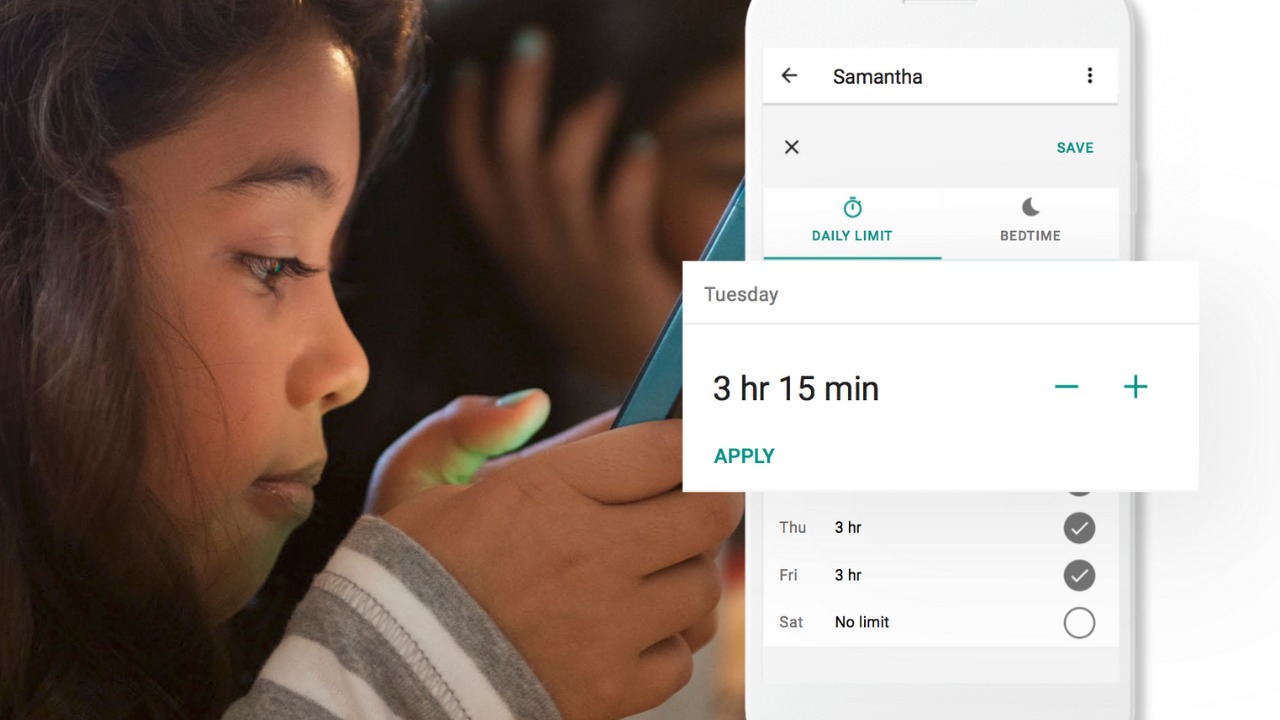
    Android Family Link was released last year to some success. The features are good enough and being able to change kid’s settings from your own phone is super helpful. There were some downsides, however. One of which was that it was geared mostly towards younger kids. That has changed today as google announces features for Teenagers in the FamilyLink app. 

    Android FamilyLink allows you to

    • Approve your child’s downloads and purchases from Google Play and limit the visibility of content in the Google Play Store based on maturity ratings
    • Manage settings such as SafeSearch for Google Search
    • Review your child’s app permissions on Android, such as microphone, camera, location, and contacts access
    • Change the content filtering setting and turn search on or off in the YouTube Kids app
    • Reset your child’s Google Account password
    • Set screen time limits on your child’s Android devices
    • See the location of your child’s signed-in and active Android devices
    • Manage the activity settings for your child’s Google Account
    • Allow a second family member to exercise most of the same controls you have over your child’s account.

    The features for teens adds the ability for your teen to disable the FamilyLink supervision setting. You will be notified if they disable it but the option is still there. 

    Chromebooks

    Schools all over the country are giving their students Chromebooks. The parental control options for Chromebook have been severely lacking for several months since Google disabled the Supervised User feature. The reason they ended support for Supervised User is to make room for FamilyLink and it’s finally here. 

    FamilyLink will soon give you all the same controls on Chromebook as you have on mobile devices. Right now you can only change account settings and content filters. Soon there will be screen time and app store management as well. 

    What Parents Should Know

    FamilyLink is a good parental control solution and it’s only getting better. They’ve added some good features and options for your older kids is also a good step. Issues I’ve had with FamilyLink in the past are the weak filter (currently only as good as Google’s Safesearch) and issues with backwards compatibility. They still recommend your kid’s device run Android version 7 or higher while some devices running Android 5 or 6 may work with FamilyLink. 

    I like what FamilyLink has to offer by way of screen time management and app store controls. A major problem parents have with Android is the ability to download apps outside of the app store. They control what their kids see on the Google Play Store but children can download things from outside the app store sometimes. Many parents don’t know how this is done and how to stop it so it poses a major problem. 

    The ability for teenagers to disable FamilyLink is kind of moot since it notifies parents. That makes me wonder why it’s put there in the first place. Perhaps to give teens the illusion of control or freedom since that’s something the adolescent desires more than anything. If you use FamilyLink for your teenager be sure to let them know you’ll find out if they disable it. The filter is kind of weak and there is no way to monitor messaging or get alerts if negative content has been viewed. I recommend a good accountability software for this. Get something that will work for phones and Chromebook. It’s critical that you know what your kids and teenagers have seen online and what they are doing. This allows you to have conversations with them about their decisions and the dangers and risks involved. 

  • Common Sense Media Releases Six Year Study on Teens and Social Media

    Common Sense Media Releases Six Year Study on Teens and Social Media

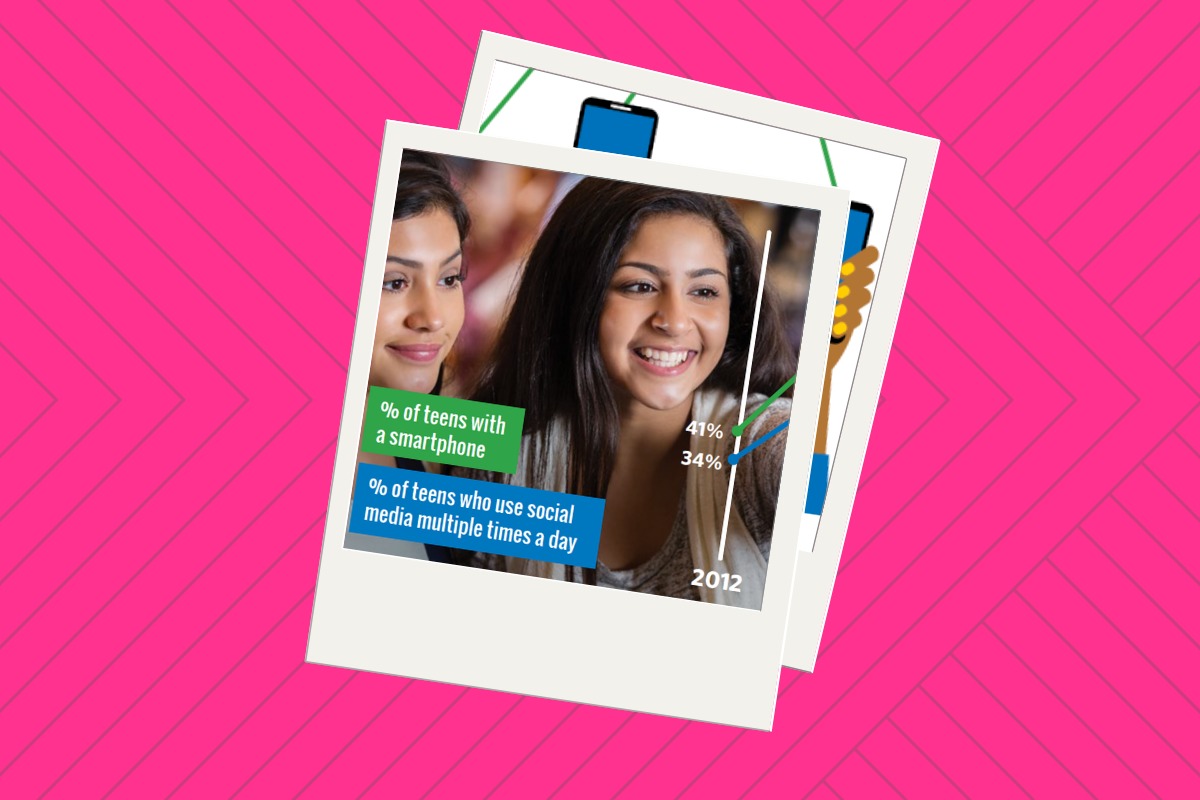
    Non-Profit research and resource organization, Common Sense Media, released their six year study of teenager’s use of social media. The survey based study polled more than a thousand teenagers from ages 13-17 and from all walks of life. Some of the results were surprising while most were exactly what you’d expect.

    In the video above, I walk through some of their findings and my thoughts on them but I’ll list some of the highlights below:

    Teens use social media now more than ever before.

    Put this down in the not surprising category. The study found that there was a large increase in the number of teens who say they use social media in 2018 compared to 2012. Also, Facebook isn’t as commonly used by teens as it was six years ago with Snapchat and Instagram being the favorite of most of those surveyed.

    Social media is very important to most teenagers.

    Also not surprising is that many teens aren’t too good at self regulating their device usage and that many prefer social media interaction above face to face.

    Social media plays a critical role in the lives of most of those polled in this study. They agree that there are positive and negative affects but most feel that there are more benefits to their social media use than negative impacts. Those who were considered to have a low “social-emotional well being” were found to have more negative impacts from social media and most of those impacts were from bullying, racism, and sexism. Also not surprising is that many teens aren’t too good at self regulating their device usage and that many prefer social media interaction above face to face.

    Teenagers are wise to tech companies’ attempts to manipulate their users.

    A large majority of teens say that they believe tech companies manipulate their customers to encourage more device use. They admit that, sometimes because of this, they are often distracted by their devices when they should be doing something else. Many say that digital obsession is a problem for their parents as well. Also, quite an eye opening find.

    What Parents Should Know.

    Social media isn’t a phase and it is not something that you can keep your kids from forever. The most important thing is that when they begin to log in to social media accounts, they have an idea of what it means to do so safely. Model healthy social media and technology use for your children and try not to be hypocritical about your screen time limits. Talk to your kids about the time they spend online and let them know that they can come to you when something inappropriate or dangerous happens. 

    Know your child and if they seem to be the type who would be affected negatively by the use of social media then you shouldn’t allow them to use it. Encourage more face to face interaction with their friends and facilitate that with rides and your schedule. Finally, know that social media is a serious topic for your teen, a negative attitude that lacks any empathy to that fact will cause your advice to fall on deaf ears. Speak to your kids about healthy tech use and let them know this is a partnership, not a dictatorship where what you say goes and they’ll have to obey because you said so.

  • What’s With Kids Watching Other Kids Play with Toys?

    What’s With Kids Watching Other Kids Play with Toys?

    It was originally called “unboxing” and it’s not new. Tech nerds have been watching online videos of other people open and try out products for more than fifteen years. YouTube coming in 2005 aided in a surge in popularity in the unboxing genre, which is now one of the most popular categories on the video streaming site. What has taken parents by surprise recently is how much their own children like to watch other kids play with toys on YouTube.

    Companies are lining up to have kids play with their products on their YouTube channels and many of these channels are receiving marketing deals to add to their hundreds of thousands of dollars per month of ad revenue from YouTube itself. One such channel, “FunToys Collector Disney Toys Review” has more than ten million subscribers and is estimated to have made over $550,000 so far in 2018. Often (but not always,) these YouTube stars are often given toys to open for free. They usually have to post a notice that they received products for the video, but viewers don’t care. They just want to see what the latest toy can do outside the box.

    These videos can serve a purpose, however. They allow us to see what products are like before we buy them. Many people admit to watching review videos online before deciding to make a purchase. We read Amazon reviews to help us decide which vacuum we want to get. These toy videos can help parents weed out toys their kids may think they are interested in until they see them unboxed and used. Unboxing is one thing, but what about watching other kids play with the toys, is that weird?

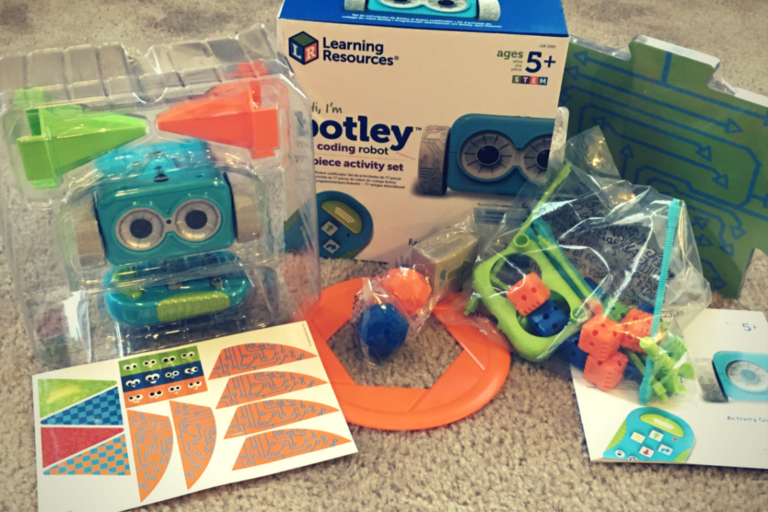
    Check Out: Botley the Screen Free Coding Ed Robot Product Review

    Our desire to see people use things we don’t have isn’t reserved only for children. We watch reality shows about the drama in the lives of the richest members of our society. There are entire channels dedicated to people buying extravagant homes and their popularity is driven by the desire to see others who have what we cannot or have not attained. We sit and watch shopping infomercials, never buying anything, but watching how the items can be used. Lets Play videos and eSports also speak to this need, allowing video game fans watch games perform at higher levels and maybe even play games that fans aren’t able to get their hands on right away. It’s a form of entertainment and it meets what some psychologists say are critical instincts that are within all of us.

    Memetic Desire

    At the risk of sounding like a neuroscience and psychology nerd, I’d like to explain some of the instinctual foundations of our love for unboxing and product demo videos. Memetic desire is the type of longing that comes from seeing someone else enjoy something. When you order the salad and your date orders the cheeseburger and you just have to have a bite is an example of memetic desire. The burger didn’t sound good when you were ordering but seeing your date enjoy it made it irresistible. The popularity of these videos is likely due in great part to our memetic desire. Watching someone open up the next iPhone will create in us the desire to obtain that device for ourselves. It’s normal, and it isn’t even too bad of a thing as long as it doesn’t turn to jealousy.

    Memetic desire can breed discontentment. For this reason we should be careful with what attitude our kids enjoy these unboxing videos. Are they loving watching someone else play and use their imagination? That’s all well and good. If they are watching and then demanding that you allow them to go purchase that toy, there is the problem. There haven’t been any studies to ascertain any danger to allowing your kids to watch unboxing and product review videos. If there is any risk, it’s likely based on the personality and behavior of your child.

    The best advice that experts give is for you to monitor and limit screen time. Whether they are watching someone play a video game, playing a game themselves, watching toy demos, or even watching a PBS show about math, too much screen time rewires the brain in an unhealthy way and should be avoided. If your kids are watching these video too much, the reason is simple. You are allowing them to do so. You can be the parent, use your knowledge of what these videos are all about and the amount of screen time that is healthy (usually an hour or less per day) to set boundaries for your kids. Use tools like unGlue or Accountable2You to keep track of the time spent on their devices. Take responsibility for your children’s online activity and you’ll create a safer and healthier environment for them to grow in.