Tag: tech

  • The Family Tech Blog Needs You

    The Family Tech Blog Needs You

    As you make your #givingtuesday plans please consider BecauseFamily. As a small startup non-profit I can guarantee that your donation goes to help us protect kids and teens by bridging the technology gap between them and their parents.

    No VP or CEO pockets to line with cash, no big fancy expensive parties or fundraisers to finance. Just a guy doing his best to spread the word about the importance of screen safety for our families. Please donate and share.

    Visit becausefamily.org/partnership to learn more.

  • What’s With Kids Watching Other Kids Play with Toys?

    What’s With Kids Watching Other Kids Play with Toys?

    It was originally called “unboxing” and it’s not new. Tech nerds have been watching online videos of other people open and try out products for more than fifteen years. YouTube coming in 2005 aided in a surge in popularity in the unboxing genre, which is now one of the most popular categories on the video streaming site. What has taken parents by surprise recently is how much their own children like to watch other kids play with toys on YouTube.

    Companies are lining up to have kids play with their products on their YouTube channels and many of these channels are receiving marketing deals to add to their hundreds of thousands of dollars per month of ad revenue from YouTube itself. One such channel, “FunToys Collector Disney Toys Review” has more than ten million subscribers and is estimated to have made over $550,000 so far in 2018. Often (but not always,) these YouTube stars are often given toys to open for free. They usually have to post a notice that they received products for the video, but viewers don’t care. They just want to see what the latest toy can do outside the box.

    These videos can serve a purpose, however. They allow us to see what products are like before we buy them. Many people admit to watching review videos online before deciding to make a purchase. We read Amazon reviews to help us decide which vacuum we want to get. These toy videos can help parents weed out toys their kids may think they are interested in until they see them unboxed and used. Unboxing is one thing, but what about watching other kids play with the toys, is that weird?

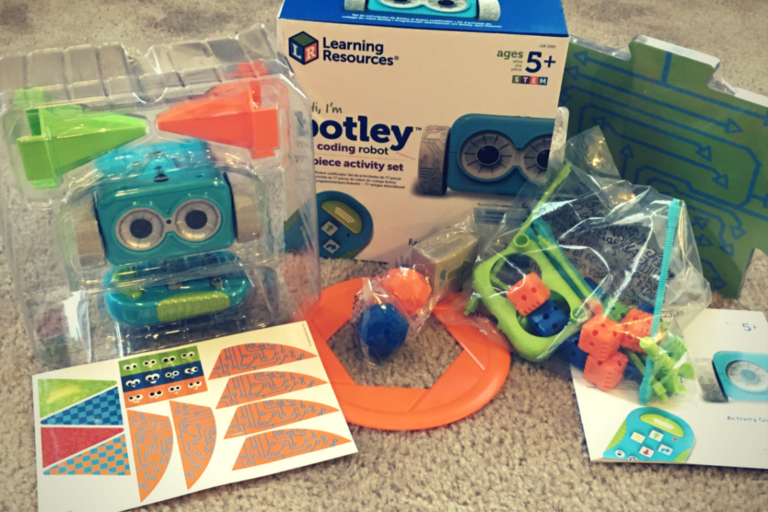
    Check Out: Botley the Screen Free Coding Ed Robot Product Review

    Our desire to see people use things we don’t have isn’t reserved only for children. We watch reality shows about the drama in the lives of the richest members of our society. There are entire channels dedicated to people buying extravagant homes and their popularity is driven by the desire to see others who have what we cannot or have not attained. We sit and watch shopping infomercials, never buying anything, but watching how the items can be used. Lets Play videos and eSports also speak to this need, allowing video game fans watch games perform at higher levels and maybe even play games that fans aren’t able to get their hands on right away. It’s a form of entertainment and it meets what some psychologists say are critical instincts that are within all of us.

    Memetic Desire

    At the risk of sounding like a neuroscience and psychology nerd, I’d like to explain some of the instinctual foundations of our love for unboxing and product demo videos. Memetic desire is the type of longing that comes from seeing someone else enjoy something. When you order the salad and your date orders the cheeseburger and you just have to have a bite is an example of memetic desire. The burger didn’t sound good when you were ordering but seeing your date enjoy it made it irresistible. The popularity of these videos is likely due in great part to our memetic desire. Watching someone open up the next iPhone will create in us the desire to obtain that device for ourselves. It’s normal, and it isn’t even too bad of a thing as long as it doesn’t turn to jealousy.

    Memetic desire can breed discontentment. For this reason we should be careful with what attitude our kids enjoy these unboxing videos. Are they loving watching someone else play and use their imagination? That’s all well and good. If they are watching and then demanding that you allow them to go purchase that toy, there is the problem. There haven’t been any studies to ascertain any danger to allowing your kids to watch unboxing and product review videos. If there is any risk, it’s likely based on the personality and behavior of your child.

    The best advice that experts give is for you to monitor and limit screen time. Whether they are watching someone play a video game, playing a game themselves, watching toy demos, or even watching a PBS show about math, too much screen time rewires the brain in an unhealthy way and should be avoided. If your kids are watching these video too much, the reason is simple. You are allowing them to do so. You can be the parent, use your knowledge of what these videos are all about and the amount of screen time that is healthy (usually an hour or less per day) to set boundaries for your kids. Use tools like unGlue or Accountable2You to keep track of the time spent on their devices. Take responsibility for your children’s online activity and you’ll create a safer and healthier environment for them to grow in. 

  • Facebook Messenger Adds Augmented Reality Games as Their Browser Rises to Number Three in the U.S.

    Facebook Messenger Adds Augmented Reality Games as Their Browser Rises to Number Three in the U.S.

    Gaming in Video Chat

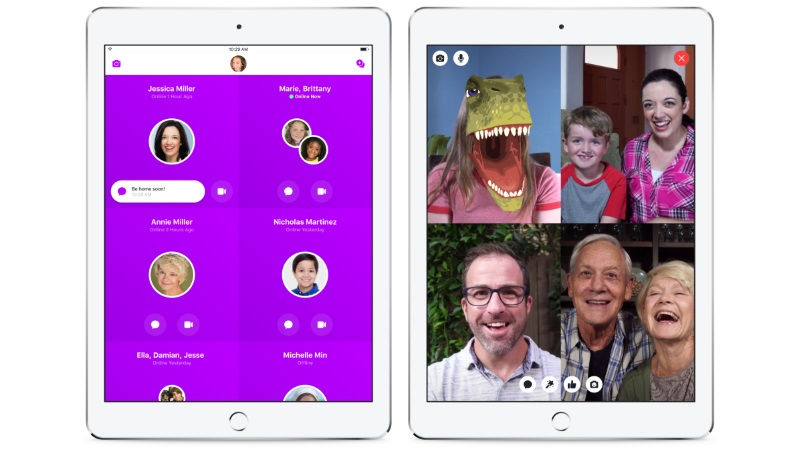
    We all love playing “Don’t Smile.” You know, it’s that game where you have to look at your friend until one of you gives in and cracks a grin. First to smile loses. That’s one of the new games offered for you and up to seven of your friends on Facebook Messenger. Except in the AR game, your face becomes a cartoon-like grin to emphasize your good sense of humor and lack of self-control. 

    Facebook is really pushing the video chatting option in their messenger app which is the number two most popular of its kind after (also owned by Facebook.) Using the camera to add graphics to your face for a game is only the beginning as they are working towards AR shopping and have already featured some augmented reality advertising. 

    Browsing the Internet on Facebook

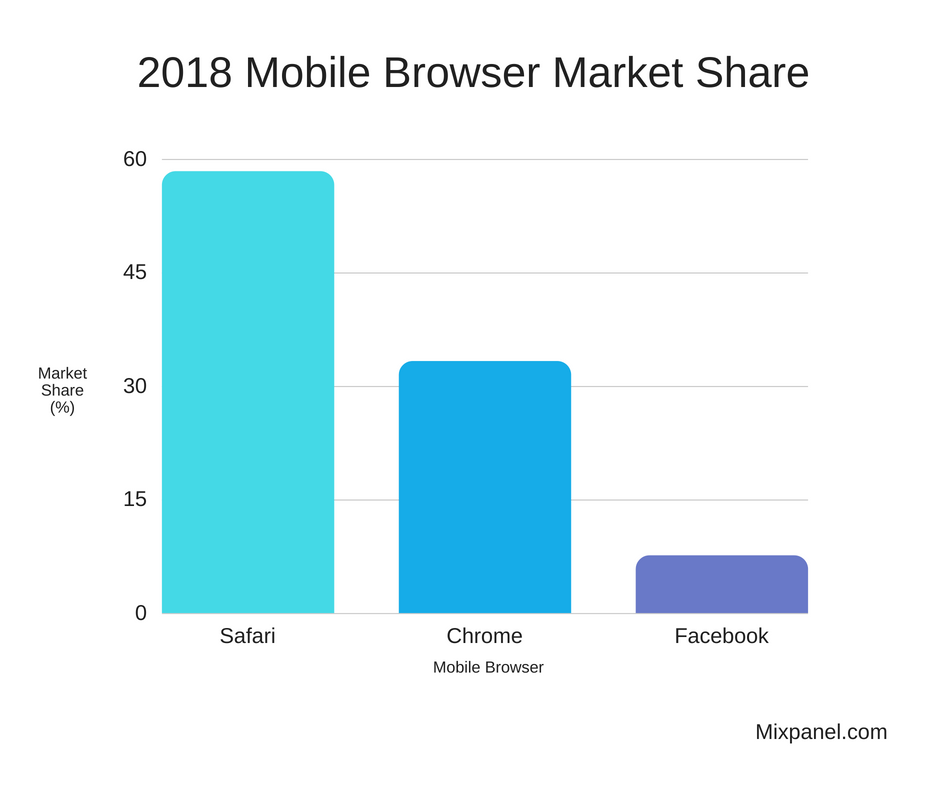
    New research from Mixpanel features Facebook as a major mobile browser competitor in the United States. While Safari (iPhone’s stock browser) and Chrome (Google’s browser offering) remain solid at the one and two spots respectively the browser inside of the Facebook app is interestingly above Firefox, Opera, or any other browser for that matter. 

    A browser is an app you use to surf the internet. One of the main reasons that Facebook’s built-in browser is gaining so many users is the fact that so many of us get our news, media, and entertainment through the social media service nowadays. When you see an article you are interested in and click on it Facebook will take you to that article without leaving the app. That’s their built-in browser. 

    While Facebook has faced scrutiny for their data handling, fake news, and other privacy issues, it is obvious that they still hold a major share of the market where social media is concerned. People are still using Facebook’s app to connect, be informed, and be entertained.

    What Parents Should Know

    Screen time management becomes harder and harder as new features are added to our kids’ favorite apps. The developers of these apps want their users to connect through their app and be as social as possible. They want their app to be the new “hangout” location for those who use their service. Parents still need to be on top of how much time our kids are spending on social media. The dangers of cyberbullying, sexting, contact with predators, and access to inappropriate content increase as our kids spend more time online. Manage their screen time and teach your older kids to have healthy screen time habits. Studies have shown that actual, physical interaction with friends is much healthier than video chat. Encourage and provide safe opportunities for this type of interaction.

    It is also important for parents to know that their kids can access the internet within their favorite social media apps. Facebook, Instagram, and Snapchat all have their own browsers and the data mentioned above highlights the popularity of the ease of use those browsers offer. What they don’t offer are content filters. If your kids can access Facebook, Instagram, or Snapchat they can access all of the internet and to my knowledge, there is no way to filter out adult content within those in-app browsers. Most parental control apps don’t control content within the browsers of social media either. This should be enough for you to only allow your kids to use these apps if they are older, haven’t had problems with accessing adult content in the past, and are mature enough to make healthy browsing choices. 

  • Do Not Let Your Kids Download Fortnite for Android

    Do Not Let Your Kids Download Fortnite for Android

    Another Update: August 24 2018 : Google found a security flaw in Epic’s download file for Fortnite.

    UPDATE August 10, 2018: The Google Play Store has added a notice to Fortnite search results that reads: “Fortnite Battle Royale by Epic Games is not available on Google Play.” This addition is an attempt to discourage the download of copycat games that could contain malware, spyware, or other malicious add-on software.

    It’s Not About the Game

    Fortnite is one of the biggest things ever in video games. You can read all about the game and my thoughts on the game here. Thus far, you have been able to play the free Battle Royale game on consoles, computer, and iPhones or iPads. That is changing soon as Epic Games is releasing their smash hit to Android. The problem isn’t that the game is being released, it is how it’s going to be distributed and downloaded. Epic has announced that they are going to bypass the Google Play Store and let you download the game directly from their site onto your Android phone.

    While this doesn’t sound like a big deal, you have to trust me, it is. It is a big deal because of security. Android’s (and Apple’s) app store are places to find apps for your phone that have been vetted for security and privacy before being listed for download. When you “sideload” an app, you are bypassing all of these security or privacy features and putting your data at risk. 

    Sideloading is installing an app onto your Android phone from somewhere other than the Google Play Store.

    Making the game available in through this method will remove the 30% profit share that Google takes from apps downloaded from their app store and gives Epic Games complete control of their software (updates, in-game store, etc.) This is probably a good move for Epic Games’ bottom line but can prove to be a nightmare for some Android users.

    There are more security prompts and features for those who use the latest version of Android’s operating system but estimates say that over 85% of Android users haven’t received the update yet. Especially our kids since most of them are using devices we’ve handed down to them. This means that it is way too easy to end up downloading a fake version of Fortnite and installing spyware or malware along with it. If you’re a grown adult, you can make decisions based on the security and privacy of your smartphone experience but kids should be taught to only ever download games and apps from their devices App Store.

    Screwing Up Your Parental Control Settings

    Android FamilyLink and most third-party parental control apps help you control app downloads using the Google Play Store. If the app they want can be downloaded outside of the app store then you can’t monitor their activity or download permission. If you’re monitoring their activity you’ll want to look for “APK” files. Those are the packages that sideloaded apps come in. If you’re looking at the activity on your kid’s phone and you see thisisafile.APK, you’ll know they are installing apps outside the app store.

    Epic Games’ decision to bypass the Play Store, while maybe a shrewd business move, is definitely going to cause problems for parents who are trying to keep an eye on what their kids are doing on their devices. My advice is that you don’t allow your kids to sideload apps at all. Whether it be Fortnite or anything else, letting your children bypass their device’s built-in security and privacy protections is simply a bad idea. 

    What Parents Should Know

    The security and privacy settings that are built into your smartphones and tablets are there for a reason. It’s very important that you update your devices as soon as there is a new version available. That said, it does you no good to keep your phone updated if you are installing random software from all over the internet. In essence, that’s what sideloading apps is. You’re downloading files that could really come from anywhere and installing them into your device. This can lead to apps tracking your location, listening to your microphone, and even turning on and recording with your camera. The last thing you want is for your son or daughter to install some game and end up with images or video of themselves posted all over the internet by some hacker. 

    Yes, that example is extreme but it has happened before and there are apps out there that contain such harmful code. Even if the problem isn’t that bad, at the very least you’re opening your phone up for viruses that can shut it down permanently. I understand Epic Games trying to make more money by allowing downloads from their website but in this day and age where our data is being collected left and right, wouldn’t you prefer to go through the company that created your device’s software instead of just installing from wherever, willy nilly? 

    Fortnite isn’t that bad of a game, it’s rated T for teen because of the cartoon like violence and online experience. It has potential to be addictive for some kids and should be monitored for that reason. Again, I’m not saying every parent should avoid letting their kids play it, I’m saying you shouldn’t let them install it on Android from anywhere except the Google Play store. 

  • Musical.ly is now Tik Tok

    Musical.ly is now Tik Tok

    Today marks a major transition for one of the most popular apps for young teens and tweens. Musical.ly, the lip syncing video app, has been merged with Tik Tok. Tik Tok is another video sharing app that is run by Chinese company, ByteDance. The company acquired Musical.ly in 2017 and has now turned the two apps into one.

    The ultimate goal of this transition is to combine users. Musical.ly has had 100 million users while Tik Tok boasts upwards of 500 million. Putting them together is a move to become a worldwide social video super app.

    What Parents Should Know

    First of all, you need to know what the Tik Tok app is when you see it on your kids’ phones. It is Musical.ly. Musical.ly has been on our uninstall list for a while now because of the social sharing aspect. Now, with 500 million more users, the number of connections your kids can make in the app has increased.

    I advise you to be aware of what apps are installed when your kids phone. Again, we recommend you uninstall TickTock if you see it. Many parents are involved in their child’s usage of the app and that is up to you but I never recommend allowing kids or young teens to use such a social software without supervision.

  • Three Tech Rules in My House

    Three Tech Rules in My House

    I get asked a lot about how I handle my kids’ technology in my house. It is easy to answer this question because I am pretty active in my kids’ tech lives and also because my kids are pretty young. Below are three of our most important rules for keeping our own four kids safe online.

    Rule #1 | It isn’t YOUR device.

    My kids don’t have their own tech devices. We have a shared iPad 2 and iPad Mini and a couple of old iPhone 4s that our kids use. They often try to claim one of the devices or another as their own but we quickly remind them that they don’t own any of them. We tested it with our ten year old for a few weeks and it caused too many problems. Him thinking he could do whatever he wanted because it was just his device led to a lot of frustration when we tried to enforce our boundaries. The solution was simple. All of these devices are shared, you can’t tell your sister not to use it and you can’t take it to bed with you at night. Done.

    Rule #2 | No tech in bed with you.

    This one is a bit tricky since my kids use their devices to listen to noises or music as they go to sleep. The rule, however, is no browsing once it’s lights out. We often just set it for them and forget it so the device stays across the room. There are studies to show that viewing the glowing screen at night can hinder your ability to rest. Lack of rest can cause serious health concerns in our children. Once I explained all of this to my kids, they have done pretty well to respect the “No tech in bed” rule. They want to be healthy just as badly as we want them to be.

    Why I Told My 10 Year Old EVERYTHING About Pornography

    Rule #3 | You gotta ask first.

    My children aren’t allowed to just grab a device and do as they wish. They don’t have passcodes (because built-in restrictions and a wifi content filter are set up) but if they are caught hiding in another room doing something on a device they lose the privilege for at least a week. We make them ask and when they are playing or watching something we nearly always require that it is in a common area. That part of the rule is flexible when they are doing schoolwork on an app and don’t want to be disturbed or but most of the time they have to be somewhere where everyone’s eyes can see their screen. They always, have to ask though. Mom and Dad must know you are using that device. If we find out they were hiding (and we have our ways) there is a major cost.

    We have more rules but these are the simplest and most easily implemented of our plan. They require no software installation or tech knowledge. It’s really just parenting, plain and simple. Your kids need you to set some boundaries. Maybe you can start with these three rules. Do you have some different rules or different ways to implement these same rules? Tell me about them in the comments below.

  • PODCAST: What is eSports and will it be in the Olympics?

    PODCAST: What is eSports and will it be in the Olympics?

    Family Tech Update: What is IGTV? Facebook Messenger Kids wants to teach your kids kindness. What was up with the rocket launch in FORTNITE? Will eSports ever be in the Olympics?

    Social Media Links

    Facebook: http://facebook.com/becausefamily

    Instagram: http://instagram.com/becausefamily

    Twitter: http://twitter.com/becausefamily

    Youtube: http://youtube.com/c/becausefamily 

    Newsletter Signup

    Ministry Updates:: http://eepurl.com/R7Btr
    Weekly Blog Posts:: http://eepurl.com/cvnhXD

    Websites

    Ministry Site:: http://becausefamily.org
    Tech Blog:: https://safe.becausefamily.org
    Michael’s Speaking Info:: http://kmichaelprince.org

    Donate and Affiliate Links

    http://BecauseFamily.org/partnership

    Music by Kevin MacLeod at http://Incompetech.com

  • Facebook Messenger Kids Wants To Teach Your Children Kindness

    Facebook Messenger Kids Wants To Teach Your Children Kindness

    There have been a few important updates in Facebook Messenger Kids lately. The first of which is a focus on kindness and digital citizenship. The app has added features to walk kids through kind online behavior and safety on social media. The app has kids agree to a pledge that asks them to be kind, respectful, safe, and have fun in the app. They’ve also added stickers and other creative content that will encourage sending kind messages.

    Facebook has also added the ability for more than one parent to manage a kids app. This will allow both mom and dad to keep an eye on who is asking their kids to friend them on messenger. They recently removed the requirement for parents to be Facebook friends of each other in order to allow their kids to chat but this feature is a very parent-friendly addition. It is, in fact, a direct response to feedback from parents whose kids use the app.

    Facebook also announced that they’ll be releasing something called “Appreciation Mission” which will introduce children to some ways they can show appreciation to friends and family on Facebook Messenger Kids.

    What Parents Should Know

    Many experts are concerned about the amount of harassment and mistreatment on social media as well as the general overuse of our screens. A feature that helps kids understand the importance of kindness online is a very good idea. Thus far, Facebook Messenger for Kids is the best option out there to give your kids the freedom of a social media messenger within the boundaries you’ve decided are necessary to keep them safe. Be sure to follow the guidelines of the app and set some time limits to be sure your kids aren’t overusing their screens as video and photo messaging can make the time pass very quickly.

  • Snapchat Adds Games to Their Camera

    Snapchat Adds Games to Their Camera

    Snapchat’s newest update adds gaming to their camera. That’s right, you can now use their augmented reality camera to play silly games. Some are even multiplayer. They’re calling the games “Snappables” and they range from throwing kisses at each other to dance competitions. Users control the games with their face or touch and motion controls. Snap is planning to release new Snappables weekly featuring basketball, alien combat, and a lot of other themes.

    What Parents Should Know

    Right now, the multiplayer Snappable games are centered around your friend list. This means you shouldn’t be able to play games with random players you have never met. That could be an added feature and we’ll let you know if and when that is the case.

    I recommend knowing what your kids are using their social media apps for. If they are connecting with their friends to play games and chat, and you’re ok with that, then that is just fine. I never recommend allowing your kids to meet new people online through Snapchat or other social media apps. Games like Snappables are pretty harmless other than more ways to waste time and the obvious opportunity for corporations to launch games featuring their brand for advertising. More than anything, just stay knowledgeable about what your kids are doing online and keep the conversation open with them. This way they won’t be concerned about you seeing what they do online and the lines of communication will stay open with them.

  • Amazon Echo Dot For Kids Released on the Same Day an Alexa Security Flaw Was Announced

    Amazon Echo Dot For Kids Released on the Same Day an Alexa Security Flaw Was Announced

    Voice is the new screen. That’s what all the tech gurus are saying these days. We’re moving beyond tapping to simply speaking. “OK, Google,” “Alexa,” even “Cortana” have become standard parts of our vocabulary. Even our kids know how to play music, stories, or get help with their math or spelling from a voice-activated assistant of some kind. Voice command started with Siri and quickly became a standard feature in all smartphones and even in some of our vehicles. What seemed like science fiction only 15 years ago is now a common tool for most of our culture.

    We are all hyper-aware, now, of the amount of information tech companies are gathering from our internet use. Since we carry fully connected devices around with us everywhere we go and use them to broadcast our daily routine on social media, there isn’t much that is hidden. Recently, though, we’ve become a bit cautious of how much of our data we share with these companies. It’s one thing to let Google know we like seeing ads on YouTube for our favorite movie genre, but tracking our location and schedule is a bit far.

    A test by security group, Checkmarx, found a security flaw that allowed them to design an app that would leave the Alexa microphone on long after you’ve finished using Alexa. Then, the app would send the hacker a transcript of what the mic picked up while you didn’t know it was turned on. Checkmarx found this flaw earlier this month and reported it to Amazon. It was corrected immediately.

    “Customer trust is important to us and we take security and privacy seriously,” the company said in a statement. “We have put mitigations in place for detecting this type of skill behavior and reject or suppress those skills when we do.” – Amit Ashbel, director of product marketing for Checkmarx

    This obvious flaw is the first of its kind that has been made public. There is no way to know how long it has been around or if it has been used by anyone to collect user data. Amazon was fast to fix the issue but only after a third party research group found the problem in the first place. There are always security risks with any smart-home or virtual device and having a microphone that is always on compounds that risks. The popularity of Alexa and Google home is ever increasing, though, despite these risks. With the outcry against Facebook for their data collection and usage, it seems interesting to me that these fully connected, in-home virtual assistants are becoming so common. So common, in fact, that they’re being designed for our kids.


    Enter, the Echo Dot for Kids


    The news of this breach was released today, and interestingly, so was Amazon’s new Echo Dot for Kids. The Alexa enabled personal assistant speaker comes with a protective case, a replacement warranty (for the inevitable drop on the hardwood floor), a year’s worth of Amazon Freetime, built-in parental controls, and a bunch of skills (apps) that are geared towards kids. The Dot will read to your kids, help them with homework, play kid-friendly Audible audiobooks and more. The Echo Dot for Kids is $79.99 on Amazon.com.

    What Parents Should Know

    Being able to lock your kids out of explicit music and audiobooks, disabling entertainment features in favor of educational skills, turning off voice purchasing, and other parental control options make the Dot for Kids a pretty appealing piece of technology. I am, however, very skeptical of putting a marketing company’s microphone in my kids’ rooms. I know that doesn’t sound like the opinion of a tech nerd but my distaste for targeted marketing to minors and collection of the data of children will always outweigh the desire to be in with what’s trendy in technology.

    Though the Alexa security flaw has been resolved, I wonder how long it will be until another workaround is discovered? I bet it’ll be pretty soon. Here’s why: Amazon is trying to strike a balance between a way to gather the most information about your family as possible and still make you feel that your information is secure. There will always be functionalities in their systems that allow them to gather just that little bit more than you know they’re collecting. When a security company (at best) or hackers (at worst) find these functionalities, they exploit them to meet their own needs. Sometimes the need is to sell the workaround info to the company to keep it all quiet and sometimes it’s worse, the collection of data for sale or use. We all seem to be ok with Amazon or Facebook or Google having a bunch of our private data. After all, it is often used to make our lives easier and more convenient. The problem comes when something like the Cambridge Analytica fiasco takes place and we have our information being sold to the highest bidder or used to target us with fake news and advertising.

    Unfortunately, as long as we have devices that take in our likes, dislikes, conversations, and habits, we will have companies using that information to further strengthen their bottom line. All I am saying is that, as families, we have to draw our own line. My line is drawn pretty strictly against voice-activated assistants in our home, especially ones designed to be used by my kids. Your line will be somewhere different than mine but I advise you to be knowledgeable about any tech you bring into your home. If you aren’t sure what something does or how it really works, I wouldn’t buy it or use it in the first place. I know that sounds a bit counter-cultural, but the culture seems pretty ok with giving away all of their personal information and then panicking when they find out it’s being misused. I don’t blame companies for that, I blame people. Facebook fooled us once, perhaps shame on them, if you’re fooled again, shame on you.