Tag: tech

  • How “Kids Games” Give Predators Unmonitored Access to Children

    How “Kids Games” Give Predators Unmonitored Access to Children

    I was contacted this week by a parent who was shocked to find that adults had been chatting with her young son in Disney Heroes, Battle Mode, an app rated 9+ in the Apple App store. She sent me screen shots in which players were asking her son if he was a boy or girl. They asked how old he was and where he was from. One of them even confessed, “I am not a kid. LOL.”  Obviously, when his mother found these messages she was extremely concerned, she removed access to that game and set some limits for their whole family for a while. Then, just a few hours later I received a link from a concerned parent about an app in which people are posing as employees of the game company and asking children to send pictures “without a shirt on” to prove their age. She asked if this was true and my response was that yes, these things are happening every single day. Here’s why these predators can gain such easy access to our kids.

    Disney Heroes Battle Mode

    After hearing about the trouble with Disney Heroes Battle Mode I downloaded the app to see what it was all about. After a short cenimatic and then playing through the tutorial you get a notification that the app has purchases built-in and that you shouldn’t be under 13 (app is rated 9+ in the app store. if you want to play. I simply tapped continue and moved right past the warning. No age verification, no password, no face id, nothing. Once in the app I started looking through the settings. I did find controls for the chat feature, including a password protected on/off toggle for chat access. This was good to see, especially since the issue I was researching had to do with chatting.

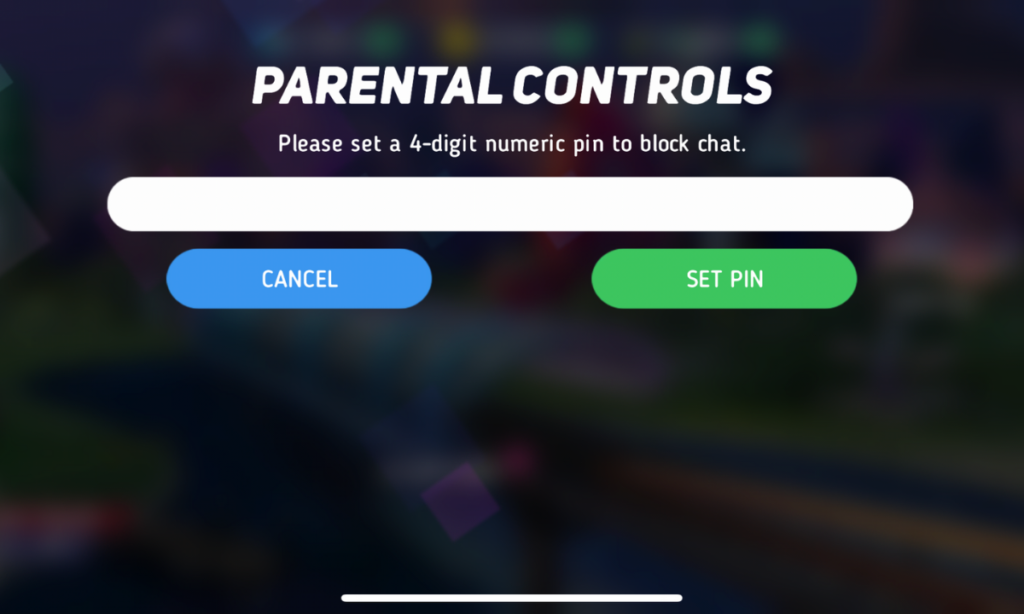
    The problem is that apps like Disney Heroes give parents a false sense of security. The app is made by Disney, the company’s name on anything makes many parents think that the product is made with their kids’ health in mind. This could not be further from the truth. Disney is out for exactly what every other major corporation is out for, their financial bottom line. We have to remember that data is big money and apps that are made for kids collect just as much data as any other app. Data that is personalized to a user is worth more money which means app developers need users to make an account to sort and identify their data more easily. The easiest way to convince app users to create an account is by making it the only way they can chat with friends in the game.

    What Parents Should Know

    I recommend taking a look at the game your kids play on their pones or tablets. Just because the game features cartoon characters doesn’t mean there aren’t adults playing the game. If the game has a social feature like chat or friend-mode you can be sure that your kids will be contacted by strangers. Look in the settings, preferences, or options of the games to see if there is a way to turn off chat mode. If they don’t allow you to disable social features, I would uninstall the game and encourage your child to find a different game to play.

    We must remember that the companies that make these games offer them for free because their money comes from in-app purchases and advertising. In order to make money they have to keep people playing the games as long as possible. Research shows that there is no better way to keep someone in your app than social engagement. People will be sure to keep coming back if they have friends in the game to play with or against. This means that they will continue to put these social features in their games and while app stores may rate these games as safe for younger children, my rule is that if it has a social element it should be for kids older than 13. Even then you should ensure that you child understands what they should do if they are approached online by a stranger and encourage them to tell you if someone makes them uncomfortable in any social engagement online. We can do our best to protect them from this software but nothing is more affective in preventing these dangerous encounters than teaching them how to recognize them and end the conversations immediately.

     

  • Memes: A Parent’s Guide

    Memes: A Parent’s Guide

    The term Meme was coined by Richard Dawkins in his book “The Selfish Gene.” It was simply defined as any form of media that was passed from person to person until it reached a massive level of popularity. Nowadays we would call that going viral. It is difficult to put your finger on a single meme as the first one or even to identify how some of today’s most popular memes got their start. In this article we’ll look at the history of memes, how we got to where we are, and what it parents need to know about Memes. Keep in mind that you can see some Meme examples in the video above.

    History of the Meme

    It didn’t take long once the internet was available to most people for Memes to become a major part of how people spent their time online. In 1991 we saw such memes as the dancing baby, motivational posters, and the hamster dance being passed along in emails and forums. These images, videos and gifs were passed from person to person and inbox to inbox, shooting this silly content to Meme stardom.

    Then came the 2000s, some would say this was the golden age for memes due to the rise of YouTube, Social Media, and Viral Videos. This took us from sharing content within a limited access forum or the contact list in our email to sharing them on our public social media page to be re-shared over and over again to thousands or millions of people. This period is where we were blessed with the rick roll, Chuck Norris jokes, turn down for what, cat videos, and Vine videos.

    We are currently living in the age of the modern Meme. Most originating on Reddit before they become popular on other social media sites, Memes are going mainstream in television, radio, politics, and marketing. Memes are used to promote idealogical ideals. Memes like the Harambee meme are an outlet for those who are bothered by certain things in society to express their belief or concern. Politicians even capitalize on the popularity of their own Memes, sharing them on their social media accounts to gain recognition and strengthen support.

    The Dank Meme

    Dank usually means dark, damp, and gross. When it comes to Memes, dank is a positive term. A dank Meme is usually one that can be used and reused with different other Memes added. Sometimes popular sound clips or songs from a Meme will make its way through a whole bunch of different videos. Something like the “oof” of a dying Roblox character being dubbed over videos of people falling or otherwise hurting themselves. This is what a dank meme usually is.

    The Memes you see gain popularity on your social media account. That Condescending Willy Wonka image with someone’s sarcastic comment typed onto it is a dank meme, having been reimagined several times, thus gaining more popularity.

    What Parents Should Know

    Memes are an easy way to express yourself. It can be a fun way for kids to have a laugh or share what they think about certain issues. My problem with some Memes is that they tend to simplify complex concepts. Something as complicated as political beliefs are packaged as Memes and expressed in a shallow, unhelpful way. The Meme is a limited genre, only allowing so much space for sharing what you think. This can cause confusion and can ultimately be polarizing.

    Memes also have a tendency to take us in a circle of reasoning. We share more Memes that we think are funny because of the statement they are making and this tells the algorithm of the social media account we use that we want to see more Memes like this. We then are simply only fed a steady diet of the same thoughts, repackaged as dank Memes and our view is never questioned or challenged in a way that can be healthy and help shape who we are.

    Finally, we have to be careful because Memes can often be very adult oriented. Memes are an expression that has been limited to those who understand them. When we start into the Meme rabbit hole, whether it’s on Reddit or Youtube, we can tend to find ourselves getting to some strange and even dark places. I am not squeamish and there are a lot of Memes that I’m a fan of and I share regularly when I see them repackaged in a way I find humorous. I did, however, get into some content while researching this article that just made me feel stupider for seeing it. See what I go through to help you out?

    Thanks for reading. Share this article with a friend who needs to know what a Dank Meme is.

    You can listen to this post as a Podcast below:

  • Snapchat’s Social Gaming = More Time on Social Media

    Snapchat’s Social Gaming = More Time on Social Media


    It has barely been a year since Snapchat joined Facebook in a movement to help people better manage the amount of time they spend in the social networking apps they develop. Snapchat added the ability to silence notifications from certain conversation and redesigned their app to be more about time with your friends and less about time in the app. Yesterday, however, CED Evan Spiegel announced their new focus on Social Gaming and several new original video series citing a new way to keep young people in their app even longer. 

    The games featured you and your friends’ Bitmojis. In them you play silly games that include pool toy fights, field goal kicking, and keeping your Bitmoji atop a spinning record as your friend DJs for you. In the announcement Spiegel says “On Snapchat, you’re free to be you, with your real friends. As we use the internet more and more in our daily lives, we need a way to make it a bit more human.” Apparently the idea is that as social beings, we need to hang out and since we are all spending so much time on our smartphones, Snapchat wants to be the place your kids hang out in.

    Facebook and Snapchat Join the “Time Well Spent” Movement


    What Parents Should Know

    I have said it several times before, we can’t blame tech companies for wanting people to spend time on their software, that’s how they make their money. Quotes from this announcement boast of a place that people can be themselves, obviously what they truly are creating is a place where we can spend more time, see more ads, and make Snapchat and its shareholders more money. No matter what social media companies say about time well spent, privacy, or security they are protecting their bottom line. They have shareholders that they must impress with the numbers so that’s what shapes their decisions. Knowing this helps us remember that the responsibility for healthy tech use falls to users, and our kids’ tech health is the responsibility of parents.

    Talk to your kids about the amount of time they spend on social media. Don’t allow them on social media that is rated higher than their age. Teach them not to expose sensitive information like their phone number or the name of their school on these apps. Finally, use some sort of filter or time management software to help you enforce your standards. Parents are the first line of defense against the dangers of unlimited and unmonitored internet use. We have to take on that responsibility because nobody else truly will.

    You can listen to this post as a podcast episode below.

  • Does Your Kid Need a Fitness Tracking Smartwatch?

    Does Your Kid Need a Fitness Tracking Smartwatch?

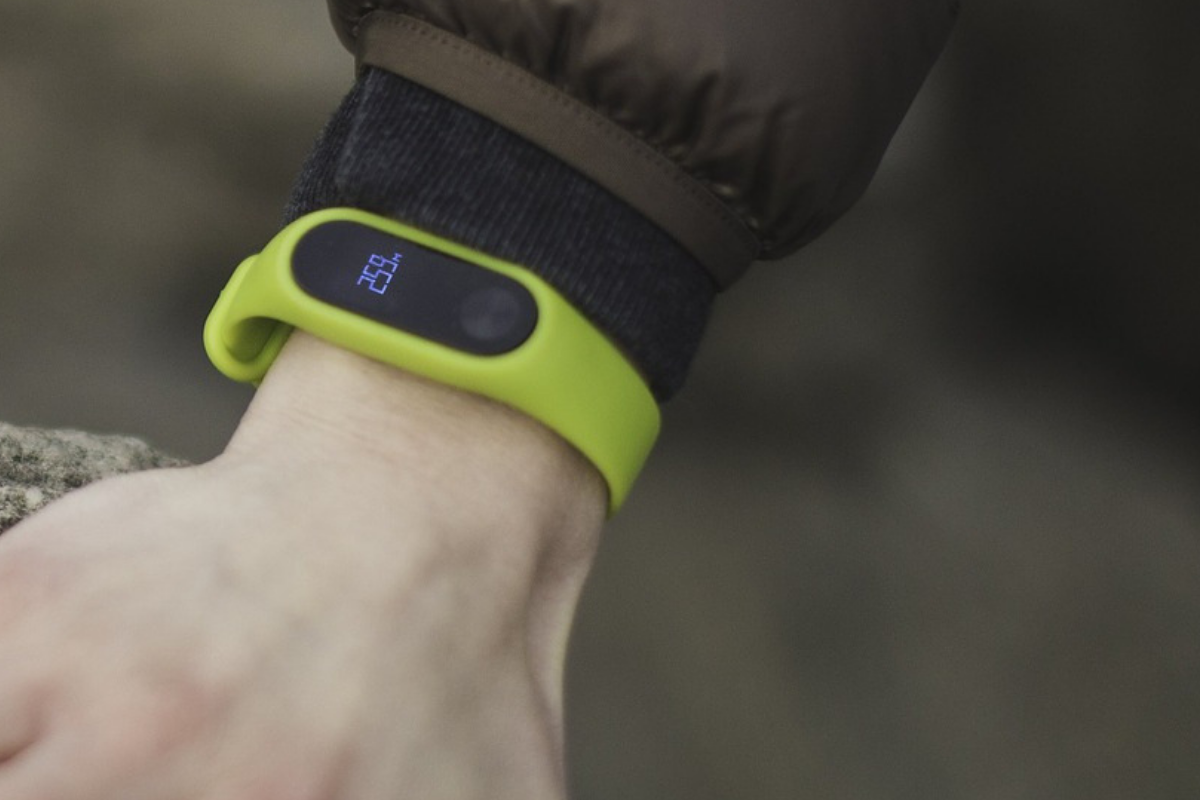
    We all want our kids to be healthy. Parents are always telling me they’re concerned that their kids play video games too much and just need to play outside for a bit. I agree. Couldn’t agree more! The fitness wearable (think Fitbit and Apple Watch) industry has made some huge promises about giving us motivation and inspiration to get out and get moving. The wearable trend is making its way to children now too. Garmin and Fitbit have both put out new products that are made for kids. These wearables serve as a watch, a step tracker, a sleep habit monitor, and even reward your kids for meeting goals with achievements and celebrations. My eleven year old son likes wearing a watch. He doesn’t necessarily care about tracking his steps or heart rate, but I’m sure he would love a Fitbit. Should I get him one. I have to ask a few questions first.

    Do Fitness Wearables Work?

    There have been multiple studies since the invention of the Fitbit that have tested the effectiveness of these health tracking watches. Of course the earliest studies featured products that could only track your steps. These “one trick” smart watches weren’t very smart but they promised to get you out and moving so you’d be healthier. The studies showed that those who were originally committed to fitness stayed pretty committed and were a little bit more effective at working out since they could monitor what they had done. People who were given an incentive to work out using their Fitbit tracker did exercise more but no more than those without a Fitbit who received the same incentives, also they stopped excercising as much when the incentives ended. Finally, the extra activity that was logged didn’t result in increased health outcomes. Basically, you are going to be as committed to fitness with a fitness wearable as you would be without one, the same thing is true about your kids.

    Does Your Kid Need a Fitbit or Garmin?

    These products can help those who use them keep track of the amount of activity they are getting. They can use this information to make better decisions about what they do through their day. As mentioned above, however, awareness doesn’t always equal action. Especially when it comes to fitness. Nobody will tell you you shouldn’t do something to keep your kids from being healthy. You know your child. You know if they will be inspired or intimidated by activity tracking and goal setting. You know if they will use their watch for ten days and then set it down, never to pick it up again. Finally, you are the only one who knows for sure if your child will just loose the Smartwatch within ten minutes of putting on their wrist.

    You have to take all of these factors into account when deciding if a fitness tracker is right for you child. As for which ones work best, I don’t have any data to provide you with a conclusion on that. I do, however, have a few family tech safety tips to encourage you to think about while you decide on a wearable for your kids.

    1. Data Security
      It is pretty obvious that the companies that sell fitness wearables use your data quiet liberally. They have to use it to affectively communicate your health information to you and to keep records for you to access later. Fitbit requires parents to make accounts for their children in order for their kids to use their products. By creating this account parents are giving Fitbit permission to access their children data and us it according to their Privacy Policy for Children.
    2. Smartphone Sync
      Most (basically all) of these devices require you to sync with a smartphone of some kind. While it is possible for you to sync the device up with your own phone, your child will see another opportunity to try and convince you that they need a smartphone of their own. Let’s be honest, none of us need our kids to have more points to support the argument that they need a smartphone. Maybe they already have one, great, maybe they have a device they are only allowed to use at home, that’s good too. Be sure you’re allowing them time to sync and use those apps in junction with the smartwatch or you kind of defeat the purpose.
    3. Location Sharing
      The security policies for Fitbit and Garmin both state that they do not automatically collect location data from Fitbit accounts created for children. However, they do collect IP addresses which often contain location data, and you are able to share your location manually which kids could do without realizing it. It is especially important, if you are concerned about leaked or sold location data, that you don’t allow your kids to use a fitness wearable that is connected to an adult’s account. These accounts do share location information by default.

    Be Fit, With or Without a Fitbit

    I’m not going to tell you what to do. As I said above, you know your child and their habits. You know if they are active or not. Some of these wearables can save lives, for kids with diabetes for example, but those are specific situations and, in my opinion, the absolute best and intended use of these products. Most of us have discipline and motivation problems and a fitness tracker can only bring our lack of a healthy lifestyle to our attention, we still have to do something about it. I speak as one who loves pizza and begrudgingly runs about six miles every two weeks. I am “preaching to the choir” as they say, and while I think an Apple Watch or one of the latest Fitbit Smartwatches would be cool to have, the truth is, there are data security issues to discuss, and the trade off for increased health outcomes aren’t guaranteed. Lets just get our kids to a playground more often, and maybe even get out there and play tag with them.

  • The Weirdest Tech Trends at CES

    The Weirdest Tech Trends at CES


    Attending CES for my second year gave me a completely different outlook on the experience. Not only was I less interested in walking around the major company’s booths to see them talk about the same stuff they were marketing last year, I also noticed some trends that I’m hoping will go away. As I will say in my conclusion, I am a huge fan of new tech and usually want to own the latest products. Some stuff, however, was too silly even for me. It was also too silly not to share with you.

    Smart Pet Tech

    We have had tech for our pets for quite a while now. Microchips identify our dogs and their owners and can help us locate them when they’re lost. Many products have come out that allow us to keep our pets fed without actually having to remember to put food in a bowl more than once or twice a week. It seems, however, that some of the latest pet tech exists just to hop on the trend train. Especially the trend of calling your product smart.

    Dogness JS04 is a smart dog leash. Yep, a retractable dog leash that apparently has enough tech in it to be called “smart.” Truthfully, all this leash does is allow you to connect a speaker, a light, or a container for your poop bag. Other pet tech gave you useful tools like a self cleaning litter box, doggie doors that only open for your dog, and even an indoor doggie toilet. Much of the pet tech, however, was just created to sell something that they could call smart.

    Companion Robots

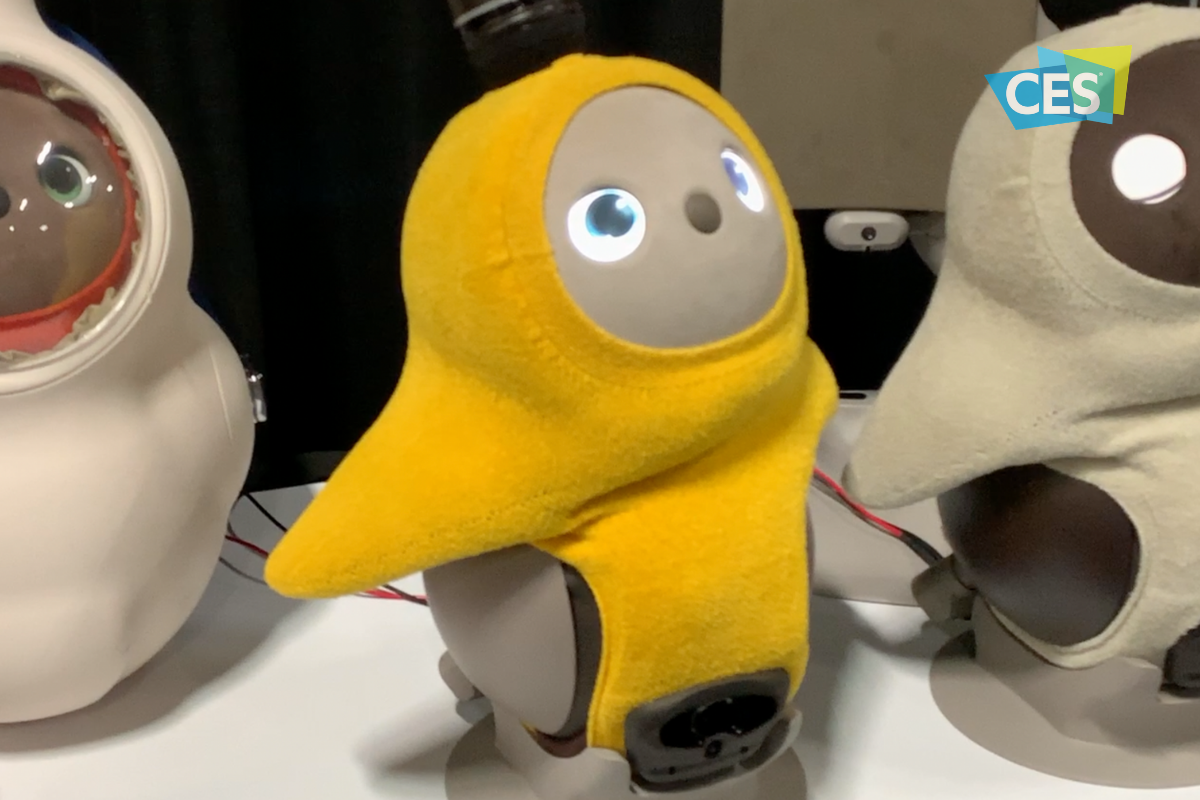
    Apparently you need a robot companion. Not only do you need one, so do your kids. The CES show floor was loaded with small robots for your kids and many of them were simply plush toys with a built in screen and/or voice assistant. Some companion robots will tell you stories, some help translate languages, many of them dance, and even more can be used to control the smart devices in your home. Most of these companions require you to look at or even touch the screen on their face to use them and only a couple had any parental screen time control built in.

    My question is why do my kids need a robot as a companion? I have four children, the one thing they do not need is another companion. While I guess an expensive stuffed animal with a voice assistant in it is still cheaper than having more kids, can this toy with cheap artificial intelligence actually be a friend to my child? Maybe it can help my kid learn some things, maybe it can be fun, but in reality it’s never going to be more than a toy, is it? The people developing these robots speak of them like they’re the new pet. Like your family is going to buy, name, and care for a stuffed animal robot like it does your dog Fifi…I don’t think so.

    Voice Assistant Bathroom

    Haven’t you ever just walked into your bathroom and wished you could tell your toilet seat to open and it does what you say? Remember the last time to went to the bathroom and just wished the inside of your shower or toilet would glow with green LEDs? No? I haven’t wished any of these things either but apparently CES isn’t about giving people what they wish they had but for showcasing things that people will assume they need since it’s a thing now. I understand that for someone who physically can’t bend down and lift a toilet seat, this product is a game changer. That’s awesome! My point is that they aren’t branding and marketing this tech as health products, this is considered high end technology for your home. I’m sure many will consider it just that and buy a glowing toilet so they can impress their friends at their next cocktail party.

    Foldable Smartphones

    Some products come out because the technology required to make the product is just so darn cool. The foldable phone is one such product. OLED screens are super duper thin and can work while rolled, folded, and bent. They’re being put into televisions and wall hangings and even entertainment centers in which the tv screen rolls up inside the table and then rises at the flip of a switch. As I played with a couple of foldable screens at CES I saw some neat uses for them. I wasn’t impressed with the foldable phone though. The features were pretty neat I guess but I’m just not interested in one tech device becoming all of my tech devices rolled (literally) into one package. If I have a tablet and a phone and a laptop I use them for different things and want them to be different things. I don’t need my tablet to fold down into a phone or vice versa. I truly think this trend is exactly that, trendy, and I don’t think we’ll be talking about foldable phones in five years.

    I Still Love New Tech

    Some of the trends you see at a trade show like CES are ridiculous but the cream truly rises to the top. The market tends to balance out and eliminate products that are too silly to survive. I couldn’t help but laugh, though, as I walked the show floor and looked at the majority of the booths selling smart versions of things that don’t really need to be “smart.” It was entertaining to see products that were mind bogglingly new at last year’s CES be basically copied and rebranded by other, smaller companies. That’s the way things work, I get it, but I see why some tech writers only cover CES every other year.

    What tech trends do you think are silly? What are interesting to you? Would you like your toilet to obey your voice commands? Comment below and tell me the reason you think that “smart” product I think is silly would absolutely change your life. 

  • The Bird Box Challenge and the Decline of Self Responsibility

    The Bird Box Challenge and the Decline of Self Responsibility

    What’s in a Meme?

    It seems that every time something gets popular, someone finds a way to turn it into a dangerous internet meme. The movie Birdbox on Netflix stars Sandra Bullock and features her adventure with two children through a dystopian wasteland five years after a mysterious force caused mass suicide all over the world. Because this force causes you to kill yourself when you look at it most of the main characters spend the entire movie wearing blindfolds. Enter said internet meme.

    Bird Box

    The Birdbox Challenge is a video meme that asks its participants to do mundane, regular tasks while blindfolded. People have done things like cooking, walking through their home, spend 24 hours blindfolded, and even driving while blindfolded. Some of the earliest challenge videos received millions of views in a matter of days. Obviously content creators felt the need to outdo themselves and others. This led to some dumb and even dangerous stunts that eventually led to a warning from Netflix and the banning of all BirdBox challenge videos from YouTube.

    People have filmed themselves walking through traffic and driving while blindfolded leading to a couple of car crashes including one by a teen in Layton, Utah. These challenges can be dangerous and unfortunately the popularity travels so fast that our kids are the first ones to learn of them and try them themselves. Always looking for something of theirs to go viral, our kids will try to copy and even outdo the other videos they’ve seen online. The TidePod challenge is another example of escalation causing a silly meme to get out of hand and even hurt people. The Tide Pod challenge was also banned by YouTube and Tide even did a series of commercials to discourage people from participating.

    Do Violent Video Games Create Killers?

    The Decline of Personal Responsibility

    Whenever anyone, especially our kids, gets harmed by something as ridiculous as a challenge on the internet there is an outcry for someone to take responsibility. We may speak out against law enforcement for not cracking down or the production company for making the show the memes are based on. Maybe we’ll want the streaming platform or social media service that these memes are being shared on to take responsibility. Wherever we place the blame, we are understandably longing for someone to answer for these stupid and dangerous occurrences.

    Gaming, social media, entertainment, and education have all come under fire from time to time for the influence they have over our kids. Learning about dangerous challenges can happen naturally from friends but the ability for information to spread over the internet is unprecedented until now. The inspiration for some of these challenges come from the media our kids consume. There are so many factors, though, that cause the spread of all this craziness but the one factor that is constant is the lack of moderation and responsibility.

    As parents, we should see these occurrences as warnings that it is time for us to be more involved in what our kids are doing, whether online or offline. We have no excuse since there is so much hardware and software available to help us monitor what is happening on our kids’ screens. We are hearing all of the time that we need to be involved and that we should take responsibility for the things our children are seeing. It also falls to us to teach our kids to take personal responsibility for their actions.

    Teaching Responsibility

    When our kids see Netflix putting out warnings or YouTube banning content, they see a major corporation taking responsibility for their user-base’s stupid choices. In reality, though, these companies aren’t taking responsibility, they are covering their own back sides before something truly horrible and reputation ruining happens on their service or platform. We live in a world that wants to skirt around responsibility and find someone else to blame. Our kids aren’t going to learn how to take the fall for their own actions unless we teach them to do so. Here are some ways my wife and I teach that to our children:

        1. They must ask forgiveness and they must give forgiveness.

    We don’t just let our kids say they’re sorry. When they hurt each other’s feelings they must ask to be forgiven and then we expect the other child to say more than “It’s ok.” we want them to say “I forgive you.” This causes the offender to understand that their actions caused someone harm and the offended to realize that they have a responsibility to honor the request for forgiveness.

    2. They have chores.

    Our children have responsibility for things they do around the house and they don’t get paid for it. We consider keeping your room clean and your laundry in the hamper a basic requirement for living in our home. They have other chores that they cycle through and they don’t get to bargain or trade, no matter which ones they dislike or like they have to do what the chart says for that day. This way they’re learning to do junk they don’t enjoy just because they are required to do it. They don’t get paid for this either unless you consider that fact that they have to have it done to even ask to get screen time.

     3. They buy their own stuff.

    Our oldest two children have made some money through performing and sometimes they all get a chance to do odd jobs for friends and family to earn some cash. When they have money, they like to spend it and when it’s gone, it’s gone. We don’t usually agree to fit the bill on stuff they want. They can wait for birthdays or Christmas or they can buy it themselves. That’s how life works.

     4. They are told no a lot.

    We have learned the power of saying no to your children. As our oldest two have grown up they’ve heard no so much that they know when to not even ask. Sometimes I’ll have what I call a “Yes day!” this is a day when I say yes to pretty much anything they ask me (within reason.) I don’t tell them it’s a yes day but they tend to figure it out pretty quick and we all really enjoy doing things together that I would normally say no to without thinking. (Think playing four hours of Risk with your 11 and 9 year old.)

    These things aren’t world changing but they can be life changing and can go a long way to help you instill a sense of responsibility in your kids. Making them take responsibility for how they feel and how they make others feel is something that I believe is truly lacking in our society and our kids have a head start at becoming excellent human beings from that step alone. Learning how to work for and spend money wisely teaches them that they are responsible for how they spend their time as well as what they earn and what they have. Finally, hearing no is critical for kids from a very young age. Life isn’t fair. There are things in life that just happen when you don’t want them to or things that you wish would happen to you that happen for others instead. This. Is. Life. Get used to it.


  • Highlights from CES2019 Media Day One

    Highlights from CES2019 Media Day One


    Above are the highlights from my first day at CES. This day is a media-only event and features press conferences from major brands, a “trends to watch” presentation, and a pre-show floor event called “Unveiled.” In this video, we will hear some of the tech trends that are being discussed at CES this year and show you some of the kid/family tech that I’m excited to learn more about when the show floor opens. Keep tuning in to the blog, our YouTube channel, and our social media for more of the only tech blog covering CES exclusively to protect children and teenagers online.


  • What Happens in Vegas WILL NOT Stay in Vegas

    What Happens in Vegas WILL NOT Stay in Vegas

    I leave in just a few days for International CES in Las Vegas Nevada. It is my second year to attend this conference but many of you have just started following us since my last trip so here’s some background.

    What is CES?

    CES is the world’s gathering place for all who thrive on the business of consumer technologies. A high-level business event that touches all industries. A platform for innovators of all sizes to build their brands, every major technology company on the planet participates in CES in some way — by exhibiting, speaking, sponsoring, attending or holding co-located events and business meetings.

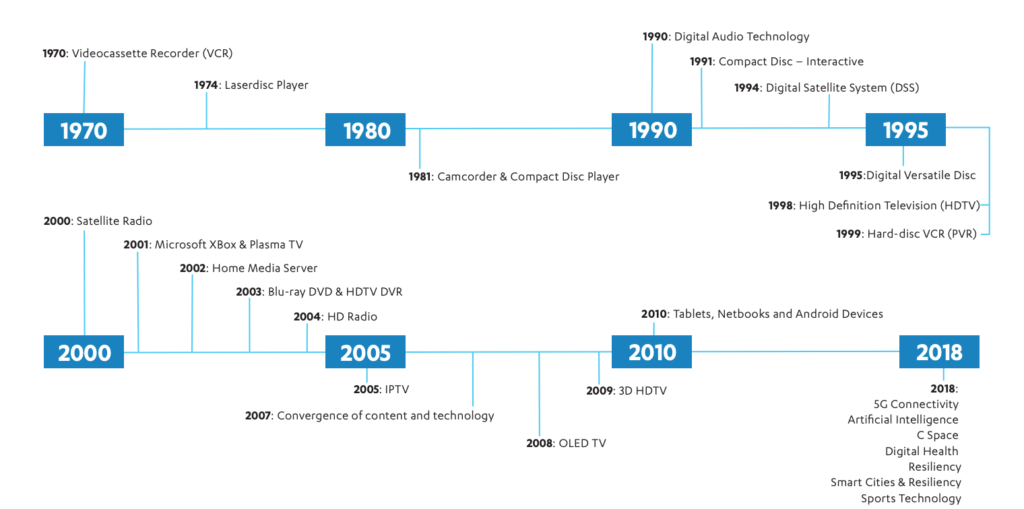
    CES began in 1970 where it highlighted new, world-changing technology like the videocassette recorder and the Laserdisc Player (1974.) Products that we use every day were on display and demoed at CES over the years, including Compact Discs, Satellite and High Definition TV, Xbox, BluRay players, streaming entertainment, Tablets, and Netbooks. The show now features Virtual Reality, Smart Cities, Self Driving Vehicles, and Artificial Intelligence among a lot more!

    Why do I go?

    The whole purpose of BecauseFamily and the Family Tech Blog is to protect children and teenagers by bridging the technology gap between kids and their parents. In order to do this, I work to be on the cutting edge of technological advancement. Our world isn’t just digital anymore, it’s connected, marketers are struggling to find new ways to market to younger, more knowledgeable generations, and psychologists are urging app makers and toy manufacturers to cut out screen time whenever possible. These are all facts I learned at CES and use to inform my workshops, blog posts, videos, podcast episodes, and meetings with parents after. There is much more to learn this year and since I am able to attend through media credentials from the blog, I’ll be there. I’ll be learning for you. The parents.

    CES 2018 Stats – ces.tech

    So Here I Go, Please Join Me

    I’m going to enjoy myself at CES. Vegas is a fun city. I enjoy being around the tech industry, I love learning about marketing, kid and teen tech, social media. and video gaming. I am excited to be an authority on these topics for parents so that I can have an answer to nearly every question I am asked when I work with families.

    While it will be fun, It is work, and it is important. I am extremely grateful to all who have supported BecauseFamily and who read and share my blog posts. Please stay tuned in to the blog, our social media, and our YouTube channel for coverage from the only tech blog covering CES exclusively for the purpose of educating parents and protecting kids. You can also follow me personally on my YouTube channel for daily travel vlogs from my trip. When I go to Las Vegas, what happens there, comes home, to you!

  • A Warning For Parents Buying Android Tablets for their Kids this Christmas

    A Warning For Parents Buying Android Tablets for their Kids this Christmas


    Android Tablets are a great option for parents who want to get their kids some form of screen device without breaking the bank. The addition of Android FamilyLink has made Android and even better choice for our kids’ introductory tech device. They are affordable, fairly easy to use, and most all apps our kids want to play or use are available through the Google Play store. There is, however an issue that faces parents when they are ready to set up these devices for their kids: compatibility.

    Compatibility is the ability of a device to run the software you are trying to install on the device. Android FamilyLink requires operating system 7.0 or higher in order to work on your child’s device. That means that if your device runs an older version of Android, the app that connects your parental control settings to their device won’t even be available to install from the app store.

    I ran into this problem today while helping a family set up controls on the brand new tech devices they had purchased for their two girls. I initially thought it odd that on one device I could login an account as a child and on the other I could only make a basic adult Google account. Then, halfway through setup I realized that one tablet would run FamilyLink while the other would not. Both of these devices had been purchased from the same place on the same day and were brand new, not refurbished or used, but the operating system was different in each tablet. One was running Android 4.4 while the other, the one that let me set up FamilyLink, was running Android Version 7.1.

    I understand that newer software will not work on older devices but these are two devices being sold at the same time as brand new. There is nothing, without further investigation, that would cause a parent to expect they couldn’t do all the same things on both tablets. The truth, though, is that not all Android Tablets are equal. We won’t get into opinions on Apple vs Android but I will make this comparison: when Apple updates their operation system ( iOS) they ping all of the devices at once and encourage installation of the newest version of the software. Android, however, is a crap shoot. You have to go see if your device will be compatible with the newer software every time a new one comes out. The main reason for this is that different companies make phones that run Android while Apple makes the device, the operating system, the app store. Basically the whole shebang.

    People have different tastes and whether it’s the way the software functions, the look and feel of the phone, or just not wanting to spend as much money, Android will always be a significant part of the smart device market. My advice isn’t to just always use Apple products. I will encourage parents, instead, to always look at the specifications of any device you want to buy and see what operating system it is compatible with. If you are buying an Android product and want to instal FamilyLink, the device must run 7.0 or higher for the FamilyLink Children and Teens app to show up as downloadable in the Google Play Store. Otherwise, you’ll be looking for some third party app or combination of third party apps to add parental control functionality to your devices.

    Need help? Shoot me a message HERE.

  • Looking Forward to CES 2019

    Looking Forward to CES 2019

    As CES 2019 approaches (my flight leaves in 17 days) I find myself more and more interested in the different topics that will be discussed at the Kids@Play Family Tech Summit. The summit features leaders in the industries of tech, toys, education, psychology, software, and entertainment. Sessions last all day long and the topics discussed are exactly the kind of information we parents need to know as we raise our kids in this digital age. The problem is, those in attendance are all industry people who are making apps, toys, and technology for our kids and families. There is very little to no representation of those who work to educate parents themselves on the connected age we live in. That’s where I come in.

    To my knowledge, BecauseFamily’s FamilyTechBlog, is the only publication in attendance at CES that offers our news and stories exclusively from the viewpoint of helping parents protect their children. While I sit and take notes and record footage of the summit my mind is processing how this information can help parents make quality decisions to keep their kids safe on their tech devices. I am glad that this event exists and happy that leaders in this industry are having serious discussions about how to be responsible while developing their products for children. I am also glad that our donors and readers have made it possible for me to be there, as the only exclusive family tech safety website in attendance, and report back to you.

    Here is some of what I’m looking forward to seeing, learning, and reporting on at CES 2019:

    • Jobs of the Future
    • Coding Without Screens
    • Gaming and Creativity
    • Tech Addiction
    • Data and Privacy for Connected Kid’s Products
    • Augmented and Virtual Reality to Help Kids Get More Active

    There is a ton more that I’m excited to see and learn but these are going to be the highlights for sure. Parents are always asking about things like gaming and tech addiction and the jobs that are available to our children now will be completely different in ten years. Having some insight on these questions will be pivotal to making decisions as parents. Many of us have issues with keeping our kids active as they’d rather play with tech than each other at times. Can the tech increase their activity without impacting them in other negative ways? Finally, coding will soon be a skill that is not optional if you want to have your pick of the jobs of the future. How can we introduce coding logic and principles to our children without exacerbating the screen addiction problems we already see in out kids? I am looking forward to finding answers or at least more insight on these topics and questions at CES 2019.

    You Can Help!

    Very briefly, allow me to ask for your help for this trip to Las Vegas for CES 2019. The costs associated with this event are covered solely by donations from our non-profit partners and donors. If you would like to sponsor a meal, an Uber or Lyft ride, or something like that, please visit BecauseFamily.org/partnership to see how you can donate to BecauseFamily and send your family tech safety representative to CES on your behalf. Thank you.