Tag: survey

  • iPhone, Netflix, and Instagram are Dominating Teen’s Time Online

    iPhone, Netflix, and Instagram are Dominating Teen’s Time Online

    A new survey by research firm Piper Jaffaray called “Taking Stock with Teens” has highlighted some of the most noticeable trends in teenagers’ purchasing habits and tastes. The survey polled more than 8,000 teenagers about how they spend their money and what influences their purchase decisions. The average age of teens surveyed is 16 and the survey is done every spring and fall. The Fall 2018 survey revealed a dominating presence by iPhone, Netflix, and Instagram.

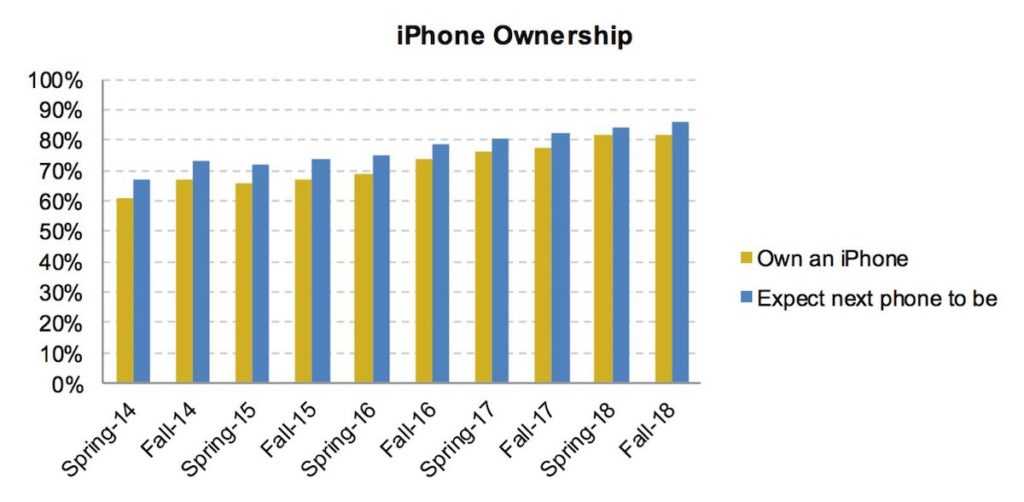
    The survey concluded that 82% of teens owned an iPhone and 86% planned to buy an iPhone for their next smartphone. The iPhone has dominated the marketshare for a while now but it’s still growing in the Teen market. Only 10% of teens said they planned to buy an Android phone. Nearly half of those surveyed said that the brand of a product had a major influence on their decision to purchase.
    Instagram is now the social media leader among teenagers passing up Snapchat and Netflix provides the most streaming video to our adolescent kids at 38% of the share vs 33% for YouTube. Other interesting info from the survey is that food is the highest budget priority for teens, they prefer to shop online, and the majority of video game purchases are now made through online download.

    What Parents Should Know

    This info is meant to help marketers plan their products and advertising campaigns but it can go a long way to help moms and dads and other guardians of kids better understand how our teenagers tick. The emphasis on the iPhone speaks to the exclusive nature of the brand, the appeal of feeling like you belong to a niche group causes kids to move towards a brand that is considered to be more premier than the rest. Instagram has passed snapchat by adding much of the features that kids loved about Snapchat without changing the core timeline of the app. Snapchat has admitted to making a mistake by altering what made their app popular with the younger crowd. After going public, Snap made decisions to buffer their ability to become a marketing destination for companies. This undermined their core fanbase of kids and teens who are more likely to skip an ad or unfollow an account that seems to be too “pitchy.”

    Netflix is now a more popular video streaming service among teens than YouTube, though not by much. The focus on original content and many of our kids’ favorite stars creating shows and movies for Netflix is driving them to use the streaming service. There has also been a surge in younger people enjoying television shows from the past twenty years or so because of Netflix’s ability to keep those shows streaming on their service. While YouTube is pushing their own TV solution, Netflix is just continuing to build upon the genres they created and it seems to be drawing in folks from most demographics.

    I want to conclude by mentioning again that kids are buying their video games through online downloads. This means that the restrictions on games have to be set digitally or your kids can buy whatever games they’d like. If you have set up their Xbox Live or Playstation accounts to make purchases then they can buy whatever games they’d like without any restriction. You have to set that up yourself. There is no longer a cashier at the store who will ask to see your kids id when they try to buy a game that is rated M for mature. It is up to you to get those settings set up.

    This data is super helpful for us, as parents, to understand our kids’ preferences and influences. Information like this can help us make quality decisions and chose the right battles when trying to protect our kids from adult content, online predators, cyberbullying, and other dangers of using the internet with no filters or boundaries. Subscribe to our newsletter, our YouTube account, our Twitter and Facebook, and to our podcast to stay in the know as to what’s happening in the digital and connected culture your kids are growing up in.

  • Common Sense Media Releases Six Year Study on Teens and Social Media

    Common Sense Media Releases Six Year Study on Teens and Social Media

    Non-Profit research and resource organization, Common Sense Media, released their six year study of teenager’s use of social media. The survey based study polled more than a thousand teenagers from ages 13-17 and from all walks of life. Some of the results were surprising while most were exactly what you’d expect.

    In the video above, I walk through some of their findings and my thoughts on them but I’ll list some of the highlights below:

    Teens use social media now more than ever before.

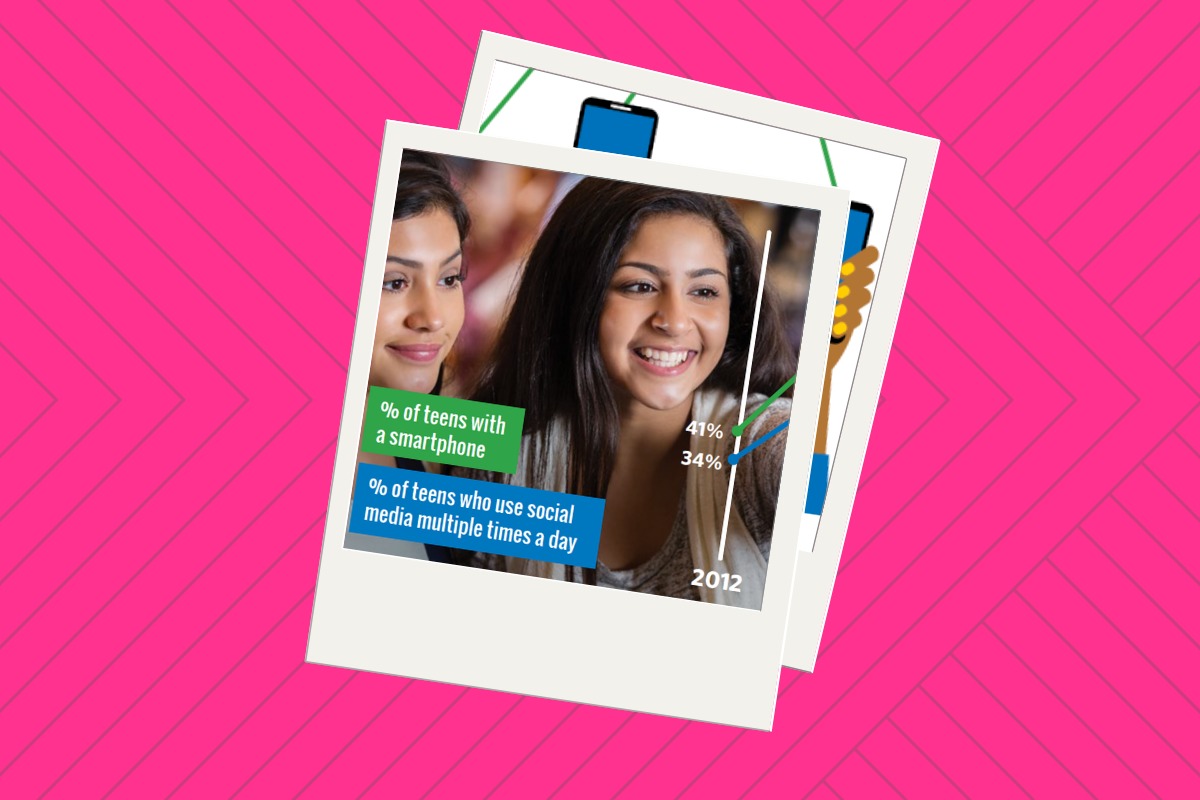
    Put this down in the not surprising category. The study found that there was a large increase in the number of teens who say they use social media in 2018 compared to 2012. Also, Facebook isn’t as commonly used by teens as it was six years ago with Snapchat and Instagram being the favorite of most of those surveyed.

    Social media is very important to most teenagers.

    Also not surprising is that many teens aren’t too good at self regulating their device usage and that many prefer social media interaction above face to face.

    Social media plays a critical role in the lives of most of those polled in this study. They agree that there are positive and negative affects but most feel that there are more benefits to their social media use than negative impacts. Those who were considered to have a low “social-emotional well being” were found to have more negative impacts from social media and most of those impacts were from bullying, racism, and sexism. Also not surprising is that many teens aren’t too good at self regulating their device usage and that many prefer social media interaction above face to face.

    Teenagers are wise to tech companies’ attempts to manipulate their users.

    A large majority of teens say that they believe tech companies manipulate their customers to encourage more device use. They admit that, sometimes because of this, they are often distracted by their devices when they should be doing something else. Many say that digital obsession is a problem for their parents as well. Also, quite an eye opening find.

    What Parents Should Know.

    Social media isn’t a phase and it is not something that you can keep your kids from forever. The most important thing is that when they begin to log in to social media accounts, they have an idea of what it means to do so safely. Model healthy social media and technology use for your children and try not to be hypocritical about your screen time limits. Talk to your kids about the time they spend online and let them know that they can come to you when something inappropriate or dangerous happens. 

    Know your child and if they seem to be the type who would be affected negatively by the use of social media then you shouldn’t allow them to use it. Encourage more face to face interaction with their friends and facilitate that with rides and your schedule. Finally, know that social media is a serious topic for your teen, a negative attitude that lacks any empathy to that fact will cause your advice to fall on deaf ears. Speak to your kids about healthy tech use and let them know this is a partnership, not a dictatorship where what you say goes and they’ll have to obey because you said so.

  • Bullying in 2017

    Bullying in 2017

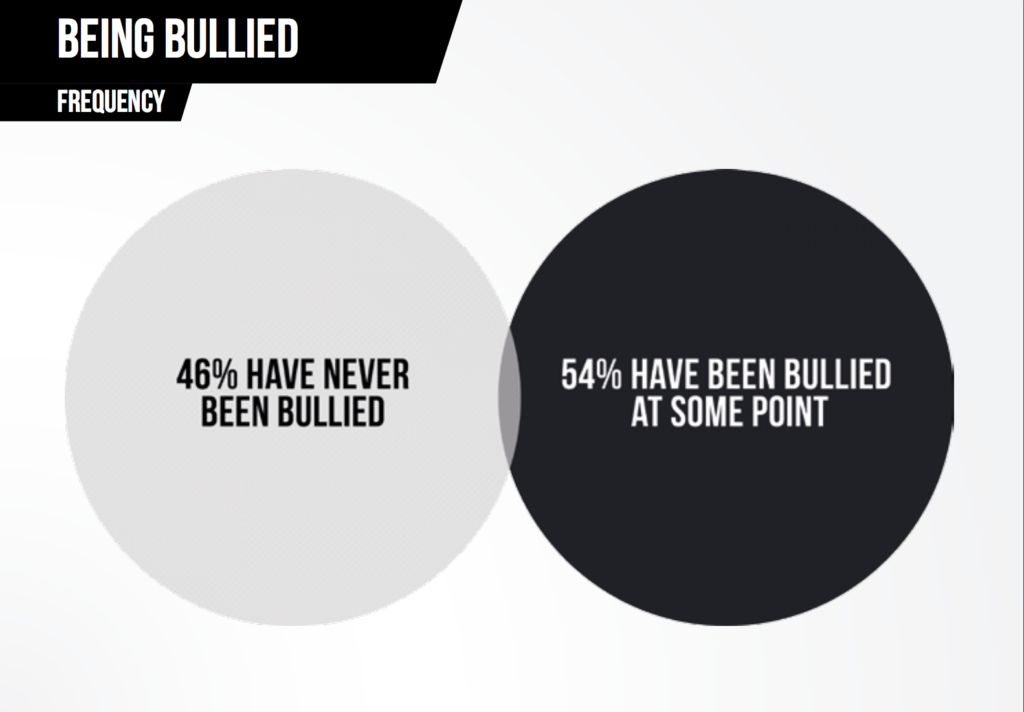
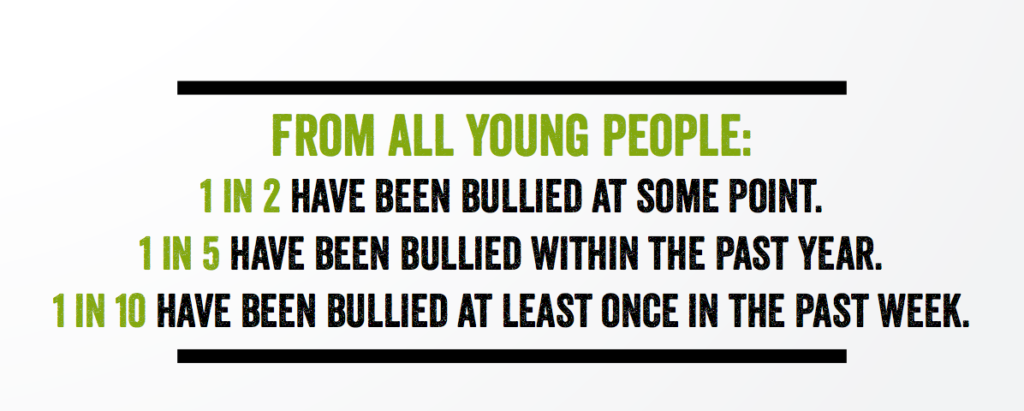
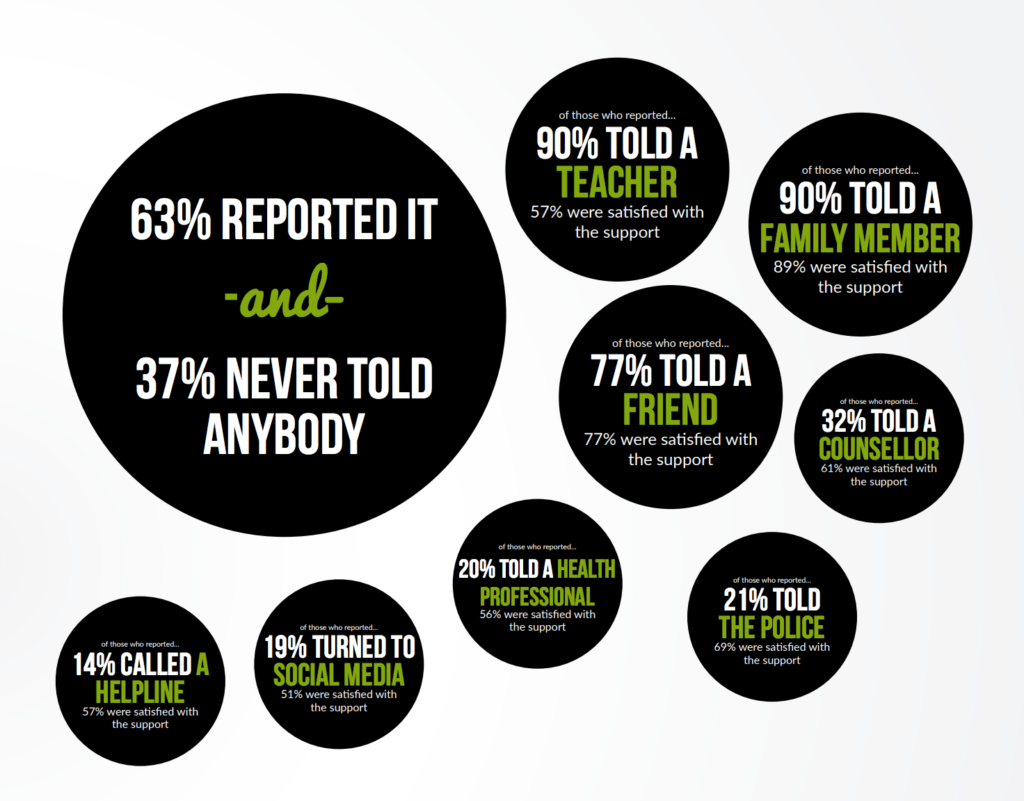
    Ditch the Label has released their annual bullying survey and the results aren’t surprising at all.  It seems that bullying is increasing and people feel more comfortable bullying online than offline. They surveyed over 10,000 people between the ages of 12 and 20. The people they surveyed all lived in the UK and could answer gender identity, race, religion, and other questions to help get information about the reasons behind bullying. You can see some screenshots of the results I found interesting below.


    Another interesting fact pulled from this study was that young people considered Instagram the most common social media site for bullying. Facebook came in a close second. The reasons for bullying varied greatly in the study with appearance and interests/hobbies being the most common and gender identity, sexuality, and religion all coming in near the bottom of the list. This is the largest study of its kind with some of the most extensive and well rounded results we’ve ever seen. This should be a great resource to parents, teachers, and school officials.

    What Parents Should Know

    I preach research and education for parents every single day. This is the kind of information parents need to be aware of. Notice that in the final screenshot about who kids went to when they were bullied, those who say they reported to a family member said they had the highest satisfaction in the support they received. Parents, aunts, uncles, grandparens, and everyone else with a family relationship to a young person need to be ready to have these conversations about bullying and how to handle it. It’s important to understand the issues facing your teens and to know how technology has escalated these issues.

    Go read up and learn all you can. You can see the entire report from Delete the Label on this PDF here.

  • Instagram Voted Most Narcissistic Social Media Platform

    Instagram Voted Most Narcissistic Social Media Platform

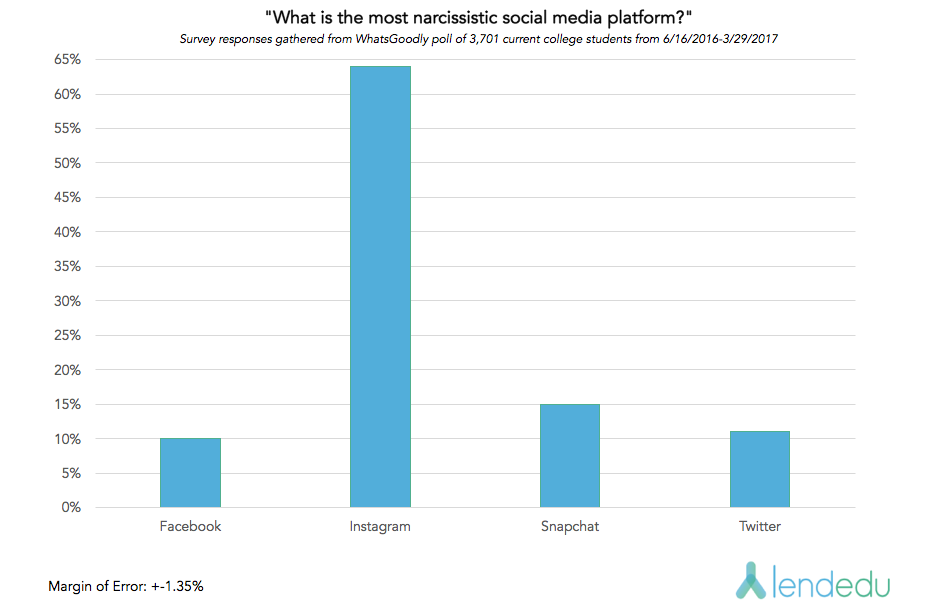
    We’ve all seen that special selfie smile. The one that doesn’t allow your eyes to crinkle since we don’t like how our faces look when we laugh. This smile is most noticeable on the photos in your Instagram feed. As you scroll through you’ll see a version of people’s reality that usually makes their life look incredible. Is it possible that people are just posting to get more likes and comments on their photos? Could, maybe, these posts be a vain attempt to be accepted by your peers online? A large group of young adults were polled and they think that’s exactly what’s going on.

    A recent study by LENDEdu rates the vanity of the users of major social media platforms. Facebook, Snapchat, and Twitter users all seem to be equally motivated by getting likes but Instagram users are extremely more driven by that double tap. It’s all about getting the LIKES on Instagram. So much so that more young people voted Instagram as the most narcissistic platform than the other three platforms combined.


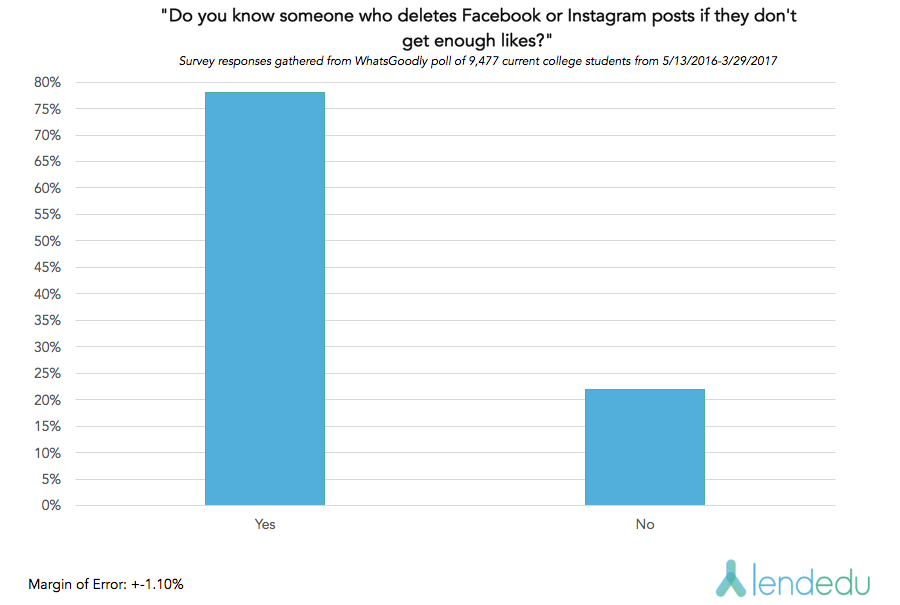
    In fact, likes are so important that many who were polled admitted to taking down a photo or video if it didn’t get enough likes. This strengthens the case for the narcissism of Instagram. Some even use social media to create a different version of themselves. If they aren’t perceived in the way they’d like to be perceived they’ll just remove the evidence like it never happened. They also speak of an unspoken rule in which you like the posts of those who liked yours. This code of conduct allows users to build their desired persona while helping their friends build theirs.


    What Parent’s Should Know

    If you use Instagram you would probably answer these questions the same way. It’s obvious that people are only posting what they consider the best version of themselves on social media. When it comes to our teenager and tweens there is a risk involved with wrapping your self worth around the response your posts get online. Our children should be taught how to find their confidence and identity in something other that what others think about them.

    The “narcissism” referred to in this study points to young people in our culture’s desire to be accepted. That desire has always existed but it’s so very volatile in this increasingly global world. While social media may have been invented to allow us to share our experiences with the world, in reality, many are posting a filtered (literally) version of their lives. The quest for likes and approval from those who follow our accounts can easily lead to negative consequences in our children’s lives.

    My advice is to keep your child away from social media as long as possible. When you feel they are mature enough to have the right attitude about their reasons for posting online then let them open an account. If you feel they are merely looking for acceptance from their peers then it may be a good idea to delay access to such obvious criticism. As a parent you are what stands between your kids and some of the emotion that can come with your online activity being commented on, liked, and hated. Step in and take action to protect them from some of those potential negative emotions until they and you feel they are able to handle the load.