Tag: smart home

  • The Weirdest Tech Trends at CES

    The Weirdest Tech Trends at CES


    Attending CES for my second year gave me a completely different outlook on the experience. Not only was I less interested in walking around the major company’s booths to see them talk about the same stuff they were marketing last year, I also noticed some trends that I’m hoping will go away. As I will say in my conclusion, I am a huge fan of new tech and usually want to own the latest products. Some stuff, however, was too silly even for me. It was also too silly not to share with you.

    Smart Pet Tech

    We have had tech for our pets for quite a while now. Microchips identify our dogs and their owners and can help us locate them when they’re lost. Many products have come out that allow us to keep our pets fed without actually having to remember to put food in a bowl more than once or twice a week. It seems, however, that some of the latest pet tech exists just to hop on the trend train. Especially the trend of calling your product smart.

    Dogness JS04 is a smart dog leash. Yep, a retractable dog leash that apparently has enough tech in it to be called “smart.” Truthfully, all this leash does is allow you to connect a speaker, a light, or a container for your poop bag. Other pet tech gave you useful tools like a self cleaning litter box, doggie doors that only open for your dog, and even an indoor doggie toilet. Much of the pet tech, however, was just created to sell something that they could call smart.

    Companion Robots

    Apparently you need a robot companion. Not only do you need one, so do your kids. The CES show floor was loaded with small robots for your kids and many of them were simply plush toys with a built in screen and/or voice assistant. Some companion robots will tell you stories, some help translate languages, many of them dance, and even more can be used to control the smart devices in your home. Most of these companions require you to look at or even touch the screen on their face to use them and only a couple had any parental screen time control built in.

    My question is why do my kids need a robot as a companion? I have four children, the one thing they do not need is another companion. While I guess an expensive stuffed animal with a voice assistant in it is still cheaper than having more kids, can this toy with cheap artificial intelligence actually be a friend to my child? Maybe it can help my kid learn some things, maybe it can be fun, but in reality it’s never going to be more than a toy, is it? The people developing these robots speak of them like they’re the new pet. Like your family is going to buy, name, and care for a stuffed animal robot like it does your dog Fifi…I don’t think so.

    Voice Assistant Bathroom

    Haven’t you ever just walked into your bathroom and wished you could tell your toilet seat to open and it does what you say? Remember the last time to went to the bathroom and just wished the inside of your shower or toilet would glow with green LEDs? No? I haven’t wished any of these things either but apparently CES isn’t about giving people what they wish they had but for showcasing things that people will assume they need since it’s a thing now. I understand that for someone who physically can’t bend down and lift a toilet seat, this product is a game changer. That’s awesome! My point is that they aren’t branding and marketing this tech as health products, this is considered high end technology for your home. I’m sure many will consider it just that and buy a glowing toilet so they can impress their friends at their next cocktail party.

    Foldable Smartphones

    Some products come out because the technology required to make the product is just so darn cool. The foldable phone is one such product. OLED screens are super duper thin and can work while rolled, folded, and bent. They’re being put into televisions and wall hangings and even entertainment centers in which the tv screen rolls up inside the table and then rises at the flip of a switch. As I played with a couple of foldable screens at CES I saw some neat uses for them. I wasn’t impressed with the foldable phone though. The features were pretty neat I guess but I’m just not interested in one tech device becoming all of my tech devices rolled (literally) into one package. If I have a tablet and a phone and a laptop I use them for different things and want them to be different things. I don’t need my tablet to fold down into a phone or vice versa. I truly think this trend is exactly that, trendy, and I don’t think we’ll be talking about foldable phones in five years.

    I Still Love New Tech

    Some of the trends you see at a trade show like CES are ridiculous but the cream truly rises to the top. The market tends to balance out and eliminate products that are too silly to survive. I couldn’t help but laugh, though, as I walked the show floor and looked at the majority of the booths selling smart versions of things that don’t really need to be “smart.” It was entertaining to see products that were mind bogglingly new at last year’s CES be basically copied and rebranded by other, smaller companies. That’s the way things work, I get it, but I see why some tech writers only cover CES every other year.

    What tech trends do you think are silly? What are interesting to you? Would you like your toilet to obey your voice commands? Comment below and tell me the reason you think that “smart” product I think is silly would absolutely change your life. 
  • Facebook Portal is a Microphone, Camera, Smart Speaker, and Screen for Your Home

    Facebook Portal is a Microphone, Camera, Smart Speaker, and Screen for Your Home

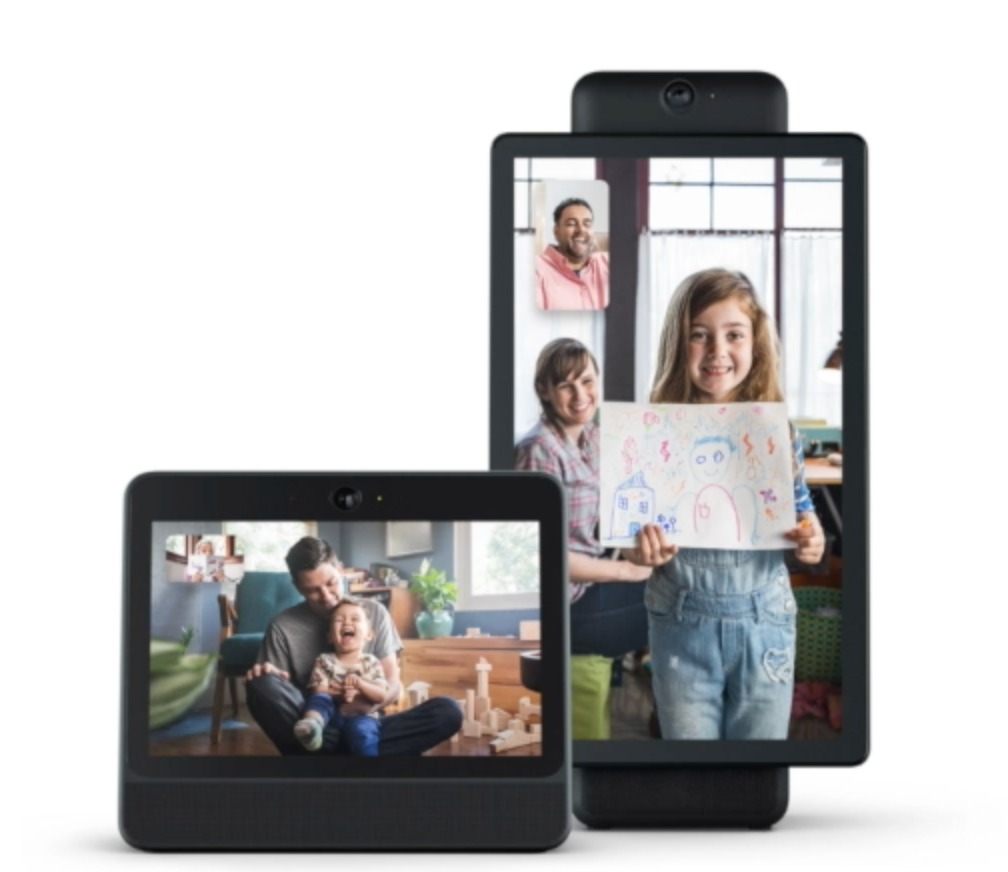
    Facebook can’t stay out of the news. Going to Washington to testify about their privacy breeches, chain messages about hacked accounts, and copycats creating fake profiles to trick people’s friends. Today, the social media giant is in the the news for a different reason, they’ve released a smart speaker. Now you can keep Facebook Messenger always running in your home. Sound good?

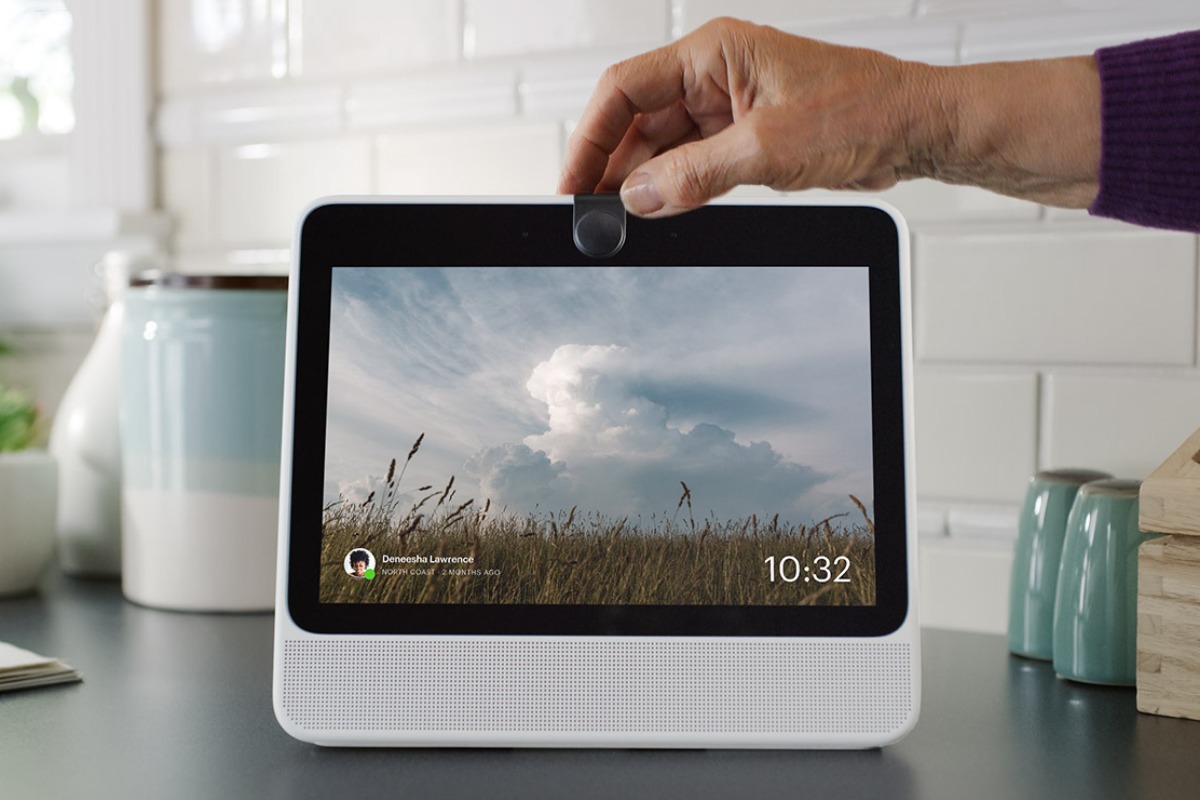
    Facebook Portal is a touchscreen smart speaker that seems to be created mostly to keep you connected with friends and family through messenger. The camera follows your face while you chat, allowing you to walk around the room or even talk with more than one person and then zoom in to focus on one or the other. The team claims that they use a 2d tracking technology, not face id in order to locate people in the room. This is to curb possible privacy concerns when it comes to facial recognition. Portal and Portal Plus also have an on/off switch for the mic, and a privacy clip that you can attach to cover the camera lens. It’s almost like the folks at Facebook think you don’t trust them with your privacy.

    portal.facebook.com

    The smart speaker also connects to Spotify and Pandora and will use Alexa to connect to some smart home appliances and devices. You can watch videos on Facebook and Facebook Watch and they claim that more video partners are coming soon. (YouTube, Amazon Prime, and Netflix anyone?) One feature everyone thinks is neat is the ability to read stories for children through chat and use augmented reality filters to increase the fun of story time. The example used features the story of the three little pigs and not only does it progress through story artwork as you read but it puts the mask of the characters on the reader while they read that character’s lines. A fun idea to make young ones sit down and chat with grandma, gramps, or auntie for a while longer. 

    portal.facebook.com

    What Parents Should Know

    My family doesn’t have a smart speaker in our home. Not even the one Amazon made for kids. I don’t like having an “always on” microphone hanging around. I’m pretty particular with how my data is used. I don’t mind Amazon using my shopping history to recommend things for me to purchase but I’d rather they not do so using my conversations with my wife. 

    Facebook is trying to ease users minds with their privacy focus on Portal. The audio chip that hears you call the wake word (Hey Portal) is separate from the one that sends audio to Facebook and even that is encrypted end to end. (The data is scrambled up for its whole journey across the internet from your device to Facebook and then to the recipient, if applicable.) They include the clip to cover the camera and even an on/off switch to disconnect the power to the microphone and camera. 

    These devices preach a message of connection and try to focus especially on connecting with older members of your family and to your kids. We know that connection over a screen isn’t always as beneficial as face to face connection but sometimes it IS our only option. In this case, a free standing device that exists mainly just for these kinds of connections (think, telephone in the 1980s) isn’t too outside the box. Even with all of their privacy additions, though, I still have a concern about putting a device with a camera and microphone in it in my living room that was designed by and always connected to Facebook. 

  • PODCAST: Will My Family Get an Amazon Echo Dot for Kids?

    PODCAST: Will My Family Get an Amazon Echo Dot for Kids?

    Family Tech Update: YouTube has taken down over 8 million videos, is it enough? Snapchat has games on their camera, and Amazon wants to listen to your kids.

    Screen-Free Week Hashtag: #BFScreenFree


    Social Media Links

    Facebook: http://facebook.com/becausefamily

    Instagram: http://instagram.com/becausefamily

    Twitter: http://twitter.com/becausefamily

    Newsletter Sign up

    Ministry Updates:: http://eepurl.com/R7Btr

    Weekly Blog Posts:: http://eepurl.com/cvnhXD

    Websites

    Ministry Site:: http://becausefamily.org

    Tech Blog:: https://safe.becausefamily.org

    Michael’s Speaking Info:: http://kmichaelprince.org

    Donate and Affiliate Links http://BecauseFamily.org/partnership

    Music by Kevin MacLeod at http://Incompetech.com

  • Soon, All Tech Will Know Your Face…Get Used to It!

    Soon, All Tech Will Know Your Face…Get Used to It!

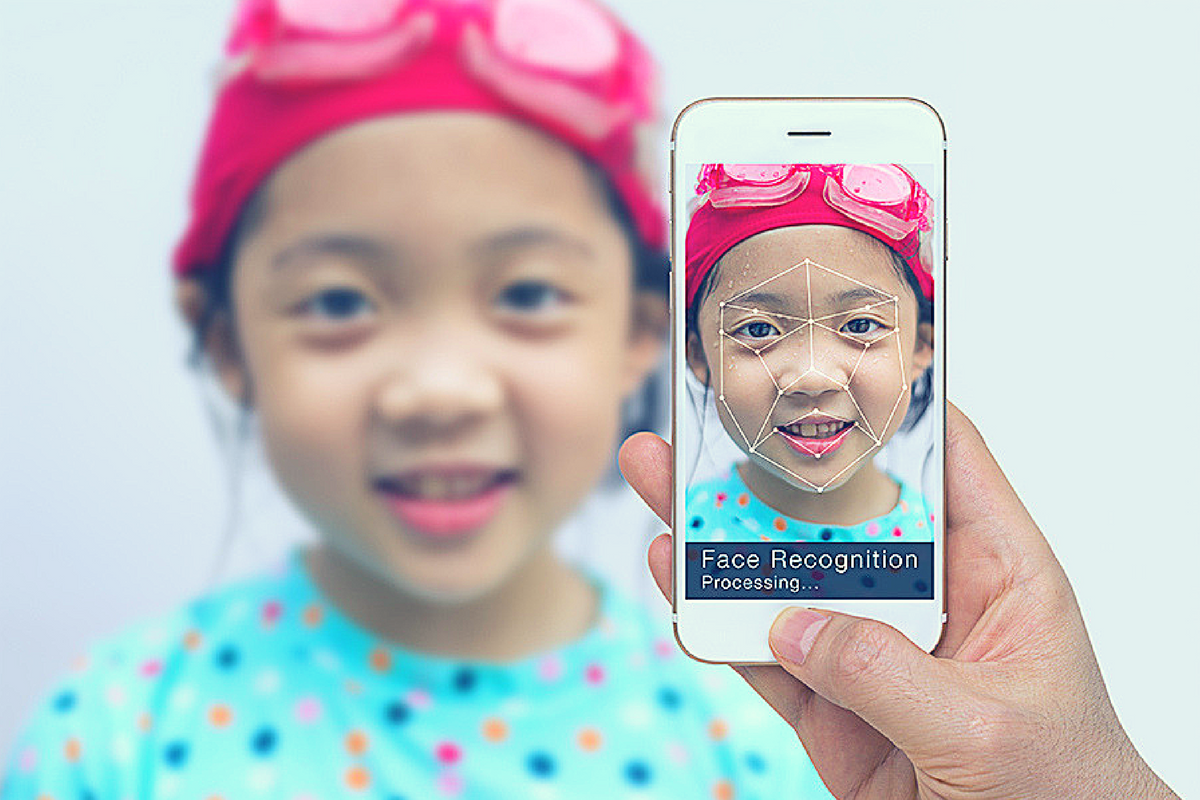
    Facial recognition is one of the hot-button topics of 2017. iPhone is featuring it now, several social media platforms have been using it for a while to help you tag your friends in photos. In fact, Facebook has just announced how they’re using facial recognition to help the blind learn more about photos on their timeline. Artificial intelligence in our social media timeline tells us what images and posts we want to see first, it identifies who is in our photos, it even decides what ads we will be most likely to click on. Social media isn’t the end of facial recognition AI, though. As I prepare to head to Las Vegas for the Consumer Electronics Show (thank you, by the way, your readership of this blog made that possible) I see more and more smart-home and gaming tech using facial recognition for their main functionality.

    Security

    The application of facial recognition in security tech should be pretty obvious. Amazon has a camera that you mount outside your door that will only allow approved delivery people into your home to drop off your packages. Smart security tech will use motion sensors and facial recognition to identify who enters a room and determine if they belong or not. If you aren’t approved, an alert goes to the homeowner and they can decide to alert the authorities or not based on seeing the picture that the security device took of you.

    Smart Home Tech

    Smart home technology isn’t early market anymore, it’s actually becoming more of a mainstay in the American household. People are calling out to Alexa, Google, and even Cortana more an more every day. The latest technology will be featuring the ability to recognize you and adjust the “settings” of your home accordingly. Think lights dimmed, music on to your playlists, coffee part started, and your tv turned on to your favorite channel. Most of the latest smart home tools are putting cameras on their devices and making facial recognition standard in their algorithms. That means that more and more “affordable” or “budget” devices will be scanning your face. When you pay less for similar tech, what you usually save money on is the privacy and security side of things. You have to be careful to understand the security settings and privacy policies of any “smart” device you purchase.

    What Parents Should Know

    Every single new tech development has the challenge of balancing convenience and progressiveness with security and privacy. Having your lights come on because a device saw your face walk into a room sounds like a really convenient thing. Being alerted by Facebook when someone uploads a picture of you is a great idea. It can help you keep photos you don’t like of yourself off of the internet or just help you make sure you are tagged in the photo you’re in. If all of these new technologies can ensure that your identity is secure then it’s a great way to use the latest developments to add convenience to your life. 

    My advice with the newest releases is always to wait a while. Let the lawsuits and hackers do what they will before you own one of the devices and your personal data is in jeopardy. Once it’s been out for a while then maybe integrate it into your life, but only if you know how to set it up and secure it properly.