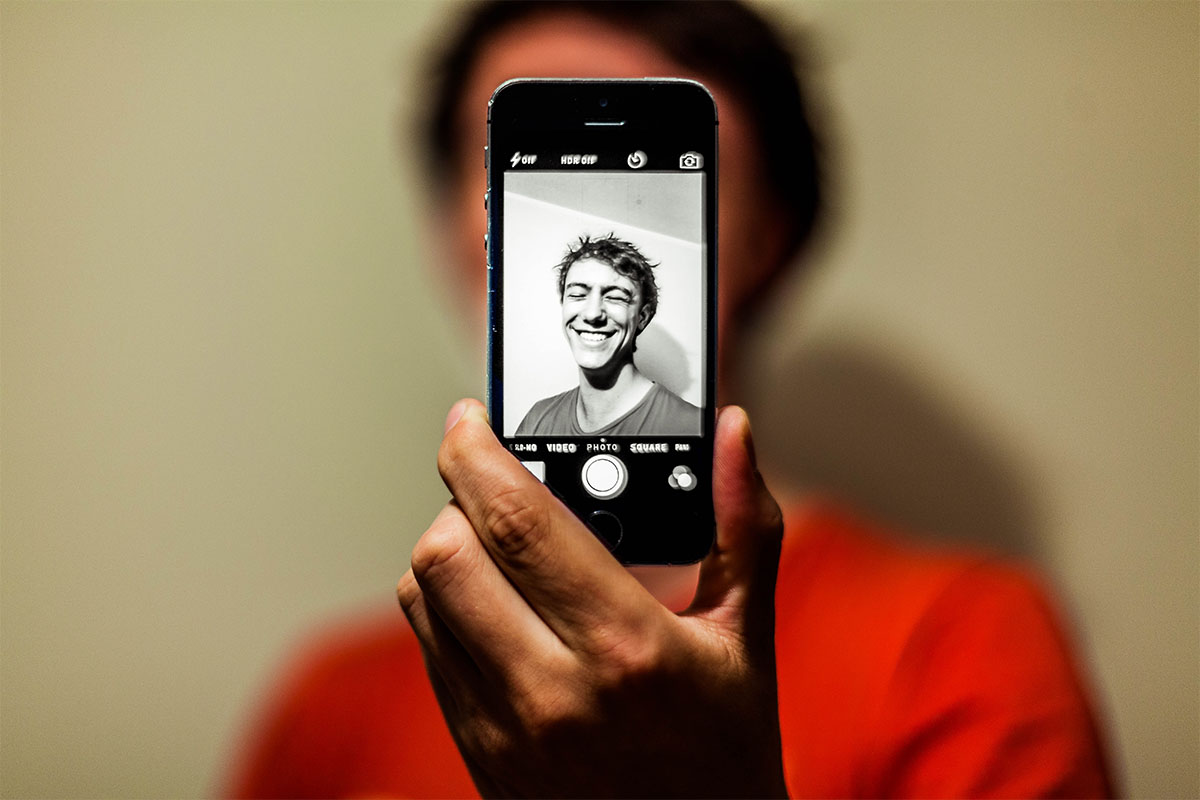
We’ve all seen that special selfie smile. The one that doesn’t allow your eyes to crinkle since we don’t like how our faces look when we laugh. This smile is most noticeable on the photos in your Instagram feed. As you scroll through you’ll see a version of people’s reality that usually makes their life look incredible. Is it possible that people are just posting to get more likes and comments on their photos? Could, maybe, these posts be a vain attempt to be accepted by your peers online? A large group of young adults were polled and they think that’s exactly what’s going on.
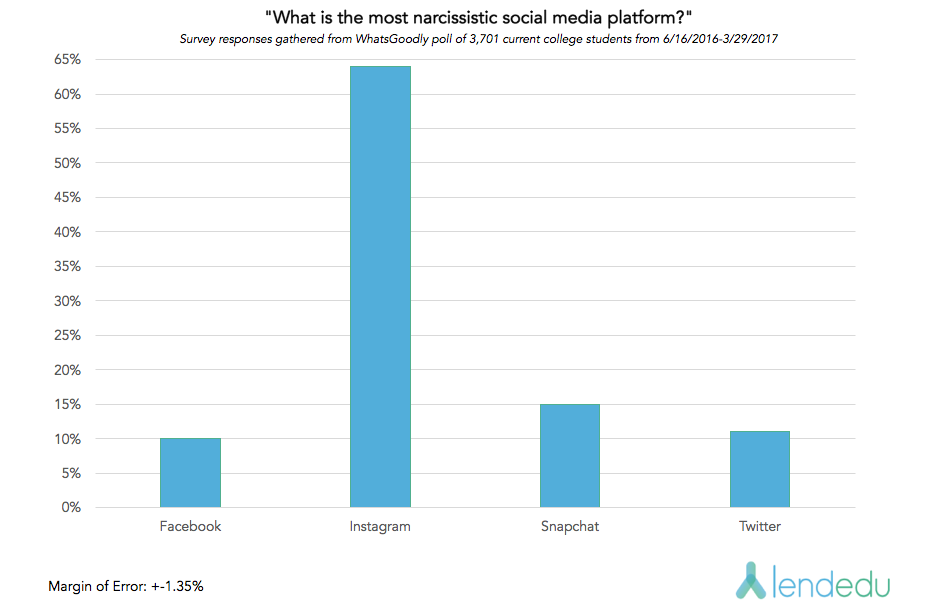
A recent study by LENDEdu rates the vanity of the users of major social media platforms. Facebook, Snapchat, and Twitter users all seem to be equally motivated by getting likes but Instagram users are extremely more driven by that double tap. It’s all about getting the LIKES on Instagram. So much so that more young people voted Instagram as the most narcissistic platform than the other three platforms combined.
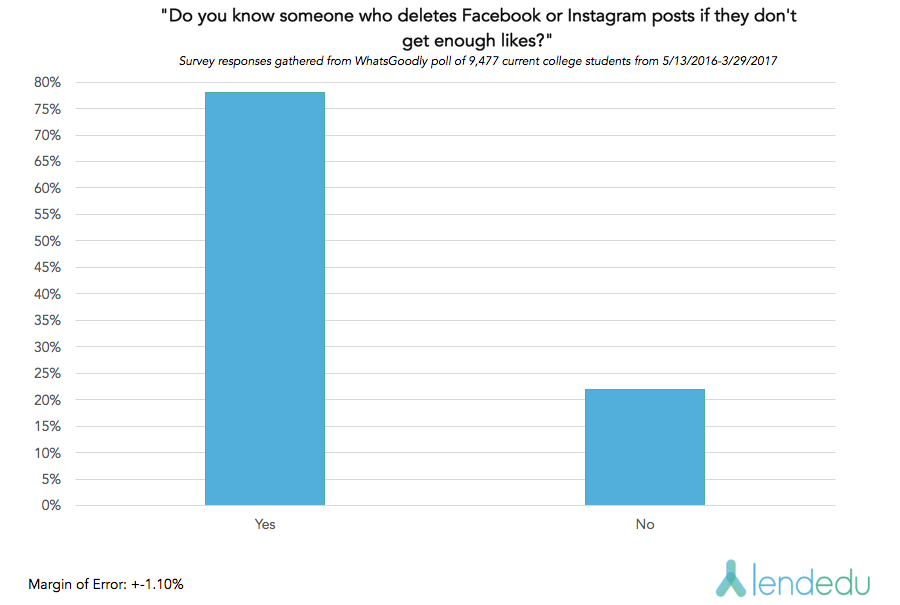
In fact, likes are so important that many who were polled admitted to taking down a photo or video if it didn’t get enough likes. This strengthens the case for the narcissism of Instagram. Some even use social media to create a different version of themselves. If they aren’t perceived in the way they’d like to be perceived they’ll just remove the evidence like it never happened. They also speak of an unspoken rule in which you like the posts of those who liked yours. This code of conduct allows users to build their desired persona while helping their friends build theirs.
What Parent’s Should Know
If you use Instagram you would probably answer these questions the same way. It’s obvious that people are only posting what they consider the best version of themselves on social media. When it comes to our teenager and tweens there is a risk involved with wrapping your self worth around the response your posts get online. Our children should be taught how to find their confidence and identity in something other that what others think about them.
The “narcissism” referred to in this study points to young people in our culture’s desire to be accepted. That desire has always existed but it’s so very volatile in this increasingly global world. While social media may have been invented to allow us to share our experiences with the world, in reality, many are posting a filtered (literally) version of their lives. The quest for likes and approval from those who follow our accounts can easily lead to negative consequences in our children’s lives.
My advice is to keep your child away from social media as long as possible. When you feel they are mature enough to have the right attitude about their reasons for posting online then let them open an account. If you feel they are merely looking for acceptance from their peers then it may be a good idea to delay access to such obvious criticism. As a parent you are what stands between your kids and some of the emotion that can come with your online activity being commented on, liked, and hated. Step in and take action to protect them from some of those potential negative emotions until they and you feel they are able to handle the load.