Tag: parents

  • What’s With Kids Watching Other Kids Play with Toys?

    What’s With Kids Watching Other Kids Play with Toys?

    It was originally called “unboxing” and it’s not new. Tech nerds have been watching online videos of other people open and try out products for more than fifteen years. YouTube coming in 2005 aided in a surge in popularity in the unboxing genre, which is now one of the most popular categories on the video streaming site. What has taken parents by surprise recently is how much their own children like to watch other kids play with toys on YouTube.

    Companies are lining up to have kids play with their products on their YouTube channels and many of these channels are receiving marketing deals to add to their hundreds of thousands of dollars per month of ad revenue from YouTube itself. One such channel, “FunToys Collector Disney Toys Review” has more than ten million subscribers and is estimated to have made over $550,000 so far in 2018. Often (but not always,) these YouTube stars are often given toys to open for free. They usually have to post a notice that they received products for the video, but viewers don’t care. They just want to see what the latest toy can do outside the box.

    These videos can serve a purpose, however. They allow us to see what products are like before we buy them. Many people admit to watching review videos online before deciding to make a purchase. We read Amazon reviews to help us decide which vacuum we want to get. These toy videos can help parents weed out toys their kids may think they are interested in until they see them unboxed and used. Unboxing is one thing, but what about watching other kids play with the toys, is that weird?
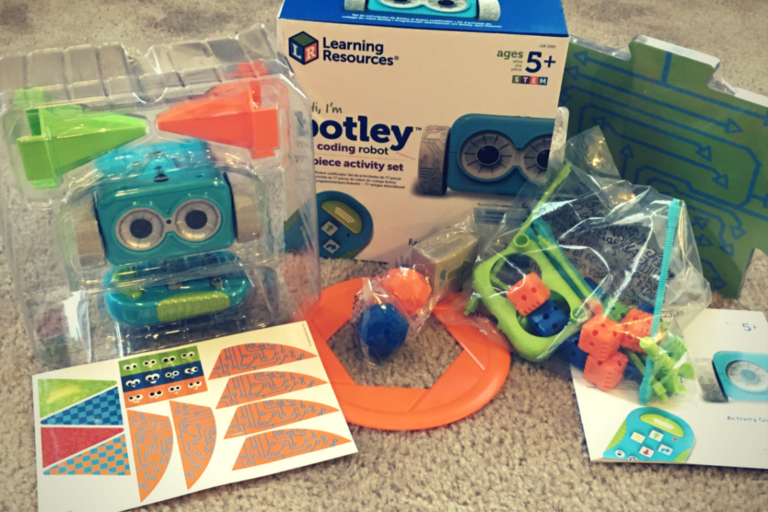
    Check Out: Botley the Screen Free Coding Ed Robot Product Review

    Our desire to see people use things we don’t have isn’t reserved only for children. We watch reality shows about the drama in the lives of the richest members of our society. There are entire channels dedicated to people buying extravagant homes and their popularity is driven by the desire to see others who have what we cannot or have not attained. We sit and watch shopping infomercials, never buying anything, but watching how the items can be used. Lets Play videos and eSports also speak to this need, allowing video game fans watch games perform at higher levels and maybe even play games that fans aren’t able to get their hands on right away. It’s a form of entertainment and it meets what some psychologists say are critical instincts that are within all of us.

    Memetic Desire

    At the risk of sounding like a neuroscience and psychology nerd, I’d like to explain some of the instinctual foundations of our love for unboxing and product demo videos. Memetic desire is the type of longing that comes from seeing someone else enjoy something. When you order the salad and your date orders the cheeseburger and you just have to have a bite is an example of memetic desire. The burger didn’t sound good when you were ordering but seeing your date enjoy it made it irresistible. The popularity of these videos is likely due in great part to our memetic desire. Watching someone open up the next iPhone will create in us the desire to obtain that device for ourselves. It’s normal, and it isn’t even too bad of a thing as long as it doesn’t turn to jealousy.

    Memetic desire can breed discontentment. For this reason we should be careful with what attitude our kids enjoy these unboxing videos. Are they loving watching someone else play and use their imagination? That’s all well and good. If they are watching and then demanding that you allow them to go purchase that toy, there is the problem. There haven’t been any studies to ascertain any danger to allowing your kids to watch unboxing and product review videos. If there is any risk, it’s likely based on the personality and behavior of your child.

    The best advice that experts give is for you to monitor and limit screen time. Whether they are watching someone play a video game, playing a game themselves, watching toy demos, or even watching a PBS show about math, too much screen time rewires the brain in an unhealthy way and should be avoided. If your kids are watching these video too much, the reason is simple. You are allowing them to do so. You can be the parent, use your knowledge of what these videos are all about and the amount of screen time that is healthy (usually an hour or less per day) to set boundaries for your kids. Use tools like unGlue or Accountable2You to keep track of the time spent on their devices. Take responsibility for your children’s online activity and you’ll create a safer and healthier environment for them to grow in. 

  • TUTORIAL: How To Use Accountability Software

    TUTORIAL: How To Use Accountability Software

    One of the easiest ways to protect your kids online is to monitor their internet activity. Accountability software is the most effective way to do that. Accountability software does not block anything, it will report when something inappropriate has been viewed so you can talk to your child or significant other about what they spend their time doing online. 

    Our favorite Accountability Software is Accountable2You. I love it for a lot of reasons, probably the biggest reason is their support base. I have had a great experience when I have had to contact their support team to help me figure out setting up new devices. Some of the best features of Accountable2You are their GPS tracking (included,) their iOS VPN settings, and their time management tracking. 

    The video above will walk you through how to sign up and use Accountable2You. We are an affiliate of this software and you’ll get 30 days free if you use our promo code: BECAUSEFAMILY. 

  • Facebook Messenger Adds Augmented Reality Games as Their Browser Rises to Number Three in the U.S.

    Facebook Messenger Adds Augmented Reality Games as Their Browser Rises to Number Three in the U.S.

    Gaming in Video Chat

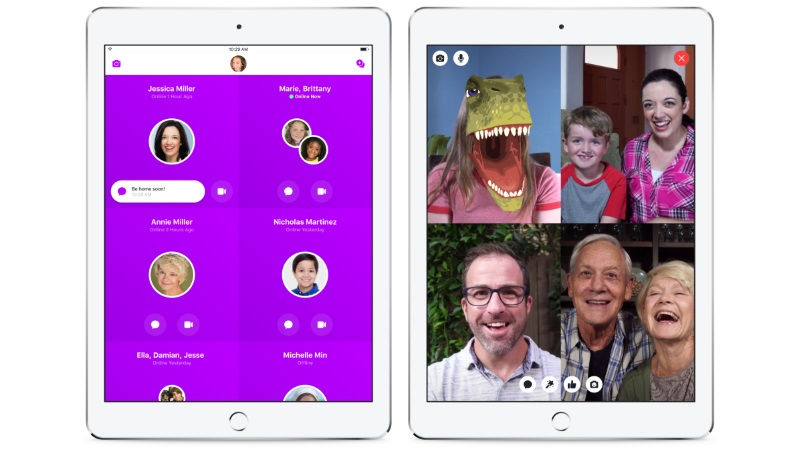
    We all love playing “Don’t Smile.” You know, it’s that game where you have to look at your friend until one of you gives in and cracks a grin. First to smile loses. That’s one of the new games offered for you and up to seven of your friends on Facebook Messenger. Except in the AR game, your face becomes a cartoon-like grin to emphasize your good sense of humor and lack of self-control. 

    Facebook is really pushing the video chatting option in their messenger app which is the number two most popular of its kind after (also owned by Facebook.) Using the camera to add graphics to your face for a game is only the beginning as they are working towards AR shopping and have already featured some augmented reality advertising. 

    Browsing the Internet on Facebook

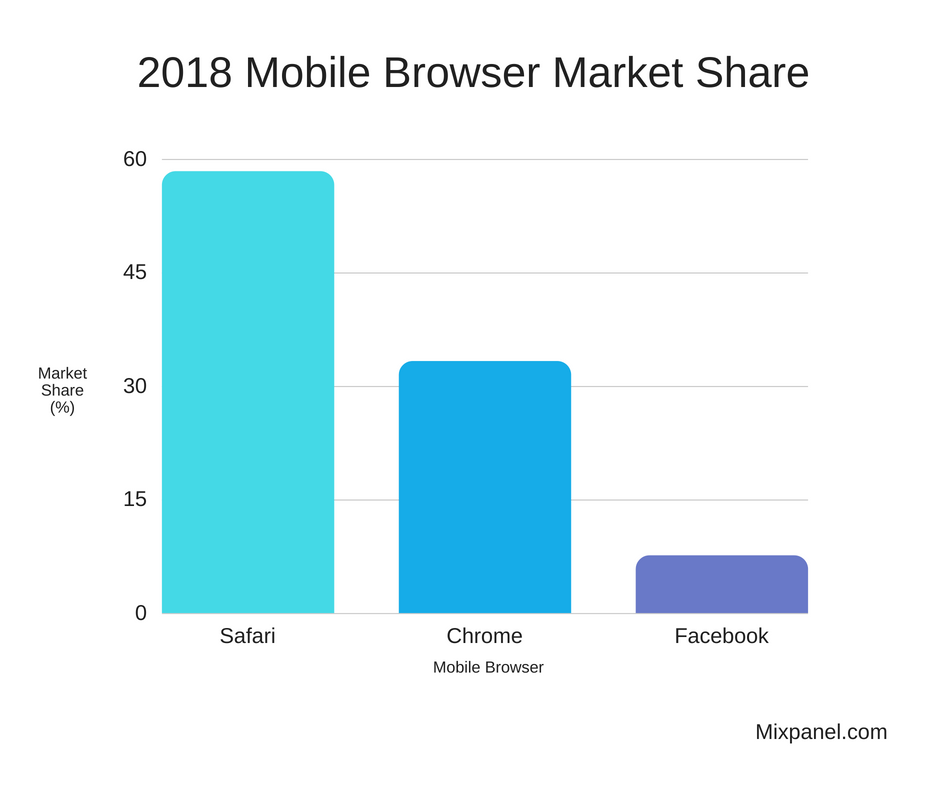
    New research from Mixpanel features Facebook as a major mobile browser competitor in the United States. While Safari (iPhone’s stock browser) and Chrome (Google’s browser offering) remain solid at the one and two spots respectively the browser inside of the Facebook app is interestingly above Firefox, Opera, or any other browser for that matter. 

    A browser is an app you use to surf the internet. One of the main reasons that Facebook’s built-in browser is gaining so many users is the fact that so many of us get our news, media, and entertainment through the social media service nowadays. When you see an article you are interested in and click on it Facebook will take you to that article without leaving the app. That’s their built-in browser. 

    While Facebook has faced scrutiny for their data handling, fake news, and other privacy issues, it is obvious that they still hold a major share of the market where social media is concerned. People are still using Facebook’s app to connect, be informed, and be entertained.

    What Parents Should Know

    Screen time management becomes harder and harder as new features are added to our kids’ favorite apps. The developers of these apps want their users to connect through their app and be as social as possible. They want their app to be the new “hangout” location for those who use their service. Parents still need to be on top of how much time our kids are spending on social media. The dangers of cyberbullying, sexting, contact with predators, and access to inappropriate content increase as our kids spend more time online. Manage their screen time and teach your older kids to have healthy screen time habits. Studies have shown that actual, physical interaction with friends is much healthier than video chat. Encourage and provide safe opportunities for this type of interaction.

    It is also important for parents to know that their kids can access the internet within their favorite social media apps. Facebook, Instagram, and Snapchat all have their own browsers and the data mentioned above highlights the popularity of the ease of use those browsers offer. What they don’t offer are content filters. If your kids can access Facebook, Instagram, or Snapchat they can access all of the internet and to my knowledge, there is no way to filter out adult content within those in-app browsers. Most parental control apps don’t control content within the browsers of social media either. This should be enough for you to only allow your kids to use these apps if they are older, haven’t had problems with accessing adult content in the past, and are mature enough to make healthy browsing choices. 

  • Musical.ly is now Tik Tok

    Musical.ly is now Tik Tok

    Today marks a major transition for one of the most popular apps for young teens and tweens. Musical.ly, the lip syncing video app, has been merged with Tik Tok. Tik Tok is another video sharing app that is run by Chinese company, ByteDance. The company acquired Musical.ly in 2017 and has now turned the two apps into one.

    The ultimate goal of this transition is to combine users. Musical.ly has had 100 million users while Tik Tok boasts upwards of 500 million. Putting them together is a move to become a worldwide social video super app.

    What Parents Should Know

    First of all, you need to know what the Tik Tok app is when you see it on your kids’ phones. It is Musical.ly. Musical.ly has been on our uninstall list for a while now because of the social sharing aspect. Now, with 500 million more users, the number of connections your kids can make in the app has increased.

    I advise you to be aware of what apps are installed when your kids phone. Again, we recommend you uninstall TickTock if you see it. Many parents are involved in their child’s usage of the app and that is up to you but I never recommend allowing kids or young teens to use such a social software without supervision.

  • Time Management Dashboard Coming to Instagram and Facebook

    Time Management Dashboard Coming to Instagram and Facebook

    I have had an extension installed in Google Chrome for a while that limits the amount of time I spend scrolling on Facebook. I can scroll and scroll until eventually hitting a limit that I set for myself. My only frustration is that it didn’t work in the app. Well, now I can breath easier since Facebook is releasing a new system for monitoring and controlling the amount of time you spend in their apps. The folks at Facebook say they want your time in their apps to be interesting and inspiring, not mind-numbing so they’ve introduced some new options and a dashboard.

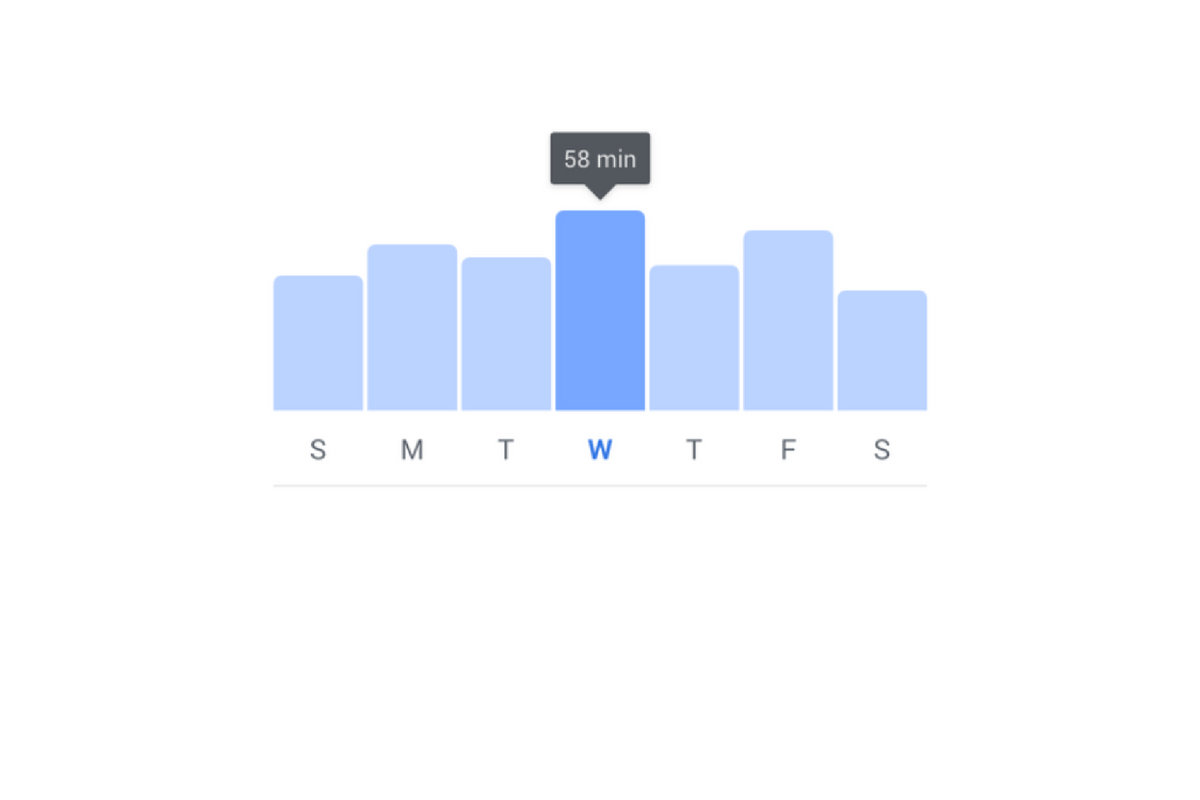
    The new dashboard will show you how much time you’ve been spending in the app. You’ll also be able to set reminders and schedule a time to turn off notifications. The reports and settings will be found by tapping on the menu on the lower right of the Facebook app and by opening the settings in your Instagram app. You’re looking for the item called “Your Time on Facebook” in the FB app and on Instagram, you’ll open “Your Activity.”

    Facebook is hoping that this will encourage the more thoughtful use of their apps and alleviate the addictive nature of the infinite scrolling social media timeline. Since the “Time Well Spent” movement began, companies have been taking more responsibility to find ways to help people be more intentional with their social media use. The past ten or so years have proven that social media isn’t going away and that folks will use it even to their own detriment.

    NOTE: I, personally, haven’t received the update with these features yet as it is rolling out in batches over the next month or so. As soon as I do, though, you’ll see a tutorial on how to check your time spent and manage your settings on both Instagram and Facebook.

    What Parents Should Know

    This is a good opportunity to discuss the need for online time management with your kids. Since these companies are beginning to take it so seriously, we can use the news to encourage members of our families to do the same. Tell your kids about the features and ask them to use it, even if just to check in on the amount of time they’ve spent. It is amazing what changes you might make when you realize how much of your day is spent mindlessly scrolling a social media feed. If your kids are younger, I advise you to use these and any other resource you can to help them be thoughtful with their time online. Discuss time management with them and help them make healthy decisions so they’ll grow up with good habits.


  • Facebook/Instagram to Ban Users Under 13

    Facebook/Instagram to Ban Users Under 13

    Young Kids on Social Media

    Over the next several months, Facebook will be paying closer attention to profiles that seem to belong to underage users. Some recent attention from politicians and documentaries have highlighted the ineffectiveness of the company’s honor and reporting based age verification system, stating that kids of any age can create a profile and begin using Instagram or Facebook against the company’s age policy and the government’s regulations. COPPA states that kids’ data can’t be collected without the permission of their parents, this is why social media services have age restrictions in effect. The problem has been enforcement. Companies like Facebook and Snapchat have wanted to allow users to create a profile without too much invasion of their privacy or freedom of speech but this leads to an easy way for underage users to cheat the system.

    Facebook now says they are going to be having their content reviewers actively seek out profiles that seem to be run by younger Facebook or Instagram users and require them to present a legal form of identification in order to prove their age. Previously, this was only done if an account had been reported by another user, this meant that the first line of defense against underage usage was simply the other people using the service. Obviously, this hasn’t been effective enough. Even though Facebook’s user age has increased over the past several years, Instagram is still very popular with the younger audience. Whether parents are allowing their kids to use Instagram or whether they are signing up without their parent’s knowledge, Facebook is going to be going to new lengths to remove those underage accounts.

    Also Read: Facebook Messenger for Kids is Actually a Good Option

    What Parents Should Know

    Most social media is not intended for users under the age of 13. This is for legal reasons as well as for safety reasons. I usually recommend waiting until your child is 16 or older before opening them up to the social media world. User-generated content, the potential for meeting strangers, and highly politicised and polarizing material can be hard for younger kids to navigate and digest. It’s good for kids to be exposed to the realities and dangers of the online world while under some sort of supervision but Facebook, Snapchat, Instagram, and most other Social Media outlets don’t offer very helpful options for that supervision.

    I think it’s good that Facebook is cracking down on these underage accounts, even if it is to protect themselves from further scrutiny. In my opinion, we will all benefit from more people looking out for the proper, healthy, and safe usage of the most popular social media services of our time. The first line of defense should always be mom and dad but hopefully, these companies are waking up to see that they have to be of some assistance to families as well.

  • What the Heck Was Up With That Fortnite Rocket Launch?

    What the Heck Was Up With That Fortnite Rocket Launch?

    One of the great things about video games is the fact that you can decide to play on your own schedule. Your kids can play when you say it’s ok and you can manage their screen time easier that way. The days of live TV are all but completely behind us as well since we can stream shows we love and record live TV for playback later. Fortnite, in another attempt at mega-hype, has put a bit of a wrench in the convenience of gaming as entertainment. The live rocket launch last weekend gave Fortnite players all a reason to be in-game, and likely forsake everything else.

    The rocket launch was actually quite a feat of development for Epic Games as the launch was done live, simultaneously in every game that was running at the scheduled time. The rocket blasted off from a designated area and shuttled into the sky, blowing it’s first fuel tanks in an awe-inspiring explosion. Then the ship busted through the atmosphere, basically breaking the sky into pieces and causing quite the firework show. Finally, there were several more blasts as the shuttle rocketed in and out of the atmosphere and crashed on the game map, where it still sits for future games.

    You can find videos of the occasion all over YouTube and see for yourself. The coolest part was that in most games players refrained from battling each other, exchanging emotes (dance moves and funny pantomime) until after the launch was successful. There is debate among players as to what the launch means for the game as some believe it’s a way for Epic Games to add new content and keep it a part of the minimal storyline and lore of the game. What isn’t in question, in my opinion, is the fact that many kids forsake anything they could have been doing that night to log on and see the launch for themselves.

    Ok, Fine. Here’s What I Think About Fortnite

    What Parents Should Know

    Moms and dad that I have spoken with already have trouble understanding the time it takes to play a round of Fortnite. Mostly because it depends largely on how well you play. Obviously, if you die early your game ends early but you can just jump in and join a new one. If you make it a long time the round can take anywhere between thirty and forty minutes, again depending on the skills of the players. This causes parents to have trouble setting time limits and bedtimes for their younger kids. If they are supposed to turn it off at 10 pm but start a round at 9:45 there is no way they are going to give up half way through to go to bed. There is also the added issue of “squad mode” in which you play with your friends and try to win together as a team. If you’re not going to give up on a solo round the idea of bailing on your friends during a squad battle is absurd. As if this wasn’t enough for parents to have to wrap their minds around, Fortnite has now added live events to the game.

    To my knowledge, there haven’t been any announcements on future live event dates but this one was so successful and created such a buzz that they are sure to do it again. As Fortnite players become familiar with the game they learn that it follows seasons that change over to include new updates (like some of the possibilities that this rocket launch could mean) and features. They are sure to want to get in on the action as soon as the July 12 season rollover hits, especially now that there is a supposed “dimensional rift” in the sky. When these live events come around, your kids are going to want to be a part of them. They may even consider it worth arguing with you about if you try and tell them they can’t play during the event.

    My advice is to take it easy on them and remember how important it was to you to be able to wake up and see the next episode of your favorite cartoon on Saturday morning. Or how frustrated you may get if you have to miss the baseball game or soccer match next weekend because of some family obligation. Your kids see the events in their games in the same way. Yes, they can watch it later but they’ll argue that that is not the same. Obviously if something is going on that can’t be missed (i.e. a wedding, funeral, family reunion) you have an opportunity to teach them a lesson about priorities but if you’re just concerned about their screen time, encourage them to spend less time earlier in the week so they can be sure to have a reserve for logging on during the event. Or have them do extra chores or earn the extra time in another way.

    My point is that you should give your son or daughter the freedom to decide that something like a rocket launch in their favorite video game is worth making a priority while continuing to guide them to smart and healthy decisions about their screen time. Was the launch cool? Absolutely. Was it a major feat in game development and hosting? Totally! Will your kid be scarred for life if they missed it? Probably not, but if they have the opportunity to be a part of it, why not let them take that chance?

  • T-Mobile Customers Can Now Get a Rebranded Circle, They’re Calling it FamilyMode

    T-Mobile Customers Can Now Get a Rebranded Circle, They’re Calling it FamilyMode

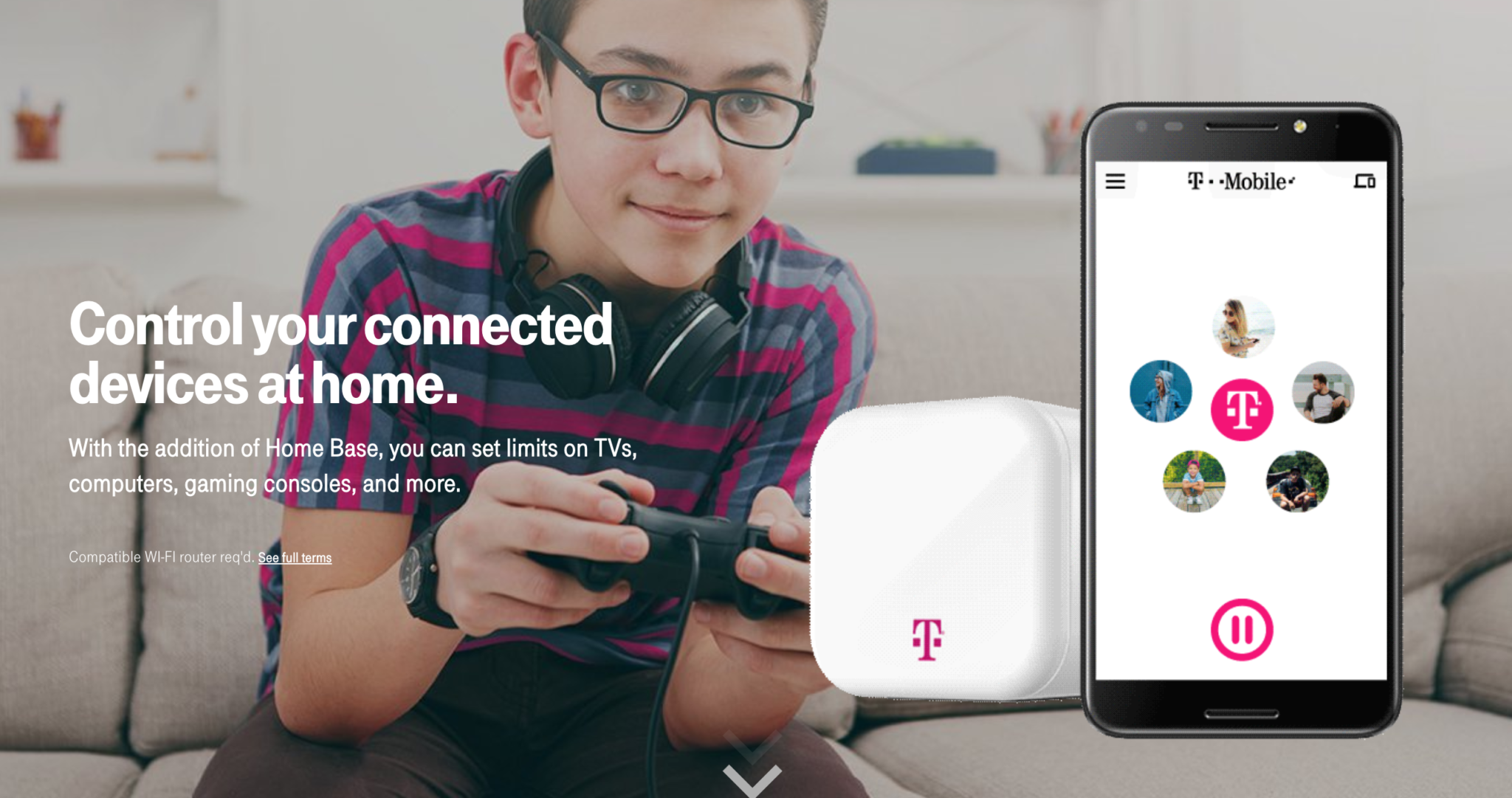
    Circle is one of my favorite parental control solutions to recommend to families. It’s easy to set up and the settings really work well. T-Mobile has caught on to this great service and is adding it to the offerings to their wireless customers. Verizon also added pressure controls recently and now T-Mobile is joining the club. The app is completely rebranded with T-Mobile is pink and black color scheme and the image of the Circle device itself even has a T-Mobile logo on it.

    Circle allows you to build profiles for each family member and set parental controls and filters for their profile. This protects your home Wi-Fi and with CircleGo you’re able to protect them over data no matter where they are as well. Time limits, usage reports, and tons of other information are also available on the Circle app. T-Mobile has patched into these resources and is offering them to their customers.

    What Parents Should Know.

    If you’re a T-Mobile customer the $20 price point for the device plus $10 a month to take the safety with you is well worth it. We highly recommend circle and even use it ourselves. My advice is to take advantage of this deal and this great opportunity to protect your family on their devices.

  • Facebook Messenger Kids Wants To Teach Your Children Kindness

    Facebook Messenger Kids Wants To Teach Your Children Kindness

    There have been a few important updates in Facebook Messenger Kids lately. The first of which is a focus on kindness and digital citizenship. The app has added features to walk kids through kind online behavior and safety on social media. The app has kids agree to a pledge that asks them to be kind, respectful, safe, and have fun in the app. They’ve also added stickers and other creative content that will encourage sending kind messages.

    Facebook has also added the ability for more than one parent to manage a kids app. This will allow both mom and dad to keep an eye on who is asking their kids to friend them on messenger. They recently removed the requirement for parents to be Facebook friends of each other in order to allow their kids to chat but this feature is a very parent-friendly addition. It is, in fact, a direct response to feedback from parents whose kids use the app.

    Facebook also announced that they’ll be releasing something called “Appreciation Mission” which will introduce children to some ways they can show appreciation to friends and family on Facebook Messenger Kids.

    What Parents Should Know

    Many experts are concerned about the amount of harassment and mistreatment on social media as well as the general overuse of our screens. A feature that helps kids understand the importance of kindness online is a very good idea. Thus far, Facebook Messenger for Kids is the best option out there to give your kids the freedom of a social media messenger within the boundaries you’ve decided are necessary to keep them safe. Be sure to follow the guidelines of the app and set some time limits to be sure your kids aren’t overusing their screens as video and photo messaging can make the time pass very quickly.

  • You Can Watch and Create Longer Videos on Instagram with IGTV

    You Can Watch and Create Longer Videos on Instagram with IGTV

    Instagram has joined the long form video club with the release of IGTV. You have probably already started seeing the organizations (Like Us) and companies you follow posting about their new longer content on Instagram. It’s pretty easy to get to and built into the base app. It’s also easy to make a “channel” and everyone can do it. This video content can be up to 1 hour long for approved accounts and a half hour for everyone else. 

    You should expect to see much of the same videos you would see on YouTube make their way to Instagram as well. There are already podcasts, tutorials, and news reports being uploaded and, since literally, anything else you can imagine will be available soon as well. 

    What Parents Should Know

    With excessive screen time becoming an increasing problem, longer videos on the fastest growing social media app among most age groups could be cause for concern. Content is also, often a consideration since Instagram filters photos and videos through an algorithm. This means their software has to detect adult or dangerous content and if it fails the content has to be flagged enough times to be changed. Parents who are concerned about online content and screen time should be sure that their younger teens and children have time limits and content filters set. The other issue will be brands and entertainment companies creating content to market to our kids. They know that our kids and teenagers use Instagram and they will be targeting them with their videos. My advice is (as always) for parents to talk to their kids about the content they view online and try to help them keep an eye on how they spend their time and what they’re watching.