Tag: mental health

  • Social Media Live Video Causes Public Mental Health Concerns

    Social Media Live Video Causes Public Mental Health Concerns

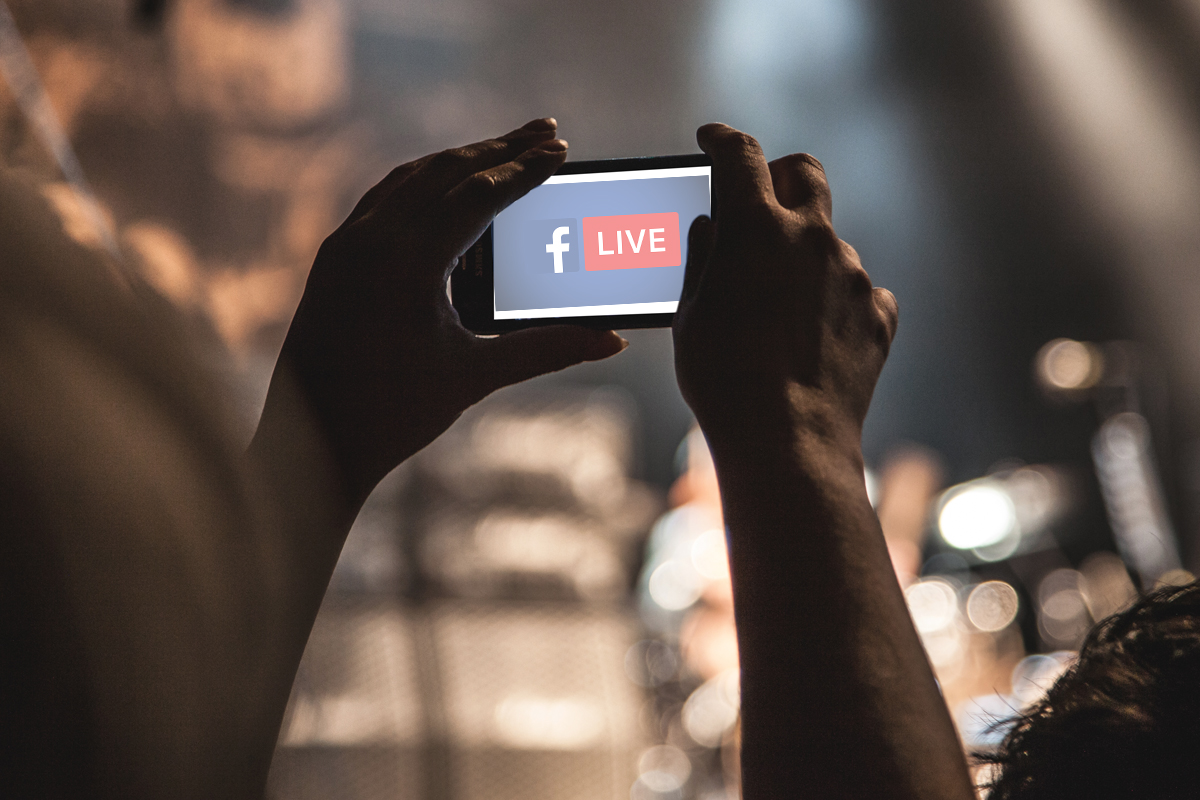
    Mark Zuckerberg is on a mission to make Social Media safer for our minds. No, he isn’t trying to protect us from adult images, he’s more concerned with fake news and potential damaging live video. Over the past several weeks there have been some live Facebook videos that have garnered much attention because of the graphic and horrific nature of the content. Videos of murder or suicide have been passed around social media and showed up on many of our Facebook feeds. Once these videos are filmed live, they are uploaded to the account of the person who filmed it and spread across the timelines of their followers. This often leads to more shares and potentially a viral spread of the video. The sudden popularity of these gruesome videos will then lead to thousands or even millions of people seeing them before Facebook can have them taken down. This is where the concern for public mental health comes in.

    Facebook’s response to this issue is the hiring of 3,000 new employees who’s job it is to screen these live videos for any content they may deem a danger to the mental health of Facebook’s users. This team of editors is an addition to a team of nearly 4,500 people who have been screening content. The issue is that live video adds to the challenge of keeping content on Facebook free from graphic images and videos. Just responding to reports that a post may be harmful isn’t enough anymore. Facebook is trying to screen some videos and images before they’re posted. Hopefully, this will make for fewer viral videos that give us nightmares. This will also set a precedent for other social media. Including the platforms that your kids use.

    What Parents Should Know

    If you haven’t had a reason to talk to your kids about what they see online yet, this one should do it for you. With consistant opinions and world-views being tossed around social media, we have to have an active, ongoing conversation with our kids about what they’re seeing on their timelines. Videos are posted and shared long before any of us can see them and remove them and long before we can step in and keep our kids from seeing them. News articles are taken as fact even if they are in the “opinion” category on the news site. This is why my advice is to be a safe place for your kids to come when they see something troubling or have questions about what they’ve seen. 

    Whether it’s violence, bullying, or sexual content, what we see can’t be unseen. In a world where technology is changing faster than we can keep up it’s critical to be the one your kids come to when they’ve seen something that will stick with them. If the companies who develop these social media platforms are concerned enough to hire more employees to help solve the problem then those of us whose family use the service should be on top of setting up safeguards, learning more about these tech topics, and keeping the lines of communication open.


    Keep in the loop with our weekly posts sent straight to your email.

     

    Get Our Latest Posts in Your Inbox

    * indicates required


  • Why Your Teen Posts Her Feelings On Social Media

    Why Your Teen Posts Her Feelings On Social Media

    I’ve seen them called “vaguebook posts.” It’s the status on social media that hints at some sort of trouble or drama but doesn’t go into detail. It can be annoying to see these things on our Instagram or Facebook feeds but sometimes they’re not just cries for attention, they’re cries for help. Teens are being taught (rightfully so) that it’s better to express their feelings than to hold them inside. Studies are showing that more and more young people are admitting to having bouts with depression, anxiety, and even suicidal thoughts. Social media has become a safe place for them to express how they feel. The problem is that it can often open them up for criticism and unwanted attention. 

    The 12-month prevalence of MDEs (major depressive episodes) increased from 8.7% in 2005 to 11.3% in 2014 in adolescents and from 8.8% to 9.6% in young adults (both P < .001). – Pediatrics Journal Study

    The reasons for these increasing numbers could be related to increased awareness of the symptoms of depression but regardless of the reason, they are statistics that parents should pay attention to. Mental Health professionals are championing more awareness and openness about depression and anxiety. They agree that being outspoken about how you feel can lead to prevention, early detection, and even increase the likelihood of sufferers getting professional help. The problem, however, may be that this transparency is happening in a public forum like Social Media. This is where parents come in.

    What Parents Should Know

    I am not a psychologist  or licensed counselor. I don’t have a professional opinion on the mental health of your teenager. I do, however, have a professional opinion of their activity on Social Media. As a family internet safety expert I see parents struggle to open the lines of communications with their teens. An emotional post on social media should be seen as an open door. There is no more important thing in the life of your young adult or teenager than the ability to be transparent with you about how they feel. If they are posting on social media about depression, anxiety, and especially suicide, it’s time to bring that conversation into a face to face meeting. Posting such transparent posts (even if they’re vague) on social media opens your child up to more bullying and harassment which could be what’s contributing to the problem in the first place. They should be advised to express those thoughts vocally to someone they trust.

    My advice is to start the conversation with your child even before you see any sign of depression. Ask them how they are doing and feeling. Ask them if they feel overwhelmed and if there is anything happening in their lives that you should know about. If you are seeing true signs of these depressive episodes then don’t hesitate to seek out a licensed counselor that can mediate your discussions with your teen. The world they are growing up in is very different than it was even twenty years ago. The standards that kids are asked to live up to are higher. Criticism is more public and the media is teaching messages that conflict with what many of feel is healthy for our kids to believe. This problem is real and it isn’t going to solve itself. We, as parents, have to step up and help our teens make quality decisions when it comes to their feelings and mental health. Take the first step today. Have a conversation.


    Sign up for our email list to get our family internet safety checklist and the Safe Blog Uninstall List.

    Get Our Latest Posts in Your Inbox

    * indicates required