Tag: media

  • 5 Social Media Rules for Parents

    5 Social Media Rules for Parents


    Social media is a fact of life. In fact, our kids are often more social on social media than they are in the “real world.” I hesitate to say the real world because for your kids, their life online is their real life as well. Use these tips to help you be as diligent as you can while protecting your kids on their social media accounts.

    1. Do Use the Same Social Media Your Kids Use

    Even if your only have this account to be able to see what your kids are doing it’s a good idea. I call this a “stalker account.” That sounds more harsh than it is. It’s just a good idea to be able to see what they are posting. This method is less intrusive than taking their devices and looking at their accounts. If your teen argues with you and says they don’t want you to follow them (or unfollows you themselves) you can always ban their use of that social media site and I recommend that you do.

    2. Do Follow Your Children on Social Media (more…)

  • Your Kids Use “AfterSchool” So You Should See This

    Your Kids Use “AfterSchool” So You Should See This


    Some apps come out and there is no way to know the intentions of the developer. AfterSchool is not one of those apps. The vision behind this app is to turn online activity into real world interaction. In a good way. AfterSchool is an app that lets students connect with other teens in their school. Here’s what their site says about what you can do on the AfterSchool app:

    “After School’s innovative features channel students toward making new connections and friendships, and engaging in positive offline activities. …On After School, students can share openly and honestly, without fearing judgment or ridicule. They choose whether to reveal their name or remain private.” – afterschoolapp.com/about

    While these apps allow you to stay private, a lot of students choose to make their identities known. Most of the “testimonials” from teens about why they like these apps speak to being able to hear what people really think about you. They talk about everyone being open and honest on the app. Honesty and openness is good but if you are saying “what you really think” about someone, that could cause problems in the teen world.

    Yes, the creators of AfterSchool designed this app to ban bullying and hateful behavior but I still say that as a parent, we need to understand how this app works. What it does and what our kids are using it for. If they are wanting to meet up, what are they meeting to do? The app has built in features to block explicit content but there are ways around those filters. They also claim to have live moderators who keep cyberbullying and inappropriate posts to a minimum. While this is all great, there is no better moderator than mom and dad talking to their teens about what they’ve seen on the app.

    Even the creators of AfterSchool understand this and so they’ve put together an extensive guide for parents. I’ve included a link to their PDF below. I recommend you go check out the site. They boast that teens in 80% of US High Schools use AfterSchool. That means your kids are most likely using it to. You should read this:

    Click to Download the PDF
    Click to Download the PDF
  • WhatsApp Update Adds Video Calling

    WhatsApp Update Adds Video Calling


    We recently wrote about WhatsApp and explained a few things parents should know about the messaging app. Now, a new updated requires we update our information as well. This new update brings video calls to the app that is owned by Facebook.
    Video Chat is Awesome!

    WhatsApp is largely considered safe because of its authentication and encryption settings but with the addition of video calls the app enters a completely new realm. Video calling is very convenient and a great way to stay connected to family and friends that you aren’t always near. Apps like Skype and Facetime have been mainstays in allowing you to use WiFi to talk to someone while looking at their face. Something that is priceless for someone as easily distracted from a phone call as I am. The concern with this new feature, though, is how it could be used by those who have ill intentions.

    What Parents Should Know

    I’ll say it like I do in so many articles, you have to be monitoring what your children do in any messenger app. With new features like GIFs and video calling being added all the time we are just seeing more and more opportunities for our kids to get into trouble. Will all kids use these features for evil? Of course not, but it’s too likely that someone they know (or worse, they don’t know) will be using it to cause harm.

    I don’t necessarily recommend not allowing your teenager to use WhatsApp. I do, however, recommend using something (even if it’s just your own eyes) to monitor what conversations your kids are having. If you aren’t comfortable with video chatting being available to your teen then you need to disable it or ask them to use a different app for messaging.

    We did a whole write-up on some key terms related to messaging. These terms and the rest of the terms in our Mobile Device Vocabulary series are too important to miss. I recommend you subscribe to this site so you can check it out. Only $60 per year will get you full access to this site. Sign up now.

  • Instagram Update Proves they’re Serious About “Stories”

    Instagram Update Proves they’re Serious About “Stories”


    Stories is Here to Stay

    Not long ago instagram added a new feature that looked strangely similar to Snapchat’s “stories.” In fact it wasn’t just similar, it was the same thing. They even used the same name for the feature. After about two days of people calling Facebook (who runs instagram now) a bunch of copycats, users were posting multiple stories a day to their instagram accounts and loving it. Funny how we adopt things so quickly after being so “put off” by them.

    boomerangWell, with an update to intagram this week, the focus on stories has been increased. The new update brings boomerang, (a service where you make mini video loops) mentions or tags, and links for “verified” accounts to the stories feature. So you can now make a mini video, tag your friends in your story post, and if your account is verified (only available to celebrities and brands) you can post links to your latest content.

    What does this mean for parents?

    It’s quite simple, really. Stories cashes in on the concept that young people want to post something that is seemingly temporary. The posts in your account’s story only last for twenty four hours. This keeps updates fresh and keeps users coming back to post more and more content. It also causes young persons to feel like they aren’t posting something permanent. We all know this isn’t true. Anything posted online is there to stay.

    Along with a false sense of security, stories is now yet another way for brands and celebrities to alert your kids that they have some sort of message for them. You know that we at BecauseFamily advocate for parents to be the first influence in their children’s lives. It can be difficult to be the first influence when other influences are notifying your child every time they have something new to show them. This update gives the ability to notify your kids with a link to take them out of the app to some other content elsewhere on the internet.

    Don’t Uninstall but Have a Conversation

    seemoreWhile I don’t recommend instagram for kids under 16, I know many parents have children who use the service. My advice is to talk to them about this update and let them know that they maybe shouldn’t click on links in instagram when they aren’t sure where they’ll lead. Remember to have your accountability software (Like Accountable2You) installed so that if they end up somewhere inappropriate you will know about it and can have a conversation. Just be smart and encourage them to be smart. It’s important for parents to stay as ahead of the social media game as they can.


    A subscription to this site is a great way to let us help you stay ahead. You can sign up for just $60 for 12 months. (Normally $180) This offer is only available until the first of 2017 so sign up today and get the most out of SAFE.BecauseFamily.org.

  • Mobile Device Vocabulary Lesson 4: Privacy and Security

    Mobile Device Vocabulary Lesson 4: Privacy and Security


    Conversations about internet privacy and security have been in the news a lot lately. Questions about who has the right to track you on your smartphone and who doesn’t. Terms and agreements that don’t really help you understand how companies use your information once they’ve gained if from your device usage. Below are three common terms that will help you walk through the minefield that is internet security and privacy. Learn what these terms mean so that you can make the right choices for your child’s online safety as well.  (more…)

  • Mobile Device Vocabulary Lesson 3: Messaging

    Mobile Device Vocabulary Lesson 3: Messaging


    Our kids and teenagers are communicating more differently than ever before. The note being passed from desk to desk has been replaced with words typed on a screen. Long phone conversations with friends every evening have given way to short, emoji laced text messages with pictures, videos, animated images, and links to other online content. Communication has evolved, or at least changed and it’s more common than you may have ever imagined. Just look at these statistics from April of 2015.

    73% of teenagers have a smartphone and 91% of those teens text. Teenagers send and recieve and average of 30 text per day. (PEW Research Center)

    More than nine out of ten teens who own a smartphone give and receive an average of 30 text messages every single day. That means, your child texts. The following abbreviations/phrases will give you greater insight to what messenger apps are capable of.  (more…)

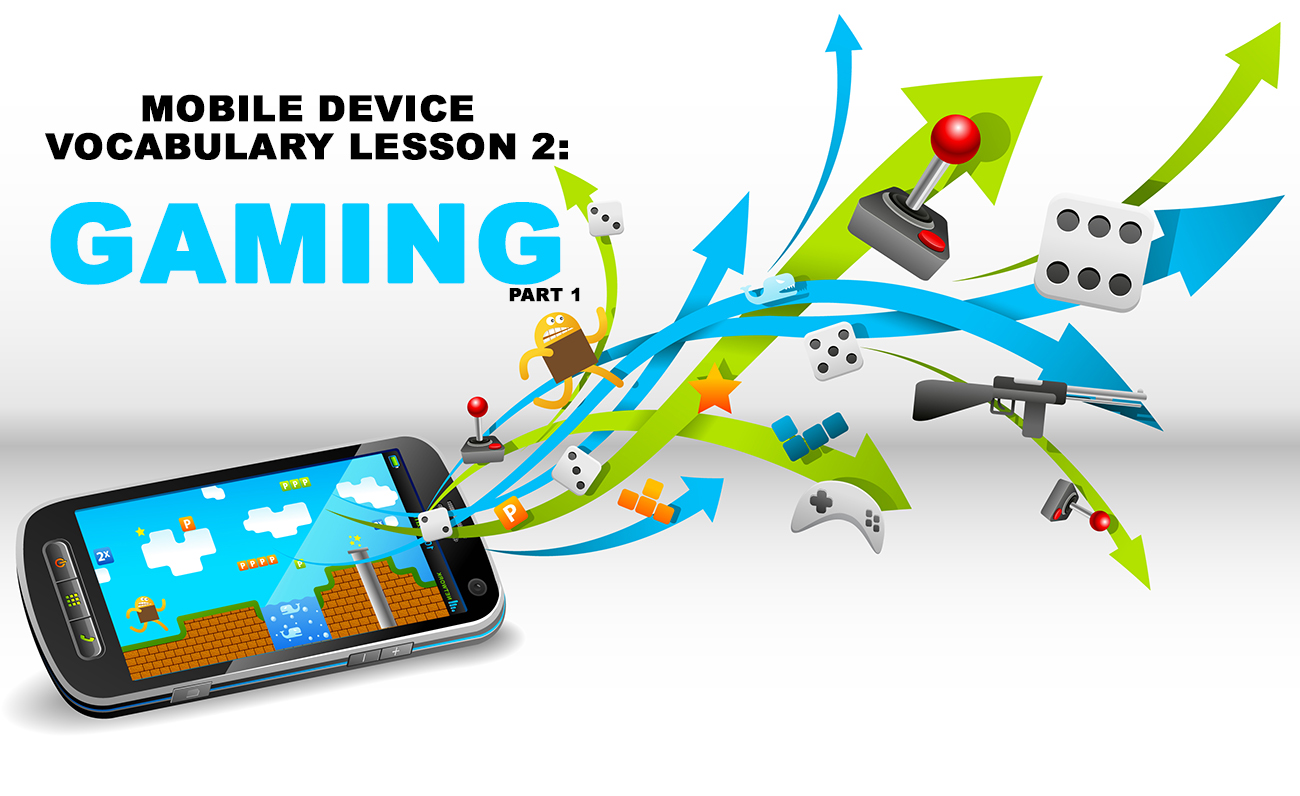
  • Mobile Device Vocabulary Lesson 2: Gaming (1)

    Mobile Device Vocabulary Lesson 2: Gaming (1)


    Smartphones and tablets have brought a whole new set of tools to game developers. It’s critical that you, as a parent, understand some of the language used in the descriptions of these games. Since you know your kids you’re the only one that can decide if a certain game is dangerous for your child or not. For instance, our oldest is pretty analytical and has an addictive personality. Because of these traits we are very careful how much time he has in front of a screen, especially in un-controlled, purely recreational activity. We know that he can get obsessive very quickly so we have some pretty strict boundaries on his screen time. Hopefully the following terms (the first three of six gaming terms) will help you better understand some game descriptions so you can pick the right ones for your kids.  (more…)

  • Pokemon GO Update: What you should know.

    Pokemon GO Update: What you should know.


    The conversation about Pokemon GO has settled down quite a bit lately but a new update this week has caused a bit more discussion to begin again. I think parents need to hear some of what is being said. While this update adds a new 8 mph maximum speed to keep you from playing while driving and a few new Pokemon to catch, the issue most relevant to parents is the addition of Daily Bonuses to the app. (more…)

  • What in the What is WhatsApp?

    What in the What is WhatsApp?


    WhatsApp is all over the tech news sites today with the announcement of GIF support in their app. This is pretty cool news for users of WhatsApp but as parents keeping an eye on our children’s online activity this news makes it more and more interesting to our kids. So, what is WhatsApp and what should parents know? (more…)

  • Mobile Device Vocabulary Lesson 1

    Mobile Device Vocabulary Lesson 1


    Lesson 1 – Why you should know this basic Mobile Device Vocabulary

    To handle a language skillfully is to practice a kind of evocative sorcery.  – Charles Baudelaire (Poet)

    Working with digital devices requires the knowledge of a certain language. If you understand what certain words mean you are able to know what is happening in a certain device with just a glance. As parents, it is imperative that we can understand the activities our children are engaging in on their smartphones, tablets, and computers. This is why the thirteen words in this tutorial, of sorts, will be so powerful in your hands as a parent. (more…)