Tag: mark zuckerberg

  • FB Now Boasts 2 Billion Users, What Does That Mean for Your Family?

    FB Now Boasts 2 Billion Users, What Does That Mean for Your Family?

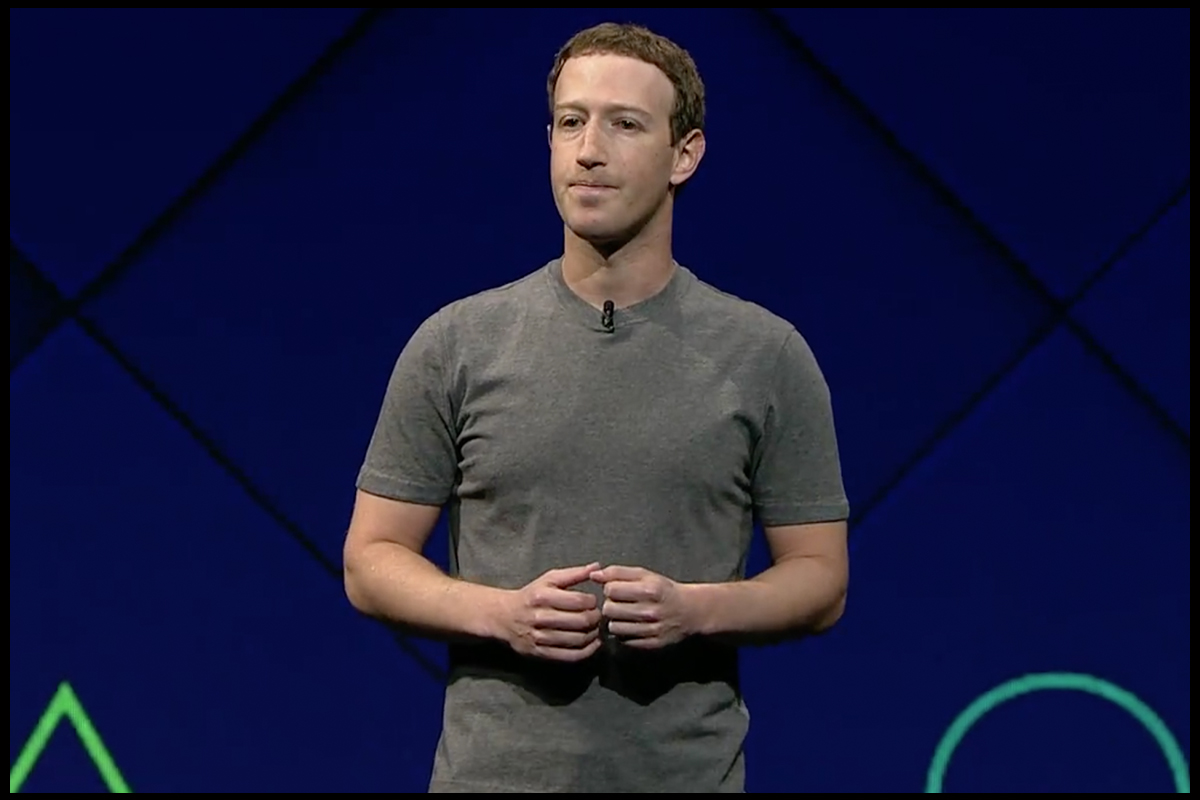
    Facebook CEO Mark Zuckerberg announced today that the social media platform has surpassed 200 billion users every month. The growth has been said to come from a focus on developing countries and regaining lost users. Zuckerberg’s response to this growth was one of excitement and responsibility, he said:

    “We’re making progress connecting the world, and now let’s bring the world closer together.” -Mark Zuckerberg

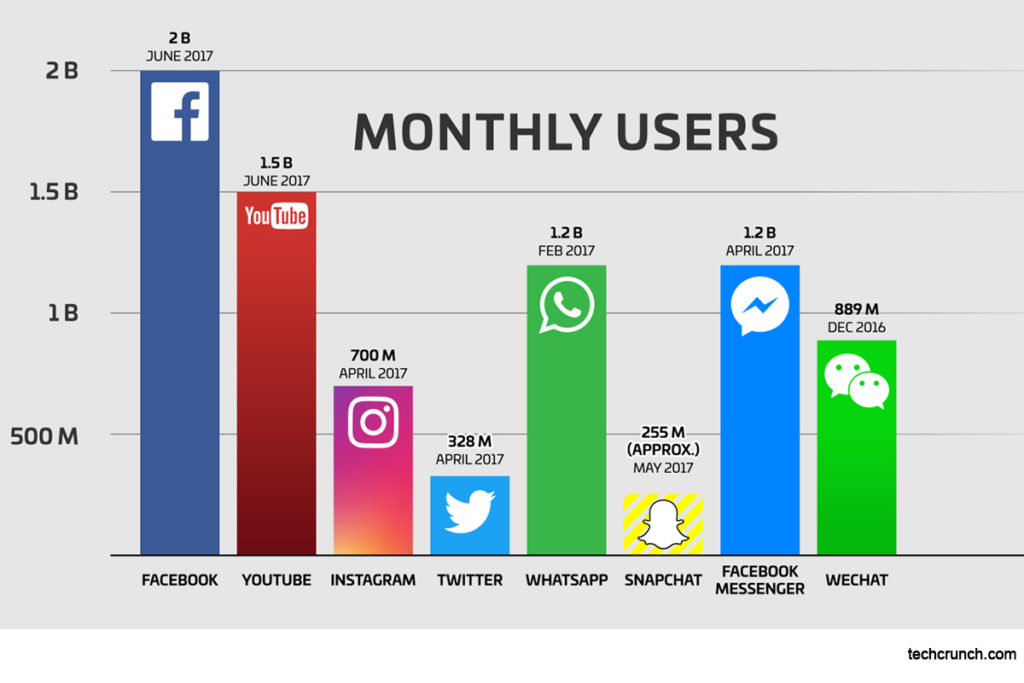
    Facebook started in 2004 and reached 1 billion users in 2012. The social media is the most used platform with YouTube a distant second with 1.5 billion users every month. What’sApp and FB Messenger both have 1.2 billion but they are also owned by Facebook. The obvious staying power of Facebook is evident in these numbers and their strategy of gaining new users in developing countries and regaining users who had left Facebook is paying off. What do these numbers tell us about the state of Social Media and the Internet? (If they really are two different things.)

    1. Your kids are probably on Facebook.

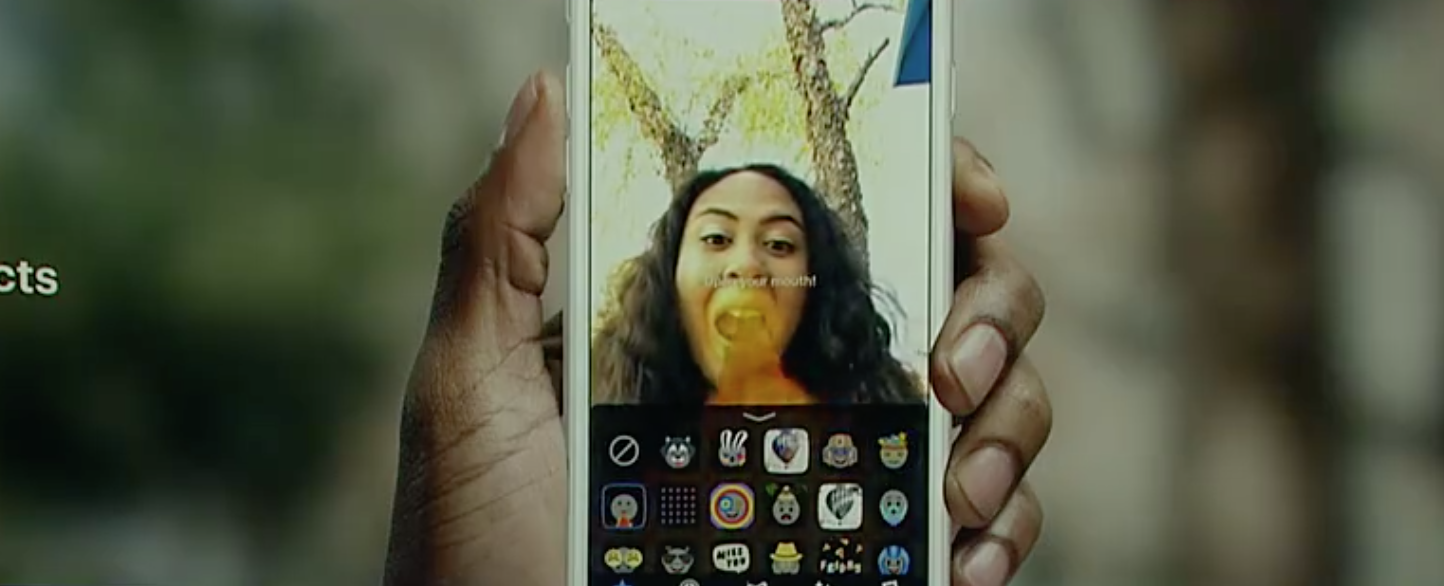
    The joke has forever been that once parents started using Facebook the kids jumped off. In reality, your kids are most likely using Facebook again. The reason they’ve returned is simple. There is more there to offer. The option to adjust what they see on their timeline and what ads they see are appealing and the AR camera and story feature in Messenger and the Facebook app has come a long way to entice former users to give Facebook another try.
    2. The entire world is available to your kids on Facebook.

    Two billion users is almost a third of the entire world. That means the influence available to your kids is more global than ever. When you add in the other social media services your kids use the globe just gets even smaller. Every idea anyone has or has ever had is available to your children through social media. Every thought anyone has or has ever had on any topic is available to digest and use to develop their own beliefs and thoughts. The influence of the world available on social media has changed the way our kids grow up and what they believe tremendously and the more these services like Facebook grow the more confusing some of these voices can be. There is, of course, a great opportunity to help your kids understand the larger world they live in but you have to help them navigate that world in a healthy way.

    3. Your example of internet citizenship is more important than ever.

    The globalization of our kids’ influences through social media should be a wake up call for parents. We need to understand the responsibility we have to keep our kids protected from the many dangers that are available to them online and to teach them how to be a good citizen of the internet. What do we do when we see something that could be fake or click-bate? Do we fall for the trap? What photos do you share? Are you smart with how you broadcast your location? These are all important safety concepts that our kids have to understand. The best way they’ll learn this wisdom is by watching us implement it ourselves.

    Facebook is proud that they’re the pinnacle of social media greatness. Mark Zuckerberg is emphasizing the responsibility they have to use this influence to bring people together and not tear them apart. Recent news and election cycles have been an example of how social media can cause people to ignore facts and strengthen their own beliefs with information from sources that haven’t been proven or vetted at all. Facebook is doing what they can to curb this trend. The reality, however, is that it’s up to us as the citizens of these social media services to make the right choices and to teach our kids how to do the same thing. The responsibility lies with us, not with Mark Zuckerberg or Facebook. These tech giants are going to make choices based on what is right for their companies and we, as parents and leaders, have to step up and make the choices that are right for our families.

  • Social Media, Globalization, and Our Kids’ Convictions

    Social Media, Globalization, and Our Kids’ Convictions

    We’ve got “covfeve”, Hillary Clinton speaking about politics at a programming conference, Kathy Griffin vs Donald Trump on Twitter, Mark Zuckerberg and Elon Musk talking about the President’s climate change beliefs, and all other kinds of tech notables using their platform to promote their political and ethical beliefs. There’s no doubt that our kids are growing up being more aware of the polarized political landscape we live in than ever before.

    I remember knowing there was a President when I was a kid. I remember hearing a thing or two about impeachment and adultery but I didn’t care or pay too much attention. I was a preteen and I had more important things to deal with. Mainly video games, girls, and baseball. I don’t remember hearing anything about politics while I was in middle school or high school. I registered to vote when I was 18 and voted for who my family said would be a good choice. Now, the people who run our favorite entertainment companies openly state their disdain or support for our government officials. Protests have hashtags and political videos and memes go viral equally because of people agreeing and disagreeing with them. It’s obvious to our kids now that we are living in a volatile political situation.

    Political opinion is formed by who you grow up listening to. It used to be formed by parents, grandparents, and the culture in your local community. Globalization now allows our kids access to every opinion from any voice they want to hear from. Many times these voices are people mom and dad may not be comfortable with. Declaring whether or not that is a good thing is not the intent of this article. My goal with this article is to give understanding to parents who are confused about why their kids grow up to think differently than they do.

    Your children live in a globally influential world instead of the small section of the country that we grew up in. I grew up in Texas, New Mexico, and Missouri and believed the better part of what I was raised to believe. The global landscape of social media (which is just the state of the internet in our culture) has caused many of those beliefs to shift or even outright be changed. Not just for me but for most in my generation and younger.

    Parents should be aware, whatever your thoughts are on today’s hot political topics, that your voice is most likely not the loudest voice in your children’s lives. The Snapchat Discover page, that YouTube vlogger, Instagram influencers, and even Twitter are telling them whatever message they’re more interested in soaking in. The algorithm’s on these platforms provide them with a steady stream of reinforcement for whatever it is they’ve been tapping or clicking on up to this point. Opinion isn’t being formed by their church, their school, or their family like it used to. It’s formed by anyone and everyone in the entire world. Whatever your thoughts on what your kids should believe or where they should form these beliefs, I just wanted you to know where it’s actually coming from. 

  • Facebook Conference Gives Us a Sneak Peak at the Future of AR

    Facebook Conference Gives Us a Sneak Peak at the Future of AR

    Facebook is in the middle of their F8 developer conference in Santa Rosa, California. The leaders of the Facebook company are announcing and unpacking their newest features and offerings on the social media platforms they develop. The most major announcement from day 1 yesterday was the opening of a public development platform for the Facebook augmented reality camera. Here’s what that means.

    The Facebook Camera will be the first open augmented reality platform. This means that developers will be able to make animations and images that will show up on your screen. So far, these overlays have been developed only by the company that makes the social media app itself. This means that any ideas or filter concepts must come from Facebook or Snapchat only. Any advertising has to go through the process that Facebook sends advertisers through. That will no longer be the case.

    The open platform launched in closed beta yesterday, April 18. It will still be a while before we see thousands of filter options showing up on our cameras but it is absolutely coming. You can imagine companies and programmers are chomping at the proverbial bit to start putting their projects on the Facebook camera so once it is public we will see it grow very quickly. It’s going to be a good idea for parents to keep an eye on what’s available in Facebook and Instagram’s stories camera.

    What Parents Should Know

    An open platform means developers will have the tools necessary to create their own camera overlays and animations. This will, most likely, begin with licensed developers only but it probably won’t end there. Imagine anyone in the world being able to create an overlay that you can access in your Facebook or Instagram camera. This could result in  content being available that we don’t want our children to see. Please understand that these changes aren’t happening tomorrow. This is an early warning and a reminder to always keep your eyes on what’s developing on the apps your kids use.

    Conversation with your kids is important. It’s also important to keep an eye on what your kids are installing and using. I recommend following your child or teen on social media and keeping an eye on what they are posting and sharing. With their knowledge, this will allow you to be on top of any inappropriate posts that they may share. It’s also a good idea to have their passwords so that you can see what they’ve been receiving on direct message. Eventually, you’ll want to see what their most recent AR filters have been, this will only be possible by logging in to their account. Start developing the trust now so that when there is even more reason to keep an eye on things you’ll already have a habit of doing so.