Tag: learn

  • Should Your Kids Use Sarahah?

    Should Your Kids Use Sarahah?

    Sarahah is an app that snuck up the charts over the past weeks. It was originally put on the app store in June but is already sitting at number one on the free app charts in iOS. This app allows you to leave anonymous comments about people. The idea is that, since it’s completely anonymous, you can be honest and say what you really think. This can obviously lead to some really encouraging and uplifting posts, maybe it could cause a crush to reveal themselves, but definitely, it will cause mean people to do what mean people do. The risk of bullying on this app is very very high.

    This isn’t the first app of its kind but none have risen in popularity so quickly. “Sarahah” is the Arabic word for honesty, the app’s website describes the goal of the app simply:

    “Sarahah helps you in discovering your strengths and areas for improvement by receiving honest feedback from your employees and your friends in a private manner.”

    Again, the app is very new but development is happening fast (five updates since its June 13th release) and the app promises more features to come. Something like a planet icon on the bottom of the screen seems to hint at a future explore or discover page and they mention on their site that they’re studying an option to allow users to reply to the comments that come through Sarahah. The appeal of the app is obvious, most of us wish we could say whatever we are thinking to someone and there are also those of us that wish we could hear exactly what people think of us all the time. This may be fun or even cathartic for grown adults, but when teens and tweens are in the throes of development, hormones, and emotion, is this app a good idea?

    What Parents Should Know

    My Facebook feed has begun to blow up with Sarahah messages that have been screenshotted and shared. Most of the ones I see are people celebrating a super nice comment they got from someone but I’ve seen a few that were laughing at the commenter who was being a jerk. Those I’ve seen on Sarahah were adults, mostly because I don’t follow many young people on Facebook but there is no doubt, seeing this app climb the charts like it did, that there are younger users too. Parents should be cautioned that this app is rated 17+ for unrestricted web access, profanity, and adult humor. The issue is that since anyone who wants can post whatever they want (it’s called user generated content) it’s next to impossible to ensure there will be no adult content on the app. Secondly, I warn parents, as I did above, about the dangers of bullying through this app. The bully follows our kids around in their pocket and this app gives them the ability to say whatever they want without any way to identify who they are.

    There is already an epidemic of kids feeling like they can say whatever they want online without consequence. Unfortunately, that isn’t the case because the one reading what is written feels real emotions based on what’s been said. The ability to be completely anonymous could cause kids to be even crueler and could even lead to kids who wouldn’t say anything mean to some one actually doing it because they don’t see how they can be identified as the culprit. You can block users who you don’t want to message you anymore but once you’ve done that the damage could already be done.

    My advice is to disallow this app on your kids’ phones. You can do it the old fashion way by looking at their phone yourself and uninstalling that app if you see it. You can also set age restrictions in the app store or parental control/restrictions options on your kids’ devices. This should block Sarahah since it’s rated 17+. As an adult, maybe you enjoy this app, I would advise caution to you too. Not only are you putting yourself out there to be spoken to anonymously by anyone who could say whatever they want but you’re also setting an example for your kids.
  • FB Now Boasts 2 Billion Users, What Does That Mean for Your Family?

    FB Now Boasts 2 Billion Users, What Does That Mean for Your Family?

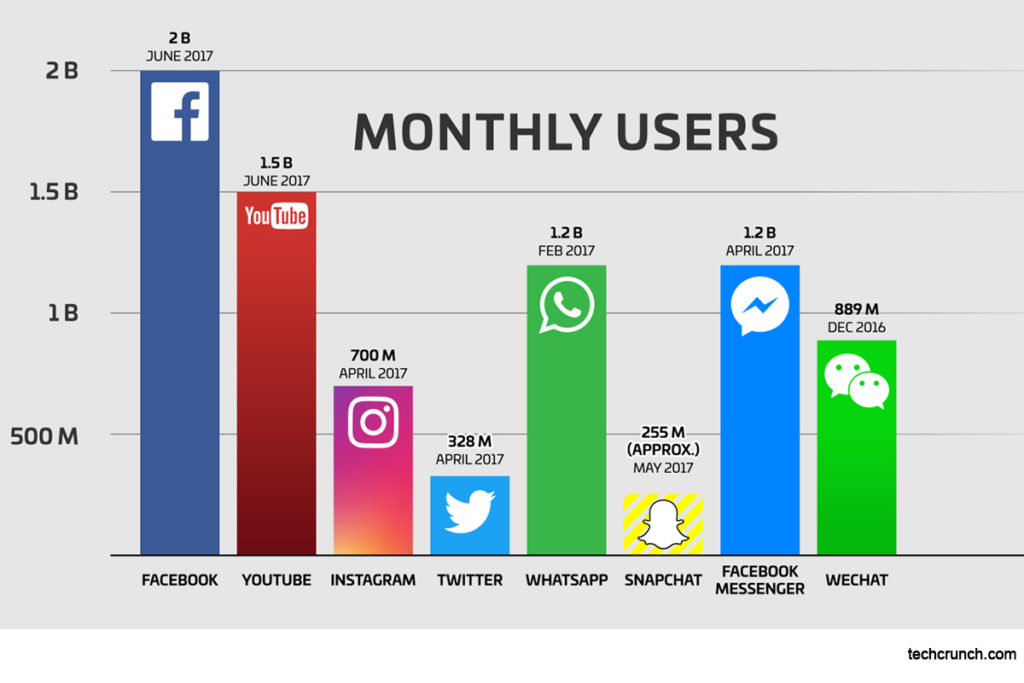
    Facebook CEO Mark Zuckerberg announced today that the social media platform has surpassed 200 billion users every month. The growth has been said to come from a focus on developing countries and regaining lost users. Zuckerberg’s response to this growth was one of excitement and responsibility, he said:

    “We’re making progress connecting the world, and now let’s bring the world closer together.” -Mark Zuckerberg

    Facebook started in 2004 and reached 1 billion users in 2012. The social media is the most used platform with YouTube a distant second with 1.5 billion users every month. What’sApp and FB Messenger both have 1.2 billion but they are also owned by Facebook. The obvious staying power of Facebook is evident in these numbers and their strategy of gaining new users in developing countries and regaining users who had left Facebook is paying off. What do these numbers tell us about the state of Social Media and the Internet? (If they really are two different things.)

    1. Your kids are probably on Facebook.

    The joke has forever been that once parents started using Facebook the kids jumped off. In reality, your kids are most likely using Facebook again. The reason they’ve returned is simple. There is more there to offer. The option to adjust what they see on their timeline and what ads they see are appealing and the AR camera and story feature in Messenger and the Facebook app has come a long way to entice former users to give Facebook another try.

    2. The entire world is available to your kids on Facebook.

    Two billion users is almost a third of the entire world. That means the influence available to your kids is more global than ever. When you add in the other social media services your kids use the globe just gets even smaller. Every idea anyone has or has ever had is available to your children through social media. Every thought anyone has or has ever had on any topic is available to digest and use to develop their own beliefs and thoughts. The influence of the world available on social media has changed the way our kids grow up and what they believe tremendously and the more these services like Facebook grow the more confusing some of these voices can be. There is, of course, a great opportunity to help your kids understand the larger world they live in but you have to help them navigate that world in a healthy way.

    3. Your example of internet citizenship is more important than ever.

    The globalization of our kids’ influences through social media should be a wake up call for parents. We need to understand the responsibility we have to keep our kids protected from the many dangers that are available to them online and to teach them how to be a good citizen of the internet. What do we do when we see something that could be fake or click-bate? Do we fall for the trap? What photos do you share? Are you smart with how you broadcast your location? These are all important safety concepts that our kids have to understand. The best way they’ll learn this wisdom is by watching us implement it ourselves.

    Facebook is proud that they’re the pinnacle of social media greatness. Mark Zuckerberg is emphasizing the responsibility they have to use this influence to bring people together and not tear them apart. Recent news and election cycles have been an example of how social media can cause people to ignore facts and strengthen their own beliefs with information from sources that haven’t been proven or vetted at all. Facebook is doing what they can to curb this trend. The reality, however, is that it’s up to us as the citizens of these social media services to make the right choices and to teach our kids how to do the same thing. The responsibility lies with us, not with Mark Zuckerberg or Facebook. These tech giants are going to make choices based on what is right for their companies and we, as parents and leaders, have to step up and make the choices that are right for our families.