As you make your #givingtuesday plans please consider BecauseFamily. As a small startup non-profit I can guarantee that your donation goes to help us protect kids and teens by bridging the technology gap between them and their parents.
No VP or CEO pockets to line with cash, no big fancy expensive parties or fundraisers to finance. Just a guy doing his best to spread the word about the importance of screen safety for our families. Please donate and share.
A new survey by research firm Piper Jaffaray called “Taking Stock with Teens” has highlighted some of the most noticeable trends in teenagers’ purchasing habits and tastes. The survey polled more than 8,000 teenagers about how they spend their money and what influences their purchase decisions. The average age of teens surveyed is 16 and the survey is done every spring and fall. The Fall 2018 survey revealed a dominating presence by iPhone, Netflix, and Instagram.
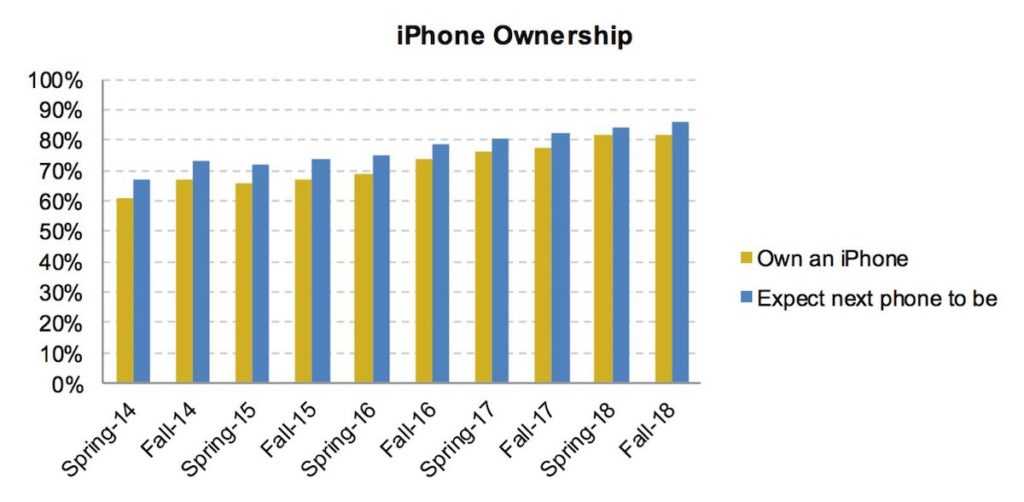
The survey concluded that 82% of teens owned an iPhone and 86% planned to buy an iPhone for their next smartphone. The iPhone has dominated the marketshare for a while now but it’s still growing in the Teen market. Only 10% of teens said they planned to buy an Android phone. Nearly half of those surveyed said that the brand of a product had a major influence on their decision to purchase.
Instagram is now the social media leader among teenagers passing up Snapchat and Netflix provides the most streaming video to our adolescent kids at 38% of the share vs 33% for YouTube. Other interesting info from the survey is that food is the highest budget priority for teens, they prefer to shop online, and the majority of video game purchases are now made through online download.
What Parents Should Know
This info is meant to help marketers plan their products and advertising campaigns but it can go a long way to help moms and dads and other guardians of kids better understand how our teenagers tick. The emphasis on the iPhone speaks to the exclusive nature of the brand, the appeal of feeling like you belong to a niche group causes kids to move towards a brand that is considered to be more premier than the rest. Instagram has passed snapchat by adding much of the features that kids loved about Snapchat without changing the core timeline of the app. Snapchat has admitted to making a mistake by altering what made their app popular with the younger crowd. After going public, Snap made decisions to buffer their ability to become a marketing destination for companies. This undermined their core fanbase of kids and teens who are more likely to skip an ad or unfollow an account that seems to be too “pitchy.”
Netflix is now a more popular video streaming service among teens than YouTube, though not by much. The focus on original content and many of our kids’ favorite stars creating shows and movies for Netflix is driving them to use the streaming service. There has also been a surge in younger people enjoying television shows from the past twenty years or so because of Netflix’s ability to keep those shows streaming on their service. While YouTube is pushing their own TV solution, Netflix is just continuing to build upon the genres they created and it seems to be drawing in folks from most demographics.
I want to conclude by mentioning again that kids are buying their video games through online downloads. This means that the restrictions on games have to be set digitally or your kids can buy whatever games they’d like. If you have set up their Xbox Live or Playstation accounts to make purchases then they can buy whatever games they’d like without any restriction. You have to set that up yourself. There is no longer a cashier at the store who will ask to see your kids id when they try to buy a game that is rated M for mature. It is up to you to get those settings set up.
This data is super helpful for us, as parents, to understand our kids’ preferences and influences. Information like this can help us make quality decisions and chose the right battles when trying to protect our kids from adult content, online predators, cyberbullying, and other dangers of using the internet with no filters or boundaries. Subscribe to our newsletter, our YouTube account, our Twitter and Facebook, and to our podcast to stay in the know as to what’s happening in the digital and connected culture your kids are growing up in.
One of the easiest ways to protect your kids online is to monitor their internet activity. Accountability software is the most effective way to do that. Accountability software does not block anything, it will report when something inappropriate has been viewed so you can talk to your child or significant other about what they spend their time doing online.
Our favorite Accountability Software is Accountable2You. I love it for a lot of reasons, probably the biggest reason is their support base. I have had a great experience when I have had to contact their support team to help me figure out setting up new devices. Some of the best features of Accountable2You are their GPS tracking (included,) their iOS VPN settings, and their time management tracking.
The video above will walk you through how to sign up and use Accountable2You. We are an affiliate of this software and you’ll get 30 days free if you use our promo code: BECAUSEFAMILY.
Today marks a major transition for one of the most popular apps for young teens and tweens. Musical.ly, the lip syncing video app, has been merged with Tik Tok. Tik Tok is another video sharing app that is run by Chinese company, ByteDance. The company acquired Musical.ly in 2017 and has now turned the two apps into one.
The ultimate goal of this transition is to combine users. Musical.ly has had 100 million users while Tik Tok boasts upwards of 500 million. Putting them together is a move to become a worldwide social video super app.
What Parents Should Know
First of all, you need to know what the Tik Tok app is when you see it on your kids’ phones. It is Musical.ly. Musical.ly has been on our uninstall list for a while now because of the social sharing aspect. Now, with 500 million more users, the number of connections your kids can make in the app has increased.
I advise you to be aware of what apps are installed when your kids phone. Again, we recommend you uninstall TickTock if you see it. Many parents are involved in their child’s usage of the app and that is up to you but I never recommend allowing kids or young teens to use such a social software without supervision.
A.R.K. Survival Evolved is a PC survival game that has come to iOS and Android for free. In the game, you are dropped onto a jungle island full of dinosaurs, plants, resources, and even other players. You have to explore, scavenge, craft, and hunt to survive. You can build shelters and even tame dinos and other animals to serve as your mighty steeds. The game was wildly popular when it released last year on computer and has climbed the charts on iOS to be in the top five in only four days since release.
What Parents Should Know
A.R.K. is rated 12 + for violence and “fear themes.” The violence in the game is mostly committed against animals and dinosaurs for self-defense or hunting. There is a vs multiplayer mode in which you can play against up to 60 players from all over the world. Remember that online multiplayer modes are never rated because the content changes depending on how the users behave.
This game also has ads and features in-app purchases. You can pay to have the ads removed or purchase resources to speed up your development in the game. This game is “free to play” but is considered a “freemium” game. If you haven’t turned off in-app purchases on your devices, this game is they type that will make you want to do so immediately. It doesn’t take long to realize that by spending a few bucks you can advance in the game much faster. It is easier for kids to spend those bucks when they belong to mom and dad.
A.R.K. isn’t a horrible game, I recommended it before your typical first-person shooter or battle royale game. The violence is mostly not committed against other humans and there are a real story and survival element involved in the game. There are even dinosaurs and animals that you can be kind to and tame instead of just killing everything in site. If your children meet the age recommendation for the game and you feel like you can manage the amount of time they spend playing (survival games have a way of making you spend a ton of time playing without realizing it) then A.R.K. is a pretty fun option.
When Facebook Messenger for kids was released several months ago, I immediately installed it for my kids and began to test it out. I like that parents have to approve every single friend request. I was glad that it is encrypted, no data is collected, and that kids don’t have to open their own Facebook account. Finally, I was impressed that they built it with its own kid-friendly GIF library and camera filters. Now, Facebook has made a small change that could be helpful for many parents.
You no longer have to be Facebook friends with the parents of the friends your kids want to contact on Messenger. The approval requirements haven’t changed. Your children aren’t allowed to make contact with anyone you haven’t pre-approved and any request will be sent to your Facebook account for easy approval or denial. This update will just free parents up to allow their kids to chat with friends regardless of being mere acquaintances with that friend’s mom and/or dad.
What Parents Should Know
I still think that Facebook Messenger for Kids is one of the better messaging apps for kids. It’s easy to set up and use and there is no data collection, account setup, or advertising.
Here, however, is my warning: You should probably know your kids’ friends’ parents if they’re going to be chatting online. I’m not saying you should follow them on Facebook and be online BFFs, just that you want to be sure your children are chatting with other children. You give up a certain level of security when you aren’t looking out to see who your kids are talking to. With Facebook messenger kids the only way to find out who they’re talking to is through the account of their parents. Friend request their parent and then unfollow them if you must but you should be able to see what you can about their family to make sure your kid is only messaging other kids.
A new report from YouTube has disclosed the removal of over 8 million videos that didn’t lineup with their content guidelines. Most of the videos were removed by their algorithms system. Videos that contained sexual content, extreme violence, hate speech, or terrorism all made the list of removed content. Some had been flagged by the system, some by viewers, and a few by YouTube employees who watch for non-compliant material on the video site.
Many of the videos that were flagged by YouTube’s software were removed before they even received a single view. These algorithms can scan the videos through the processing system and deny them before they’re made public. Does this mean that YouTube is a lot safer for Felix?
This is a major step in the right direction for YouTube. Unfortunately it’s never going to be full proof. The only real way to monitor inappropriate content is for human eyes to be on that content. Also, as parents it’s tough to allow another person, much less a company, to decide what is appropriate for our families and what is not.My advice, as always, is that parents have their eyes on the stuff their kids are watching whenever possible. If not possible then be sure to use tools like Guided Access or android family link or kid mode to be sure kids can’t explore YouTube unmonitored or unfiltered. YouTube does have a safe mode as well as a separate app for kids (YouTube Kids) and I recommend these tools as well.
If your kid doesn’t play Fortnite, they’ve asked if they can. It’s a battle royale game that combines the third person shooter genre with crafting and resource gathering. You parachute onto an island and battle against 99 other players to the last man. Along the way, you collect resources, weapons, and armor. You use your resources to craft walls, towers, and such to help you fight against other players. Fortnite is made with cartoon style graphics and no blood or gore. You do, however, play against or with players online from all over the world.
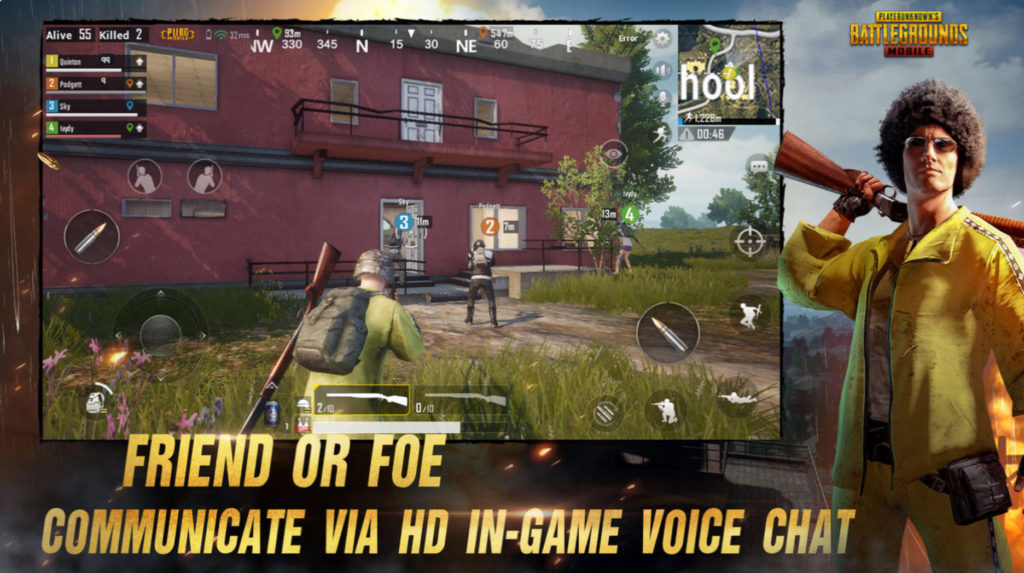
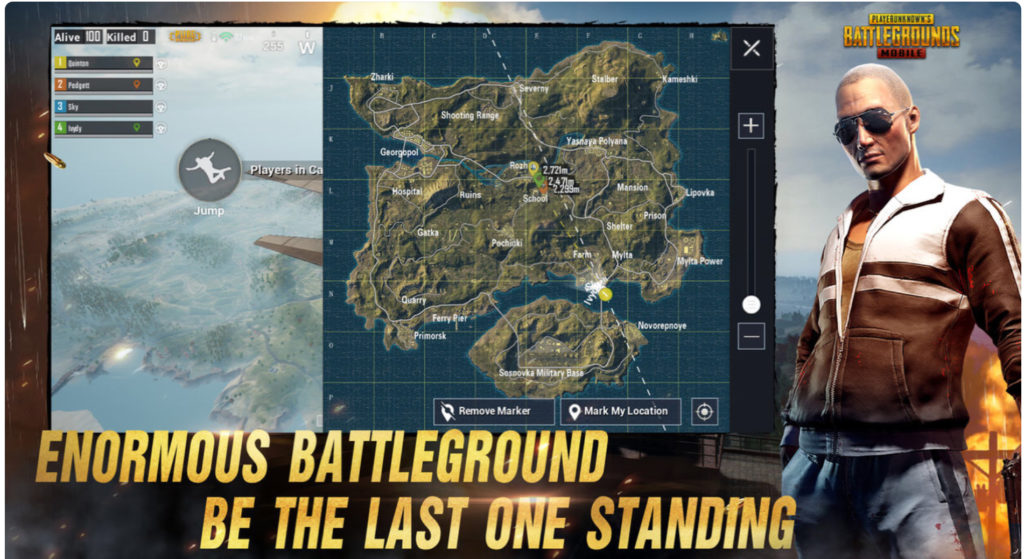
Player Unknown’s Battleground started the battle royale genre hype. It follows the same model as Fortnite, minus the crafting and resource collection. The biggest difference, however, is the realism. While it still plays like a game, it is a third person shooter with plenty of violence and blood. You don’t build and craft, you just run around avoiding enemies until you have to battle it out. Then, the choice is to kill or be killed. The game wasn’t made for young kids. It is now available for free in mobile app stores so more kids can have access to it.
My advice is to use something like Family Share or Android FamilyLink (if available) to keep an eye on what apps your kids are downloading. I’m not one to say that kids playing violent video games will immediately lead to them committing violence themselves, but I do know that there are psychological effects on young boys who experience the intensity of simulated battle while their brains are developing. I recommend not allowing your kids to download this app. Fortnite is questionable, but to me, PUBG is a definite no.
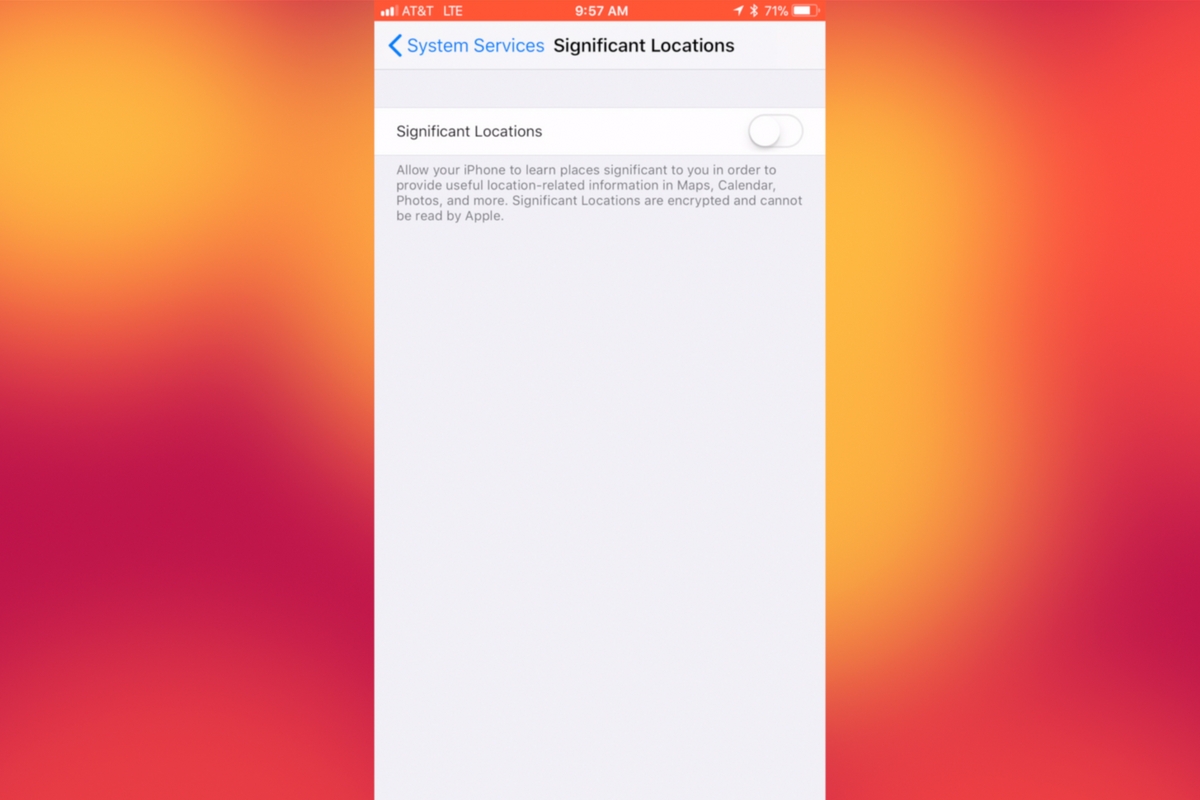
I recently noticed that some of my photos and videos were still being tagged with a location. One of the most common pieces of advice I give to parents is to turn location access off to their cameras. I was a bit annoyed because I never saw location information in my Photos app before, but now I was. Well, I did a bit of digging and found the culprit. It’s about five taps deep into your privacy settings and, therefore, easy to miss. Below is a short video tutorial to help you be sure location info on your phone stays as private as possible.
Why Turn This Off
Your location information is easy to track and very easy to gather from the data in the videos and pictures that you upload to social media. There have been instances of kids being harassed by predators who learned where they were through images their parents had shared online. Common sense tells us never to post pictures or videos that show an address number, school name, or sign of a place you frequently go with your family.The problem is that some of the apps on our phones tag our locations by default. I recommend you look at every app’s location request and ask yourself, “Does this app HAVE TO know where I am to function properly?” If it does not, then turn off access to your location.
Hopefully, this short video helps you make the changes you need to feel like your privacy is even more secure. I know I feel better.
Family Tech Update: These apps can be seriously dangerous for your kids. Adult content, privacy issues, stranger danger, all kinds of issues here, and some of them are only rated 12+!



 A.R.K. is rated 12 + for violence and “fear themes.” The violence in the game is mostly committed against animals and dinosaurs for self-defense or hunting. There is a vs multiplayer mode in which you can play against up to 60 players from all over the world. Remember that online multiplayer modes are never rated because the content changes depending on how the users behave.