Tag: instagram

  • Uninstall Instagram? Your Kid Can Still Use It!

    Uninstall Instagram? Your Kid Can Still Use It!

    Many of the tools parents use to protect their children depend on being notified what apps they have and are using most often. When it comes to social media, being able to monitor posts and direct messages is critical. Sometimes, finding something you didn’t want to see will result in forcing your child to uninstall the app from their device. Until recently, Instagram has been a social media platform that only allows users to post from within the app. Therefore, uninstalling was a good solution for parents who wanted to give their kids some sort of time out. Instagram has just updated their mobile site and it’s going to ruin everything.

    Instagram’s mobile browser update allows users to post photos and use the explore feature without having the app installed. This means that the most major features of the app are available. You still aren’t able to send direct messages through the mobile site, which is a good thing, but posting, viewing posts and accounts, and finding new accounts through search and explore are now accessible. This update is meant to give access to Instagram in countries and areas who have limited  access to app stores or network services. Being able to use Instagram without an app means that more and more people across the country and the world will have an opportunity to share pictures of their lunch or coffee.

    What Parents Should Know

    There is a simple way to monitor what your kids are doing on Instagram, whether it’s on the app or in the browser. I recommend installing Instagram on your own device and adding their account. Even if you have an account of your own, you can add another one and see everything they have been doing. Using the mobile browser will definitely affect your ability to “ground” your kid from social media but there are ways to avoid that to. Here are a couple of options.

    1. Remove access to browsers within the parental controls or restrictions of their device or your parental control apps.
    2. Put instagram.com on the blacklist in your filters or in the “red flag list” on your accountability software.
    3. Take the entire device from your child until the grounding is over. Make them use the family computer for any online activities they must do. This will really give an extra impact to the punish.

    Instagram isn’t inherently bad, of course. Just like any site or app with user generated content you’re going to find inappropriate content. These things can’t usually be filtered so monitoring what they are doing is critical. The most common issue is time spent on social media. Teens are spending upwards of six hours a day online and many of those hours are on some form of social media. If time is your concern, then a simple uninstall of the app won’t cut it anymore. You have to lock down some of the browser options as well. Otherwise, you’re only keeping them from a couple of the features of Instagram, not the entire platform.


  • How To Control What You See on Every Social Media Timeline

    How To Control What You See on Every Social Media Timeline

    One of the most common complaints I hear from parents is that they never see the posts they want to see on their social media timelines. They will scroll through their Facebook or Instagram feed looking for an interesting post, something from family, or even their own children and instead be bombarded with articles about politics or silly memes or chain letter type posts that want you to click like and share for some reason. If your feed is crowded with this sort of chatter it makes enjoying the purpose of social media very difficult. If you’re like me, you use your social media feeds as a way to keep up with friends and family, to promote the work that you do, and to be entertained and laugh at silly internet things. Well, the algorithms designed by those who build these social media platforms are created to give you the best experience. The problem is that it’s all based on your behavior on the site or in the app. If your behavior contributes to the clutter then you’re just going to get more clutter. Here are some tips to help you sort out the mess that may be your social media feeds.

    Remember who is on what social media service.

    There are different audiences on different social media sites. The split is based on a number of factors. Age, career, and gender are the major contributors. Twitter, for instance is more popular for young professionals looking to network and build a community of like minded business people. Instagram is a whole lot of young people and young parents who got tired of the clutter in Facebook and Twitter and just enjoy sharing photos. Facebook has a very large middle aged demographic and has seen a major decrease in young users over the past several years. Snapchat is full of youngsters but is growing rapidly in the 18-25 demographic. The reasons that people choose the platform that they choose can seem pretty obvious and it’s important to keep those reasons in mind as you use social media. You aren’t going to care too much about the photos of a ton of young parents and teens if you’re a middle aged parent who’s adult kids who have no children of their own yet so you may not open an Instagram account. As soon as your 22 year old daughter and son-in-law have a baby, though, and post photos of her online. Instagram is where you’ll want to be.

    Don’t like and join every FB page or group you’re invited to.

    Facebook Pages are created for advertising and promotion. They all link to a business, blog, or something of that nature. Because of this they’ll post nonstop and any time you react to one of their posts in any way you’re telling Facebook to show you more of what they post. So, if you’re a follow of a Facebook page, say the BecauseFamily Page, for instance, and you want to see more of the great resources and articles that they share, you’ll want to interact with their posts more. If you follow a page like Silly Kittens Playing Piano (I think I made that up but it’s probably out there somewhere) that posts fifty pictures a day that you don’t really even find that funny, you’re going to see more of those photos than you see most other things. Especially if you have ever clicked the like button on any of them.

    You see, the algorithm on Facebook gives you posts from the pages and groups you’re apart of based on how often you react to those posts. When you click the like button on every kitten picture you see, you’ll eventually see almost nothing but cat pictures on your Facebook feed. Now, if that’s what you want then awesome, but if you’re trying to keep tabs on what your kids are posting online, those cats are going to get in the way. You should probably click like a lot less. That’s my next tip.

    Leave the Like Button Alone!

    The like button on Facebook or the heart icon on Instagram and Twitter is basically a little “show me more” button. This is you telling the algorithm that you enjoy that kind of content and want to keep seeing it. The problem with this is we treat the Like button as passive aggressive head nod toward the content we’re seeing. You have to understand, it’s more than a head nod. It’s a subscription. You may be seeing tons of posts that you think are stupid or posts from people you barely even know. If you are, it’s because you’ve been clicking like as if it’s the same thing as a casual grin across the room. I’m sorry to say it but it’s your own fault.

    A couple of years ago I swore off of the the like button. I decided that if a post isn’t worth a comment, I wouldn’t react at all. After a couple months of that behavior, my Facebook feed started to become enjoyable. I see the geeky stuff that I like more than I see anything else, I don’t see much annoying click bait content anymore, and my friends and family are front and center and they don’t even have to tag me in their posts. I’ll often show my wife something hilarious that has come across my Facebook feed and she’ll ask me why my feed is so awesome. I don’t click like on ANYTHING I will tell her. Now, I will add that likes on comments within a post are an exception. I’ll often click like on a reply to one of my comments. That doesn’t add to the clutter since it’s on a post I have already commented on, thus deeming it worthy of being filed with the algorithm as something I’d like to see more of.

    Lastly on this topic, it’s important to remember that nobody gets blessed, goes to heaven, or receives better medical care because of a Facebook like. That’s called click bait and it only exists to help the page that shared it get more traffic and sell more advertising. 

    Only open posts from people you want to hear more from.

    Sometimes we see a post that peaks our interest and before we know it we’ve dived head first down a rabbit hole. When you click on a post on Facebook or Twitter, the algorithm remembers it and feeds you more posts by that poster. That means the rabbit hole doesn’t end when you’ve closed the article. It will continue on your feed from now on. The most important thing when deciding what links to click on on social media is who is posting it. If you don’t want to see more from that person or poster then you shouldn’t click the link. Also, it’s important to consider the original poster, not just the person who shared it. This info can help you populate your feed with only people who’s word you trust and respect and fewer of the random and nonsensical articles that seem to be so prevalent in our social media feeds these days.

    Use the “Follow,” “Notifications,” or “See First” options. 

    A great way to make sure you don’t miss a post by someone you care about is to tell Facebook you’d like to “See if First.” You can also tell Instagram or Twitter to notify you when someone you want to follow posts something. You can watch this video to see how to set up notifications on most of your accounts.

    Take Control

    Social Media algorithms are often treated like an enemy that we struggle to fight against. Every time Twitter or Instagram or Facebook changes the way they order your news feed petitions start showing up to put it back the way it was. The truth, though, is that these algorithms are tools. It’s a form of artificial intelligence that was designed to give you more of what it thinks you want. It decides what you want based on how you act. This means that if you don’t like what you’re seeing on your timelines, you need to change what you’re doing on your social media accounts. I’ll ignore the obvious life application here and just recommend that you apply some of the above advice to how you handle your online experience. Get back to me in six months and you can thank me for how much more “well behaved” your timeline has been recently.

  • PODCAST: Should I Follow My Teen on Social Media?

    PODCAST: Should I Follow My Teen on Social Media?

    Facebook wouldn’t stop talking about augmented reality, the Hooked app is super addictive, and should you follow your kids on social media?

    HUSHATHON :: http://becausefamily.org/hush

    Social Media Links

    Facebook: http://facebook.com/4pointfamilies
    Instagram: http://instagram.com/becausefamily
    Twitter: http://twitter.com/becausefamily

    Newsletter Signup

    Ministry Updates:: http://eepurl.com/R7Btr
    Weekly Blog Posts:: http://eepurl.com/cvnhXD

    Websites

    Ministry Site:: http://becausefamily.org
    Tech Blog:: https://safe.becausefamily.org
    Michael’s Speaking Info:: http://kmichaelprince.org

    Donate and Affiliate Links

    http://BecauseFamily.org/partnership

    Music by Kevin MacLeod at http://Incompetech.com

  • How to Turn on Social Media Post Notifications

    How to Turn on Social Media Post Notifications

    One of the easiest ways to keep track of your kids activities on Social Media is to follow their accounts yourself. Some social media sites make it even easier to monitor by allowing you to turn on notifications. The major social media apps allow it but the way you set each up is very different. The video below is a walkthrough of how to set up post notifications on Instagram, YouTube, Facebook, and Snapchat. Remember that following your kids is good and being notified when they post is even better. Communication is, however, more important than any of it. Be sure to let your kids know you follow them and that you’re getting these notifications. Hopefully the video below will help you out.


    Give us a hand…

    We are currently raising funds to keep these videos and articles free for you to learn and apply. Please consider checking out our fundraiser by clicking the link below. Thank You.

    BECAUSEFAMILY HUSHATHON

  • Facebook Conference Gives Us a Sneak Peak at the Future of AR

    Facebook Conference Gives Us a Sneak Peak at the Future of AR

    Facebook is in the middle of their F8 developer conference in Santa Rosa, California. The leaders of the Facebook company are announcing and unpacking their newest features and offerings on the social media platforms they develop. The most major announcement from day 1 yesterday was the opening of a public development platform for the Facebook augmented reality camera. Here’s what that means.

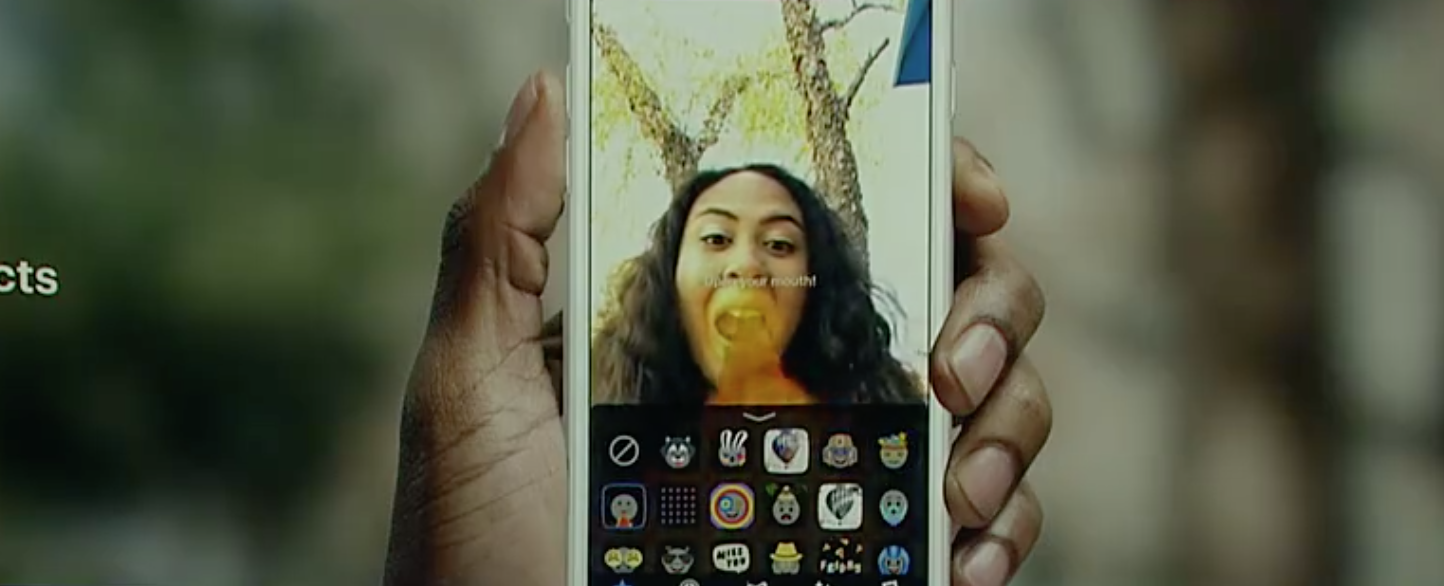
    The Facebook Camera will be the first open augmented reality platform. This means that developers will be able to make animations and images that will show up on your screen. So far, these overlays have been developed only by the company that makes the social media app itself. This means that any ideas or filter concepts must come from Facebook or Snapchat only. Any advertising has to go through the process that Facebook sends advertisers through. That will no longer be the case.

    The open platform launched in closed beta yesterday, April 18. It will still be a while before we see thousands of filter options showing up on our cameras but it is absolutely coming. You can imagine companies and programmers are chomping at the proverbial bit to start putting their projects on the Facebook camera so once it is public we will see it grow very quickly. It’s going to be a good idea for parents to keep an eye on what’s available in Facebook and Instagram’s stories camera.

    What Parents Should Know

    An open platform means developers will have the tools necessary to create their own camera overlays and animations. This will, most likely, begin with licensed developers only but it probably won’t end there. Imagine anyone in the world being able to create an overlay that you can access in your Facebook or Instagram camera. This could result in  content being available that we don’t want our children to see. Please understand that these changes aren’t happening tomorrow. This is an early warning and a reminder to always keep your eyes on what’s developing on the apps your kids use.

    Conversation with your kids is important. It’s also important to keep an eye on what your kids are installing and using. I recommend following your child or teen on social media and keeping an eye on what they are posting and sharing. With their knowledge, this will allow you to be on top of any inappropriate posts that they may share. It’s also a good idea to have their passwords so that you can see what they’ve been receiving on direct message. Eventually, you’ll want to see what their most recent AR filters have been, this will only be possible by logging in to their account. Start developing the trust now so that when there is even more reason to keep an eye on things you’ll already have a habit of doing so.


  • PODCAST: Date Night Monkey Business

    PODCAST: Date Night Monkey Business

    Amazon is changing the parental controls game, Instagram has 200 mil users, and MONKEY is a hotbed for predators.

    FAMILY TECH WEEKLY EPISODE 3

    Social Media Links

    Facebook: http://facebook.com/4pointfamilies

    Instagram: http://instagram.com/becausefamily

    Twitter: http://twitter.com/becausefamily

    Newsletter Signup

    Ministry Updates:: http://eepurl.com/R7Btr

    Weekly Blog Posts:: http://eepurl.com/cvnhXD

    Websites

    Ministry Site:: http://becausefamily.org

    Tech Blog:: https://safe.becausefamily.org

    Michael’s Speaking Info:: http://kmichaelprince.org

    Donate and Affiliate Links

    http://BecauseFamily.org/partnership

    Music by incompetech.com

  • Everyone You Know Uses Instagram Stories

    Everyone You Know Uses Instagram Stories

    There are those who made fun of Instagram for copying the Snapchat stories feature. Some of us saw it as a step towards saving Instagram from going the way of MySpace. Today, they’ve announced that the stories feature has 200 million daily users. That’s 40 million more than Snapchat announced this winter when they took their company public. To celebrate this momentous occasion they’ve added a few more features that Snapchat has had for a while. You can now add more stickers to your stories and even pin them to something in your video so they’ll move with you. They’ve also included Geostickers for several new cities.

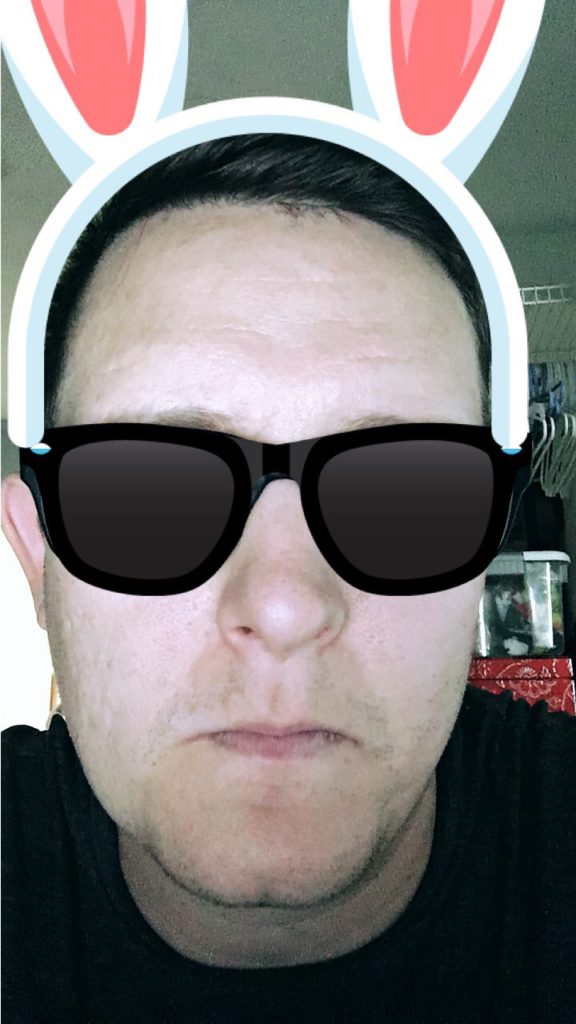
    These stickers, no matter what social media platform they’re on, are causing a term to enter the conversation that may have some parents scratching their heads. AR. AR stands for augmented reality which is exactly what it sounds like. Using your camera, these apps view the real world and then change it in whatever way you choose. Whether it’s a dog mask that pants when you open your mouth or stickers of bunny ears to celebrate easter, AR allows you to apply animation or illustrations to your images and videos. This is a popular feature that folks have been using for a while and it’s now been spotted by advertisers as a major opportunity for promotions. That’s why you’ll see masks featuring the latest movie release or a filter that has the logo of a make up product or beverage in the corner. AR is the new Television commercial but people are actually paying attention to it. Instagram’s celebration of these numbers with more AR features is guaranteed to bring in more users and more advertisers.


    What Parents Should Know

    Your kids and teens love nothing more than making silly faces in their selfies and sharing them with their friends. It’s good fun and usually not a big deal. Obviously advertising is everywhere and it was only a matter of time (it’s already been happening for a while) until marketing companies caught on that this was the best way to gain access to young people. I would expect more and more advertisers to jump on this bandwagon in the near future. The thing for parents to keep in mind is that these social media options allow marketers to identify their niche audience more easily and reach them more frequently. They can target age groups, locations, and even specific likes and dislikes to cater their marketing for that audience. 

    AR is just where entertainment is right now for our young people. Advertisers have always looked to target them in the cheapest and most direct way possible. My advice is simply to be aware of the amount of time your kid is spending on social media. There are always dangers that we want to keep them from but, while I wouldn’t call it dangerous, the constant barrage of advertising can become worrisome for some kids. My strongest advice is for you to get an account on the social media services your children use and get to know them a little bit. At worst you’ll have to see some dumb ads and lots of dog faces, at best you could have something in common to talk with your teenager about.

  • Fake News and Selfie Smiles

    Fake News and Selfie Smiles

    Your kids’ brains are developing, you MUST learn to tell fake news from real news, your pictures need more sprinkles, and SURPRISE!! Instagram is full of narcissists.

    FAMILY TECH WEEKLY EPISODE 2

    Social Media Links

    Facebook: http://facebook.com/4pointfamilies
    Instagram: http://instagram.com/becausefamily
    Twitter: http://twitter.com/becausefamily

    Newsletter Signup

    Ministry Updates:: http://eepurl.com/R7Btr
    Weekly Blog Posts:: http://eepurl.com/cvnhXD

    Websites

    Ministry Site:: http://becausefamily.org
    Tech Blog:: https://safe.becausefamily.org
    Michael’s Speaking Info:: http://kmichaelprince.org

    Donate and Affiliate Links

    http://BecauseFamily.org/partnership
    Music by Kevin MacLeod at http://Incompetech.com

  • Instagram Voted Most Narcissistic Social Media Platform

    Instagram Voted Most Narcissistic Social Media Platform

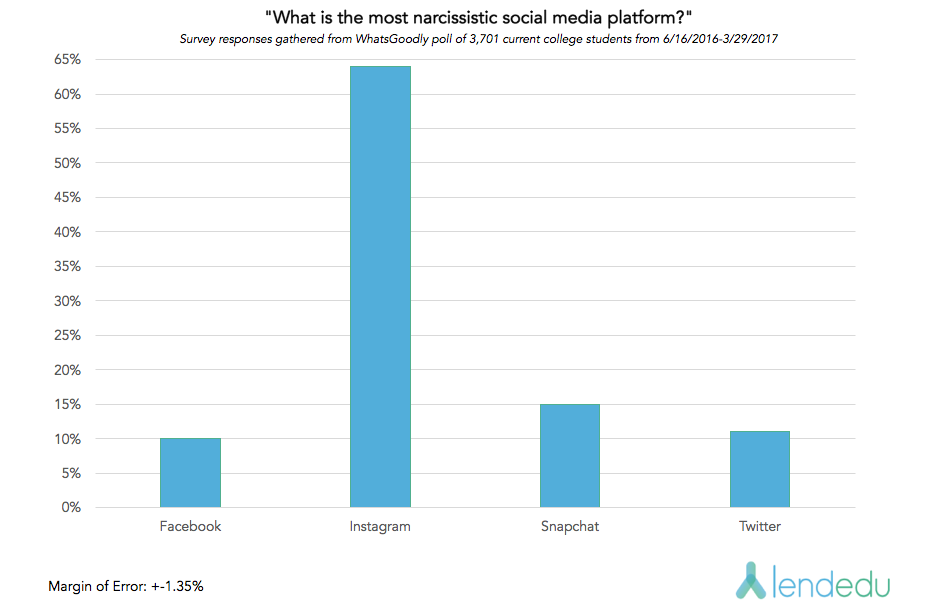
    We’ve all seen that special selfie smile. The one that doesn’t allow your eyes to crinkle since we don’t like how our faces look when we laugh. This smile is most noticeable on the photos in your Instagram feed. As you scroll through you’ll see a version of people’s reality that usually makes their life look incredible. Is it possible that people are just posting to get more likes and comments on their photos? Could, maybe, these posts be a vain attempt to be accepted by your peers online? A large group of young adults were polled and they think that’s exactly what’s going on.

    A recent study by LENDEdu rates the vanity of the users of major social media platforms. Facebook, Snapchat, and Twitter users all seem to be equally motivated by getting likes but Instagram users are extremely more driven by that double tap. It’s all about getting the LIKES on Instagram. So much so that more young people voted Instagram as the most narcissistic platform than the other three platforms combined.


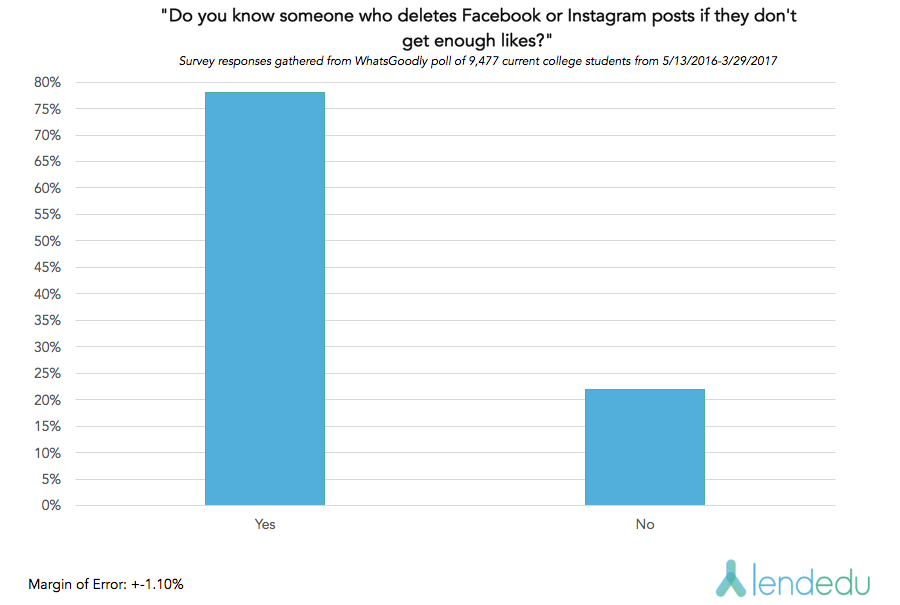
    In fact, likes are so important that many who were polled admitted to taking down a photo or video if it didn’t get enough likes. This strengthens the case for the narcissism of Instagram. Some even use social media to create a different version of themselves. If they aren’t perceived in the way they’d like to be perceived they’ll just remove the evidence like it never happened. They also speak of an unspoken rule in which you like the posts of those who liked yours. This code of conduct allows users to build their desired persona while helping their friends build theirs.


    What Parent’s Should Know

    If you use Instagram you would probably answer these questions the same way. It’s obvious that people are only posting what they consider the best version of themselves on social media. When it comes to our teenager and tweens there is a risk involved with wrapping your self worth around the response your posts get online. Our children should be taught how to find their confidence and identity in something other that what others think about them.

    The “narcissism” referred to in this study points to young people in our culture’s desire to be accepted. That desire has always existed but it’s so very volatile in this increasingly global world. While social media may have been invented to allow us to share our experiences with the world, in reality, many are posting a filtered (literally) version of their lives. The quest for likes and approval from those who follow our accounts can easily lead to negative consequences in our children’s lives.

    My advice is to keep your child away from social media as long as possible. When you feel they are mature enough to have the right attitude about their reasons for posting online then let them open an account. If you feel they are merely looking for acceptance from their peers then it may be a good idea to delay access to such obvious criticism. As a parent you are what stands between your kids and some of the emotion that can come with your online activity being commented on, liked, and hated. Step in and take action to protect them from some of those potential negative emotions until they and you feel they are able to handle the load.