Tag: government

  • YouTube May Have to Stop Making Money Off Our Kids

    YouTube May Have to Stop Making Money Off Our Kids

    The US Federal Trade Commission is finishing an investigation into YouTube’s Children’s Data and Ad policies and at least one member of Congress is now asking for YouTube to make some major changes. Massachusettes Senator, Ed Markey has officially requested that the FTC enforce some major policy shifts on Google for how YouTube handles advertisements to children and the collection of kids’ data.

    The request states that:

    Personal information about a child can be leveraged to hook consumers for years to come, so it is incumbent upon the FTC to enforce federal law and act as a check for the ever increasing appetite for childrens’ data. – FTC YouTube COPPA 2019

    This three-page document outlines a plan for rules that the FTC should enforce upon YouTube in order to keep them compliant with  COPPA and to better regulate their child advertising practices. The rules include requiring Google to stop collecting data from users under 13, requiring YouTube to develop a way to identify users under 13 and implement COPPA compliant policies, disallow influencers from marketing products geared towards children under 13, and forcing Google to create a fund for developing content meant for children that is ad-free and COPPA compliant. 

    COPPA imposes certain requirements on operators of websites or online services directed to children under 13 years of age, and on operators of other websites or online services that have actual knowledge that they are collecting personal information online from a child under 13 years of age.

    What Parents Should Know

    Parents have to be intentional about teaching their children about online privacy. Regulations from the FTC will, likely, be coming in the near future. Even if these changes aren’t as strict as the ones listed in the letter from Senator Markey, they will still cause major ripples in the YouTube creator and viewer community. The way that YouTube seems to try and handle these kinds of problems is by “demonetizing” videos that contain the type of content they are taking heat about. The heat they are getting from the FTC right now, though, is concerning some of the most profitable channels on any video sharing platform ever.

    Advertising is the way these companies make their money and collecting data is their sole model for targeting their advertising. If they aren’t allowed to target children anymore then there won’t be much content on YouTube for children at all. Our approach has always to only allow our kids to watch YouTube videos that we have selected and they must watch them on the television in the living room. That protects them from any surprises and we curate the types of videos they are allowed to watch. We also have YouTube Premium which removes ads. This is helpful since the algorithm that selects which ads show up on what videos often doesn’t take the age of the target audience into account. (i.e. an ad for the latest Childs Play film on a video about kids making slime.)

    As I always say, we should hold these companies accountable as much as possible but it falls to parents to be the responsible ones when it comes to our children’s digital health and online safety. What is your approach to YouTube, do your kids watch as much as they want? Do you limit their viewership on YouTube? Do you think this news will affect how much time you allow them to use the app? Let me know your thoughts in the comments below.

     

  • Why the Repeal of Net Neutrality Matters to Every Parent

    Why the Repeal of Net Neutrality Matters to Every Parent

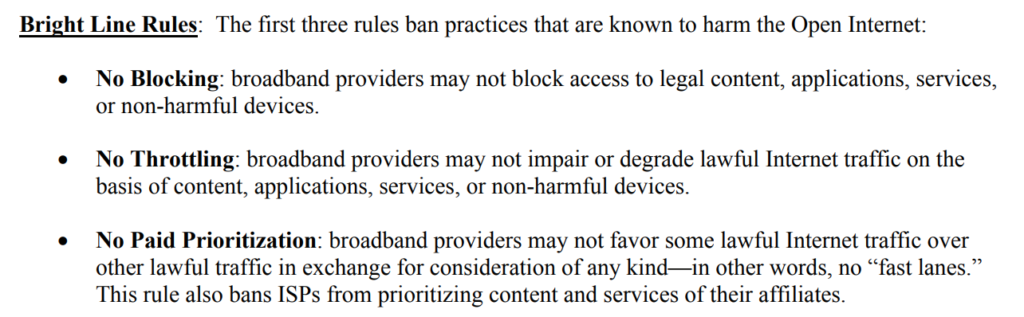
    Today, the FCC voted to repeal the net-neutrality rules that made access to the internet a Title 2 utility for consumers. This categorization, among other things, allowed the government to keep companies from denying, slowing, or charging extra for access to the internet and the content on the internet because it was considered a public right. The repeal removes those regulations and may allow companies to prioritize the content you can access based on their profit margin. The fears outlined by many non-profits, senators, online content creators, and companies that have taken action against this repeal include speed throttling, site blocking, loss of innovation, and a general prioritization of access by internet service providers.

    Supporters of the repeal have said that government oversight isn’t necessary to maintain a free and open internet and that the free market will keep companies from resorting to these feared measures in order to increase profits and popularity. They state that the internet was free and open before the 2015 Net Neutrality measures were passed and that it will continue to stay open after it’s repealed. 


    Screenshot from the 2015 FCC Net Neutrality Press Release

    What does (could) it mean?

    It may not mean a lot right away but it could eventually mean higher prices for internet use and a sort of “cable tv style” bundling of internet access. It could also mean a more difficult (or maybe even impossible) road to success for creative internet and software startups.

    Imagine, for example, that Spotify is getting started and it’s catching on with music fans. Then, imagine that Comast (everyone’s favorite ISP to hate) starts their own music streaming service because they see the opportunity to increase revenue. Since Comcast wants to be more successful they will have to come up with anything they can to attract more customers than Spotify. This may include slowing down data access to you while you’re streaming music through Spotify. Eventually, you may get annoyed enough to switch to Comcast’s own music streaming service simply because there are fewer interruptions in streaming. Spotify eventually fails because their users can’t get the access necessary to help the company succeed. Next Comcast makes their music service only available if you are a Comcast customer. What do you do then? Switch ISPs because the services you feel are most important to you are only available if you use them to provide you with your internet service? Finally, their prices can rise and rise because more people are using Comcast based on the fact that their favorite internet content has now become inaccessible on any other ISP. There is no more competition.

    I’ll give you that this is a worse case, distant future scenario, but if you look at Cable and Sattelite TV it doesn’t seem that far-fetched. Under Net Neutrality, Comcast, Time Warner, or anyone else for that matter aren’t allowed to throttle down internet speeds to certain sites and services. They definitely can’t block access to the sites you want to visit. They aren’t allowed to bundle websites into different cost packages either. This means you can use whatever streaming service and websites you like best and not have to worry about access being slowed or blocked. You can imagine why a small, non-profit, tech safety website startup might be a little concerned about ISPs getting full control of an audiences internet access. Net Neutrality puts access to the internet in a category similar to electricity and water. Access to these necessities is considered a basic right and the companies that profit from these resources are only allowed to operate in a way that allows equal and fair access to all users. 

    Why does it matter to parents?

    It matters to you as a parent because you want more people innovation online. You want services like Mobicip, Accountable2You, and Unglue to be able to create their products to help your family be smarter and safer online. If the only way to be successful online is to become affiliated with a major corporation or to pay that corporation to be included in their access package, many of the newest most helpful resources for parents wouldn’t exist. Again, I’m against fear tactics and panicking but I encourage you, as a parent who is concerned for their child’s safety online, to speak out. Contact your congresspeople and tell them you support Net Neutrality. The vote is over but the battle is not. Lawsuits and petitions are already beginning to be filed and you’ll be hearing about this issue for a while.

    I don’t like to spend much time talking about political issues but this could, eventually, affect this blog and our work for families in a serious way so I had to say something. Thank you, now back to your regularly scheduled internet safety blog posts.