Tag: gaming

  • Fortnite Hacked!? How to Protect Your Kids’ Account Information

    Fortnite Hacked!? How to Protect Your Kids’ Account Information

    A vulnerability discovered by Check Point security researchers, could have allowed hackers access to over 80 million accounts on the popular Battle Royale game Fortnite. The breach would allow hackers to see account information, use the account credit card to make in game purchases, and even listen in on player’s in game chats. The vulnerability has been fixed by Epic Games but they are making recommendations for users to secure their accounts in the future. Since the hack that was discovered didn’t need a password, changing your password on your Epic account regularly wouldn’t have saved you from this leak. Epic recommends using “two factor authentication” to keep you from being vulnerable to attacks like this. A few months ago they even provided a free avatar emote for those who opt in to two factor authentication.

    What Parents Should Know

    First of all, it is important to understand security and how breaches like this happen. Your children are using games, social media accounts, and web services that collect tons of data on them. Much of it is kept stored by the companies that are collecting it but the servers that this data is stored on aren’t always as secure as you would like them to be. The hack that affected Fortnite was found by accessing accounts through a website that was published by Epic Games fourteen years ago. Hackers could access player’s logins through the site and then listen in on their conversations and use their payment information. These vulnerabilities are there because the internet is so big and so open that who can blame Epic Games for forgetting about a little stats site it put up in 2004? This is why it falls to the consumer to protect our own information.

    What is Two Factor Authentication?

    It’s really simple. You enter your password to access a website. If you’re like me you have passwords stored on your computer and in an app on your phone so you can get to them easily and login as quickly as possible. Two factor authentication seems annoying because it adds a step. If used properly, however, it should only ask you to enter your second form of identity verification if you are logging in from a new device or location and it is really one of the safest forms of security available right now. When you get that email that asks you why you had a login from your mom’s computer across town and you roll your eyes because you know it was you checking your Facebook page because your phone died, just remember, this form of verification is one of the only ways to keep your data safe nowadays.

    Passwords are infamously weak and often saved to the point that we have forgotten them. Our kids likely have learned their password creation skills from us and therefore their abilities to form a strong, memorable, but secure password or passphrase is embarrassing. Remember that you should always use multiple different forms of characters like numbers, letters. symbols, and a combination of caps and non-caps. Make your passphrase longer than you’d like and save it somewhere. Teach your kids to have different passwords on all of their accounts, not just variants of the same password either. I use a password generator and storage software to keep track of mine. I have a really really long passphrase that I have memorized to log in to my password storage software so that my other passwords can be unique and secure.

    Final Advice

    Finally, I recommend talking to your kids about the kind of information they post online and store on their online accounts. Remind them that what happens online is permanent. Photos will exist forever, social media posts will come back to haunt them, and that conversation they’re having while playing Fortnite may not be as private as they thought. Many adults are just now learning about how to keep our information secure online, I feel that it’s critical that we teach our kids how to do the same thing. Their data is more valuable that any of us ever imagined it would be.


  • The State of Education Technology in 2019

    The State of Education Technology in 2019


    One of the hottest topics of last year’s CES was coding education. This year was no different. From the show floor to the FamilyTech Summit ed tech was all the rage. It wasn’t limited to coding, though. There were plenty of products at CES 2019 that featured ways to teach kids how to code, use their creativity, and even build their own robots. Most of them used an app on an iPad or Android device that used Scratch or JavaScript (two coding languages) to program a toy or robot. 

    My favorite toys were the ones that didn’t use a screen to teach coding concepts. Those were a bit few and far between this year but there were some pretty fun options. Coding Critters was one that is meant to teach coding logic to pre-schoolers. There were also a few screen free products that read stories to your children. The discussion at the FamilyTechSummit featured a lot of education talk. Mostly discussing the importance of teaching coding and creativity and how robotics, engineering, and computing can strengthen those skills. 

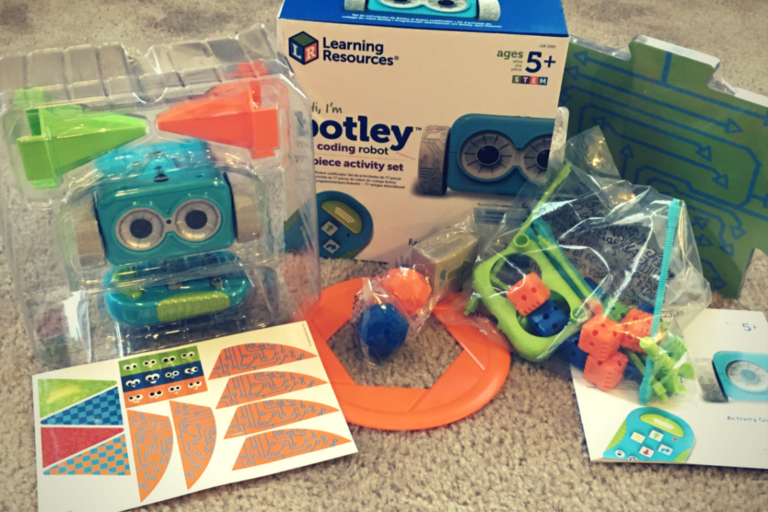
    Botley the Screen Free Coding Ed Robot

    There were train sets that are controlled with colored tiles placed on the tracks. The set then can grow with the kids as they learn to code using the app that comes with the trains. A Harry Potter wand that teaches coding through wand gestures and behaviors was a highlight and one that my kids will love to play and learn with. As was Specdrums, a set of finger attachments that can be programed to play notes or beats based on what colors they are touching. These little toys turn your world into a musical instrument based on the code you program into the circuits.

    There were a lot of toys designed to teach circuitry and electronics. Many of these toys contain components that allow you to build on to them with your own legos and make your creations come to life by connecting circuits and coding behaviors into them. The ability to build and create on your own was a great feature of many toys at CES 2019, even taking over the coding robot trend. Building your robots, combining your creations with an augmented reality world, and even robots like Artie which let you program him to draw and create works of art. S.T.E.M. is becoming S.T.E.A.M. whether you consider art a part of engineering or something on its own, the toy industry is buying in to the ability to create while you work out the logic and mathematics required to build electronics.

    Robots, circuits, and coding aren’t the only exciting ed tech advancements. Augmented and virtual reality are getting into the game as well. This tech takes you right into the experience you’re learning about whether a science lab, outer space, under the sea, or ancient Rome. Being able to walk around in ancient cities to learn about the lives of our ancestors is remarkable and becoming more accesible to the general public and to schools all over the country.

    Ed Tech is advancing quickly and I think it’s good that it’s moving beyond teaching the same old things just on a computer. These toys are bringing new and interactive ways to learn about the topics your kids will need to understand in order to compete for that future job that doesn’t even exist yet. While it is always important to watch the amount of screen time our kids get. If we can keep the time safe, educational, and innovative, we go a long way to protecting them as we prepare them for their future.

  • What Happens in Vegas WILL NOT Stay in Vegas

    What Happens in Vegas WILL NOT Stay in Vegas

    I leave in just a few days for International CES in Las Vegas Nevada. It is my second year to attend this conference but many of you have just started following us since my last trip so here’s some background.

    What is CES?

    CES is the world’s gathering place for all who thrive on the business of consumer technologies. A high-level business event that touches all industries. A platform for innovators of all sizes to build their brands, every major technology company on the planet participates in CES in some way — by exhibiting, speaking, sponsoring, attending or holding co-located events and business meetings.

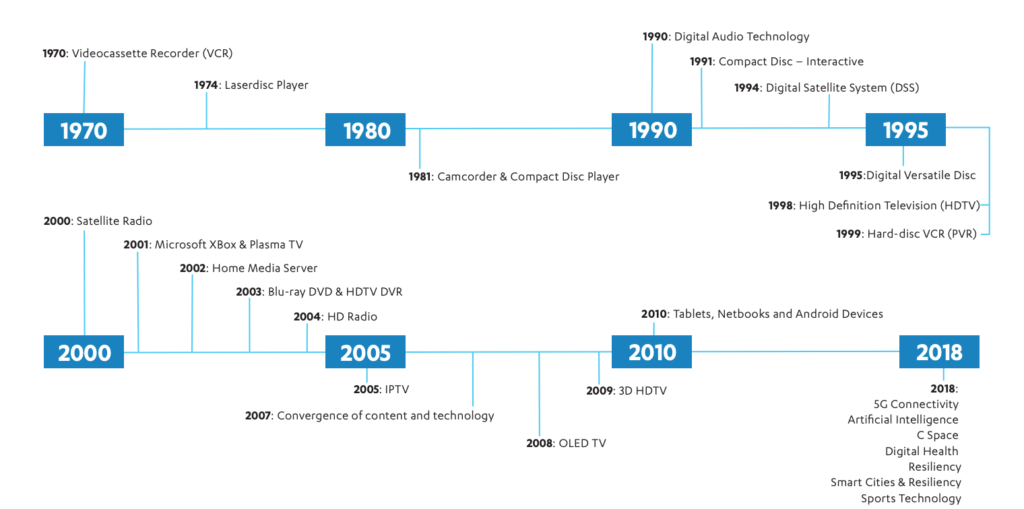
    CES began in 1970 where it highlighted new, world-changing technology like the videocassette recorder and the Laserdisc Player (1974.) Products that we use every day were on display and demoed at CES over the years, including Compact Discs, Satellite and High Definition TV, Xbox, BluRay players, streaming entertainment, Tablets, and Netbooks. The show now features Virtual Reality, Smart Cities, Self Driving Vehicles, and Artificial Intelligence among a lot more!

    Why do I go?

    The whole purpose of BecauseFamily and the Family Tech Blog is to protect children and teenagers by bridging the technology gap between kids and their parents. In order to do this, I work to be on the cutting edge of technological advancement. Our world isn’t just digital anymore, it’s connected, marketers are struggling to find new ways to market to younger, more knowledgeable generations, and psychologists are urging app makers and toy manufacturers to cut out screen time whenever possible. These are all facts I learned at CES and use to inform my workshops, blog posts, videos, podcast episodes, and meetings with parents after. There is much more to learn this year and since I am able to attend through media credentials from the blog, I’ll be there. I’ll be learning for you. The parents.

    CES 2018 Stats – ces.tech

    So Here I Go, Please Join Me

    I’m going to enjoy myself at CES. Vegas is a fun city. I enjoy being around the tech industry, I love learning about marketing, kid and teen tech, social media. and video gaming. I am excited to be an authority on these topics for parents so that I can have an answer to nearly every question I am asked when I work with families.

    While it will be fun, It is work, and it is important. I am extremely grateful to all who have supported BecauseFamily and who read and share my blog posts. Please stay tuned in to the blog, our social media, and our YouTube channel for coverage from the only tech blog covering CES exclusively for the purpose of educating parents and protecting kids. You can also follow me personally on my YouTube channel for daily travel vlogs from my trip. When I go to Las Vegas, what happens there, comes home, to you!

  • Family Tech Blog’s Top Five Posts of 2018

    Family Tech Blog’s Top Five Posts of 2018

    Thank You for Everything!

    I can’t believe the year is over. During 2018 the Family Tech Blog has more than doubled in monthly reach and many articles have been read thousands of times each. I am so grateful for all of you who read and share our content and especially to those who have chosen to support BecauseFamily financially so that this blog can exist. Looking back on this past year it is crazy to think of what all has happened in the tech and family tech safety world. I wanted to write one last post for 2018 that highlights some of the most read articles from this past year. Here are the most read posts from a busy and fascinating 2018.

    Number Five

    Three Ways to Identify a Dangerous YouTube Video Before Your Kids See It

    YouTube is a popular topic for parents and educators. The video streaming site provides some of the most helpful and easy to access free resources on the internet. Unfortunately, however, when anything is as easy to use and popular as YouTube, you will have content on there that isn’t appropriate. I think this article was so popular because in it, I lay out some steps parents can take to identify dangerous or misleading videos on YouTube just by looking for a few signs. I’ve had parents, youth workers, and teachers tell me this article helped them make better choices in what their child was able to watch. Remember that YouTube is the wild wild west. Nearly anything goes. Parental supervision is HIGHLY recommended.

    Number Four

    unGlue is a Great Way to Teach Your Older Kids Screen Time Management

    There comes a time as parents that we should transition from control to guidance. unGlue (a BecauseFamily affiliate) is a great software option for parents who want to add guidance to their internet safety plan without giving up all control at once. This article came out before Apple rolled out Screen Time so it was one of the first software options to provide the kind of limits parents were looking for. It you are trying to protect Android devices or even some older hand me down iPhones, unGlue is still a great option.

    Number Three

    Do Violent Video Games Create Killers?

    Tragedy at a gaming competition in Florida spurred this article that explored some of the opinions that float around about gaming and violence every time a young man commits a violent crime. This article unpacks actual research that has been done to try and answer the question: Do violent video games create killers?

    Number Two

    Tools to Monitor Your Own Screen Time in 2018

    As parents, it is critical that we live out the lessons we try to teach our kids. They retain more of what they see you do than what hear you teach. Monitoring your own screen time, even if just to increase your awareness, can be a very helpful practice in trying to set a healthy example for our kids and teens. This article was released right at the beginning of 2018 and continued to grow in popularity all year long. It is obvious that people realize they spend a lot of time on their phones, here’s hoping they used some of these resources to keep track and make some healthy choices.

    Number One

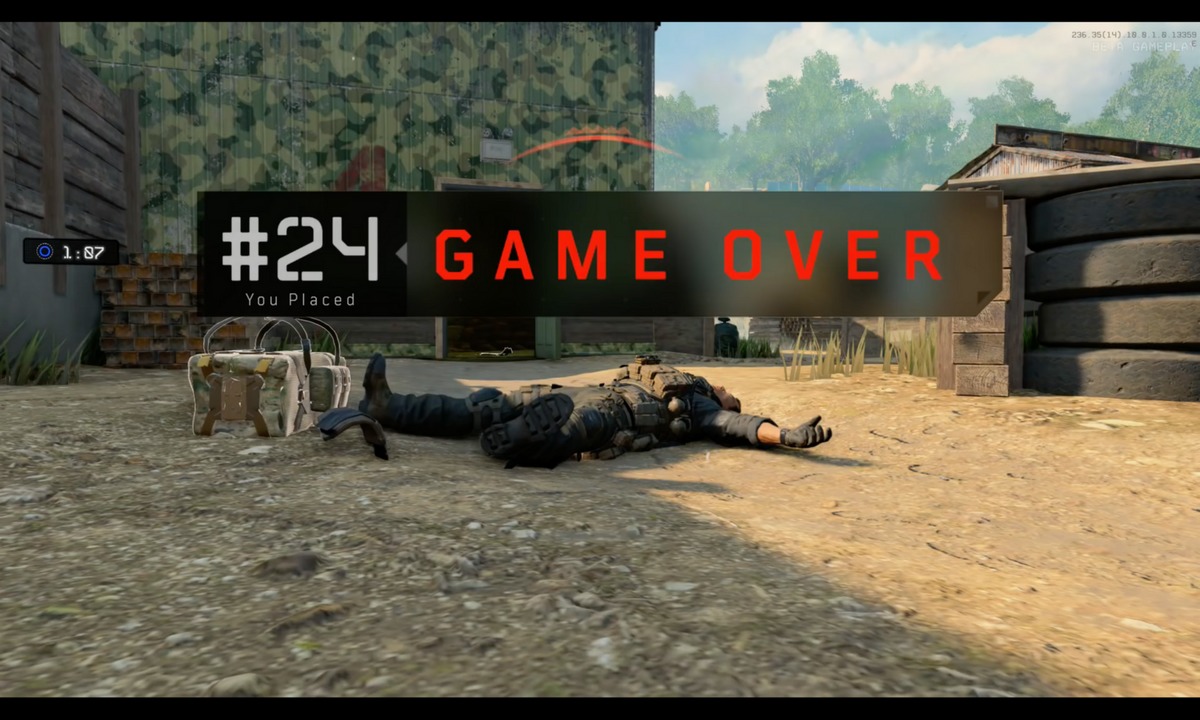
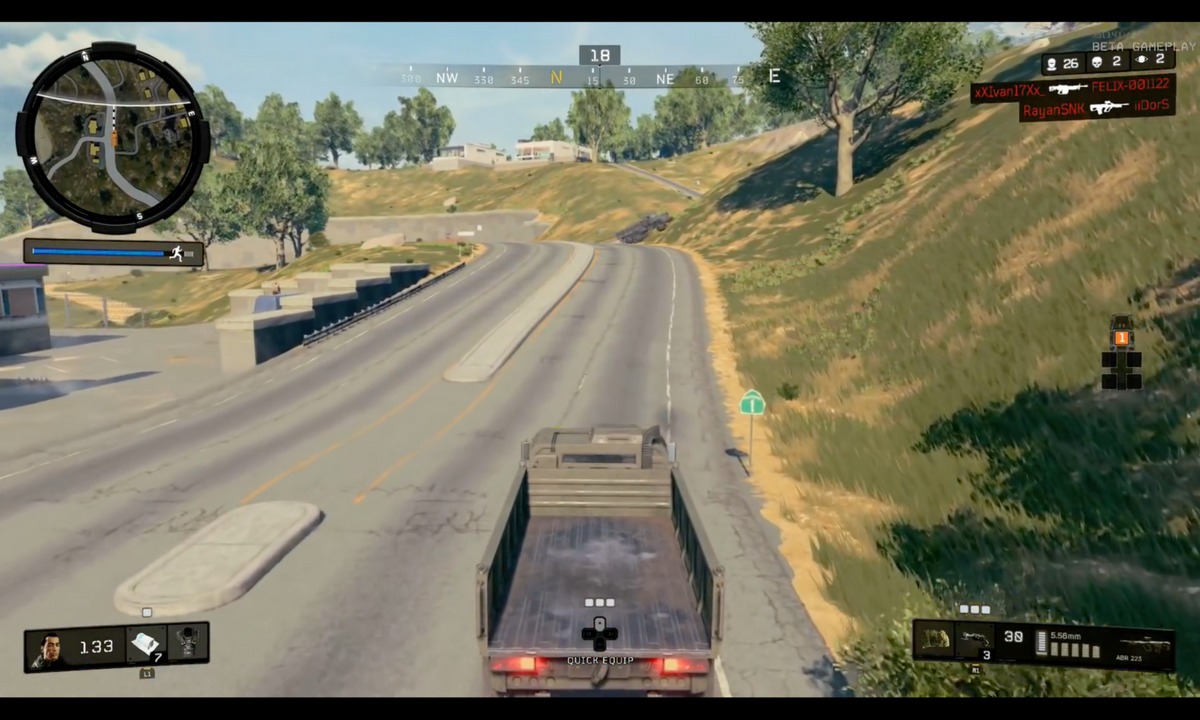
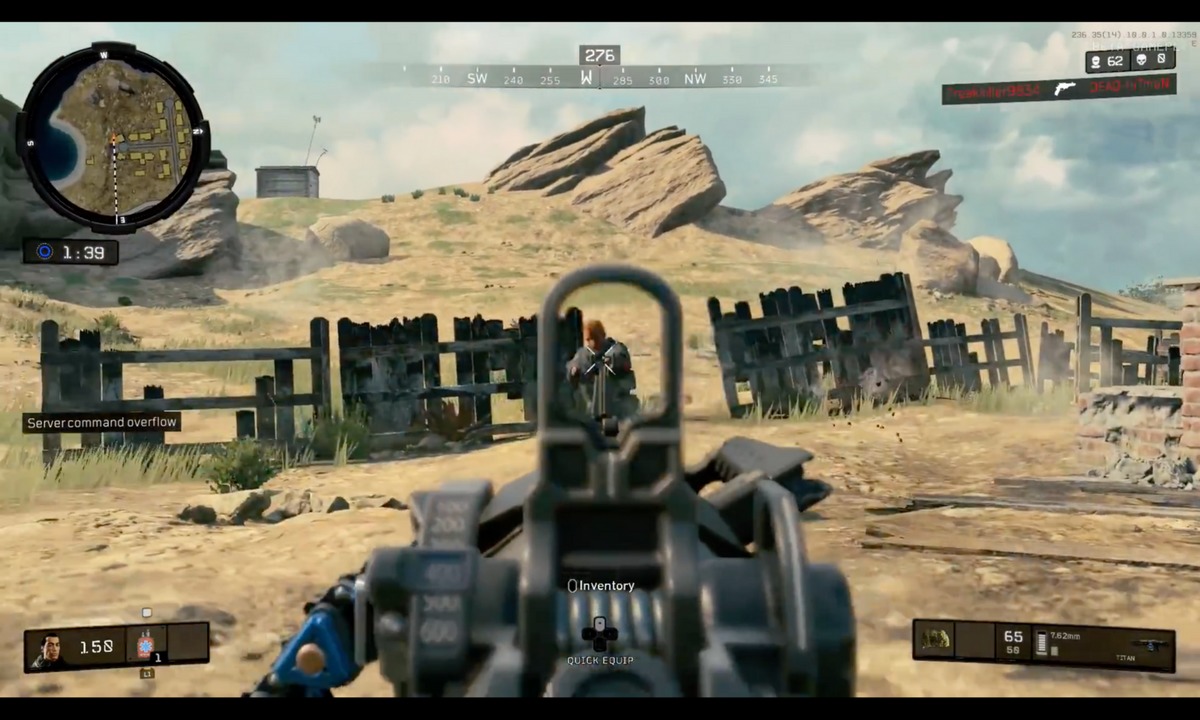
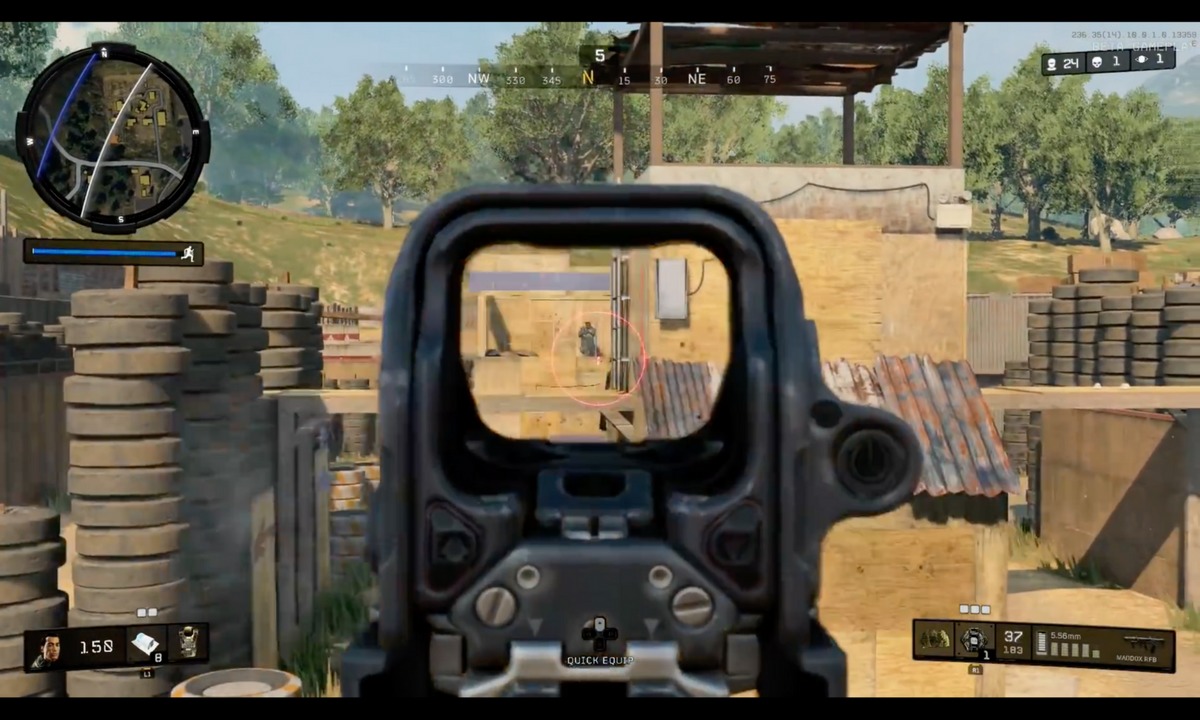
    Parent Guide: Call of Duty Black Ops 4

    Finally, we are back to gaming. Call of Duty Black Ops 4 released on the back of a ton of hype based around their Battle Royale mode titled “Blackout.” The game released to positive reviews but had a lot of kids asking their parents if they could play it. This Parent Guide is a great way for moms and dads to see if this game would be appropriate for their child.

    Final Thoughts and Trends

    There are the top five posts from 2018. Obviously video games and screen time was a major trend with YouTube maintaining  a presence as one of the most common apps used by parents. I was surprised that there were no articles about Fortnite on the list as that game has taken the world by storm. You can’t look anywhere without seeing the dances, costumes, and merchandise. Voice control is another major trend in 2018 that I am surprised didn’t get as many readers as some other topics. I imagine 2019 will be all about gaming, internet privacy, voice control, and of course…YouTube.

    Thank you for reading the Family Tech Blog this year. We appreciate your support and sharing. Keep checking in through the next year as we have even more awesome plans including adding more tutorial content, including Xbox and Android tutorials, and a lot of news from CES2019, starting next week. Thank you again, Happy New Year, and we will see you in 2019!

  • Player Unknown’s Battleground is Temporarily Free on Xbox

    Player Unknown’s Battleground is Temporarily Free on Xbox

    This is just a brief notice to let parents know that PUBG, a battle royale game similar to Fortnite but more realistic and graphic, is free today and for a limited time on Xbox. The game usually costs $29.99 but has been marked down for the rest of the week and likely the weekend. The version for iOS and Android has been free since release.

    Check Out: 5 Kinds of Apps Parents Should Look Out For

    What Parents Should Know

    Player Unknown’s Battleground is similar to Fortnite in that you parachute onto an island and try to be the last player standing. That is about where the similarities end, though. The graphics, while not nearly as polished, are more realistic and the death animations are geared a bit more towards adults. This news is important for parents who keep their credit card number or csv from their kids as a way to force them to ask permission to download a game. Since PUBG is free right now, this method of monitoring may not be effective since a payment won’t be necessary.

    I always advise that parents know what their kids are playing on their game consoles and that you discuss with them that there is a healthy and safe way to play and that they should make those good choices. Avoiding strangers and keeping from sharing too much personal information is the best start for your multiplayer gaming safety conversation. Just remember that like Call of Duty’s Blackout, PUBG may seem like its “basically Fortnite,” but it is very different.


  • A Warning About Fortnite’s New NFL Themed Avatars

    A Warning About Fortnite’s New NFL Themed Avatars

    Coming November 9th, NFL fans will be able to represent their favorite teams with their Fortnite avatar. The uniform packs will be available for purchase ($12-$15) and will allow you to customize your uniform to select any of the NFL’s 32 teams and any jersey number you’d like. You will not see any names on the back of the jersey’s, though. Emotes (dances,) goal posts, and referees will also show up during your Battle Royale matches.

    The partnership between the NFL and Epic Games (developer of Fortnite) is no surprise as the video game phenomenon has taken the world by storm. We’ve already seen many of the NFL’s end zone celebrations feature some of the dance moves showcased in Fortnite’s emotes and heard many players discussing their love of the game. Blending the video game world with the NFL team culture is great marketing for both Epic Games and the NFL. The NFL will especially benefit since gaming is such a major market for younger generations whom the league is wanting to attract for obvious future-proofing reasons.

    Check this out: Ok, Fine. Here’s What I Think About Fortnite

    What Parents Should Know

    A major frustration for many parents is the constant nagging from their children to allow them to buy skins for their avatars on Fortnite. It’s possible it will get a lot worse. The biggest difference, though, is that some parents may actually see the benefit of allowing their kid to get an NFL Themed skin. If parents are major supporters of an NFL team, it’s possible they would approve of such a purchase because of their desire to see their child express their fanaticism as well.

    All of this is well and good. Just know, if you are the type of parent who doesn’t want your kid spending actual money in a game like Fortnite, this could be one of the first major areas of conflict between you and your child. If you’re ok with Fortnite and even making purchases in the game, remember to keep track of the amount of time your child is spending playing the Battle Royale game.  Be aware that advertising your favorite NFL team in a massively online game could broadcast a little bit (obviously not always) about where you live. i.e. Chiefs fans are in Kansas or Missouri, and Broncos fans are likely in, or at least from, Colorado.

    There have been instances of predators grooming kids in Fortnite and any detailed interest about your child that is proclaimed through their profile or avatar can give a predator more information to use for grooming purposes. Talk to your child about who they are playing with in-game and remind them to avoid lengthy conversations or “squadding up” with strangers. I don’t say any of this to scare you, only to remind you to be vigilant in monitoring the amount of time your child spends on the game, and to maintain an ongoing conversation with them about their time in the game, who they play with, who they talk to, and what their experience is like.

  • Parent Guide: Call of Duty Black Ops 4

    Parent Guide: Call of Duty Black Ops 4

    Violence/Gore - 1 out of 5
    Language - 1 out of 5
    Sexual Content - 4 out of 5
    Positive Message - 2 out of 5

    The Game

    It’s that time of year again. Time for another Call of Duty game. This one is a bit different, (more on that later) but it is a CoD game none the less. The last game in the series was set in WW2. This on is set in the not too distant future, the 2040s. There isn’t much of a storyline in Black Ops 4 but there is no shortage of gameplay depth and replay-ability. Your kids are sure to ask for this game for the Holidays but what should you say? Hopefully this brief guide will give you an idea of the content in Call of Duty Black Ops 4 so you can make a quality decision for your family. 

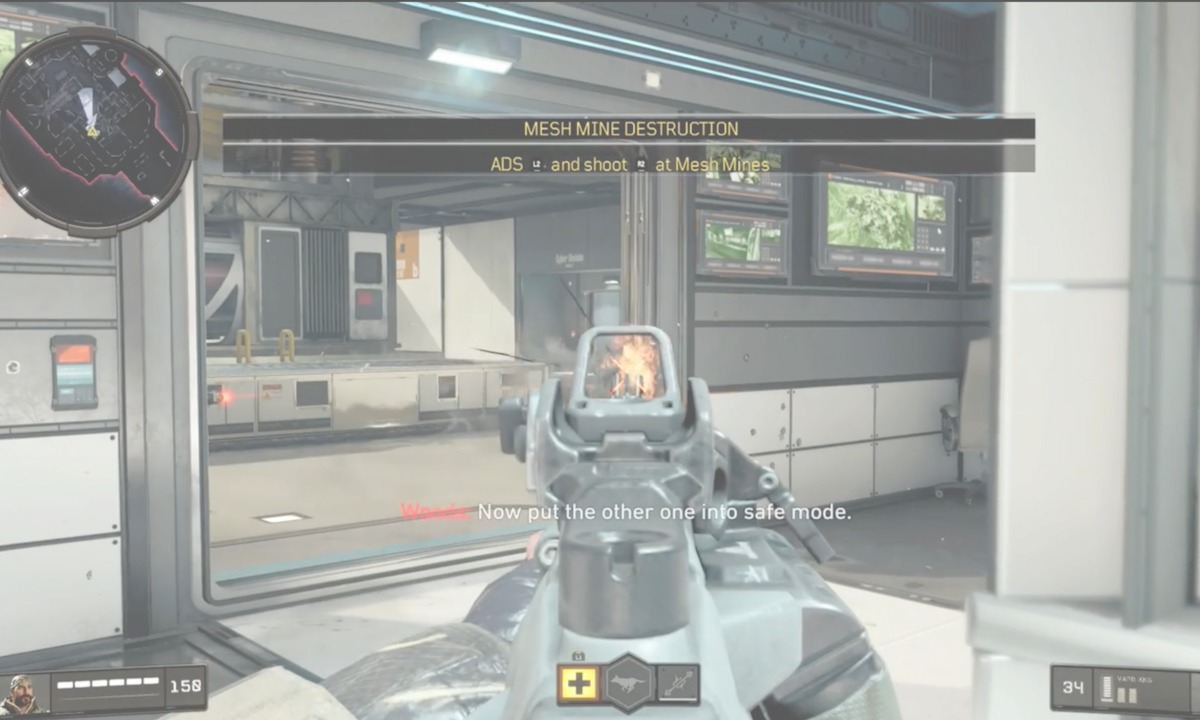
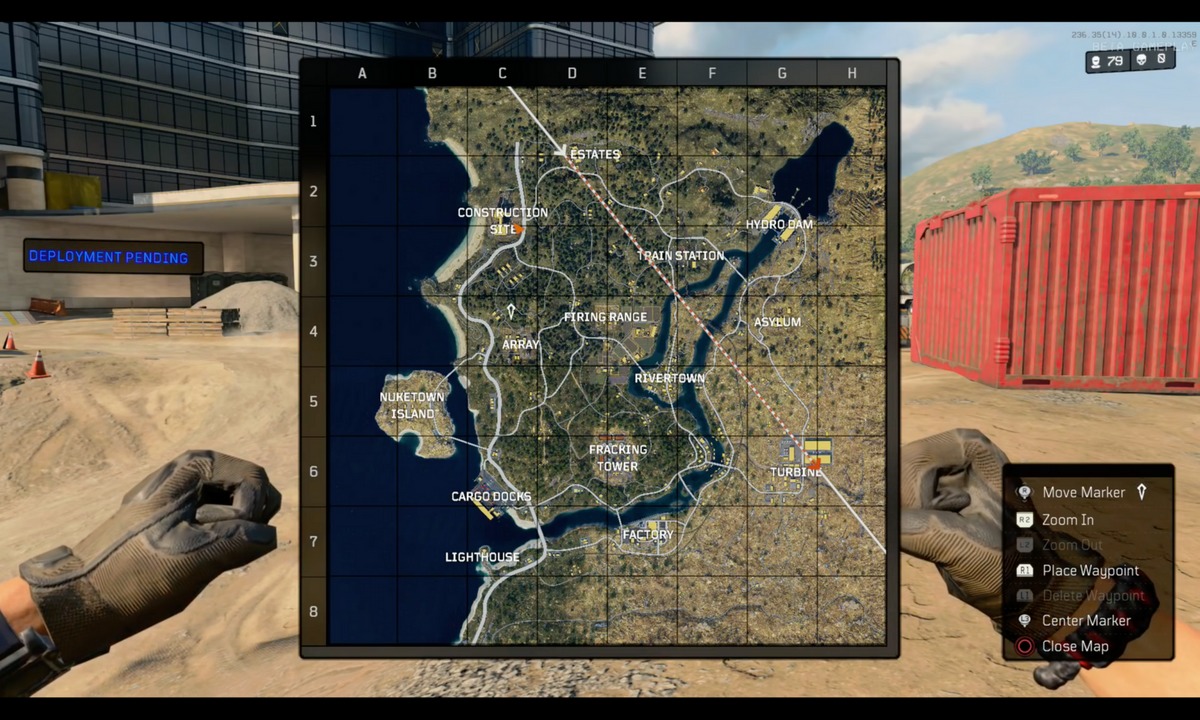
    Black Ops 4 has several game modes available. You can play missions related to each character. They are more multiplayer tutorials with narration than actual campaign type missions. There is a zombies mode with a few levels and different stories included as well. The most anticipated mode, however, is the Blackout mode which is a battle royale game setting similar to Fortnite or PubG. I wrote about Blackout a while back, before its release. Below, I will unpack the content in Call of Duty Black Ops 4 for you. 

    Violence/Gore (1)

    It likely goes without saying that Call of Duty Black Ops 4 is loaded with violence and gore. Gunfights are realistic, (albeit a bit science fiction based) blood is abundant, and body parts (more like chunks of meat) fly when hit by grenade or bomb blasts. Honestly the violence in CoD Black Ops feels a bit like an over the top 80s action film. Or a modern Quinten Tarantino movie. The game celebrates killing your enemies in the most gruesome and creative ways possible. Weapons are a bit futuristic and feature ways to bounce explosives, cluster bomb, and drive remote detonators and turrets against your enemy. 

    The zombies mode is extra bloody with creatures ripping people apart who are chained to posts and body parts being flayed off with swords and blown off with firearms and other weapons. As you’d imagine, the zombies themselves are pretty gory looking with yellow glowing eyes and shriveled up skin. While multiplayer plays down the gore a bit, the blood spray and rag-doll effect is still more realistic than other popular shooter games.

    There is a way to turn off the extra graphic content including language and user generated content but that setting isn’t protected by a password. In my book, if parental controls aren’t password protected they aren’t there at all. 

    Michael Prince – BecauseFamily.org 
    Content filters with no password protection.

    Language (1)

    This game is has plenty of adult language. Every word you would imagine being said during a firefight with bullets flying overhead and explosions surrounding you is yelled, muttered, said over the radio, and written out in subtitles throughout the small story sections of the game. Your drill sergeant type instructor barrages you with explicit insults as you progress through training in the story mode. Much of the dialog also discusses substance use and the celebration of violence and combat.

    Sexual Content (4) 

    There currently isn’t any sexual content in Call of Duty Black Ops 4. The dialog contains a bit of sexual reference but much would go over kids’ heads if they noticed it at all. Multiplayer will contain user generated content and therefore you can expect more sexual innuendo and possible conversation in online game modes.

    Positive Message (2)

    I honestly struggle to find much positive message in this Call of Duty game. Extreme violence is celebrated and encouraged. You are driven to kill in creative and gruesome ways. There is a bit of comradery between the characters but you have so little story in the game that this message is not likely to come across well, if at all. Most of the gameplay is centered around multiplayer so this game isn’t designed to portray any kind of message.

    Do Violent Video Games Create Killers?

    What Parents Should Know

    Black Ops 4 is rated M for mature for “blood and gore, intense violence, strong language, and drug references.

    Parents should be aware of the intense level of graphic violence that is in Call of Duty. It is not like the cartoon style of Fortnite or the lower graphic quality of PubG. The graphics are very good in this game, thus the level of intensity is increased, as is the level of realism. While there is no sexual content, there is also very little redeeming quality to the game since there isn’t even much of a storyline to explore a deeper meaning or message. 

    Multiplayer gaming opens up kids to communicate with people from all over the world. There is an element of anonymity that is felt when you play online but that is quickly lost as you build a friendship with people through experiencing this intense gameplay together. There are known cases of adult predators using these multiplayer environments to identify and groom their targets to later expand their relationship to social media messaging apps. This is one reason multiplayer gaming can’t be rated. The level of safety depends on those playing the game. 

    There is a way to turn off graphic content and language but it isn’t password protected. In my book, if parental controls aren’t password protected, they aren’t there at all. I would advise following the 17+ recommendations for Rated M games on this one. If you are thinking about allowing you younger kids to play Call of Duty Black Ops 4 you should be confident that they can handle such intense action and gore without it causing any lingering affects on them emotionally or psychologically. 

    Finally, first person shooter games with multiplayer modes are notorious for causing what is called “lost time,” in which players compete in level after level of the game without realizing how much time they’ve spent playing. When they are asked to stop or they have to move on for some reason they are often shocked at the amount of time that has passed, sometimes even getting angry at being asked to stop. I recommend setting screen time limits on your game systems like Playstation and Xbox as to create a built in system to help your kids keep better track of the amount of time they are spending playing video games. 

  • Call of Duty’s Battle Royale is NOT like Fortnite

    Call of Duty’s Battle Royale is NOT like Fortnite

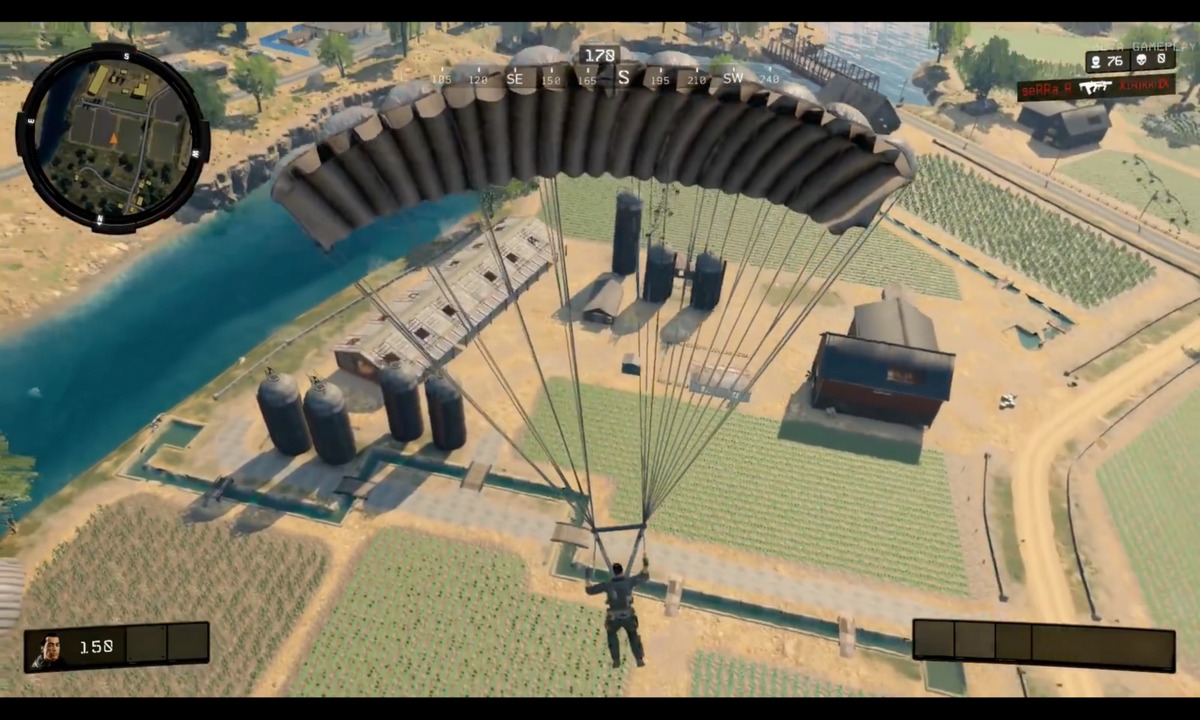
    The game that you could say “started it all” when it comes to multiplayer first person shooter games is joining the Battle Royale fray. Call of Duty Blackout will be released next month with the newest installment of the franchise, Black Ops 4. Blackout will follow all of the typical Battle Royale tropes and include parachuting onto an island, finding weapons, and killing everyone there to be the last man standing, and thus, the victor!

    The most significant difference between Blackout and Fortnite is going to be realism. The Call of Duty games are known for their realism and more intense warfare simulation. Where Fortnite is silly and feels a bit like a cartoon, Call of Duty is made to feel more like combat. The blood spray when a character is shot, the flailing of bodies when killed, and the sounds of vehicles, explosions, and weapons are likened to more realistic battle simulation than an entertaining game. 

    What Parents Should Know

    I won’t tell you what to do as a parent. I will, however, caution you to be suspicious when your child asks you for Call of Duty because it’s “Basically like Fortnite.” It is not like Fortnite, it is very different and it is rated M for Mature. Mature games are intended for those over the age of 17 and usually obtain that rating for violence and language or nudity and sexual content. In the case of Call of Duty games it is nearly always because of the blood, gore, violence, and language.

    Most kids won’t be able to get past the $60 price tag (Fortnite is free to play with premium in app purchases) and the fact that it has to be purchased through a console or PC. Not being on mobile devices and tablets will also deter many children from getting ahold of Call of Duty Black Ops 4. My overall advice is simple: if you wouldn’t buy a Call of Duty Black Ops game for your child under the age of 17 before Blackout was released, I don’t recommend you buy it for them afterward either. 

  • Do Violent Video Games Create Killers?

    Do Violent Video Games Create Killers?

    The news of another shooting yesterday (August 26, 2018)  has once again raised the question of the violence in video games and its supposed link to mass murders by young people. The shooting took place at a Madden NFL video game tournament and left two dead and nine injured. The beginnings of the shooting were aired on livestream on Twitch.tv. The stream was cut immediately after officials realized what was going on.

    Who’s to Blame?

    This is the question we all want to ask immediately after something like this happens. We blame guns, we blame media, we blame parenting, we blame the government, and of course we blame violence in tv, movies, and video games. Video games are especially likely to receive the blame because of the interactivity involved in playing these games. The idea is that since we spend hours a day shooting guns at people in a virtual world, we will feel fewer inhibitions about performing that same violence in real life. With the levels of realism and intensity available in games these days, the blame is ever increasing.

    Wanting to place blame in a tragedy is normal. It’s one of the stages of grief and it is entirely understandable that we would do this as individuals and corporately as a society. The problem nowadays is that we are placing blame so quickly and news media is aiding us in our decisions. This leads to more division and does nothing to solve our problems or ease the pain of the families of those involved in these acts of violence.

    When video games receive the blame, it is often by those who don’t play them and especially those who don’t understand their appeal. Religious leaders, political leaders, news channel talking heads, and many celebrities will speak out against the violence in video games and other media and make headlines doing so. The problem is that they are making claims not based on any facts that can be found in any research that has been done to date. 

    The Data

    There have been many studies  on video games and their link to behavior. The problem with much of this research is the popularity of the topic itself. Early studies all had mixed results due to the controversial nature of the topic leading to researcher bias during their work. An article from earlier this year highlights the inconsistencies in research on the topic of gaming and violence. The studies of this research discredits much of the conclusion about violence in gaming causing violence in the real world while also debunking claims that playing violent video games (as a substitute) will keep you from performing violent acts in real life. The truth is that much of this research was done to prove the point that was made in their findings and further investigation found that this caused researchers to alter findings, ignore unwanted findings, and change or ignore some of their beginning hypothesis. This was not good science and shouldn’t be used to inform opinion, though many news media and anti violent video games advocates still use these studies to support their stance.

    More recent studies have struggled to find links in the gaming experience and behavior. While some studies have seen an increase in aggression in kids due to gaming, there is not a correlation to that aggression turning to violence. The studies that show increased aggression tested subjects immediately after ending their gaming session and there was a significant decrease in their aggression after only a few minutes. A study done in March of this 2018 found that after two months of gaming there was no clear evidence that gamers who played violent games experienced more aggression than those who played a less violent game. 

    All of these studies are quick to highlight that there is still more research to be done. They maintain that kids may be more likely to experience negative effects from the violence in video games and that it is difficult to test the long term effects. While there is more learning to be done it is becoming more clear that the blame for violence in our society can’t be based solely on video games.

    There Can’t Be Just One

    Experts and researchers agree that there cannot be just one single cause of these egregious acts that are committed in our country lately. There are many factors that contribute to the likelihood that someone will commit a violent act, too many factors to focus too much on only one of them. There are likely those who shouldn’t play violent video games because they are more prone to act out but that doesn’t necessarily mean that gaming is the singular cause of that aggression. 

    The most important thing is that we stay informed and continue to learn about the best way to help each other during these times. Speak up when you see dangerous or violent behavior and if your child is showing signs of over-aggression, depression, or other mental health issues get them the help they need. We should all be in this together, supporting each other, seeking out those we can help, not those we can blame. 

    It is natural to look for a single cause that can be removed in order to end these horrible events. Unfortunately, it just isn’t realistic. My prayers and thoughts are with the families of those affected by this horrible action and my heart is to inform and educate you as a parent so that we can all raise kids who want to contribute positively to the world and not negatively. To answer the question posed in the title of this article, no, violent video games alone do not create killers. 

  • What’s With Kids Watching Other Kids Play with Toys?

    What’s With Kids Watching Other Kids Play with Toys?

    It was originally called “unboxing” and it’s not new. Tech nerds have been watching online videos of other people open and try out products for more than fifteen years. YouTube coming in 2005 aided in a surge in popularity in the unboxing genre, which is now one of the most popular categories on the video streaming site. What has taken parents by surprise recently is how much their own children like to watch other kids play with toys on YouTube.

    Companies are lining up to have kids play with their products on their YouTube channels and many of these channels are receiving marketing deals to add to their hundreds of thousands of dollars per month of ad revenue from YouTube itself. One such channel, “FunToys Collector Disney Toys Review” has more than ten million subscribers and is estimated to have made over $550,000 so far in 2018. Often (but not always,) these YouTube stars are often given toys to open for free. They usually have to post a notice that they received products for the video, but viewers don’t care. They just want to see what the latest toy can do outside the box.

    These videos can serve a purpose, however. They allow us to see what products are like before we buy them. Many people admit to watching review videos online before deciding to make a purchase. We read Amazon reviews to help us decide which vacuum we want to get. These toy videos can help parents weed out toys their kids may think they are interested in until they see them unboxed and used. Unboxing is one thing, but what about watching other kids play with the toys, is that weird?

    Check Out: Botley the Screen Free Coding Ed Robot Product Review

    Our desire to see people use things we don’t have isn’t reserved only for children. We watch reality shows about the drama in the lives of the richest members of our society. There are entire channels dedicated to people buying extravagant homes and their popularity is driven by the desire to see others who have what we cannot or have not attained. We sit and watch shopping infomercials, never buying anything, but watching how the items can be used. Lets Play videos and eSports also speak to this need, allowing video game fans watch games perform at higher levels and maybe even play games that fans aren’t able to get their hands on right away. It’s a form of entertainment and it meets what some psychologists say are critical instincts that are within all of us.

    Memetic Desire

    At the risk of sounding like a neuroscience and psychology nerd, I’d like to explain some of the instinctual foundations of our love for unboxing and product demo videos. Memetic desire is the type of longing that comes from seeing someone else enjoy something. When you order the salad and your date orders the cheeseburger and you just have to have a bite is an example of memetic desire. The burger didn’t sound good when you were ordering but seeing your date enjoy it made it irresistible. The popularity of these videos is likely due in great part to our memetic desire. Watching someone open up the next iPhone will create in us the desire to obtain that device for ourselves. It’s normal, and it isn’t even too bad of a thing as long as it doesn’t turn to jealousy.

    Memetic desire can breed discontentment. For this reason we should be careful with what attitude our kids enjoy these unboxing videos. Are they loving watching someone else play and use their imagination? That’s all well and good. If they are watching and then demanding that you allow them to go purchase that toy, there is the problem. There haven’t been any studies to ascertain any danger to allowing your kids to watch unboxing and product review videos. If there is any risk, it’s likely based on the personality and behavior of your child.

    The best advice that experts give is for you to monitor and limit screen time. Whether they are watching someone play a video game, playing a game themselves, watching toy demos, or even watching a PBS show about math, too much screen time rewires the brain in an unhealthy way and should be avoided. If your kids are watching these video too much, the reason is simple. You are allowing them to do so. You can be the parent, use your knowledge of what these videos are all about and the amount of screen time that is healthy (usually an hour or less per day) to set boundaries for your kids. Use tools like unGlue or Accountable2You to keep track of the time spent on their devices. Take responsibility for your children’s online activity and you’ll create a safer and healthier environment for them to grow in.