Tag: fortnite

  • Dauntless: A Parent’s Guide

    Dauntless: A Parent’s Guide

    Dauntless Parent’s Guide

    The rating below is based on the game content. Online interactions will always increase the risk of unwanted content.

    Violence – 3
    Language – 4
    Sexual Content – 5
    Positive Message – 2

    Total Score – 14  out of 20
    (The higher the rating, the safer the game is for kids.)

    ESRB Rating – T for Teen [for blood and violence]


    The Game

    Dauntless is made by Epic Games, the same developers who made Fortnite. The world is called “The Shattered Isles,” floating islands make up the landscape and the Behemoth are too close to civilization. You are a Slayer, one of the defenders of the cities, you must hunt and kill these beasts, using their parts and armor to create new weapons and armor of your own, thus making you more effective at slaying the monsters of the Shattered Isles.

    Violence

    The violence in Dauntless is player vs monster or monster vs player. You go out on missions to destroy these monsters and swing your sword, hammer, axe, or pike or shoot your blaster at it. There are some sprays of blood sometimes but mostly it is just to add flavor, there is no gore to speak of in this game. Even when you slice off a part of the behemoth, the appendage looks more like a T-bone steak than any kind of disgusting severed body part. The intensity of the violence can be high but it always (at least early on) feels like you’re going to succeed at defeating the monster. You just want to score as highly as possible while you do it.

    Language

    There is some minor (Rated PG) language during the intro cinematic of the game. Beyond that, you aren’t going to hear any language at all, except for other players while playing online. Most of the communication with non-player characters in the game is through text and it is usually just lore and mission details. Not a lot of flavor text, therefore, not much by way of adult language. Language doesn’t make the list of reasons Dauntless received a T for Teen rating.

    Sexual Content

    There is no sexual content to speak of in Dauntless. Unless you come across another player being inappropriate in the chat or on voice chat, you won’t see or hear anything sexual. I was even impressed at the design of the costumes and armor. All of the female characters are tastefully dressed. There is some “mid-drift” here and there but nothing over the top, sexually.

    Positive Message

    Besides fun, the message of this game could be teamwork. Hunts are measurably easier with friends. It is also easier if you learn how to strategize your weapons and armor so that your team can work together in the best way to defeat the monsters. The “freemium” model for this game is par for the course for Epic Games since they’ve made so much money off of their “free” title, Fortnite. You will be asked by your kids if they can buy something within the game.

    What Parents Should Know

    Remember that this game is online. It is easier and more fun to fight monsters and level up when playing with other people. You can hunt alone or create a hunting party full of your friends but random matchmaking is the default mode for going out on a hunt. Kids should be a bit older or at least know how to handle themselves properly on the internet before playing games with strangers online. Talk to them about their behavior and that of others online before allowing them to play a game like Dauntless.

    You should also be careful if your credit card number is accessible on your child’s game system or computer. The items that you can purchase for Dauntless give you a really fun edge in the game and look super cool so kids will want to buy them. Like in Fortnite, they sell a pass that gives you a bunch of content and bonus loot for defeating monsters. These are all appealing and will cause your kids to ask you over and over again if they can spend some money in the game.

    Finally, keep an eye on screen time. I found myself wanting to play “just one more hunt” over and over again late into the night. It is easy to pour hours and hours into a game like Dauntless and not realize how long you’ve been playing. You can use built-in parental controls to set time limits or limit internet access to the game system or computer. Since the game is fully online, disconnection from the internet will make it impossible to play Dauntless.

    I think Dauntless is a pretty good alternative to the battle royale shooter games that are so popular today. I even think some of us parents can get involved, play with our children, and flex those video game muscles we built playing so much Zelda when we were young. 

    Listen to this story on the Family Tech Update Podcast below:


  • Pro Sports Teams are Banning Fortnite!

    Pro Sports Teams are Banning Fortnite!

    Professional sports teams are banning Fortnite in their locker rooms citing that it is distracting players. Apparently, players performance is being affected by video gaming. How do video games affect our kids?  Obviously Fortnite is the biggest thing to happen in video games in a very long time. It’s such a big deal for our kids,  teenagers, college students, and junior high and middle schoolers. They’re all playing Fortnite online and with each eachother forcing parents to scratch their heads to about what is so alluring about this game? Why does everyone love it so stinking much?

    It’s not only kids who are getting hooked into this game. News recently came out that the Boston Red Sox are banning Fortnite in their locker room for the 2019 season. The Texas Rangers had to do it. So to the Toronto Blue Jays and even the National Hockey League’s Kanuks have said, “You know what? You guys can’t play Fortnite anymore.” They’ve been saying that it’s causing their players to be distracted and that it’s affecting their performance. One team even says that a player’s gaming has caused him to get carpal tunnel, which has made him sit out some games.

    What Parents Should Know

    Fortnite is the type of game that consumes time very quickly. It is the type of game that you want to talk about even when you’re not playing it. It is very appealing to young people and the ability to play with your friends has kids coming back to it again and again. Unfortunately, this is also something that can make it very addictive. As I’ve covered before, the World Health Organization has said that video game addiction is a diagnosable condition and there are treatment centers opening up all over the country that allow you to come and be treated for video game and screen addiction.

    Video games are not the only issue. Obviously, many of us struggle to stop scrolling social media on our devices or to stop binging Netflix shows. Video games really take the spotlight because of their interactivity.

    I’m covering this story for two reasons. First of all, I want parents to understand that it’s not just your kids that can get hooked into fortnight so easily. These athletes spend a lot of time in high pressure situations and it seems like they’re using these video games to release some of that tension. It also seems like that release of tension should be coming out on the field in order to help them perform better and it that is not what’s happening. Secondly, I wanted to cover this because I wanted you to understand the real true need for parents to be good examples on how much time you should spend on your screens. If our kids see us watching YouTube videos all day long or scrolling Instagram or Facebook non stop then they think that’s a healthy approach to tech use. They don’t see the difference between that and them playing video games? Time limits are critical. We must help our kids understand that gaming is a luxury and screen time is something that we can use to benefit us and help us have that release or escape when necessary, but it can’t become something that distracts us from what we do in normal everyday life.

    Listen to this article as a podcast below:

  • Creators of Fortnite in Court for “Predatory” Advertising

    Creators of Fortnite in Court for “Predatory” Advertising


    Imagine you go shopping and instead of clothes, toys, or other products you just see boxes. You can’t purchase items on their own, that’s not how this works. Instead, you have to buy a box and hope that what you want is in it. I don’t think that store would be popular for very long, maybe for a while but once the novelty wore off the place would likely go out of business. People want to know that when they pay for something, they are getting what they want or need. In-game “loot boxes,” work basically like the fictional store I described above. You pay a dollar amount small enough to feel meaningless and unlock access to the box. When it opens on your screen you see what you were able to purchase and you can only hope it’s something you wanted or needed for your character.

    Epic games no longer has these types of loot boxes in Fortnite but they did and that’s what this law suit is all about. The boxes advertised the best items that you could get but the family of the young player who this lawsuit is centered around say the chances of actually obtaining those items were very low. This is being interpreted as “predatory,” especially since many of the loot boxes are cute little llama pinatas. Freemium games have been around for a long time but Fortnite is the first game of its kind to have such a large and young player count. Children as young as six or seven are playing Fortnite and purchasing these items to make their characters and weapons look more interesting.

    What Parents Should Know

    If you are inclined to allow your child to play games like Fortnite you need to be aware of a few things. First of all, free is never truly free. There is a reason they don’t charge for the game, it is easier to get a ton of players and have a bunch of them pay for arbitrary avatar and weapon skins than to convince people your game is worth sixty dollars. Many of the top earners in every app store are Free to Play games. These games are popular because they are free to play and the cost of in app purchases seem very low. The trick is how easily you can rack up the amount you spend on the game just to keep yourself playing. Whether it is a game where you’re building a farm and want your crops to grow faster or one in which you are fighting and want better weapons, many of these games let you pay to progress further into the game.

    VIDEO TUTORIAL: iCloud FamilyShare Set-Up


    The question, I guess, isn’t whether or not this practice is legal. (Spoiler alert: it is completely legal.) The question is that should it be legal to create in-app purchases that appeal to especially young gamers? These games made for kids that ask you to pay to continue or educational apps that make you pay to unlock more characters have found a way to get past the parent gatekeeper by making the app free. Then the child just has to click “purchase” when the ad pops up in the app and the purchase is made. There are ways for parents to set up controls to keep that from happening but many aren’t aware of how or just don’t think to set it until their credit card has already been used for hundreds or even thousands of dollars.

    The creators of Fortnite may never be held accountable for the way they market products in their games. Whether or not they should be held accountable is up to the courts to decide. As far as parents go, you do have a responsibility to protect your kids in the digital world they live in. Talk to your children about in-app purchases. Help them understand that the money has to come from somewhere. If you are ok with them spending some money in-game then use gift cards instead of credit cards so that when they run out of money, they’re out. Set up controls so they have to ask you to approve in-app purchases. Whatever method you choose, you can keep your kids from being preyed upon by the advertising in these games. You just have to do the research and take the steps.


  • Parents Guide: Apex Legends (Titanfall Battle Royale)

    Parents Guide: Apex Legends (Titanfall Battle Royale)


    Family Tech Blog Rating for Apex Legends: 
    Violence - 2
    Language - 3
    Sexual Content - 5
    Positive Message - 2

    Another Battle Royale game has been added to your kids’ wishlist this week. Apex Legends is a BR game that is set in the world of Titanfall, a first person shooter game with two previous installments. This game features fast paced, squad based combat with your typical battle royale tropes. You jump from a ship onto an island with fifteen other squads (60 players,) collect weapons and supplies, and battle to be the last squad standing.

    Much like Fortnite, this game has a bent toward science fiction and less realism. It does, however, have more bloody combat and some merciless kill animations at close range. It’s a far stretch from the blue ghost fade that results from an elimination in Fortnite. You are able to respawn if your squad members survive long enough after you are eliminated, which can make your rounds longer if you’re playing with someone who is pretty good.

    What Parents Should Know

    There isn’t much by way of profanity in Apex Legends and characters are dressed reasonably appropriate. The only real concern for parents is the intensity and voilence of the gunplay, the pace of which has been shown to increase some behavior and attention problems in younger children. Some reasearch has also shown a temporary increase in aggression in kids who play voilent video games. Online content isn’t rated, as usual, and Apex Legends is an online battle royale game so keep that in mind. There is pretty good squad based communication built in to the game (identifying locations and directions with game controls) so you don’t have to use the microphones as much but it’s still tough to win without being able to talk to your squad. If you don’t allow in game chat on your kids’ games then you may get some pushback from them when they play Apex Legends.

    To recap, Apex Legends is a bit more violent than Fortnite with bloody combat and the rag doll affect when characters are killed. The game is team or squad based and requires playing with friends. It is very easy to add people you’ve been randomly matched with to your friends list and play with them in the future. My advice is for parents to keep an eye on their kids bahavior when they play games like Fortnite, Call of Duty, or Apex Legends. More important than how much time they spend playing is what life outside of gaming looks like. Are they getting the grades they should be getting? Are they still participating in the activities they have loved? How are their relationships both in the family and with friends? Ask yourselves these questions and make adjustments to gaming time accordingly. As your kids get older, you’ll see that this works better than just an arbitrary number of hours you allow them to play.

  • Fortnite Hacked!? How to Protect Your Kids’ Account Information

    Fortnite Hacked!? How to Protect Your Kids’ Account Information

    A vulnerability discovered by Check Point security researchers, could have allowed hackers access to over 80 million accounts on the popular Battle Royale game Fortnite. The breach would allow hackers to see account information, use the account credit card to make in game purchases, and even listen in on player’s in game chats. The vulnerability has been fixed by Epic Games but they are making recommendations for users to secure their accounts in the future. Since the hack that was discovered didn’t need a password, changing your password on your Epic account regularly wouldn’t have saved you from this leak. Epic recommends using “two factor authentication” to keep you from being vulnerable to attacks like this. A few months ago they even provided a free avatar emote for those who opt in to two factor authentication.

    What Parents Should Know

    First of all, it is important to understand security and how breaches like this happen. Your children are using games, social media accounts, and web services that collect tons of data on them. Much of it is kept stored by the companies that are collecting it but the servers that this data is stored on aren’t always as secure as you would like them to be. The hack that affected Fortnite was found by accessing accounts through a website that was published by Epic Games fourteen years ago. Hackers could access player’s logins through the site and then listen in on their conversations and use their payment information. These vulnerabilities are there because the internet is so big and so open that who can blame Epic Games for forgetting about a little stats site it put up in 2004? This is why it falls to the consumer to protect our own information.

    What is Two Factor Authentication?

    It’s really simple. You enter your password to access a website. If you’re like me you have passwords stored on your computer and in an app on your phone so you can get to them easily and login as quickly as possible. Two factor authentication seems annoying because it adds a step. If used properly, however, it should only ask you to enter your second form of identity verification if you are logging in from a new device or location and it is really one of the safest forms of security available right now. When you get that email that asks you why you had a login from your mom’s computer across town and you roll your eyes because you know it was you checking your Facebook page because your phone died, just remember, this form of verification is one of the only ways to keep your data safe nowadays.

    Passwords are infamously weak and often saved to the point that we have forgotten them. Our kids likely have learned their password creation skills from us and therefore their abilities to form a strong, memorable, but secure password or passphrase is embarrassing. Remember that you should always use multiple different forms of characters like numbers, letters. symbols, and a combination of caps and non-caps. Make your passphrase longer than you’d like and save it somewhere. Teach your kids to have different passwords on all of their accounts, not just variants of the same password either. I use a password generator and storage software to keep track of mine. I have a really really long passphrase that I have memorized to log in to my password storage software so that my other passwords can be unique and secure.

    Final Advice

    Finally, I recommend talking to your kids about the kind of information they post online and store on their online accounts. Remind them that what happens online is permanent. Photos will exist forever, social media posts will come back to haunt them, and that conversation they’re having while playing Fortnite may not be as private as they thought. Many adults are just now learning about how to keep our information secure online, I feel that it’s critical that we teach our kids how to do the same thing. Their data is more valuable that any of us ever imagined it would be.

  • Parents are Sending Kids to Fortnite Rehab

    Parents are Sending Kids to Fortnite Rehab


    There hasn’t been a game that has taken the tween world by storm quite like Fortnite has. Its “freemium” business model and “T for teen” rating has caused it to become a larger hit than any game ever has before. Recently, psychologists are making news because they are beginning to treat more and more kids who are addicted to gaming, namely, Fortnite. An article by Bloomberg quotes behavioral specialist Lorrine Marer:

    “This game is like heroin… Once you are hooked, it’s hard to get unhooked.”

    Game addiction was named an official disorder by the World Health Organization and can be diagnosed with some of the same symptoms of other behavioral disorders. Here’s a list of those symptoms:

    1. Obsession, or constant thoughts of the behavior
    2. Continuation of the behavior despite adverse consequences, risky situations, and poor performance of responsibilities
    3. Compulsive engagement of the behavior or inability to stop despite a desire to quit.
    4. Cessation of the behavior causes irritability, cravings to resume the behavior, restlessness, and depression.
    5. Denial of addiction and issues resulting from the behavior
    6. Concealment of the behavior from family and others close to the addict
    7. Amnesia regarding the behavior
    8. Depression, even when engaging in the behaviors

    Many parents report their children failing classes in school, falling asleep during classes, lying about how much time they’ve spent playing, and throwing toddler type temper tantrums when asked to turn the game off. Many of these behaviors are signs of an addiction and a combination of many of these could mean your child needs expert treatment. Children aren’t the only ones, however, with this problem. Medical and mental health professionals are also documenting cases of adults who have had many of the symptoms of behavioral addiction when it comes to playing video games, and even Fortnite itself.

    Epic Games, the company behind Fortnite, hasn’t said anything about the addictive nature of their game but it is obvious that their business model depends on gamer’s inability to give up the game. Since the game is free, Epic Games can only make money by encouraging gamers to buy items within the game to enhance the look and actions of their characters. This is causing kids to spend their parent’s money, sometimes without mom and dad even realizing what they’ve done.

    What Parents Should Know

    I have counseled several parents about potential addictive gaming behavior by their kids and I believe it’s important to keep the eight key symptoms in mind when looking at your child’s behavior. How are their grades? Do they have an offline social life? What is their reaction when you mention taking a break? If their responses to these conversations aren’t healthy, it might be time to get some help in convincing them they need time off from gaming.

    Games like Fortnite, Minecraft, and Roblox, are what experts call, “lost time” games. This is when players can spend so much time in-game without even realize how many hours they’ve been playing. This is how your son can play twelve hours of fortnite before you realize you haven’t seen him all day. Twelve hours, if you pretty good at the game, is only six to ten Fortnite matches. That’s nothing to your child while they are sitting there playing.

    If you haven’t opened the gaming pandoras box for your child yet, good for you. (My oldest is eleven and we are just now easing him into it.) Prevention is key. It is important to only allow gaming with time limit parameters set. If you can introduce these time limits as they start to get more into gaming that’s great. Sometimes you aren’t that lucky and you have to have the battle to set time limits once it’s already gone too far. My advice, though, is to do what you have to do because your child needs you to help them learn self control and your teenager needs your guidance as they learn time management. Remember to talk to them about it often and use terms like healthy and unhealthy instead of dumb, stupid, or right and wrong. Hopefully your child will never need a professional counselor to help them get over Fortnite. We have enough problems in the world, we don’t need a widespread epidemic of entertainment addiction.

  • A Warning About Fortnite’s New NFL Themed Avatars

    A Warning About Fortnite’s New NFL Themed Avatars

    Coming November 9th, NFL fans will be able to represent their favorite teams with their Fortnite avatar. The uniform packs will be available for purchase ($12-$15) and will allow you to customize your uniform to select any of the NFL’s 32 teams and any jersey number you’d like. You will not see any names on the back of the jersey’s, though. Emotes (dances,) goal posts, and referees will also show up during your Battle Royale matches.

    The partnership between the NFL and Epic Games (developer of Fortnite) is no surprise as the video game phenomenon has taken the world by storm. We’ve already seen many of the NFL’s end zone celebrations feature some of the dance moves showcased in Fortnite’s emotes and heard many players discussing their love of the game. Blending the video game world with the NFL team culture is great marketing for both Epic Games and the NFL. The NFL will especially benefit since gaming is such a major market for younger generations whom the league is wanting to attract for obvious future-proofing reasons.

    Check this out: Ok, Fine. Here’s What I Think About Fortnite

    What Parents Should Know

    A major frustration for many parents is the constant nagging from their children to allow them to buy skins for their avatars on Fortnite. It’s possible it will get a lot worse. The biggest difference, though, is that some parents may actually see the benefit of allowing their kid to get an NFL Themed skin. If parents are major supporters of an NFL team, it’s possible they would approve of such a purchase because of their desire to see their child express their fanaticism as well.

    All of this is well and good. Just know, if you are the type of parent who doesn’t want your kid spending actual money in a game like Fortnite, this could be one of the first major areas of conflict between you and your child. If you’re ok with Fortnite and even making purchases in the game, remember to keep track of the amount of time your child is spending playing the Battle Royale game.  Be aware that advertising your favorite NFL team in a massively online game could broadcast a little bit (obviously not always) about where you live. i.e. Chiefs fans are in Kansas or Missouri, and Broncos fans are likely in, or at least from, Colorado.

    There have been instances of predators grooming kids in Fortnite and any detailed interest about your child that is proclaimed through their profile or avatar can give a predator more information to use for grooming purposes. Talk to your child about who they are playing with in-game and remind them to avoid lengthy conversations or “squadding up” with strangers. I don’t say any of this to scare you, only to remind you to be vigilant in monitoring the amount of time your child spends on the game, and to maintain an ongoing conversation with them about their time in the game, who they play with, who they talk to, and what their experience is like.

  • Call of Duty’s Battle Royale is NOT like Fortnite

    Call of Duty’s Battle Royale is NOT like Fortnite

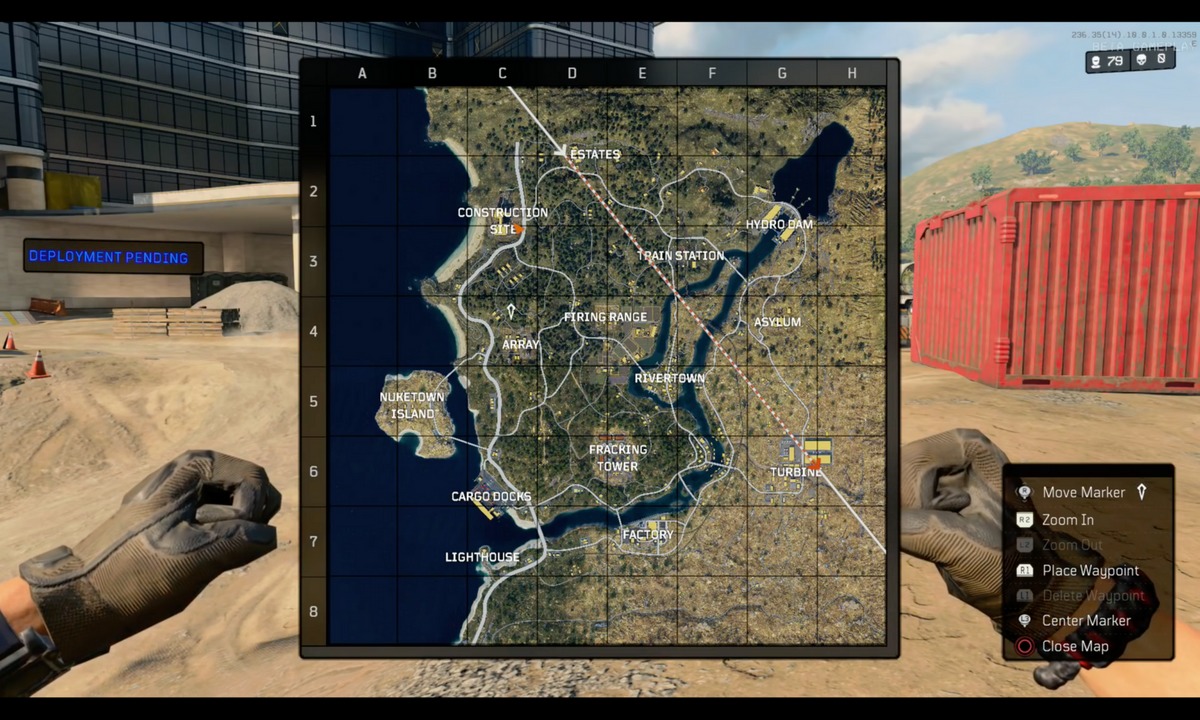
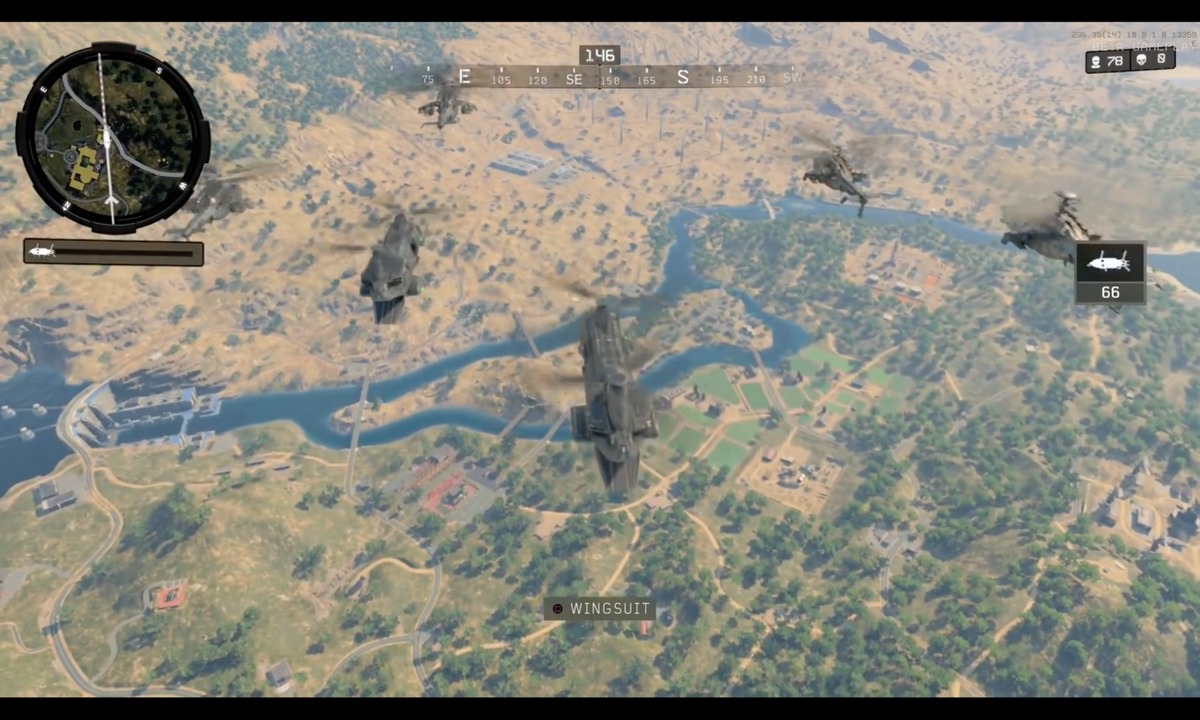
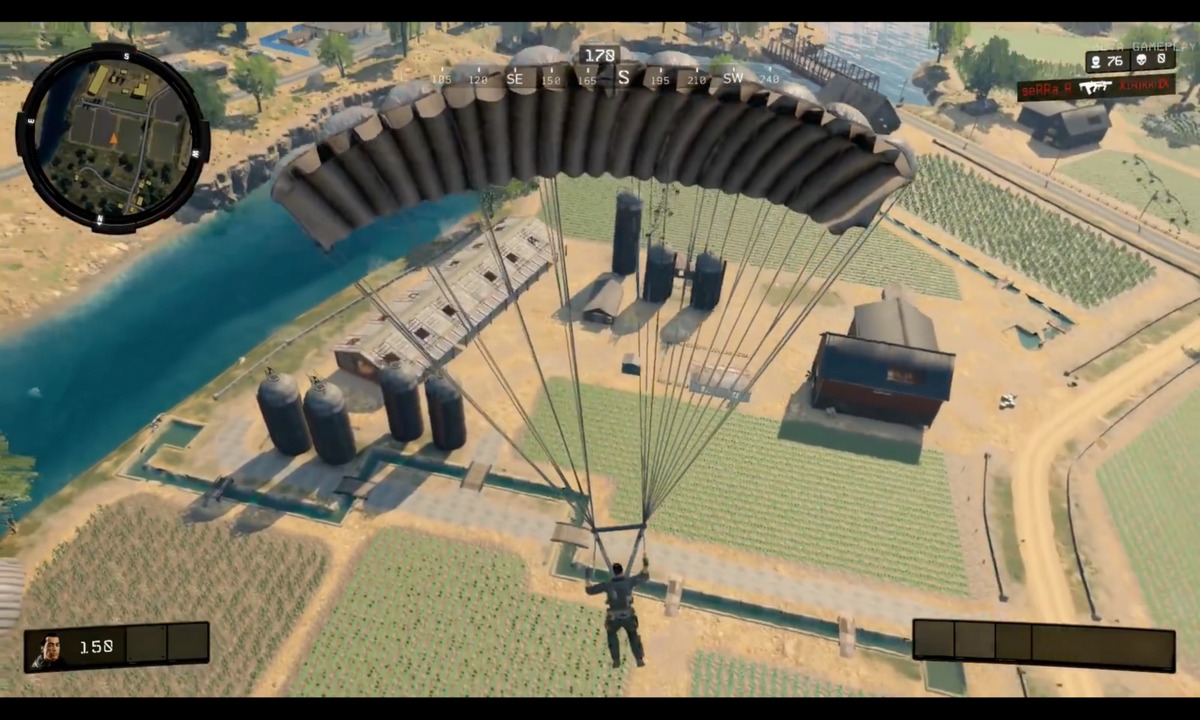
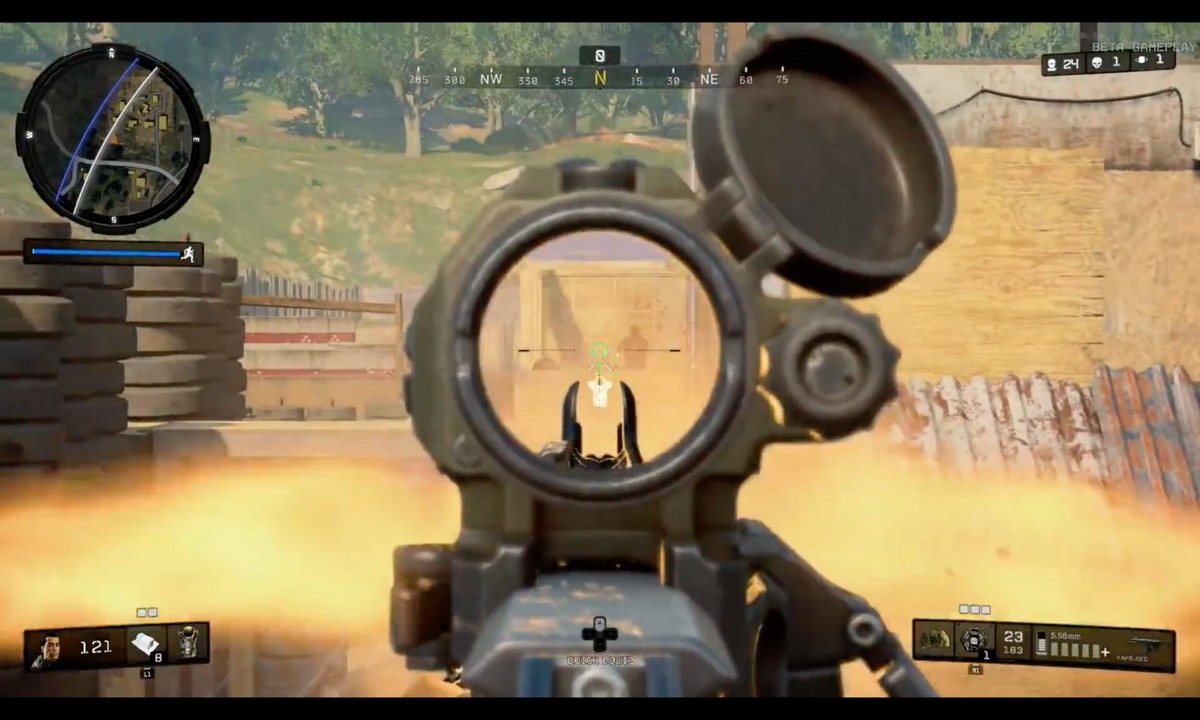
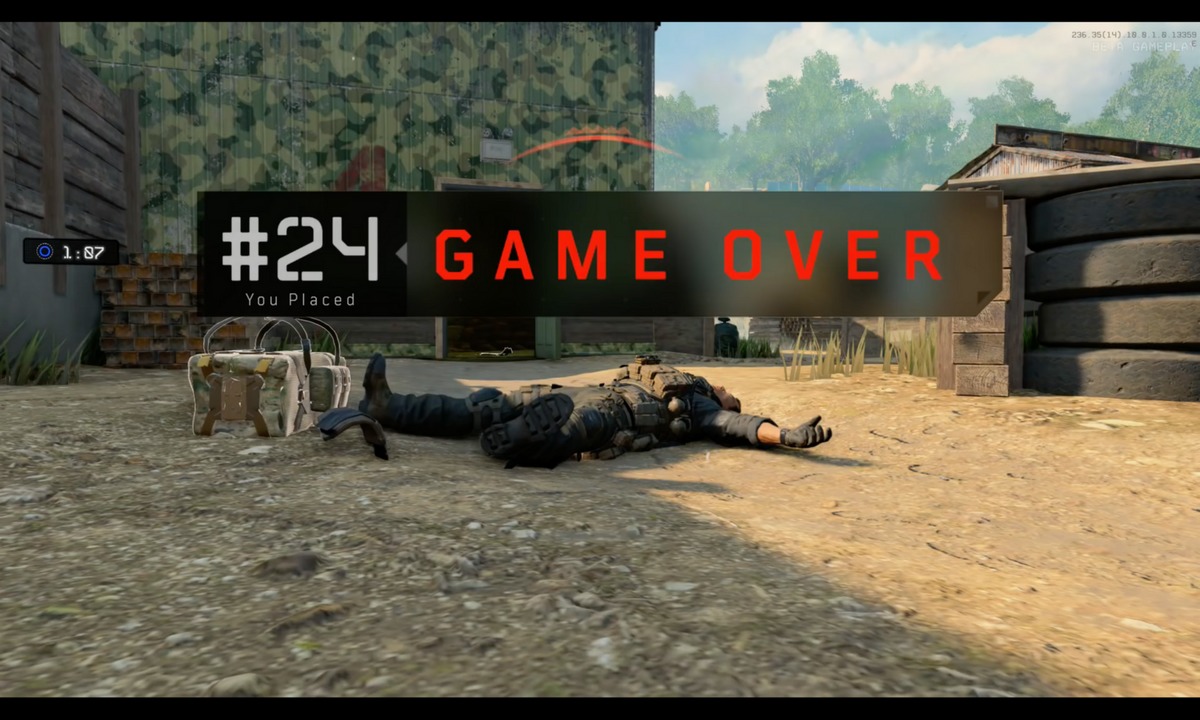
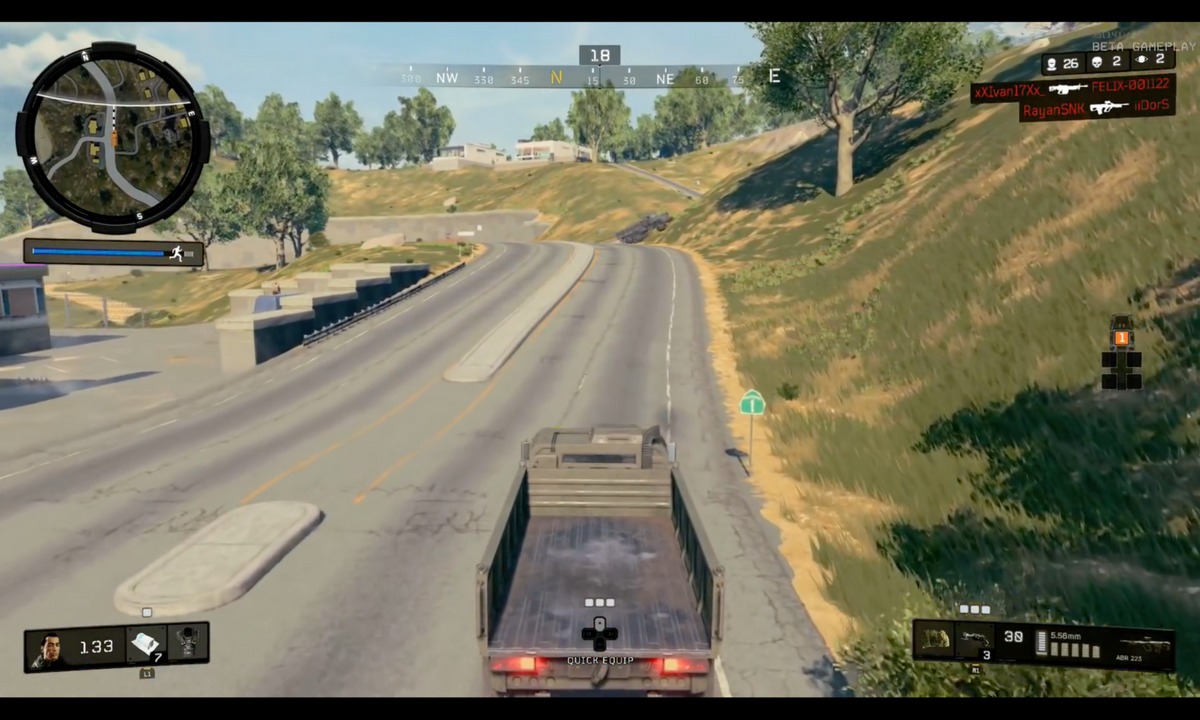
    The game that you could say “started it all” when it comes to multiplayer first person shooter games is joining the Battle Royale fray. Call of Duty Blackout will be released next month with the newest installment of the franchise, Black Ops 4. Blackout will follow all of the typical Battle Royale tropes and include parachuting onto an island, finding weapons, and killing everyone there to be the last man standing, and thus, the victor!

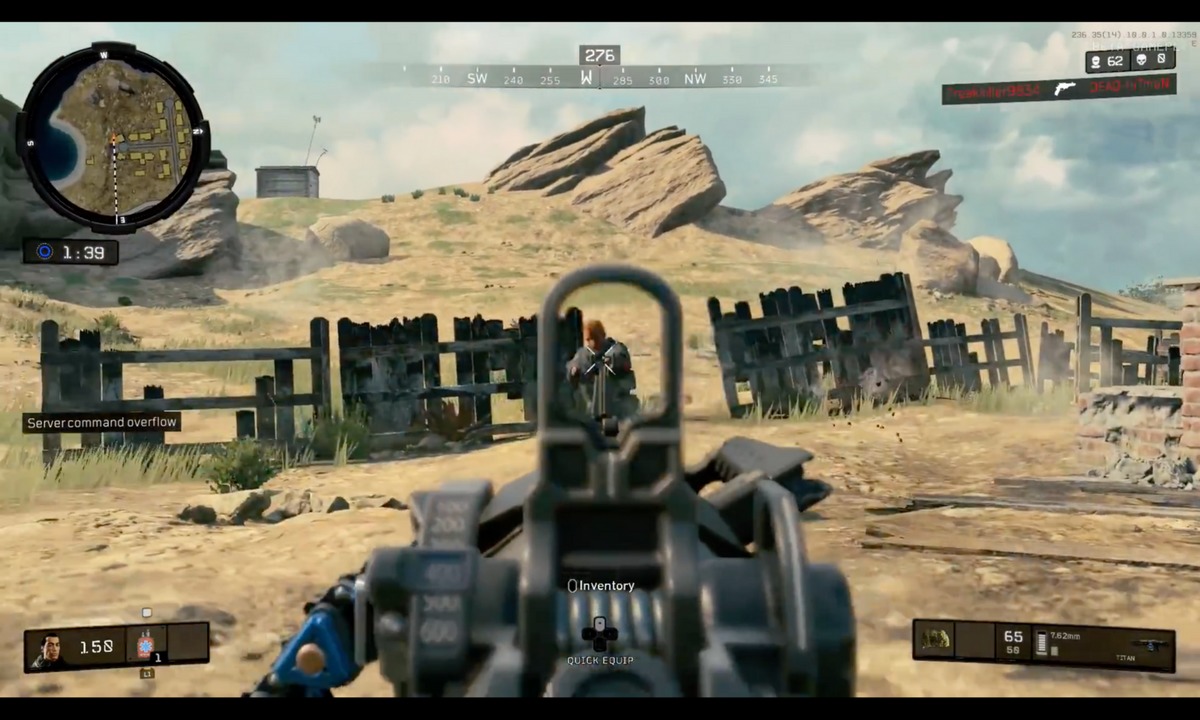
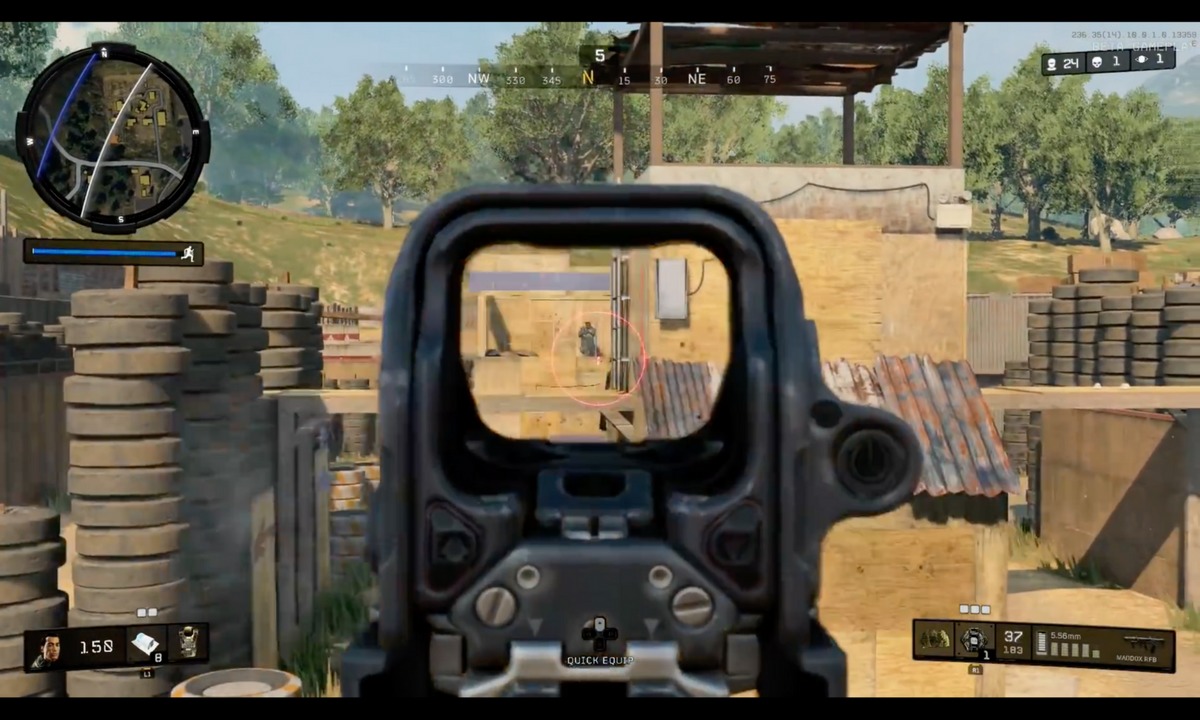
    The most significant difference between Blackout and Fortnite is going to be realism. The Call of Duty games are known for their realism and more intense warfare simulation. Where Fortnite is silly and feels a bit like a cartoon, Call of Duty is made to feel more like combat. The blood spray when a character is shot, the flailing of bodies when killed, and the sounds of vehicles, explosions, and weapons are likened to more realistic battle simulation than an entertaining game. 

    What Parents Should Know

    I won’t tell you what to do as a parent. I will, however, caution you to be suspicious when your child asks you for Call of Duty because it’s “Basically like Fortnite.” It is not like Fortnite, it is very different and it is rated M for Mature. Mature games are intended for those over the age of 17 and usually obtain that rating for violence and language or nudity and sexual content. In the case of Call of Duty games it is nearly always because of the blood, gore, violence, and language.

    Most kids won’t be able to get past the $60 price tag (Fortnite is free to play with premium in app purchases) and the fact that it has to be purchased through a console or PC. Not being on mobile devices and tablets will also deter many children from getting ahold of Call of Duty Black Ops 4. My overall advice is simple: if you wouldn’t buy a Call of Duty Black Ops game for your child under the age of 17 before Blackout was released, I don’t recommend you buy it for them afterward either. 

  • Surprise! Fortnite for Android is a Security Nightmare!

    Surprise! Fortnite for Android is a Security Nightmare!

    Fortnite is the biggest of big deals in gaming. Kids play it, adults play it, boys play it, girls play it, and it’s making Epic Games tons and tons of money but their desire to not share that money with Google may be putting some of their millions of players at risk. Namely the players who are installing the game on their Android phones.

    “With Fortnite’s influence over more than 125 million players, teaching people to download apps outside of the official store is exposing millions of people to a risky practice, researchers warned.” – CNET

    Experts are warning that Fortnite’s “side loading” method of installation, which bypasses the Google Play Store, is opening up users to a ton of security risks. One such risk was found by Google’s team only two days after the game officially launched on Epic’s site. The flaw allowed hackers to exchange the game file for any file they wanted as long it was named the same thing as the installation file it replaced. This meant hackers could have put whatever malware, spyware, or virus into another file and millions of devices would have been infected. Also, since it’s release, over 1/3 of the malicious files found by Google security experts have been Fortnite themed. 

    The solution to this is obviously to roll out an update, herein lies the biggest issue with side loading software, it is difficult to push a forced security update out without an app store. This means that users will either have to seek out an update or allow it to install when they boot up the game. If someone has the game installed for a while without playing it, any corruption will stay in their phone until an update is found or forced by opening the app. 

    What Parents Should Know

    If your child wants to play Fortnite, I recommend letting them do so on their computer or a console. My advice is to not allow your child to play the game on Android at all. I recommend not allowing side loading of apps at all either as this opens their device up for major security threats. If you are using Android Family Link to manage app installations then sideloading will completely undermine your methods of parent control. If you’re monitoring activity and see something called An .APK file you’ll know that side loading is happening and you should talk to your kids about what they’re installing on their device.

  • Do Not Let Your Kids Download Fortnite for Android

    Do Not Let Your Kids Download Fortnite for Android

    Another Update: August 24 2018 : Google found a security flaw in Epic’s download file for Fortnite.

    UPDATE August 10, 2018: The Google Play Store has added a notice to Fortnite search results that reads: “Fortnite Battle Royale by Epic Games is not available on Google Play.” This addition is an attempt to discourage the download of copycat games that could contain malware, spyware, or other malicious add-on software.

    It’s Not About the Game

    Fortnite is one of the biggest things ever in video games. You can read all about the game and my thoughts on the game here. Thus far, you have been able to play the free Battle Royale game on consoles, computer, and iPhones or iPads. That is changing soon as Epic Games is releasing their smash hit to Android. The problem isn’t that the game is being released, it is how it’s going to be distributed and downloaded. Epic has announced that they are going to bypass the Google Play Store and let you download the game directly from their site onto your Android phone.

    While this doesn’t sound like a big deal, you have to trust me, it is. It is a big deal because of security. Android’s (and Apple’s) app store are places to find apps for your phone that have been vetted for security and privacy before being listed for download. When you “sideload” an app, you are bypassing all of these security or privacy features and putting your data at risk. 

    Sideloading is installing an app onto your Android phone from somewhere other than the Google Play Store.

    Making the game available in through this method will remove the 30% profit share that Google takes from apps downloaded from their app store and gives Epic Games complete control of their software (updates, in-game store, etc.) This is probably a good move for Epic Games’ bottom line but can prove to be a nightmare for some Android users.

    There are more security prompts and features for those who use the latest version of Android’s operating system but estimates say that over 85% of Android users haven’t received the update yet. Especially our kids since most of them are using devices we’ve handed down to them. This means that it is way too easy to end up downloading a fake version of Fortnite and installing spyware or malware along with it. If you’re a grown adult, you can make decisions based on the security and privacy of your smartphone experience but kids should be taught to only ever download games and apps from their devices App Store.

    Screwing Up Your Parental Control Settings

    Android FamilyLink and most third-party parental control apps help you control app downloads using the Google Play Store. If the app they want can be downloaded outside of the app store then you can’t monitor their activity or download permission. If you’re monitoring their activity you’ll want to look for “APK” files. Those are the packages that sideloaded apps come in. If you’re looking at the activity on your kid’s phone and you see thisisafile.APK, you’ll know they are installing apps outside the app store.

    Epic Games’ decision to bypass the Play Store, while maybe a shrewd business move, is definitely going to cause problems for parents who are trying to keep an eye on what their kids are doing on their devices. My advice is that you don’t allow your kids to sideload apps at all. Whether it be Fortnite or anything else, letting your children bypass their device’s built-in security and privacy protections is simply a bad idea. 

    What Parents Should Know

    The security and privacy settings that are built into your smartphones and tablets are there for a reason. It’s very important that you update your devices as soon as there is a new version available. That said, it does you no good to keep your phone updated if you are installing random software from all over the internet. In essence, that’s what sideloading apps is. You’re downloading files that could really come from anywhere and installing them into your device. This can lead to apps tracking your location, listening to your microphone, and even turning on and recording with your camera. The last thing you want is for your son or daughter to install some game and end up with images or video of themselves posted all over the internet by some hacker. 

    Yes, that example is extreme but it has happened before and there are apps out there that contain such harmful code. Even if the problem isn’t that bad, at the very least you’re opening your phone up for viruses that can shut it down permanently. I understand Epic Games trying to make more money by allowing downloads from their website but in this day and age where our data is being collected left and right, wouldn’t you prefer to go through the company that created your device’s software instead of just installing from wherever, willy nilly? 

    Fortnite isn’t that bad of a game, it’s rated T for teen because of the cartoon like violence and online experience. It has potential to be addictive for some kids and should be monitored for that reason. Again, I’m not saying every parent should avoid letting their kids play it, I’m saying you shouldn’t let them install it on Android from anywhere except the Google Play store.