Tag: family

  • What Parents Need to Know About Stadia by Google

    What Parents Need to Know About Stadia by Google

    On March 19th, Google announced their latest product: Stadia. The promise of Stadia is to allow people to play AAA games (Assassin’s Creed, Fortnite, etc.) without having to buy a dedicated gaming console or PC. How does Google plan to deliver on this promise? With Chrome and YouTube.

    Google has stated that Stadia is “the future of gaming.” I agree. Young adults are used to subscribing to services and streaming their entertainment and Stadia is the next step. Kids already watch hours of gaming content on YouTube every day, why not add the ability to play those games too?

    What We Know Right Now

    We don’t know a lot about Stadia right now but what we do know is pretty impressive.

    • A high-speed Internet connection will be required.
    • Up to 4K HDR at 60fps.
    • Plasy using multiple devices: PCs, laptops, tablets, and smartphones will be supported.
    • No need to download games or wait for updates.
    • You’ll be able to use any USB controller connected to you computer.
    • There will be a dedicated wireless controller.
    • Stadia will be available this year.

    What We Don’t Know Right Now

    Despite all the excitement around this announcement, there are many things we don’t know.

    • The price of the service.
    • The price of the controller.
    • Games available at launch.
    • Supported mobile devices at launch.
    • Release date.
    • Minimum Internet connection speed.

    Podcast Episode:

    What Parents Need to Know

    Your kids are going to want this, especially if they watch gameplay videos on YouTube. Being able to instantly play a game that one of their favorite streamers is playing and try that special move is very appealing.

    If the price is right, this could be an affordable alternative to purchasing a gaming console. Being able to play hundreds of games for $50-$60 a month is more affordable than buying a $600 console and a game or two every month.

    The Stadia controller has a streaming button which means your kids could be online and streaming their game and voice instantly. In fact, they could even join in a game with another person. Parents should be aware of this feature and take measures to block it if they don’t want their kids to live-stream.

    Google has been improving their products with better parental controls every year. Parents should familiarize themselves with those parental controls and enable any restrictions they deem necessary. You may want to consider adding time limits, enabling ratings limits, and disabling some of the streaming and cooperative features. Of course, this

  • Do Not Let Your Kids Download Fortnite for Android

    Do Not Let Your Kids Download Fortnite for Android

    Another Update: August 24 2018 : Google found a security flaw in Epic’s download file for Fortnite.

    UPDATE August 10, 2018: The Google Play Store has added a notice to Fortnite search results that reads: “Fortnite Battle Royale by Epic Games is not available on Google Play.” This addition is an attempt to discourage the download of copycat games that could contain malware, spyware, or other malicious add-on software.

    It’s Not About the Game

    Fortnite is one of the biggest things ever in video games. You can read all about the game and my thoughts on the game here. Thus far, you have been able to play the free Battle Royale game on consoles, computer, and iPhones or iPads. That is changing soon as Epic Games is releasing their smash hit to Android. The problem isn’t that the game is being released, it is how it’s going to be distributed and downloaded. Epic has announced that they are going to bypass the Google Play Store and let you download the game directly from their site onto your Android phone.

    While this doesn’t sound like a big deal, you have to trust me, it is. It is a big deal because of security. Android’s (and Apple’s) app store are places to find apps for your phone that have been vetted for security and privacy before being listed for download. When you “sideload” an app, you are bypassing all of these security or privacy features and putting your data at risk. 

    Sideloading is installing an app onto your Android phone from somewhere other than the Google Play Store.

    Making the game available in through this method will remove the 30% profit share that Google takes from apps downloaded from their app store and gives Epic Games complete control of their software (updates, in-game store, etc.) This is probably a good move for Epic Games’ bottom line but can prove to be a nightmare for some Android users.

    There are more security prompts and features for those who use the latest version of Android’s operating system but estimates say that over 85% of Android users haven’t received the update yet. Especially our kids since most of them are using devices we’ve handed down to them. This means that it is way too easy to end up downloading a fake version of Fortnite and installing spyware or malware along with it. If you’re a grown adult, you can make decisions based on the security and privacy of your smartphone experience but kids should be taught to only ever download games and apps from their devices App Store.

    Screwing Up Your Parental Control Settings

    Android FamilyLink and most third-party parental control apps help you control app downloads using the Google Play Store. If the app they want can be downloaded outside of the app store then you can’t monitor their activity or download permission. If you’re monitoring their activity you’ll want to look for “APK” files. Those are the packages that sideloaded apps come in. If you’re looking at the activity on your kid’s phone and you see thisisafile.APK, you’ll know they are installing apps outside the app store.

    Epic Games’ decision to bypass the Play Store, while maybe a shrewd business move, is definitely going to cause problems for parents who are trying to keep an eye on what their kids are doing on their devices. My advice is that you don’t allow your kids to sideload apps at all. Whether it be Fortnite or anything else, letting your children bypass their device’s built-in security and privacy protections is simply a bad idea. 

    What Parents Should Know

    The security and privacy settings that are built into your smartphones and tablets are there for a reason. It’s very important that you update your devices as soon as there is a new version available. That said, it does you no good to keep your phone updated if you are installing random software from all over the internet. In essence, that’s what sideloading apps is. You’re downloading files that could really come from anywhere and installing them into your device. This can lead to apps tracking your location, listening to your microphone, and even turning on and recording with your camera. The last thing you want is for your son or daughter to install some game and end up with images or video of themselves posted all over the internet by some hacker. 

    Yes, that example is extreme but it has happened before and there are apps out there that contain such harmful code. Even if the problem isn’t that bad, at the very least you’re opening your phone up for viruses that can shut it down permanently. I understand Epic Games trying to make more money by allowing downloads from their website but in this day and age where our data is being collected left and right, wouldn’t you prefer to go through the company that created your device’s software instead of just installing from wherever, willy nilly? 

    Fortnite isn’t that bad of a game, it’s rated T for teen because of the cartoon like violence and online experience. It has potential to be addictive for some kids and should be monitored for that reason. Again, I’m not saying every parent should avoid letting their kids play it, I’m saying you shouldn’t let them install it on Android from anywhere except the Google Play store. 

  • Amazon Echo Dot For Kids Released on the Same Day an Alexa Security Flaw Was Announced

    Amazon Echo Dot For Kids Released on the Same Day an Alexa Security Flaw Was Announced

    Voice is the new screen. That’s what all the tech gurus are saying these days. We’re moving beyond tapping to simply speaking. “OK, Google,” “Alexa,” even “Cortana” have become standard parts of our vocabulary. Even our kids know how to play music, stories, or get help with their math or spelling from a voice-activated assistant of some kind. Voice command started with Siri and quickly became a standard feature in all smartphones and even in some of our vehicles. What seemed like science fiction only 15 years ago is now a common tool for most of our culture.

    We are all hyper-aware, now, of the amount of information tech companies are gathering from our internet use. Since we carry fully connected devices around with us everywhere we go and use them to broadcast our daily routine on social media, there isn’t much that is hidden. Recently, though, we’ve become a bit cautious of how much of our data we share with these companies. It’s one thing to let Google know we like seeing ads on YouTube for our favorite movie genre, but tracking our location and schedule is a bit far.

    A test by security group, Checkmarx, found a security flaw that allowed them to design an app that would leave the Alexa microphone on long after you’ve finished using Alexa. Then, the app would send the hacker a transcript of what the mic picked up while you didn’t know it was turned on. Checkmarx found this flaw earlier this month and reported it to Amazon. It was corrected immediately.

    “Customer trust is important to us and we take security and privacy seriously,” the company said in a statement. “We have put mitigations in place for detecting this type of skill behavior and reject or suppress those skills when we do.” – Amit Ashbel, director of product marketing for Checkmarx

    This obvious flaw is the first of its kind that has been made public. There is no way to know how long it has been around or if it has been used by anyone to collect user data. Amazon was fast to fix the issue but only after a third party research group found the problem in the first place. There are always security risks with any smart-home or virtual device and having a microphone that is always on compounds that risks. The popularity of Alexa and Google home is ever increasing, though, despite these risks. With the outcry against Facebook for their data collection and usage, it seems interesting to me that these fully connected, in-home virtual assistants are becoming so common. So common, in fact, that they’re being designed for our kids.


    Enter, the Echo Dot for Kids


    The news of this breach was released today, and interestingly, so was Amazon’s new Echo Dot for Kids. The Alexa enabled personal assistant speaker comes with a protective case, a replacement warranty (for the inevitable drop on the hardwood floor), a year’s worth of Amazon Freetime, built-in parental controls, and a bunch of skills (apps) that are geared towards kids. The Dot will read to your kids, help them with homework, play kid-friendly Audible audiobooks and more. The Echo Dot for Kids is $79.99 on Amazon.com.

    What Parents Should Know

    Being able to lock your kids out of explicit music and audiobooks, disabling entertainment features in favor of educational skills, turning off voice purchasing, and other parental control options make the Dot for Kids a pretty appealing piece of technology. I am, however, very skeptical of putting a marketing company’s microphone in my kids’ rooms. I know that doesn’t sound like the opinion of a tech nerd but my distaste for targeted marketing to minors and collection of the data of children will always outweigh the desire to be in with what’s trendy in technology.

    Though the Alexa security flaw has been resolved, I wonder how long it will be until another workaround is discovered? I bet it’ll be pretty soon. Here’s why: Amazon is trying to strike a balance between a way to gather the most information about your family as possible and still make you feel that your information is secure. There will always be functionalities in their systems that allow them to gather just that little bit more than you know they’re collecting. When a security company (at best) or hackers (at worst) find these functionalities, they exploit them to meet their own needs. Sometimes the need is to sell the workaround info to the company to keep it all quiet and sometimes it’s worse, the collection of data for sale or use. We all seem to be ok with Amazon or Facebook or Google having a bunch of our private data. After all, it is often used to make our lives easier and more convenient. The problem comes when something like the Cambridge Analytica fiasco takes place and we have our information being sold to the highest bidder or used to target us with fake news and advertising.

    Unfortunately, as long as we have devices that take in our likes, dislikes, conversations, and habits, we will have companies using that information to further strengthen their bottom line. All I am saying is that, as families, we have to draw our own line. My line is drawn pretty strictly against voice-activated assistants in our home, especially ones designed to be used by my kids. Your line will be somewhere different than mine but I advise you to be knowledgeable about any tech you bring into your home. If you aren’t sure what something does or how it really works, I wouldn’t buy it or use it in the first place. I know that sounds a bit counter-cultural, but the culture seems pretty ok with giving away all of their personal information and then panicking when they find out it’s being misused. I don’t blame companies for that, I blame people. Facebook fooled us once, perhaps shame on them, if you’re fooled again, shame on you.


  • Top “Family” Android Apps Found to Collect Kids’ Data Without Parental Permission

    Top “Family” Android Apps Found to Collect Kids’ Data Without Parental Permission

    It’s so nice to just head to the Google Play store and grab a couple of free apps to keep your child busy for a few minutes. There are a lot of free options and Google Play has a “Designated for Families” section to help you know if the app will be safe. Unfortunately, many app developers haven’t been following the rules. Android’s compliance rules are very specific about requiring apps to stay true to the Children’s Online Privacy Protection Act (COPPA.) That means there are certain types of data they aren’t allowed to collect without parental permission and other types they can’t gather at all. A recent research project has found that the majority of these apps ignore the rules of COPPA entirely.

    Overall, roughly 57% of the 5,855 child-directed apps that we analyzed are potentially violating COPPA. – Proceedings on Privacy Enhancing Technologies

    The study found that most apps collect the data of their users, even though the apps are geared towards an audience under 12 years of age. The research group formed from North American and European universities developed an automatic system to study nearly 6,000 apps. They looked at data such as ad tracking, location tracking, ID sharing, and wifi address tracking. Many of the transmissions were unsecured which put data at a greater risk.


    What Parents Should Know

    When an app is free there are some things you need to consider. There’s a reason it is free, not because they want to give you free access but because developers make their money in other ways. Obviously, advertising is one of the ways, the other way is your personal information. Things like your location, device type, web search habits, and internet history are very valuable resources to advertisers. App developers are able to gather this information and sell it for marketing purposes. The common phrase is data is the new currency.

    There are certain laws concerning the collection and use data of people under the age of 13. This study shows that many android app developers are ignoring the rules. This proves that the method of self-regulation may not be viable when it comes to protecting our information and privacy.

    My recommendation is that parents pay very close attention to the privacy practices of the apps they use for their kids. Read the terms and agreements. Read their privacy policies. Most importantly, understand that a free app is free because they are selling something else. Namely, your and your family’s personal information.

  • Here’s How To See if Your Private Data Leaked to Cambridge Analytica

    Here’s How To See if Your Private Data Leaked to Cambridge Analytica

    There is a tool to help you find out if your data was leaked to Cambridge Analytica. There may not be much you can do about it, but it is interesting to see if your app approval habits led to the sharing of your private data. Facebook has said that they’ll be highlighting the tool on the top of everyone’s news feeds but in case you haven’t seen it or don’t see it, here’s how to find the tool on your own.


    I recommend you check this out for your own Facebook account as well as any accounts your kids may use. Just in case you don’t have a minute and a half to watch the video above, I’ve listed the steps below for you. Thanks for reading FamilyTechBlog.com and remember to be careful how much access you give apps to your social media data.

    1. Open your Facebook App
    2. Click on the “Hamburger Menu” to the bottom right. (Three stacked lines.)
    3. Scroll all the way down to the bottom of the menu.
    4. Select “Help and Support”
    5. Select Help Center
    6. Search {Cambridge}
    7. Select the first auto complete option.
    8. That’s where it tells you if you’ve shared data with Cambridge Analytica.

    Thanks again, and share this with your friends.

  • Family Tech Update: “The Time Well Spent Movement” {podcast]

    Family Tech Update: “The Time Well Spent Movement” {podcast]

    There’s a movement to take back our time and curb our tech addictions. What does it mean for families and how can we take charge of tech addictions? Plus: Snaps can be embedded on any site, and coding is king, but not on a screen!

    unGlue Affiliate Link

    Facebook: http://facebook.com/becausefamily
    Instagram: http://instagram.com/becausefamily
    Twitter: http://twitter.com/becausefamily

    Newsletter Sign up

    Ministry Updates:: http://eepurl.com/R7Btr
    Weekly Blog Posts:: http://eepurl.com/cvnhXD

    Websites

    Ministry Site:: http://becausefamily.org
    Tech Blog:: https://safe.becausefamily.org
    Michael’s Speaking Info:: http://kmichaelprince.org

    Donate and Affiliate Links

    http://BecauseFamily.org/partnership


  • Facebook and Snapchat Join the “Time Well Spent” Movement

    Facebook and Snapchat Join the “Time Well Spent” Movement

    What is “Time Well Spent?”

    The Time Well Spent movement is a project of the Center for Humane Technology who exists to “Reverse the Digital Attention Crisis and Realign Technology with Humanity’s Best Interest.” The idea is that we have been trained to focus so much on social media and technology that we are missing out on the quality time we’re meant to have in our lives. The CHT works to educate parents, teachers, and industry leaders on the dangers of our addiction to technology and what we can do to overcome that addiction.

    Taking time to enjoy nature and have real face to face conversations are things we’ve taken for granted and the Time Well Spent movement is trying to get us back to those beneficial offline activities. We have begun to see some major social networks take notice of the desire for healthier tech use. As you’ll read below, awareness of these problems has lead to some actual changes for some of the most popular social media networks.

    Snapchat Redesign

    Not long ago Snapchat redesigned their app to be more user-friendly. They’ve also quietly added features that allow you to silence conversations for a while and added new styles of text to your snaps. The silencing feature is an obvious attempt to join the “Time Well Spent” movement.

    The do not disturb feature allows you to silence groups or individuals so that you don’t get notifications from them but don’t have to leave the conversation completely this allows you to keep a streak going while taking some time off of Snapchat, it also allows you to silent someone for a bit without making them feel like you’re ignoring them. Being able to silence conversations on Snapchat can make it easier to take a break without completely silencing your phone. Sure, you want to be accessible but you may not want to be as accessible as we can be these days with social media. I say good on Snapchat for adding this new do not disturb feature.

    Facebook Timeline Changes

    Facebook has been taking strides to encourage their users to use the platform in a more healthy way. From notifying you when you’re reading fake news to lowering the frequency of viral video content in your timeline or removing reasons to just blindly scroll Facebook without purpose. These changes seem to have led to a decrease in time spent on Facebook to the tune of 50 million hours per day.

    Zuckerberg has spent quite a bit of time talking about the responsibility Facebook has as the leading social media platform to encourage users to be more responsible with their activity online. It seems that they were willing to take this belief seriously even to the point of temporarily affecting their bottom line. Facebook’s new stats show a decrease in revenue, likely based on the usage decrease. While income was down during the last quarter of 2017, Facebook predicts that their numbers will level off as ad appearances on your timeline decreases but serious/meaningful engagement increases.

    What Parents Should Know

    I’ve never fully believed that the blame for addiction or overuse of tech and social media falls on developers. Yes, they can create services that encourage healthier use, and it’s good that some of them are beginning to think in that direction. The responsibility, however, falls on users to keep a healthy attitude. If our kids are who we are worried about then the responsibility to teach and model a healthy digital lifestyle falls to parents.

    Monitor the time you’re spending on social media. Set limits for yourself using some kind of software, like unGlue. Learn about the clues to whether news articles are fake or reliable, how to report people online that are causing problems, and how to avoid spammers and phishers. You should take the role of educating your kids on “Time Well Spent” seriously enough to model it for them yourself. 


  • Instagram will Begin “Recommending” Posts from Accounts You Don’t Follow

    Instagram will Begin “Recommending” Posts from Accounts You Don’t Follow

    A new “recommended for you” feature will be rolling out on Instagram very soon. This feature will post pictures from users that aren’t on your friends list in an attempt to get you to increase the number of users you follow. In 2016 Instagram changed the way your feed works by changing from chronological to an algorithm based timeline. The latest change comes as Instagram is looking for ways to better market their platform to advertisers. Increasing visibility of accounts run by companies should boost those accounts followers and therefore the reach of paid advertising. The content you see you will be chosen for you based on your likes in the likes of people you follow. You won’t necessarily just see any random image, but images that the Instagram algorithm believes might be relevant to you.

    What Parents Should Know.

    Obviously, any content delivered to our children and teens by an algorithm can be suspect. This change makes it increasingly important for you to understand who your children follow on Instagram. The best way to do that is for you to log into their account on your device and check regularly. While accounts that use spam techniques or inappropriate images won’t likely be delivered to users through this method, it is still against my wishes for anyone other than myself or my child themselves to determine who or what they see on social media. My best advice for parents is that you be proactive and keep an eye on your kid’s accounts.

  • Soon, All Tech Will Know Your Face…Get Used to It!

    Soon, All Tech Will Know Your Face…Get Used to It!

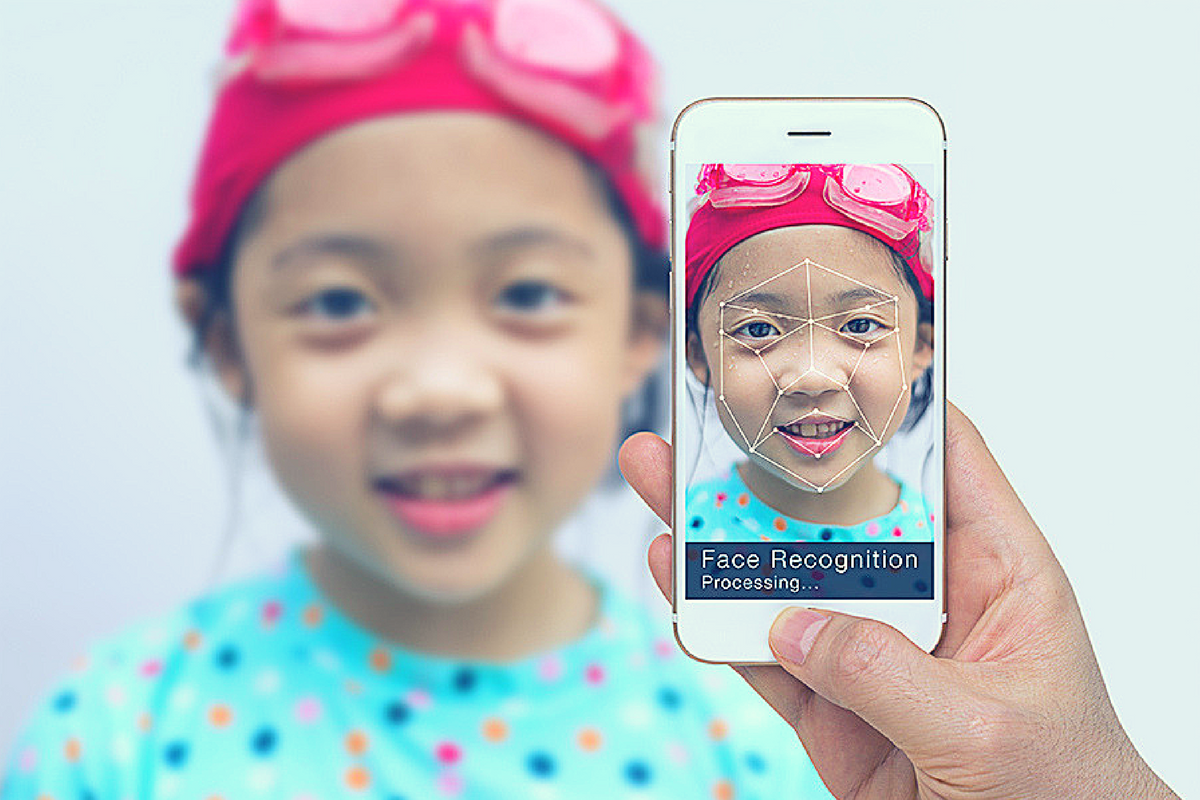
    Facial recognition is one of the hot-button topics of 2017. iPhone is featuring it now, several social media platforms have been using it for a while to help you tag your friends in photos. In fact, Facebook has just announced how they’re using facial recognition to help the blind learn more about photos on their timeline. Artificial intelligence in our social media timeline tells us what images and posts we want to see first, it identifies who is in our photos, it even decides what ads we will be most likely to click on. Social media isn’t the end of facial recognition AI, though. As I prepare to head to Las Vegas for the Consumer Electronics Show (thank you, by the way, your readership of this blog made that possible) I see more and more smart-home and gaming tech using facial recognition for their main functionality.

    Security

    The application of facial recognition in security tech should be pretty obvious. Amazon has a camera that you mount outside your door that will only allow approved delivery people into your home to drop off your packages. Smart security tech will use motion sensors and facial recognition to identify who enters a room and determine if they belong or not. If you aren’t approved, an alert goes to the homeowner and they can decide to alert the authorities or not based on seeing the picture that the security device took of you.

    Smart Home Tech

    Smart home technology isn’t early market anymore, it’s actually becoming more of a mainstay in the American household. People are calling out to Alexa, Google, and even Cortana more an more every day. The latest technology will be featuring the ability to recognize you and adjust the “settings” of your home accordingly. Think lights dimmed, music on to your playlists, coffee part started, and your tv turned on to your favorite channel. Most of the latest smart home tools are putting cameras on their devices and making facial recognition standard in their algorithms. That means that more and more “affordable” or “budget” devices will be scanning your face. When you pay less for similar tech, what you usually save money on is the privacy and security side of things. You have to be careful to understand the security settings and privacy policies of any “smart” device you purchase.

    What Parents Should Know

    Every single new tech development has the challenge of balancing convenience and progressiveness with security and privacy. Having your lights come on because a device saw your face walk into a room sounds like a really convenient thing. Being alerted by Facebook when someone uploads a picture of you is a great idea. It can help you keep photos you don’t like of yourself off of the internet or just help you make sure you are tagged in the photo you’re in. If all of these new technologies can ensure that your identity is secure then it’s a great way to use the latest developments to add convenience to your life. 

    My advice with the newest releases is always to wait a while. Let the lawsuits and hackers do what they will before you own one of the devices and your personal data is in jeopardy. Once it’s been out for a while then maybe integrate it into your life, but only if you know how to set it up and secure it properly.