Tag: disney

  • How “Kids Games” Give Predators Unmonitored Access to Children

    How “Kids Games” Give Predators Unmonitored Access to Children

    I was contacted this week by a parent who was shocked to find that adults had been chatting with her young son in Disney Heroes, Battle Mode, an app rated 9+ in the Apple App store. She sent me screen shots in which players were asking her son if he was a boy or girl. They asked how old he was and where he was from. One of them even confessed, “I am not a kid. LOL.”  Obviously, when his mother found these messages she was extremely concerned, she removed access to that game and set some limits for their whole family for a while. Then, just a few hours later I received a link from a concerned parent about an app in which people are posing as employees of the game company and asking children to send pictures “without a shirt on” to prove their age. She asked if this was true and my response was that yes, these things are happening every single day. Here’s why these predators can gain such easy access to our kids.

    Disney Heroes Battle Mode

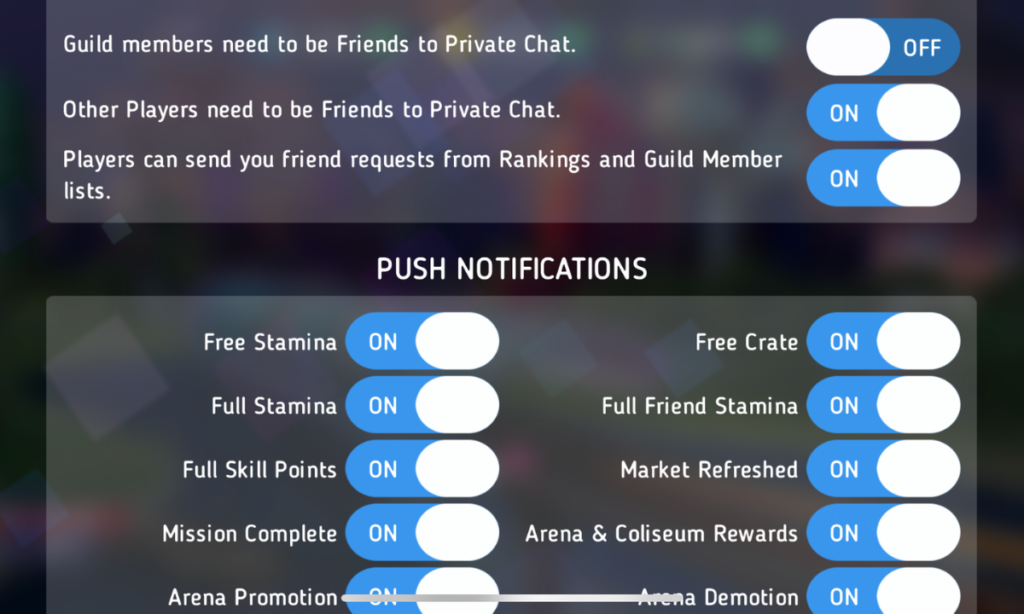
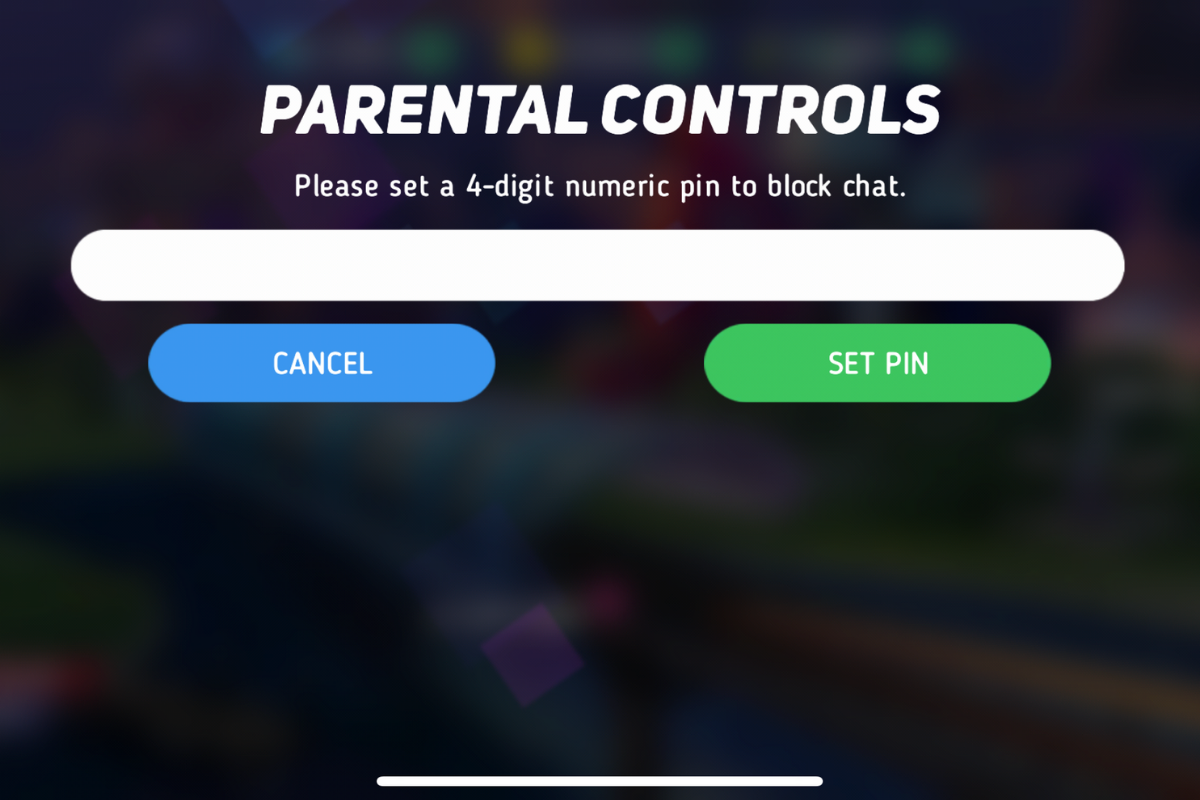
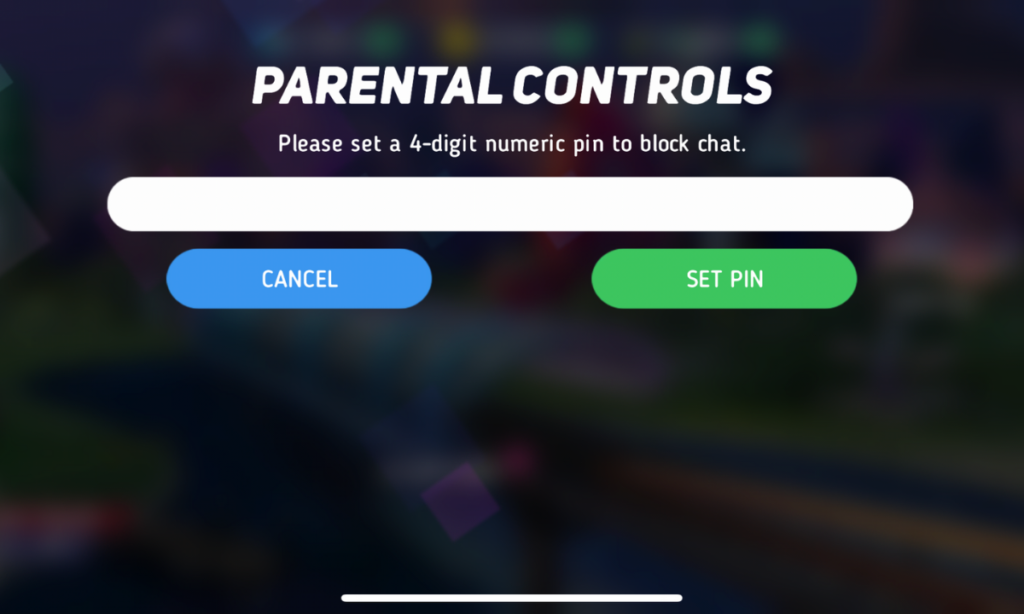
    After hearing about the trouble with Disney Heroes Battle Mode I downloaded the app to see what it was all about. After a short cenimatic and then playing through the tutorial you get a notification that the app has purchases built-in and that you shouldn’t be under 13 (app is rated 9+ in the app store. if you want to play. I simply tapped continue and moved right past the warning. No age verification, no password, no face id, nothing. Once in the app I started looking through the settings. I did find controls for the chat feature, including a password protected on/off toggle for chat access. This was good to see, especially since the issue I was researching had to do with chatting.

    The problem is that apps like Disney Heroes give parents a false sense of security. The app is made by Disney, the company’s name on anything makes many parents think that the product is made with their kids’ health in mind. This could not be further from the truth. Disney is out for exactly what every other major corporation is out for, their financial bottom line. We have to remember that data is big money and apps that are made for kids collect just as much data as any other app. Data that is personalized to a user is worth more money which means app developers need users to make an account to sort and identify their data more easily. The easiest way to convince app users to create an account is by making it the only way they can chat with friends in the game.

    What Parents Should Know

    I recommend taking a look at the game your kids play on their pones or tablets. Just because the game features cartoon characters doesn’t mean there aren’t adults playing the game. If the game has a social feature like chat or friend-mode you can be sure that your kids will be contacted by strangers. Look in the settings, preferences, or options of the games to see if there is a way to turn off chat mode. If they don’t allow you to disable social features, I would uninstall the game and encourage your child to find a different game to play.

    We must remember that the companies that make these games offer them for free because their money comes from in-app purchases and advertising. In order to make money they have to keep people playing the games as long as possible. Research shows that there is no better way to keep someone in your app than social engagement. People will be sure to keep coming back if they have friends in the game to play with or against. This means that they will continue to put these social features in their games and while app stores may rate these games as safe for younger children, my rule is that if it has a social element it should be for kids older than 13. Even then you should ensure that you child understands what they should do if they are approached online by a stranger and encourage them to tell you if someone makes them uncomfortable in any social engagement online. We can do our best to protect them from this software but nothing is more affective in preventing these dangerous encounters than teaching them how to recognize them and end the conversations immediately.

     

  • Disney Being Sued for “Spying on Children”

    Disney Being Sued for “Spying on Children”

    Disney is in the news again and this time it’s for spying. Apparently, over 40 of the smartphone/tablet games released by Disney have ad tracking built in. That is usually not a surprise when you’re using an app but when the apps are intended for children it changes the game completely. The Children’s Online Privacy and Protection Act puts certain limits on what a website or app are allowed to do with information collected from individuals under 13 years of age. Using their information for ad tracking isn’t allowed under COPPA guidelines and a resident of California is taking the company to court because of this policy.

    AvengersNet, Beauty and the Beast, Cars Lightning League, Club Penguin Island, Disney Gif, Frozen Free Fall, and many more apps have all been discovered to be collecting data entered by the children using the apps so that Disney can sell it to advertisers. This information is then used to easily target children with these advertiser’s marketing campaigns. Information such as geolocation, age, web history, email address, and full name are collected in many of these games and are quite valuable to marketing companies. Disney can also use this information to better target the advertising built into their own apps.

    Disney has paid fines for misuse of information before. In 2011, Playcom, a Disney subsidiary paid 3 million in fines for collecting email addresses, full names, and other information from minors.  There’s obviously money to be made from collecting personal information. The question is how can we keep this from happening to our kids?

    What Parents Should Know

    This is why so many apps are free. You’re not paying with money but you’re paying with information. When you or your kids use an app, you should always assume your information is being collected. Sites and apps save passwords, email addresses, and usernames to use on their site but they don’t have to just store that information. They can use that info to make more money as well. There is no way to avoid having the information you enter into apps, software, and websites collected for purposes outside of your control. The key is to control what information you put into those apps.

    There are browsers and plugins that will help you avoid ad tracking. You can search with DuckDuckGo instead of Google, for instance. You can install the AdBlocker extension for Google Chrome to keep some sites from taking your information. The problem is that many of these sites know that blockers are in effect and won’t release all of the features of their site until you disable them. Apps come with tracking built in so there isn’t really any way to avoid letting them take your information. My advice is to only enter information that you would be willing to make public. If you wouldn’t put it on an advertising survey for some company then you shouldn’t enter it into their site or app either.

    As for your children, you have to take the same precautions as you would yourself. In fact, consider being even more strict with the information you enter into the apps your children use. Don’t let them use their real full name or their social media account usernames. Don’t allow them to enter their email address or any contact information. You should enter whatever info you would for yourself and then allow them to use the app. I have a “family” email address that I use for apps or software that want an email address from my kids. My children don’t even know the address or login information, it’s strictly to use for logging in to a couple of the educational or silly game apps they like to use. These are a few of the things you can do to protect your kids from being tracked for advertising. It’s important that they understand that whatever information they enter online will immediately be outside of their control. Teach them to keep private things private. This will protect them from so much more than just advertising.


  • Original TV Content in Snapchat is a Sign of the State of Social Media

    Original TV Content in Snapchat is a Sign of the State of Social Media

    Have we come full circle? Maybe, because live-TV is becoming the trend. Well, it is now that television companies are bringing programming to social networks. Snapchat is the latest platform to announce that they’re bringing content from traditional TV to their feed. The shows will take the form of short-form supplemental episodes to direct Snapchat users to the shows on their networks. Snap has announced that Turner, A&E, ABC, the NFL, Vice Media, Discovery, and Fox are already signed on to produce this original content. Many of these companies are larger networks that can promote content from a large group of TV channels.

    Apparently Snap isn’t interested in advertising disguised as a show. They are after “true original content.” While the hope of the networks is to move users from their short-form shows on Snapchat’s stories to their programming on Television or their streaming services, Snap is hoping to provide more income from these companies. Especially since their first report after taking the company public showed some major losses. (They say most of the losses were due to paying shareholders after going public.) There is already data to support that social media content by TV networks improves their viewership:

    Nielson reports that media companies that publish Snapchat content see “notable audience growth” on TV and other platforms, and that the app delivered a 16-percent boost to the average monthly reach. – Digital Trends

    This means they shouldn’t have any trouble filling the Snapchat stories and discovery section with more of these shows. These short episodes will have ads that play before, during, or after. That’s where the income for Snapchat will come from.

    What Parents Should Know

    I think there are two things parents need to take into account as our social media becomes more inundated with traditional media and advertising. First of all, some parents are concerned with overexposure to media and entertainment. Setting restrictions on what content your child can see is getting harder and harder to do. Adding this content to their social media apps just makes it even more difficult. Moms and dads need to keep an eye on what shows and ads are showing up in these apps and take action if they see something that they’re not comfortable with.

    The second issue is time. Many of us are learning how important it is to watch the amount of time our kids are spending online or consuming TV, games, and movies. With Twitter, Youtube, Facebook, and now Snapchat moving towards more original TV style content we are seeing social media become more about the entertainment and less about communication and sharing with friends. It’s important for parents to understand that social media platforms now count as entertainment. If you have a time restriction set on Netflix, Youtube, or Hulu, you should have it on Snapchat and Instagram too. That’s just where we are now. Social Media isn’t a trend. It’s basically the state of the internet in this culture. We have to treat it as such.

  • Circle is the WIFI Filter for You!

    Circle is the WIFI Filter for You!


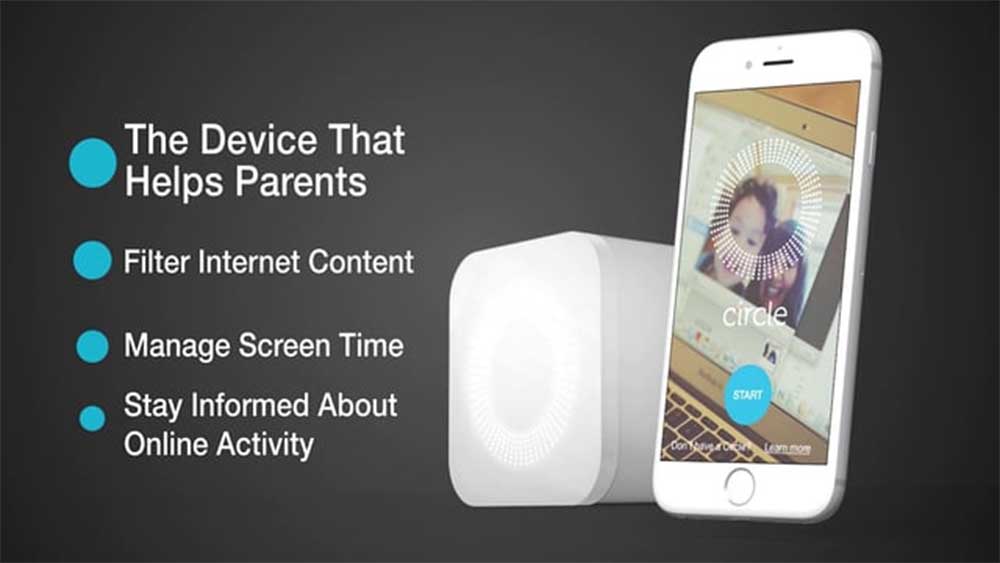
    I was recently able to set up a family internet filtering hotspot system called CIRCLE. It’s a pretty cool system. It has the ability to filter content with different strictness levels, set time limits and bedtimes, track usage, and lockout certain apps and software. It’s all controlled through an app on the device of the administrator.  Disney has got involved and have even made some content available on the app through your purchase of CIRCLE. All in all I give this device a great review. You can listen to a full review on our free podcast at BecauseFamily.org but I’ll cover a couple of points here on my blog as well. (more…)