Tag: data

  • CES2020 | Protecting Your Family’s Privacy and Data

    CES2020 | Protecting Your Family’s Privacy and Data

    Walking the show floor at CES can be a major assault on the senses. Every booth has music and lights and giant screens or projectors showcasing the latest and best of their technology offerings. One thing that is cutting through all of the noise, however, is the need for tech companies to earn the trust of their target consumers. Voice control, smart home technology, and data mining for convenience in retail are on the rise. The companies who use our information to make our lives easier have to convince us that they are going to stop there. The good news is that it seems they are understanding this truth.

    Protecting Your Family’s Privacy and Data

    Robin Raskin, the founder of Living in Digital Times, said that trust will be a major theme at CES this year. I spent several days on the CES show floors and I can tell you this is the truth. Car manufacturers are explaining how their tech is built to keep you safe. They are saying that the information gathered about you is meant to make the goal of safety more attainable. Convenience is being showcased at nearly every booth on the floor as well. Convenience requires data, so it is no surprise to see these exhibitors featuring their privacy policies upfront for all to see. Even toy makers are touting their focus on privacy. The connected toys your children will play with shouldn’t be tracking their every move.

    Trust and Responsibility

    Protecting your family’s privacy and data is a huge responsibility. The responsibility for data privacy, security, and trust are shared, though. We, as consumers need to know the role we play in protecting our information. There are key factors we must keep in mind when thinking about security. Our passwords are very important. We must make sure we have different passwords across our online accounts. Also, be careful to use passwords that aren’t too easy to guess. Finally, we have to remember to set the security settings on our new smart devices when we take them out of the box. That new thermostat or camera is connected to the internet. That makes it susceptible to hacking and therefore security settings must be set. If your device offers “two-factor” authentication then set that up as well. It can seem inconvenient but it will protect you from a lot of trouble in the future.

    Companies can only do so much to protect your data and security. They can give you tools to protect yourself but they can’t force you to use them. Check out my other articles on data privacy HERE.

    One last important tip is that you only buy smart home devices from well-known, trusted companies. Most of the time, these larger tech companies have had multiple levels of scrutiny concerning their privacy policies. Some smaller developers from other countries will have had less accountability for what they do with your information. Their products cost less and seem to work in the same way but you aren’t guaranteed the safety settings some of the larger companies will give you. All of these products are a privacy risk but you’re likely to have more transparency from a larger, more established company.

    A Caveat.

    Some privacy/security startups are making big waves right now. They are smaller companies that have security and privacy in “front-of-mind” as they develop their technology. My advice is to ask questions and look for more info on their privacy policies. Some of this new security tech is very cool and will be very helpful. Others are taking advantage of the new focus on privacy to sell more stuff that doesn’t work. Be a wise consumer. That is the most critical step in protecting your privacy.

  • Instagram is Adding Useless Age Verification to Comply with Child Privacy Laws

    Instagram is Adding Useless Age Verification to Comply with Child Privacy Laws

    Users on most social media platforms are supposed to be 13 years old or older. Some apps have had a form of age verification available for a long time. This allowed them to collect data on all of their users without failing to comply with child privacy laws since you can’t have an account if you’re 12 or younger. They then, as much discussed on this blog and elsewhere, sell that data to advertisers or use it to sell targeted advertising on their own platform. Instagram hasn’t had age verification since it started. That is changing as of this week.

    You may have already seen your birthday show up on your profile in the Instagram app. Don’t worry, that information isn’t public, only you can see it. All users will have their birthday information on their profile as of this week. If the birth year used to create your profile shows that you are under the age of 13, your account will be suspended. When setting up a new Instagram account, the app will now ask for you to put in your birth date.

    “Asking for this information will help prevent underage people from joining Instagram, help us keep young people safer and enable more age-appropriate experiences overall,” the company wrote. “In the coming months, we will use the birthday information you share with us to create more tailored experiences, such as education around account controls and recommended privacy settings for young people.”

    Asking for users ages has already been a part of major social media apps like Snapchat but Instagram hadn’t added it to their sign up process yet. TikTok added age verification after being fined nearly 6 million dollars by the Federal Trade Commission. The problem with these age verification practices is that they are fully reliant on users being honest about their age. All you have to do is a little bit of math to determine when you have to have been born to be over 12 years old. When you enter your new determined birth-date you would be allowed into the app just like anyone else. Parents have been known to lie about their kids ages to allow them to have social media accounts, this is allowed by COPPA as it counts as parent permission. The problem is that developers of these apps can’t tell the difference between a parent making an an account for their child or the kid making their own and lying about their age.

    What Parents Should Know

    Age verifications on social media apps are a hand wave towards regulations that depend solely on users to take the rules into account when using the apps. This means that they aren’t concerned with the safety of users as much as their own ability to skirt around fines and other regulations from the Federal Trade Commission. It is very obvious that these apps are meant to be open and as public as possible. The want as many users as they can get because they aren’t social media companies, these are advertising companies. They sell ads, plain and simple. When you sign up to use social media you are signing up to be advertised to specifically and aggressively. When we sign our kids up and lie about their age we are telling these companies to treat them just like any other consumer.

    If you are honest with yourself, the reason you’re allowing your young kids to use social media is pretty weak. Because their friends have it? Because a teacher says that’s how they contact students? There are ways around any of the reasons you think lead to your hands being tied. All it takes is your own knowledge of what being on these social media apps means for your kids and then a little bit of confidence to just say no. Stand up to your kid, you are the parent after all, or stand up to that teacher or coach. Ask them why they want to contact your 12 year old on social media anyway, does that sound appropriate to you? I submit that in nearly any other context it would not be acceptable.

    You are the first line of defense. Advertising and data collection is the main issue that the government leans on when saying they are trying to protect children online. There are, however, so many other issues to be concerned with. Pornography is rampant on apps like Snapchat, Instagram, and TikTok. You se report after report of young people discussing suicide, mental health problems, and eating disorders on these apps. This information is just sitting there for our children to see. When you give in and allow them to use social media at an early age simply because you think it’s no big deal, or you trust your child, you are allowing things into their minds that cannot be unseen. You’re giving them access to a world that cannot be left behind. Once you know about or begin to contemplate these things, they are permanently a part of your psyche. We must do better. We have to be smarter about our children’s access apps with user generated content. Whether it be games, social media, or any other software. We cannot trust software companies to do the right thing. They are looking after their bottom line first. It is up to us to protect our children. Not the government, not app developers, not the schools, or even police departments and social workers. It is up to you, mom, dad, aunt uncle, grandma, and grandpa. Only you.

  • Youtube’s New Kids Content Policies Explained

    Youtube’s New Kids Content Policies Explained


    Starting today, all creators are required to mark their content as made for kids or not made for kids in YouTube Studio. -YouTube Creators Email

    YouTube will be limiting the data they collect form videos that are targeting children. This is in effort to comply with the FTC’s demands that they be responsible for the information they gather on their site which lists children among their most frequent audience members. Wording in the email suggests that YouTube is “helping” creators comply with COPPA as well as meeting the demands the Federal Trade Commission put on YouTube as a media company.

    YouTube will use an algorithm to monitor content for child centric content and flag it as such if it is not flagged by the creator of the video. The email reminds creators to be vigilant to properly tag their videos if they are made for children as failure to comply could cause them to be in violation of the FTC’s demands.

    The FTC has outlined what constitutes children’s content and YouTube has that information available on their support page. YouTube’s announcement briefly defines children’s content as:

    • It is directed to children as the primary audience (e.g. videos for preschoolers).
    • It is directed to children but children are a secondary audience (e.g. cartoon video that primarily targets teenagers but is also intended for younger kids).

    YouTube’s guidelines state that they may override content creator’s settings if their content seems to be geared toward kids but isn’t marked as such. This could result in content creators being demonetized or held accountable in some other way for not properly categorizing their content.

    What Parents Should Know

    The FTC fined YouTube for their inability to comply with COPPA and told them they had to have a plan by next year to keep children’s data private on their site. Many thought YouTube Kids was the solution but so few parents actually used the kid version of YouTube so children remain a major audience for YouTube’s main site and app. The information creators give YouTube about their videos and channels will help YouTube know what videos to collect data from that will be used for advertising in the future. Also, the advertising on videos marked as “for children” will be different, focusing on the content of the video as an indicator of the audience rather than viewing data from the viewers themselves.

    These changes, in my opinion, are a step in the right direction for YouTube. Their collection of data from young audiences have been a point of contention for tech safety experts, security and privacy agencies, and family advocacy groups for several years now. The policies handed down by the FTC are in direct response of some of these experts and agencies asking for an investigation into YouTube for their lack of compliance with COPPA.

    As parents we rarely think about our kids digital footprint being collected and used against them but it is happing every time they log on to an app or game. It is important, however, to remember that the trail they leave behind online will follow them for the rest of their lives. The things they buy, the sites they visit, the videos they watch, and the games they play are all being compiled to create a profile on them that will be used to market to them online for years to come. If parents remember that our children’s web traffic is being collected we can take steps to protect them from excessive data collection. Encourage them to use messenger apps that are made just for kids. [Facebook Messenger Kids, not WhatsApp or FB Messenger.] Remind them that what they share online becomes public the moment they share it. Tell them they should only use video and game apps that are intended for children and made by major developers who are more likely to comply with COPPA. Parents are responsible for the safety of their children, as well as their privacy and security so take the steps you can to keep their data private.

  • Is FaceApp Sending all of Your Private Data to Russia?

    Is FaceApp Sending all of Your Private Data to Russia?


    Last week everyone was posting pictures of themselves looking older or younger. They were all using FaceApp, an Android and iPhone app that uses AI to change your face to make you look older or younger, change your gender, and all kinds of different things. Then, suddenly everyone who had been posting pictures of themselves began sharing articles about the privacy dangers of FaceApp. What is true? What does FaceApp do with your pictures? Should we use apps like this? Here are the answers I found.

    Your Pictures Aren’t in Russia

    One of the major concerns due to political news lately is that all of these pictures have been stored by the Russians since the company that makes FaceApp is in Russia. The truth is that these pictures are stored on servers owned by Google and Amazon. Many of the photo apps you use including some of the social media apps you frequent use the same server companies to store your pictures and posts. There is no evidence to suggest that your images are being collected by the Russian government or even companies in Russia.

    Your Photos are Deleted after 48 Hours

    The face app privacy policies state that photos uploaded to their servers are usually deleted after 48 hours. They do state that some photos may be kept for analytical purposes but that they are not sent to the FaceApp companies. These photos are used by the artificial intelligence to make it smarter and help it do a better job of editing photos for people.

    FaceApp Terms Mention Affiliate Companies and Governments

    The policies of FaceApp do allow for them to give your photos to other companies “in their network.” Again, they say that this is for analysis purposes and not data tracking. They also say that they’ll give your photos to law enforcement if requested through legal means. 

    You Can Use FaceApp Without Giving Personal Information

    The company that makes FaceApp says that 99% of their users don’t login to the app. That means there are no ways for them to have your personal or identifying information. The only thing that they collect in those cases are your photos. If you have location settings turned off for your camera then there isn’t much personal data that can be gained from the images. All they actually have is a picture of a non-identified person’s face. Also, FaceApp only uses the photos you tell it to upload. Not your whole camera roll. 

    “…please note that we may transfer information, including personal information, to a country and jurisdiction that does not have the same data protection laws as your jurisdiction.” FaceApp Privacy Terms

    FaceApp Doesn’t Handle Data Differently than any Other Social Media Service

    The only major difference between FaceApp’s privacy policies and those of Facebook and Instagram are how much terminology they use to describe them. Personal data and photos are basically handled the same way by all these companies. You may consider it more of a fair trade off for Facebook and Instagram to collect your data in exchange for the services they provide. You also may be less inclined to be worried because of Facebook and Instagram being from the United States. Either way, your data is being used in the same way by all of these companies.

    Musical.ly is now Tik Tok


    Just Share Smart

    These instances of public outcry about the privacy policies of an app or a company are a great time to be reminded of the importance of thinking before you share. The truth is that everything, once shared on the internet, is public domain. It belongs to every citizen of the web and not to you any more. This should govern every choice you make on every site you visit and every app you use. If you wouldn’t want the whole world seeing that photo of you, your child, or your spouse, then you shouldn’t share it. If what you are about to post as a status would put your security in jeopardy then you shouldn’t post it. If you aren’t sure about a company or an app that is asking for your personal information then you shouldn’t give them your personal info. It is very simple. Just think before you fill out an online form. Think before you share a photo. Think before you past your thoughts about anything and everything.

    The issue isn’t where your information is stored. It is the fact that you share photos, phone numbers, credit card numbers, and even your social security number like it is no big deal. You don’t have to be an internet security expert, you just have to pause and think.


  • YouTube May Have to Stop Making Money Off Our Kids

    YouTube May Have to Stop Making Money Off Our Kids

    The US Federal Trade Commission is finishing an investigation into YouTube’s Children’s Data and Ad policies and at least one member of Congress is now asking for YouTube to make some major changes. Massachusettes Senator, Ed Markey has officially requested that the FTC enforce some major policy shifts on Google for how YouTube handles advertisements to children and the collection of kids’ data.

    The request states that:

    Personal information about a child can be leveraged to hook consumers for years to come, so it is incumbent upon the FTC to enforce federal law and act as a check for the ever increasing appetite for childrens’ data. – FTC YouTube COPPA 2019

    This three-page document outlines a plan for rules that the FTC should enforce upon YouTube in order to keep them compliant with  COPPA and to better regulate their child advertising practices. The rules include requiring Google to stop collecting data from users under 13, requiring YouTube to develop a way to identify users under 13 and implement COPPA compliant policies, disallow influencers from marketing products geared towards children under 13, and forcing Google to create a fund for developing content meant for children that is ad-free and COPPA compliant. 

    COPPA imposes certain requirements on operators of websites or online services directed to children under 13 years of age, and on operators of other websites or online services that have actual knowledge that they are collecting personal information online from a child under 13 years of age.

    What Parents Should Know

    Parents have to be intentional about teaching their children about online privacy. Regulations from the FTC will, likely, be coming in the near future. Even if these changes aren’t as strict as the ones listed in the letter from Senator Markey, they will still cause major ripples in the YouTube creator and viewer community. The way that YouTube seems to try and handle these kinds of problems is by “demonetizing” videos that contain the type of content they are taking heat about. The heat they are getting from the FTC right now, though, is concerning some of the most profitable channels on any video sharing platform ever.

    Advertising is the way these companies make their money and collecting data is their sole model for targeting their advertising. If they aren’t allowed to target children anymore then there won’t be much content on YouTube for children at all. Our approach has always to only allow our kids to watch YouTube videos that we have selected and they must watch them on the television in the living room. That protects them from any surprises and we curate the types of videos they are allowed to watch. We also have YouTube Premium which removes ads. This is helpful since the algorithm that selects which ads show up on what videos often doesn’t take the age of the target audience into account. (i.e. an ad for the latest Childs Play film on a video about kids making slime.)

    As I always say, we should hold these companies accountable as much as possible but it falls to parents to be the responsible ones when it comes to our children’s digital health and online safety. What is your approach to YouTube, do your kids watch as much as they want? Do you limit their viewership on YouTube? Do you think this news will affect how much time you allow them to use the app? Let me know your thoughts in the comments below.


  • Fortnite Hacked!? How to Protect Your Kids’ Account Information

    Fortnite Hacked!? How to Protect Your Kids’ Account Information

    A vulnerability discovered by Check Point security researchers, could have allowed hackers access to over 80 million accounts on the popular Battle Royale game Fortnite. The breach would allow hackers to see account information, use the account credit card to make in game purchases, and even listen in on player’s in game chats. The vulnerability has been fixed by Epic Games but they are making recommendations for users to secure their accounts in the future. Since the hack that was discovered didn’t need a password, changing your password on your Epic account regularly wouldn’t have saved you from this leak. Epic recommends using “two factor authentication” to keep you from being vulnerable to attacks like this. A few months ago they even provided a free avatar emote for those who opt in to two factor authentication.

    What Parents Should Know

    First of all, it is important to understand security and how breaches like this happen. Your children are using games, social media accounts, and web services that collect tons of data on them. Much of it is kept stored by the companies that are collecting it but the servers that this data is stored on aren’t always as secure as you would like them to be. The hack that affected Fortnite was found by accessing accounts through a website that was published by Epic Games fourteen years ago. Hackers could access player’s logins through the site and then listen in on their conversations and use their payment information. These vulnerabilities are there because the internet is so big and so open that who can blame Epic Games for forgetting about a little stats site it put up in 2004? This is why it falls to the consumer to protect our own information.

    What is Two Factor Authentication?

    It’s really simple. You enter your password to access a website. If you’re like me you have passwords stored on your computer and in an app on your phone so you can get to them easily and login as quickly as possible. Two factor authentication seems annoying because it adds a step. If used properly, however, it should only ask you to enter your second form of identity verification if you are logging in from a new device or location and it is really one of the safest forms of security available right now. When you get that email that asks you why you had a login from your mom’s computer across town and you roll your eyes because you know it was you checking your Facebook page because your phone died, just remember, this form of verification is one of the only ways to keep your data safe nowadays.

    Passwords are infamously weak and often saved to the point that we have forgotten them. Our kids likely have learned their password creation skills from us and therefore their abilities to form a strong, memorable, but secure password or passphrase is embarrassing. Remember that you should always use multiple different forms of characters like numbers, letters. symbols, and a combination of caps and non-caps. Make your passphrase longer than you’d like and save it somewhere. Teach your kids to have different passwords on all of their accounts, not just variants of the same password either. I use a password generator and storage software to keep track of mine. I have a really really long passphrase that I have memorized to log in to my password storage software so that my other passwords can be unique and secure.

    Final Advice

    Finally, I recommend talking to your kids about the kind of information they post online and store on their online accounts. Remind them that what happens online is permanent. Photos will exist forever, social media posts will come back to haunt them, and that conversation they’re having while playing Fortnite may not be as private as they thought. Many adults are just now learning about how to keep our information secure online, I feel that it’s critical that we teach our kids how to do the same thing. Their data is more valuable that any of us ever imagined it would be.

  • Common Sense Media Releases Six Year Study on Teens and Social Media

    Common Sense Media Releases Six Year Study on Teens and Social Media

    Non-Profit research and resource organization, Common Sense Media, released their six year study of teenager’s use of social media. The survey based study polled more than a thousand teenagers from ages 13-17 and from all walks of life. Some of the results were surprising while most were exactly what you’d expect.

    In the video above, I walk through some of their findings and my thoughts on them but I’ll list some of the highlights below:

    Teens use social media now more than ever before.

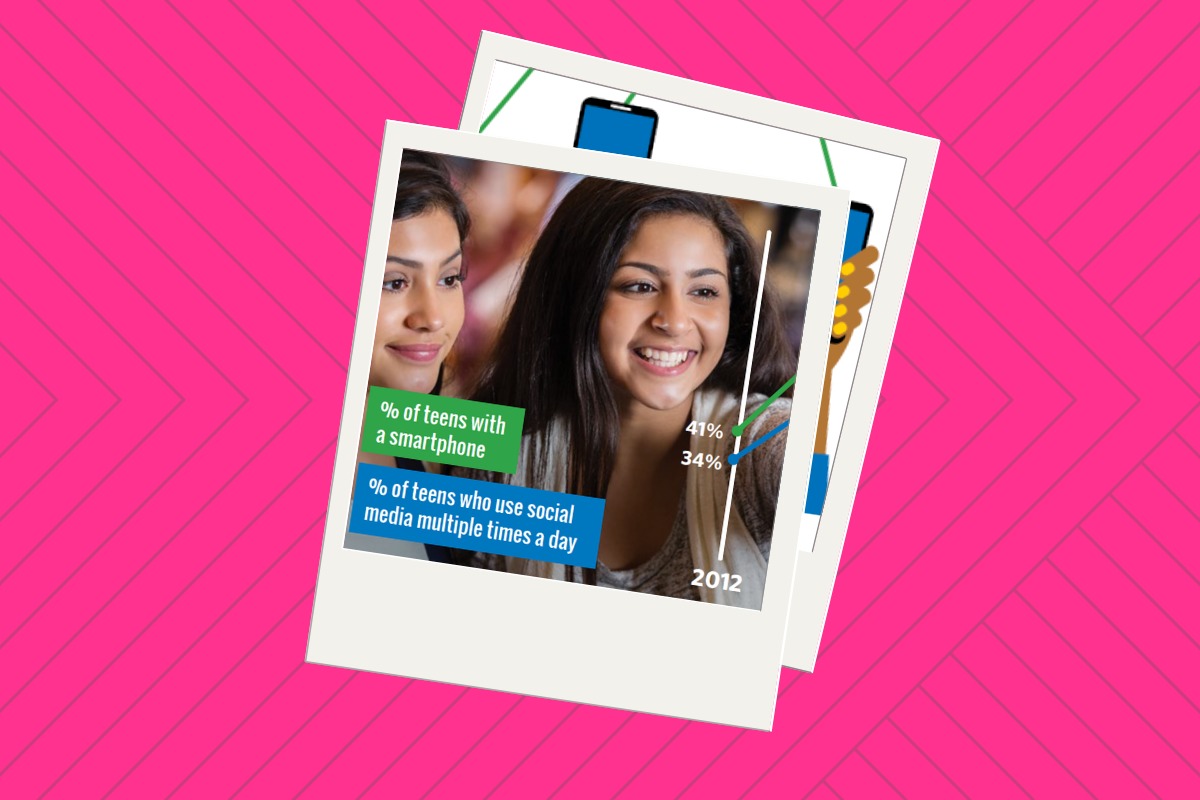
    Put this down in the not surprising category. The study found that there was a large increase in the number of teens who say they use social media in 2018 compared to 2012. Also, Facebook isn’t as commonly used by teens as it was six years ago with Snapchat and Instagram being the favorite of most of those surveyed.

    Social media is very important to most teenagers.

    Also not surprising is that many teens aren’t too good at self regulating their device usage and that many prefer social media interaction above face to face.

    Social media plays a critical role in the lives of most of those polled in this study. They agree that there are positive and negative affects but most feel that there are more benefits to their social media use than negative impacts. Those who were considered to have a low “social-emotional well being” were found to have more negative impacts from social media and most of those impacts were from bullying, racism, and sexism. Also not surprising is that many teens aren’t too good at self regulating their device usage and that many prefer social media interaction above face to face.

    Teenagers are wise to tech companies’ attempts to manipulate their users.

    A large majority of teens say that they believe tech companies manipulate their customers to encourage more device use. They admit that, sometimes because of this, they are often distracted by their devices when they should be doing something else. Many say that digital obsession is a problem for their parents as well. Also, quite an eye opening find.

    What Parents Should Know.

    Social media isn’t a phase and it is not something that you can keep your kids from forever. The most important thing is that when they begin to log in to social media accounts, they have an idea of what it means to do so safely. Model healthy social media and technology use for your children and try not to be hypocritical about your screen time limits. Talk to your kids about the time they spend online and let them know that they can come to you when something inappropriate or dangerous happens. 

    Know your child and if they seem to be the type who would be affected negatively by the use of social media then you shouldn’t allow them to use it. Encourage more face to face interaction with their friends and facilitate that with rides and your schedule. Finally, know that social media is a serious topic for your teen, a negative attitude that lacks any empathy to that fact will cause your advice to fall on deaf ears. Speak to your kids about healthy tech use and let them know this is a partnership, not a dictatorship where what you say goes and they’ll have to obey because you said so.

  • Amazon Echo Dot For Kids Released on the Same Day an Alexa Security Flaw Was Announced

    Amazon Echo Dot For Kids Released on the Same Day an Alexa Security Flaw Was Announced

    Voice is the new screen. That’s what all the tech gurus are saying these days. We’re moving beyond tapping to simply speaking. “OK, Google,” “Alexa,” even “Cortana” have become standard parts of our vocabulary. Even our kids know how to play music, stories, or get help with their math or spelling from a voice-activated assistant of some kind. Voice command started with Siri and quickly became a standard feature in all smartphones and even in some of our vehicles. What seemed like science fiction only 15 years ago is now a common tool for most of our culture.

    We are all hyper-aware, now, of the amount of information tech companies are gathering from our internet use. Since we carry fully connected devices around with us everywhere we go and use them to broadcast our daily routine on social media, there isn’t much that is hidden. Recently, though, we’ve become a bit cautious of how much of our data we share with these companies. It’s one thing to let Google know we like seeing ads on YouTube for our favorite movie genre, but tracking our location and schedule is a bit far.

    A test by security group, Checkmarx, found a security flaw that allowed them to design an app that would leave the Alexa microphone on long after you’ve finished using Alexa. Then, the app would send the hacker a transcript of what the mic picked up while you didn’t know it was turned on. Checkmarx found this flaw earlier this month and reported it to Amazon. It was corrected immediately.

    “Customer trust is important to us and we take security and privacy seriously,” the company said in a statement. “We have put mitigations in place for detecting this type of skill behavior and reject or suppress those skills when we do.” – Amit Ashbel, director of product marketing for Checkmarx

    This obvious flaw is the first of its kind that has been made public. There is no way to know how long it has been around or if it has been used by anyone to collect user data. Amazon was fast to fix the issue but only after a third party research group found the problem in the first place. There are always security risks with any smart-home or virtual device and having a microphone that is always on compounds that risks. The popularity of Alexa and Google home is ever increasing, though, despite these risks. With the outcry against Facebook for their data collection and usage, it seems interesting to me that these fully connected, in-home virtual assistants are becoming so common. So common, in fact, that they’re being designed for our kids.


    Enter, the Echo Dot for Kids


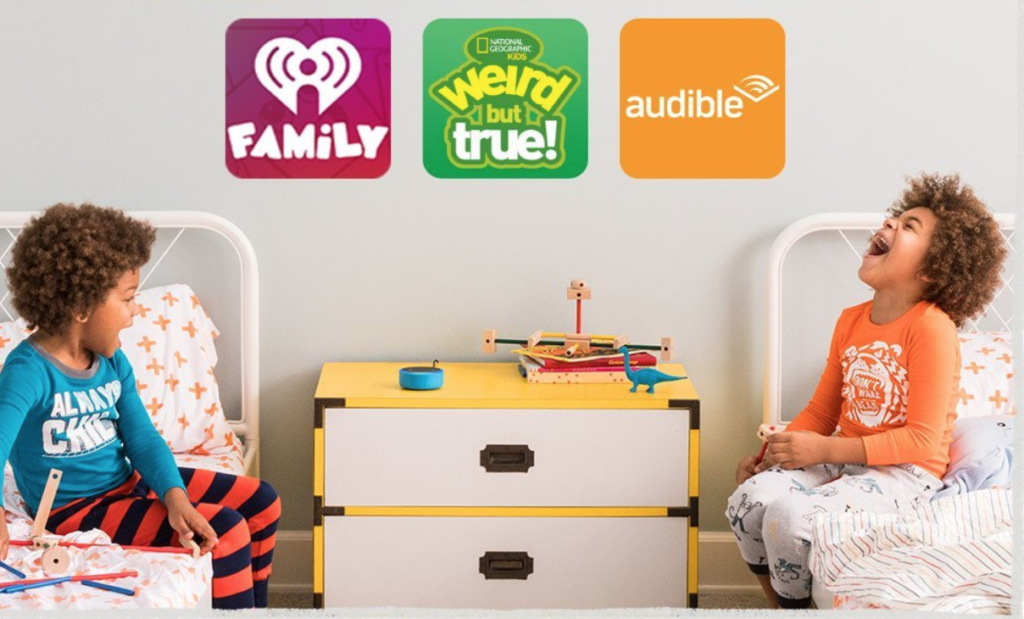
    The news of this breach was released today, and interestingly, so was Amazon’s new Echo Dot for Kids. The Alexa enabled personal assistant speaker comes with a protective case, a replacement warranty (for the inevitable drop on the hardwood floor), a year’s worth of Amazon Freetime, built-in parental controls, and a bunch of skills (apps) that are geared towards kids. The Dot will read to your kids, help them with homework, play kid-friendly Audible audiobooks and more. The Echo Dot for Kids is $79.99 on Amazon.com.

    What Parents Should Know

    Being able to lock your kids out of explicit music and audiobooks, disabling entertainment features in favor of educational skills, turning off voice purchasing, and other parental control options make the Dot for Kids a pretty appealing piece of technology. I am, however, very skeptical of putting a marketing company’s microphone in my kids’ rooms. I know that doesn’t sound like the opinion of a tech nerd but my distaste for targeted marketing to minors and collection of the data of children will always outweigh the desire to be in with what’s trendy in technology.

    Though the Alexa security flaw has been resolved, I wonder how long it will be until another workaround is discovered? I bet it’ll be pretty soon. Here’s why: Amazon is trying to strike a balance between a way to gather the most information about your family as possible and still make you feel that your information is secure. There will always be functionalities in their systems that allow them to gather just that little bit more than you know they’re collecting. When a security company (at best) or hackers (at worst) find these functionalities, they exploit them to meet their own needs. Sometimes the need is to sell the workaround info to the company to keep it all quiet and sometimes it’s worse, the collection of data for sale or use. We all seem to be ok with Amazon or Facebook or Google having a bunch of our private data. After all, it is often used to make our lives easier and more convenient. The problem comes when something like the Cambridge Analytica fiasco takes place and we have our information being sold to the highest bidder or used to target us with fake news and advertising.

    Unfortunately, as long as we have devices that take in our likes, dislikes, conversations, and habits, we will have companies using that information to further strengthen their bottom line. All I am saying is that, as families, we have to draw our own line. My line is drawn pretty strictly against voice-activated assistants in our home, especially ones designed to be used by my kids. Your line will be somewhere different than mine but I advise you to be knowledgeable about any tech you bring into your home. If you aren’t sure what something does or how it really works, I wouldn’t buy it or use it in the first place. I know that sounds a bit counter-cultural, but the culture seems pretty ok with giving away all of their personal information and then panicking when they find out it’s being misused. I don’t blame companies for that, I blame people. Facebook fooled us once, perhaps shame on them, if you’re fooled again, shame on you.


  • Top “Family” Android Apps Found to Collect Kids’ Data Without Parental Permission

    Top “Family” Android Apps Found to Collect Kids’ Data Without Parental Permission

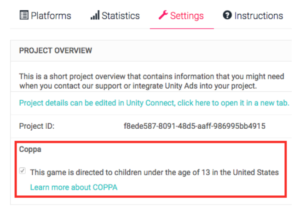
    It’s so nice to just head to the Google Play store and grab a couple of free apps to keep your child busy for a few minutes. There are a lot of free options and Google Play has a “Designated for Families” section to help you know if the app will be safe. Unfortunately, many app developers haven’t been following the rules. Android’s compliance rules are very specific about requiring apps to stay true to the Children’s Online Privacy Protection Act (COPPA.) That means there are certain types of data they aren’t allowed to collect without parental permission and other types they can’t gather at all. A recent research project has found that the majority of these apps ignore the rules of COPPA entirely.

    Overall, roughly 57% of the 5,855 child-directed apps that we analyzed are potentially violating COPPA. – Proceedings on Privacy Enhancing Technologies

    The study found that most apps collect the data of their users, even though the apps are geared towards an audience under 12 years of age. The research group formed from North American and European universities developed an automatic system to study nearly 6,000 apps. They looked at data such as ad tracking, location tracking, ID sharing, and wifi address tracking. Many of the transmissions were unsecured which put data at a greater risk.


    What Parents Should Know

    When an app is free there are some things you need to consider. There’s a reason it is free, not because they want to give you free access but because developers make their money in other ways. Obviously, advertising is one of the ways, the other way is your personal information. Things like your location, device type, web search habits, and internet history are very valuable resources to advertisers. App developers are able to gather this information and sell it for marketing purposes. The common phrase is data is the new currency.

    There are certain laws concerning the collection and use data of people under the age of 13. This study shows that many android app developers are ignoring the rules. This proves that the method of self-regulation may not be viable when it comes to protecting our information and privacy.

    My recommendation is that parents pay very close attention to the privacy practices of the apps they use for their kids. Read the terms and agreements. Read their privacy policies. Most importantly, understand that a free app is free because they are selling something else. Namely, your and your family’s personal information.

  • How To: Encrypt Your Facebook Messenger Conversations

    How To: Encrypt Your Facebook Messenger Conversations

    Facebook’s data mining habits have been in the news for the past few weeks and today they’ve admitted that they’re reading your private messages in FB Messenger. They use some of this information to better your experience, they scan images and text to be sure you’re not breaking any of their policies and to check in on reported users. They also, however, scan your messages to receive more data about you. Advertising has been in messenger for a while and your private conversations are being used to customize that info for marketers.

    Check Out: How to download your Facebook Data…

    Facebook messenger has had a way for you to encrypt (or hide info in) your messages for a while, the above video is a walkthrough on how to turn those settings on. Unfortunately, you have to opt-in per conversation but once it’s on your messages are encrypted “end to end” meaning they can’t be read by Facebook’s AI and should they be intercepted by a third party, they would come through as gibberish-like code instead of the messages you’ve sent. 

    Here is a step by step guide for turning on “secret conversations” in messenger.

    1. Select the conversation you’d like to make secret.
    2. Tap the name of the group or contact above your conversation thread.
    3. Scroll down and select “Secret Conversation.”
    4. That’s it…you’re encrypted.