Tag: cyberbullying

  • These Apps Aren’t as Harmless as they Seem

    These Apps Aren’t as Harmless as they Seem

    Our kids use all kinds of different apps for many different reasons. Some for socializing, some for fun, and some for school and productivity. We don’t think twice about letting our kids use Google Documents or even the Bible app. Yet many of these apps aren’t as harmless as they seem. I receive messages from parents a lot asking if I have seen the latest awful thing people have done online. The answer is usually yes, and I am not surprised. For the last five years I’ve been learning about the digital/connected world our kids are growing up in and how it impacts our children and our families.

    Something I’ve learned is that if there is a system or an app that can be exploited to do harm, those who wish to cause harm will use it to do so. You see it yourself in your Facebook comments as some friends think it is the perfect forum for their disruptive thoughts. Worse still is the story from Bark’s project that put a 37 year old mom on instagram posing as a 13 year old girl. The response was shocking with inappropriate pictures and requests filling her direct messages just minutes after posting her first picture. The social function in the YouVersion Bible App being used to groom potential predatory victims. Google docs being used by young people for bullying, secret messaging, and sexting.

    It is shocking but I’m not surprised.

    What is our response to this tendency for people to use something meant for good and using it for the worst intentions. We can’t hide our head in the sand and keep our kids from using technology at all. This just isn’t realistic. We won’t be writing paper letters and saying no to laptops for school projects. The only reasonable response is to take responsibility for our children’s safety ourselves. We can no longer trust the apps that they use blindly, imagining that no harm can come to them simply because the app wasn’t meant for harm.

    We have to help our kids remember that the same stranger danger that is true when you’re six and at the playground is just as real when you’re fifteen and connected in direct messages by people you don’t know. I am not surprised by the nonsense that is happening on these apps. I just know that we, parents, are the only answer. People always find a way to ruin things that were meant for productivity or good. My advice is to talk to your kids. Help them know that. Tell them that if they are contacted by a stranger, even in an app like the Bible App they take caution. Remind them that they should say something if they see bullying online, even in a class Google Document.

    Our children are surrounded by voices telling them all kinds of truths. If you aren’t creating a safe place for them to come and be open with you about their concerns then you’re making it hard for them to live in this connected world. Do your best to be who they need you to be. I’m here to help.

  • Facebook is Making a Dating Feature while Instagram Works to Curb Bullying

    Facebook is Making a Dating Feature while Instagram Works to Curb Bullying

    Social Media News from Facebook’s F8 Conference

    The F8 Developers Conference is Facebook’s annual event to showcase what they are working on in their numerous social media and messaging platforms. Tuesday’s announcements featured Facebook’s new features to connect people for romance and new friendships. Instagram is looking to stop bullying before it happens.

    Facebook Dating

    The dating feature for Facebook has been tested in several countries including Mexico, Thailand, and Canada. It will be rolled out soon to more countries and finally released in the United States “by the end of this year.The latest update to Facebook Dating allows you to build a secret crush list. This list of eight people will be saved and compared to the lists of your friends who also use Facebook Dating. If any of your crushes add you to their crush list you will both be notified so you can make a connection.

    I guess, if you’re going to try to make romantic connections on social media it is better to start with people you’re already friends with. Facebook says it will help you with connections based on your groups, likes, and comments on their app. Their goal is to help connect you to people with whom you share interested, thus, increasing the chance of you having a match. They actually said they are not trying to make connections for a one time hook up but to actually help you find someone you’d be interested in having a real relationship with.

    Facebook is also testing features that will recommend new friends based on your interests, location, work, and even what college you went to. Again, being tested in just a few countries, the Meet New Friends feature will allow users to opt-in and then customize their profile to tell the system what interests to prioritize while connecting them with new friends. You can even list what activities you’d like to do with new friends and then be prompted to send a private message to someone and make plans to do that activity.

    What Parents Should Know

    Fewer of our kids use Facebook now but there are those that still spend time on there. Dating and Friend Finding features can be problematic for parents who are concerned about their kids making unwanted connections on social media. My advice is to not allow your child on social media until around the age of 16 (based on their maturity) and even then keep open conversation with them about the kind of people they make friends with online. My rule will be to only allow my friends to communicate online with people they already know really well in real life.

    Instagram Fights Bullying

    While Facebook is trying to connect you with more people, Instagram is working to protect you from the people you’re already connected to. Developers have announced a tool that will nudge users to think twice before posting a negative comment on an Instagram photo. They can choose to ignore the advice and post it anyway, but Instagram is hoping that causing them to give pause will curb some of the negativity that Instagram is becoming known for. There are also tools in development that will allow users to block comments from certain users without blocking their accounts altogether.

    Just in case blocking comments isn’t enough of a break from the negativity, another Instagram feature will let you take a break by going into “away mode.” This is a way to sign off of Instagram for a while, no longer get messages, comments, and notifications or be prompted to post, but still not have to delete your account. Also, in an attempt to make Instagram “less pressurized” they are testing the ability to hide like counts.

    What Parents Should Know

    We have all heard stories of young people deleting or archiving photos because they didn’t get enough likes. We’ve read the horrible news stories about kids who harmed themselves, or worse, as a result of being bullied on Instagram or Snapchat. These efforts by Instagram to curb some of the negativity are a great idea. In my opinion, however, there is no better line of defense that parents. Our job is to create that safe space for our kids to come to when they have a question or concern about social media. We should be the ones determining how old they should be before they sign up for that Instagram profile. We should be who they come to when some stranger reaches out to them on Snapchat. That can’t happen if we aren’t aware or if we are too timid about the time they spend on social media. If we will take our role seriously we can raise kids who are healthy and whole.

    Listen to this post as a podcast below:

  • Facebook’s “Messenger Kids” App Launches on Android

    Facebook’s “Messenger Kids” App Launches on Android

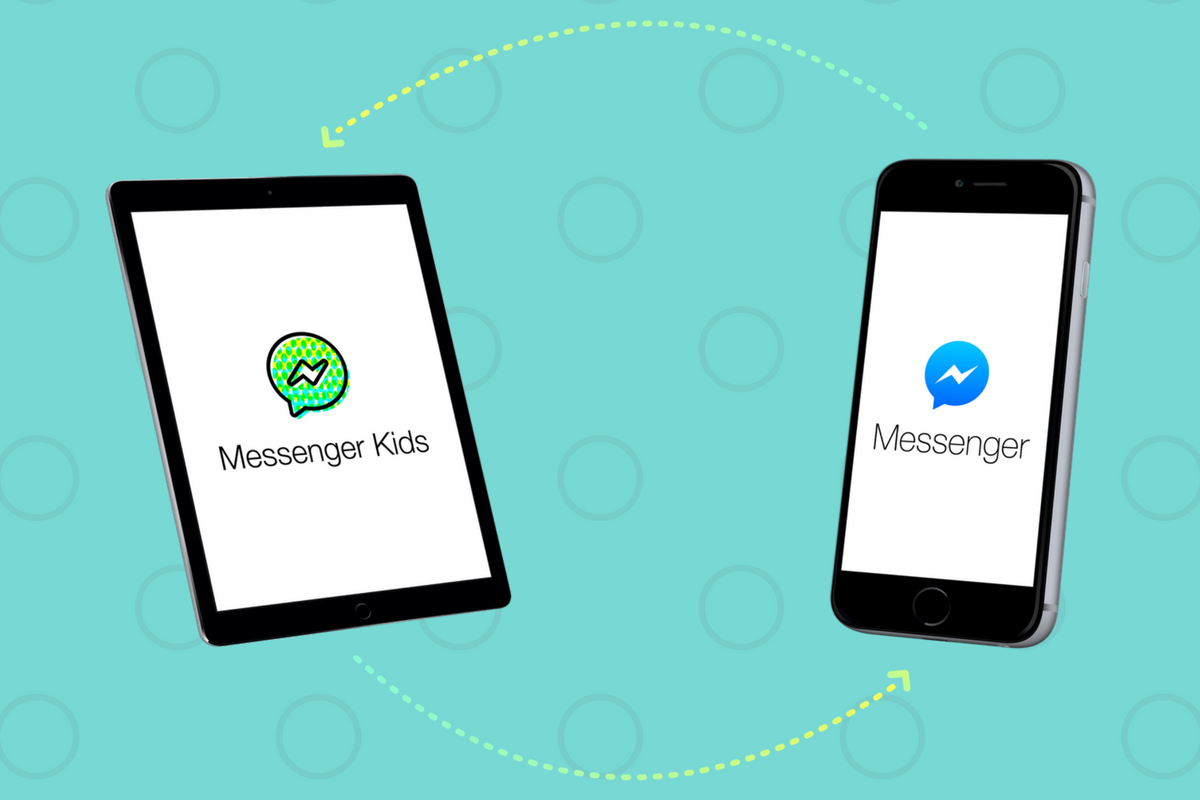
    Today, Facebook released the Android version of their Messenger Kids app. This means it’s available on iOS, Android, and Kindle now. That should pretty much cover most families. Facebook Messenger Kids puts the control in the parent’s hands, making it easy by building it into the Facebook App and Messenger App that you likely already use. You can decide who they are allowed to chat with and approve or deny friend requests.

    CHECK OUT: Facebook Messenger for Kids! for even more info about the app.

    My family uses Messenger Kids, albeit with some strict time limits (1hr per day) which we enforce through Circle (all devices) and unGlue (our older child.) It is a great way to help them get a feel for chatting through a messenger without strangers, bullies, or the constant notifications or FOM0 (Fear of Missing Out) that can accompany tech addiction. Facebook built in a lot of the controls and made the app kid-friendly by not allowing gifs that don’t originate in the Kids Messenger app and not allowing messages to be sent to unapproved friends.

    What Parents Should Know

    Since settings are controlled through your Facebook account, parents don’t have to have the same type of device as their child. You can set up your kids’ messenger app on his Android through your iPhone, for example. Keep in mind how addicting it can be to message your friends. Remember not to give them access to approve or disapprove of their friends on Messenger, this defeats the entire purpose. I know it can get tiresome to always have to sign off on everything they want to do online but Facebook makes it pretty easy with notifications on your own app.

    Use something to manage their time, like unGlue.  Talk to your kids about only messaging people they know in person and let them know what to do if someone asks them something they aren’t comfortable with. They should know that they can come to you when there is trouble. Messenger Kids is a good idea from Facebook and they did a lot of work to learn what parents would want out of a messaging app for their kids. Now the app is available on all devices so, if your kids have people they want to talk with, use this as a way to keep them in touch safely.

  • Google’s “Be Internet Awesome” Wants to Help Kids, Teachers, and Parents with Digital Citizenship

    Google’s “Be Internet Awesome” Wants to Help Kids, Teachers, and Parents with Digital Citizenship

    More than three-quarters of school-aged kids in the United States use the internet every week. Much of that online time, for seventy-nine percent of kids, is spent on a smartphone. Much of that time is also spent at school. Kids curriculum is increasingly web-based and school is even issuing computers to kids younger and younger. The internet has long been a place for kids and teenagers to find entertainment and now with the necessity for online activity for school work screen time and global communication among our young ones is on the rise. This has been a cause for concern among parents, teachers, and school administrators alike. Google wants to help parents, teachers, and kids understand what a healthy attitude towards internet activity looks like. While at CES I was able to hear representatives from Google explain Be Internet Awesome and how it was developed. I thought it would be a great resource for parents and teachers alike.

    INTERLAND

    “Kids can play their way to being Internet Awesome with Interland, an online adventure that puts the key lessons of digital safety into hands-on practice with four challenging games.” – beinternetawesome.withgoogle.com

    Interland is a gamified way of teaching kids internet safety and digital citizenship. You make your way through different levels that focus on different categories of your online life. You “report” cyberbullies and share kind words with online “friends.” The game is split into zones, Reality River is where you learn to recognize what’s real and what’s fake online, “Mindful Mountain” is where you learn how to think before you share online, “Tower of Treasure” will teach you how to secure your online activity with strong passwords and secure behavior, and finally “Kind Kingdom” is where you’re able to report those cyberbullies and speak kindly to friends you find online. 

    The games are fun and the characters are silly. The questions seem to be common sense but I know adults who, based on their social media behavior, probably wouldn’t score 10 out of 10. These games have good graphics and audio and they’re a simple and fun way to introduce your kids or students to proper online behavior.

    Curriculum

    The 5 part Be Internet Awesome curriculum is made for parents or educators to help kids go even deeper in their understanding of how to be secure, kind, and mindful when on the internet. By having kids analyze mock social media feeds and behavior they get a chance to think about what they learn about a person based on what they post online. Receiving fake phishing and spam messages allow kids to see what those messages look like and identify and report them easily. Recognizing bullies and how to report them is taught through group activities and clear, understandable definitions. Finally, the free 48 page PDF Curriculum, emphasizes the importance of finding an adult and talking about what they’ve experienced online.

    Pledge

    Finally, the pledge allows kids, teachers, and parents to summarize and agree to their stance on digital citizenship. This allows parents and teachers to get the whole family or class on the same page and hold each other accountable. A pledge is a good way to reemphasize what has been learned and highlight the importance of their commitment to be the best version of themselves online that they can be.

    What Parents Should Know

    I recommend you use this game and curriculum in your home if you haven’t already. Help your kids understand the dangers and concerns with the amount of time they spend online and encourage them to use their time as wisely as possible. Google has created a helpful and free tool for you as a parent or teacher to use and download as often as you need to. I say take advantage of it. If your family, like ours, has some specific rules about how you use the internet, interject them into this curriculum, using Google’s offering as a foundation for your internet safety plan and contract. Our kids will be spending more and more time on the internet as they grow. It’s important that their parents first, model proper citizenship for them, and second, take advantage of whatever resources we can to teach them how to treat themselves, their information, and others with respect on the internet.

  • Instagram’s Comment Controls Can Help Parents Breathe a Little Easier

    Instagram’s Comment Controls Can Help Parents Breathe a Little Easier

    Cyberbullying and suicide are two of the most dangerous symptoms of our digital culture. Suicide is now the third leading cause of death among teens and half of all teens admit to having been bullied online. One of the major ways these bullies find their foothold is through comments on social media. My advice to parents is always to keep their kids away from online comments as much as possible. Instagram’s new comment control feature will help moms and dads be more effective. Their new live video reporting feature could even save lives.

    Comment Controls

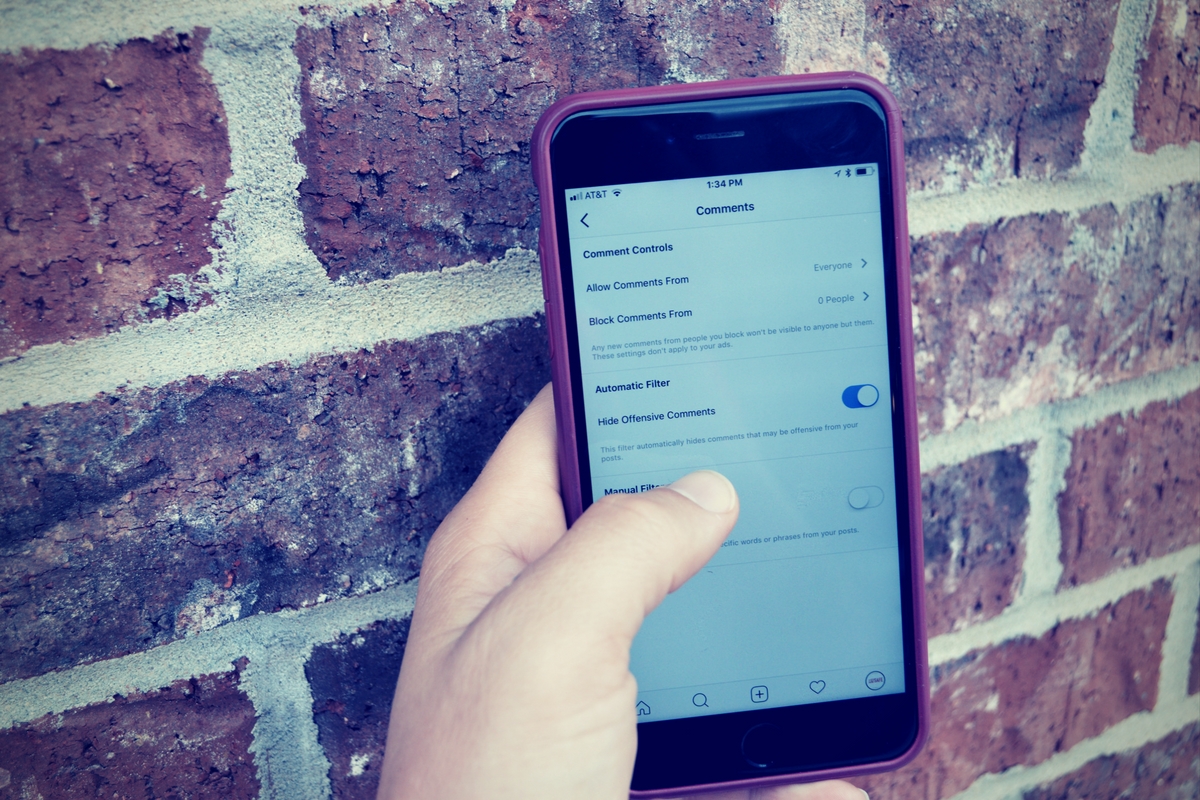
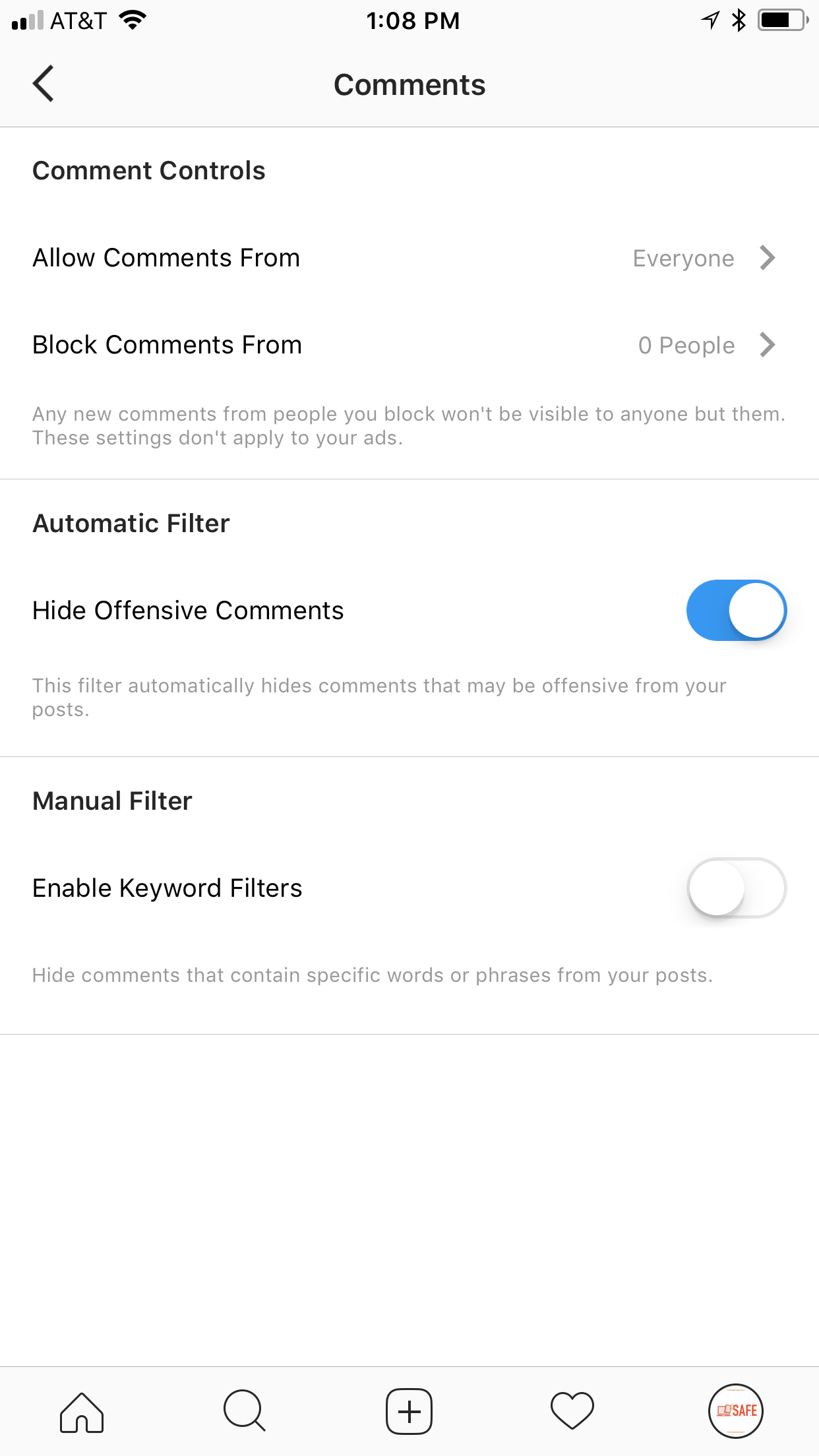
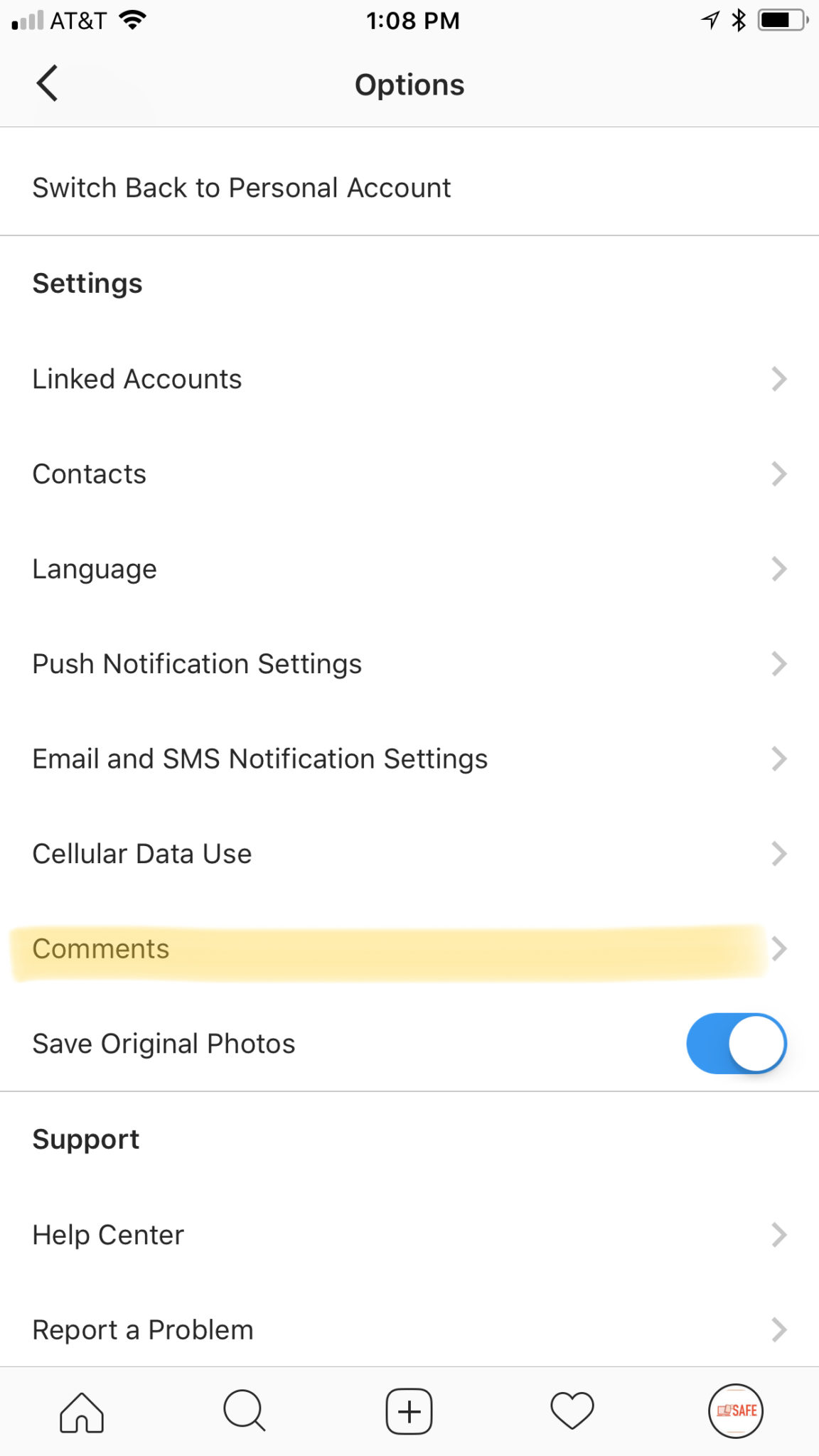
    Instagram wants you to have control over who sees what you post. They’re also giving you control over what people say about your selfies and food pics. Well, not as much what they say but who is saying it. If you are concerned about random strangers contacting your kids on Instagram through their comments section you can have them set their post comments to private. There are actually four settings, Everyone, Your Followers, People You Follow, or People You Follow and Your Followers. These settings allow you to set a smaller group of folks who can comment on your kids’ posts. This can be very helpful but only if your kid agrees with your motives. These settings aren’t password protected so they can be reset at any time. The best way to ensure they’re keeping their settings as you’d want them is to check in on who’s commenting on them. If you don’t recognize them from your child’s account then you should ask about it.

    Live Video Reporting

    Instagram has also added a reporting feature to highlight when someone may be considering self-harm or harming others while filming a live video. If the video is reported they’ll be shown a message that encourages them to reach out for help. Instagram has trained staff available 24/7 to accept messages from people who reach out via the Instagram Live reporting feature. Their hope is to give friends a way to help friends stay safe and maybe even choose to stay alive. What a great way to be encouraged that people care about you. This feature is also available on Facebook Live.

    What Parents Should Know

    Some social media sites are leaning towards the most public and open atmosphere possible (here’s looking at you Snapchat) which can be dangerous for our kids. Instagram and Facebook seem to be taking notice of our desire to keep some things private or in our chosen circle of friends. Understanding and using these features is very important for parents as we work to keep our kids safe online. Be sure to keep yourself informed.

    If you’re looking for even more info about how to protect your children online, you can contact me (Michael) about hosting a workshop to train you and your friends on family internet safety. Home workshops are free and are available all over the country through Skype. Email me at BecauseFamily@gmail.com to learn more.

  • PODCAST: Is Sarahah Meant for Your Teens?

    PODCAST: Is Sarahah Meant for Your Teens?

    Subscribe on iTunes: https://itunes.apple.com/us/podcast/family-tech-weekly/id1231177225?mt=2 

    Sarahaha is an interesting app and it’s still gaining in popularity. In this episode, Michael and Melinda discuss the appeal of Sarahaha, the meaning of the word, and what we think parents should do about it.


    Social Media Links

    Facebook: http://facebook.com/4pointfamilies

    Instagram: http://instagram.com/becausefamily

    Twitter: http://twitter.com/becausefamily

    Newsletter Signup

    Ministry Updates:: http://eepurl.com/R7Btr

    Weekly Blog Posts:: http://eepurl.com/cvnhXD

    Websites

    Ministry Site:: http://becausefamily.org

    Tech Blog:: https://safe.becausefamily.org

    Michael’s Speaking Info:: http://kmichaelprince.org

    Donate and Affiliate Links

    http://patreon.com/becausefamily

    http://BecauseFamily.org/partnership

  • Bullying in 2017

    Bullying in 2017

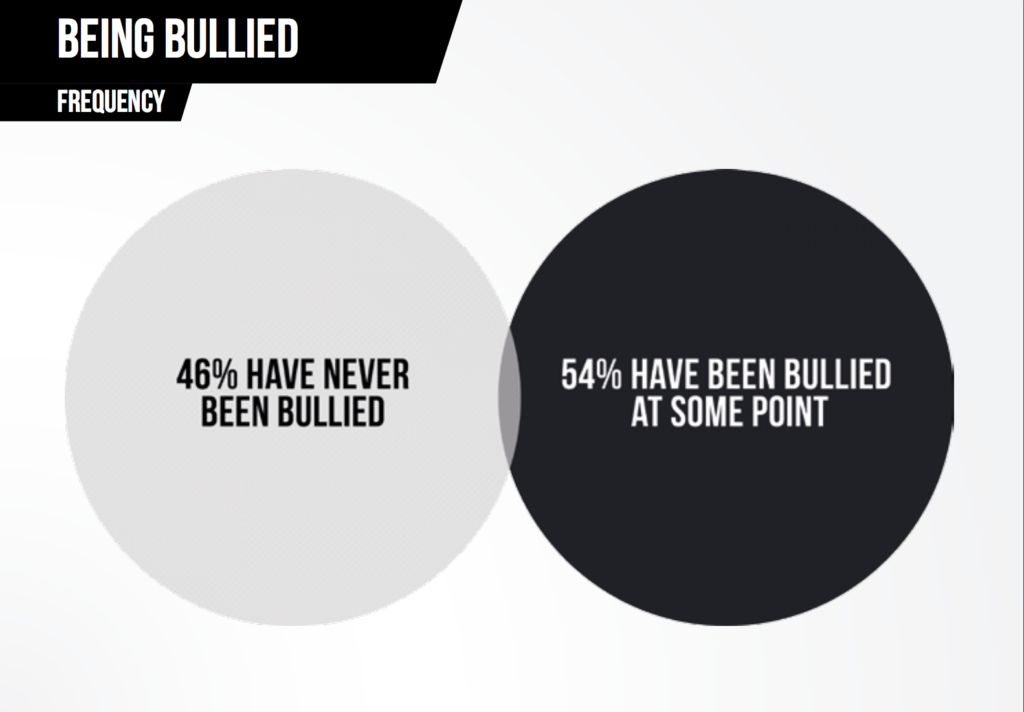
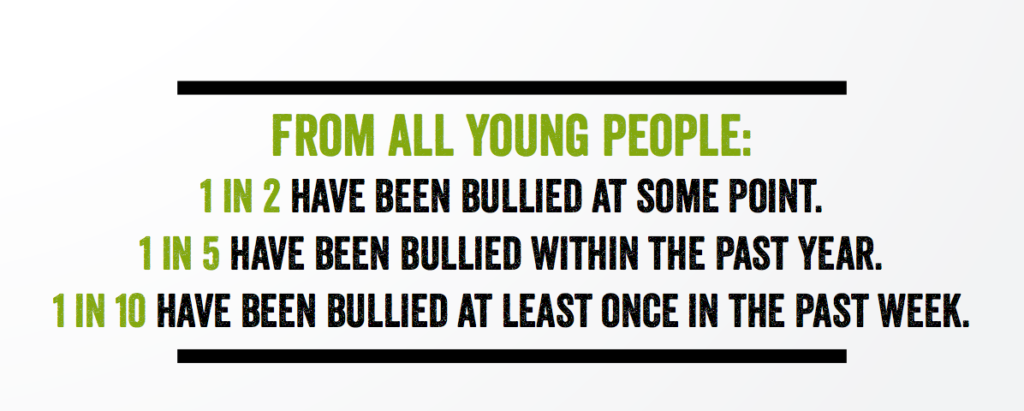
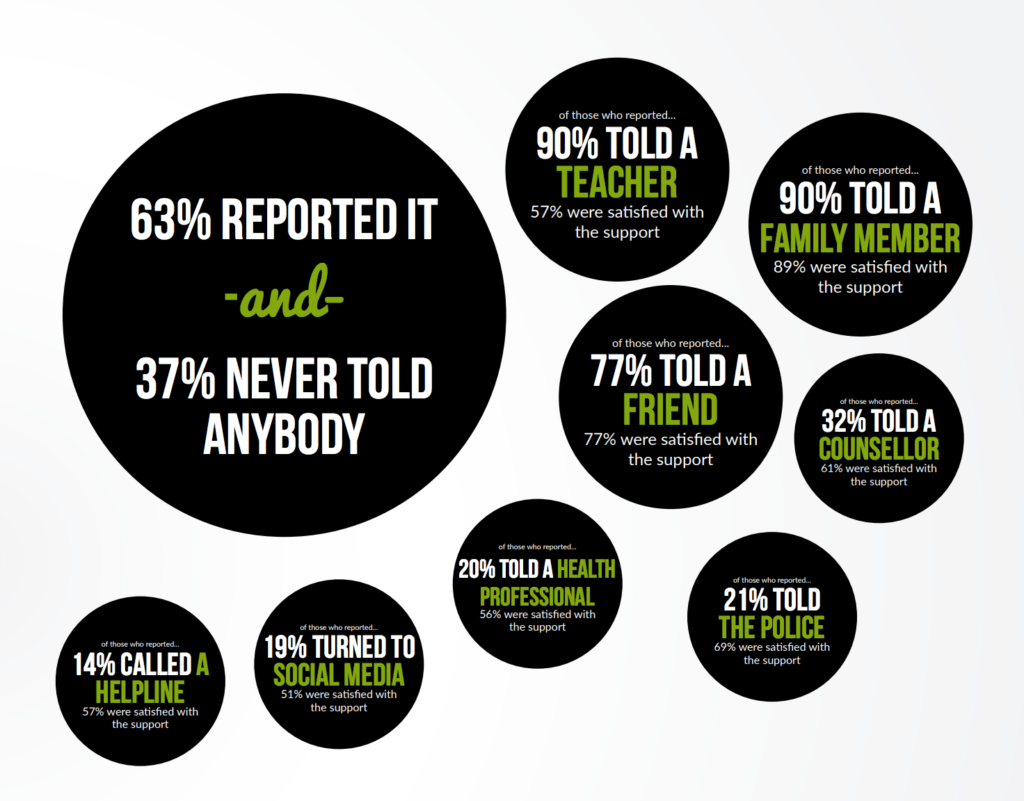
    Ditch the Label has released their annual bullying survey and the results aren’t surprising at all.  It seems that bullying is increasing and people feel more comfortable bullying online than offline. They surveyed over 10,000 people between the ages of 12 and 20. The people they surveyed all lived in the UK and could answer gender identity, race, religion, and other questions to help get information about the reasons behind bullying. You can see some screenshots of the results I found interesting below.


    Another interesting fact pulled from this study was that young people considered Instagram the most common social media site for bullying. Facebook came in a close second. The reasons for bullying varied greatly in the study with appearance and interests/hobbies being the most common and gender identity, sexuality, and religion all coming in near the bottom of the list. This is the largest study of its kind with some of the most extensive and well rounded results we’ve ever seen. This should be a great resource to parents, teachers, and school officials.

    What Parents Should Know

    I preach research and education for parents every single day. This is the kind of information parents need to be aware of. Notice that in the final screenshot about who kids went to when they were bullied, those who say they reported to a family member said they had the highest satisfaction in the support they received. Parents, aunts, uncles, grandparens, and everyone else with a family relationship to a young person need to be ready to have these conversations about bullying and how to handle it. It’s important to understand the issues facing your teens and to know how technology has escalated these issues.

    Go read up and learn all you can. You can see the entire report from Delete the Label on this PDF here.

  • Video Chatting Apps You Should Uninstall NOW

    Video Chatting Apps You Should Uninstall NOW

    Chat Roulette was a challenge that became its own website. The idea was that people could log on to the site and be connected with someone from around the world at random. The website isn’t as popular as it once was but there are many apps that simulate that experience and some of those apps are gaining popularity. Here are some of the ones climbing the app store charts. The ranking listed is for the Social Media category in the iOS App Store as of the publishing date of this article. I’ve only listed the live video or random connection chatting apps in the top fifty.

    Melon #14

    Melon is making the news as the latest video chatting fad. It connects you with new people based on social media friends and offers private messaging, video chat, and a people search feature. It’s gaining popularity and being featured in articles that are blasting it for the frequency of cyberbullying and the high concentration of males looking for girls that will do whatever they ask on camera.


    Live.Me #16

    Live.Me touts the ability to chat with stars and celebrities and broadcast to anyone all over the world. You can find anyone from anywhere or just look to see who is broadcasting around you. There is also the ability to search by topic or interest. Live.Me uses “gifts” and “diamonds” to allow you to share things with other users and even advertises the ability to “date” virtually through the app.


    Monkey #25

    I’ve written about Monkey before. This app was created by a couple of teens who dropped out of high-school to launch a tech startup. It quickly gained a reputation for having too much nudity and not taking some of the responsibility for the content found in the app. This app has been on the FamilyTechBlog uninstall list for a while now.


    MeetMe #35

    Formerly called “MyYearbook,” MeetMe is a app that advertises itself as a way to “meet new people.” The app uses your location to find people near you and information that you’ve entered to connect you with people who share your interests. It’s popular in the app store as it’s been around for quite a while and has the largest fan base. MeetMe offers private chat and video chatting as well as live video broadcasting.


    Climbing the Charts:

    YouNow #52

    Live stream video chat is pretty much all YouNow is about. You can broadcast yourself, find broadcasters, and even join the broadcast as a video guest. The app store listing calls for you to build your fanbase and become a YouNow celebrity. There are some complaints on in the reviews about accounts that have been reported for inappropriate content not being removed because they are popular on YouNow.


    CAM #56

    CAM is popular because it allows you to select the gender you’d like to chat with. It automatically connects you with someone and even automatically texts an invite to everyone on your contacts list without your permission. This practice has caused it to dip in the standings but some continue to use the app because they like the ability to chat or flirt with people they are attracted to.


    What Parents Should Know

    I don’t usually recommend any of these type of app for your teens or kids. Not only is it dangerous to connect with random people who could be broadcasting whatever they’d like for you to see. It’s also a problem because of the potential for predators. Any connection with strangers is dangerous. Some of these apps use your location to connect you and it’s therefore possible to meet people online that you may meet up with later. My advice is to uninstall any of these apps if you see them on your kids phones or tablets. There is no reason to use one of these apps to connect with friends since you can use Instagram or Facebook Messenger to do that now. Uninstall on sight.

  • Twitter Changes Settings to Combat Bullying and “Hateful Posts”

    Twitter Changes Settings to Combat Bullying and “Hateful Posts”


    Twitter is working to decrease the amount of “hate speech” that happens in their social media site. They have made it possible for victims and bystanders to report hate speech that fits the following description:

    “specific conduct that targets people on the basis of race, ethnicity, national origin, sexual orientation, gender, gender identity, religious affiliation, age, disability, or disease”

    Twitter didn’t stop there, though. They added something I’ve wanted social media to make available a long time ago. They now allow the filtering out or “Muting” of notifications that contain key words, phrases, and even emojis, that you consider offensive. While you may still see these posts in your timeline, you won’t be alerted to the post even if you are tagged in it.

    These major adjustments are seemingly more and more necessary due to the commonality of bullying on social media. Twitter has been in the news many times this year for different celebrities shutting down their Twitter accounts after being victims of racial or sexist bullying.

    Another neat thing about the new update is that hate speech reports are handled by human moderators, not algorithms. This means that each case will be handled by trained humans and not some bot that automatically shuts down an account after too many reports.

    What Parents Should Know

    This update is significant because it’s anti-hate speech and anti-cyberbullying. The way young people treat each-other online can be quite volatile. It seems that the apparent anonymity of social media gives kids a sense of invulnerability and they post whatever they think. Let’s be honest though, this isn’t just kids. These changes are happening because the problem has gotten bad enough that even some of our most loved celebrities are experiencing the backlash.

    Lets hope more and more social media sites begin to add these features. This will help us protect our kids and give them another way to protect themselves.