Tag: augmented reality

  • The State of Education Technology in 2019

    The State of Education Technology in 2019


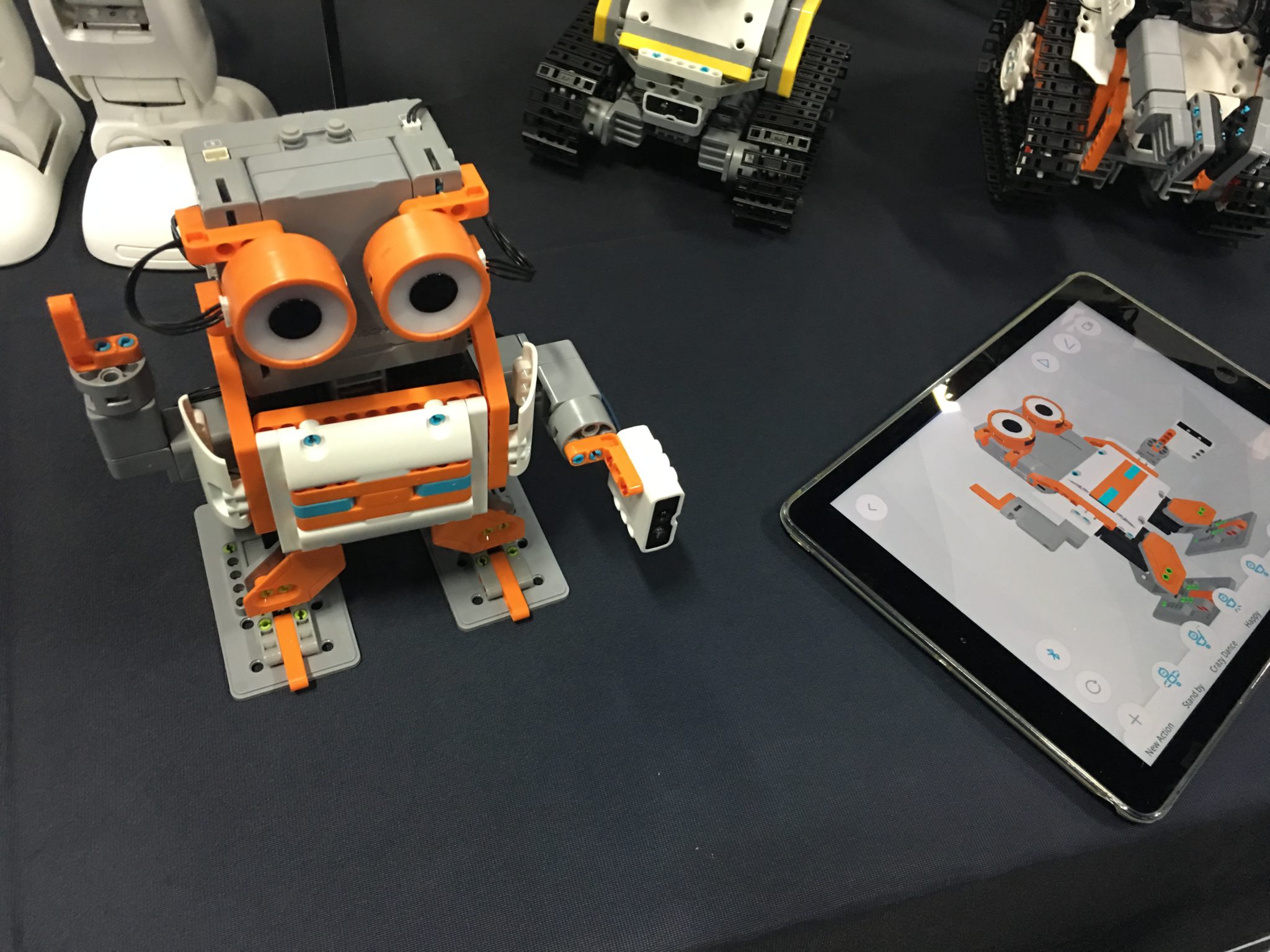
    One of the hottest topics of last year’s CES was coding education. This year was no different. From the show floor to the FamilyTech Summit ed tech was all the rage. It wasn’t limited to coding, though. There were plenty of products at CES 2019 that featured ways to teach kids how to code, use their creativity, and even build their own robots. Most of them used an app on an iPad or Android device that used Scratch or JavaScript (two coding languages) to program a toy or robot. 

    My favorite toys were the ones that didn’t use a screen to teach coding concepts. Those were a bit few and far between this year but there were some pretty fun options. Coding Critters was one that is meant to teach coding logic to pre-schoolers. There were also a few screen free products that read stories to your children. The discussion at the FamilyTechSummit featured a lot of education talk. Mostly discussing the importance of teaching coding and creativity and how robotics, engineering, and computing can strengthen those skills. 

    Botley the Screen Free Coding Ed Robot

    There were train sets that are controlled with colored tiles placed on the tracks. The set then can grow with the kids as they learn to code using the app that comes with the trains. A Harry Potter wand that teaches coding through wand gestures and behaviors was a highlight and one that my kids will love to play and learn with. As was Specdrums, a set of finger attachments that can be programed to play notes or beats based on what colors they are touching. These little toys turn your world into a musical instrument based on the code you program into the circuits.

    There were a lot of toys designed to teach circuitry and electronics. Many of these toys contain components that allow you to build on to them with your own legos and make your creations come to life by connecting circuits and coding behaviors into them. The ability to build and create on your own was a great feature of many toys at CES 2019, even taking over the coding robot trend. Building your robots, combining your creations with an augmented reality world, and even robots like Artie which let you program him to draw and create works of art. S.T.E.M. is becoming S.T.E.A.M. whether you consider art a part of engineering or something on its own, the toy industry is buying in to the ability to create while you work out the logic and mathematics required to build electronics.

    Robots, circuits, and coding aren’t the only exciting ed tech advancements. Augmented and virtual reality are getting into the game as well. This tech takes you right into the experience you’re learning about whether a science lab, outer space, under the sea, or ancient Rome. Being able to walk around in ancient cities to learn about the lives of our ancestors is remarkable and becoming more accesible to the general public and to schools all over the country.

    Ed Tech is advancing quickly and I think it’s good that it’s moving beyond teaching the same old things just on a computer. These toys are bringing new and interactive ways to learn about the topics your kids will need to understand in order to compete for that future job that doesn’t even exist yet. While it is always important to watch the amount of screen time our kids get. If we can keep the time safe, educational, and innovative, we go a long way to protecting them as we prepare them for their future.

  • Facebook Messenger Adds Augmented Reality Games as Their Browser Rises to Number Three in the U.S.

    Facebook Messenger Adds Augmented Reality Games as Their Browser Rises to Number Three in the U.S.

    Gaming in Video Chat

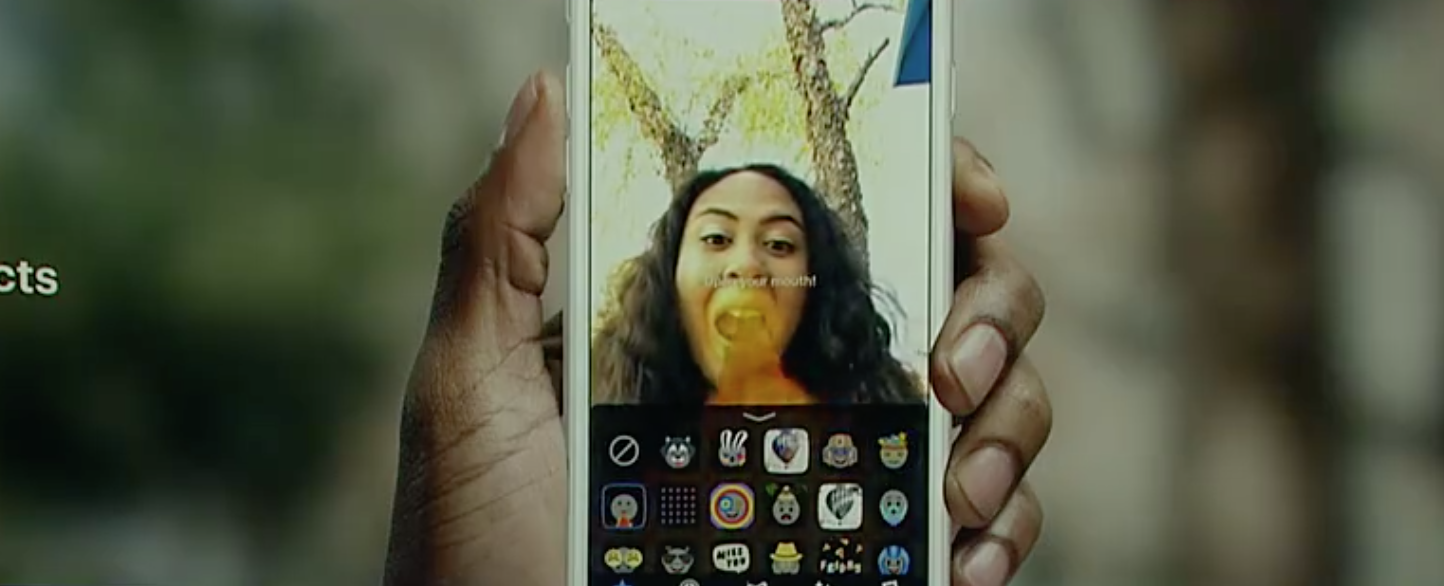
    We all love playing “Don’t Smile.” You know, it’s that game where you have to look at your friend until one of you gives in and cracks a grin. First to smile loses. That’s one of the new games offered for you and up to seven of your friends on Facebook Messenger. Except in the AR game, your face becomes a cartoon-like grin to emphasize your good sense of humor and lack of self-control. 

    Facebook is really pushing the video chatting option in their messenger app which is the number two most popular of its kind after (also owned by Facebook.) Using the camera to add graphics to your face for a game is only the beginning as they are working towards AR shopping and have already featured some augmented reality advertising. 

    Browsing the Internet on Facebook

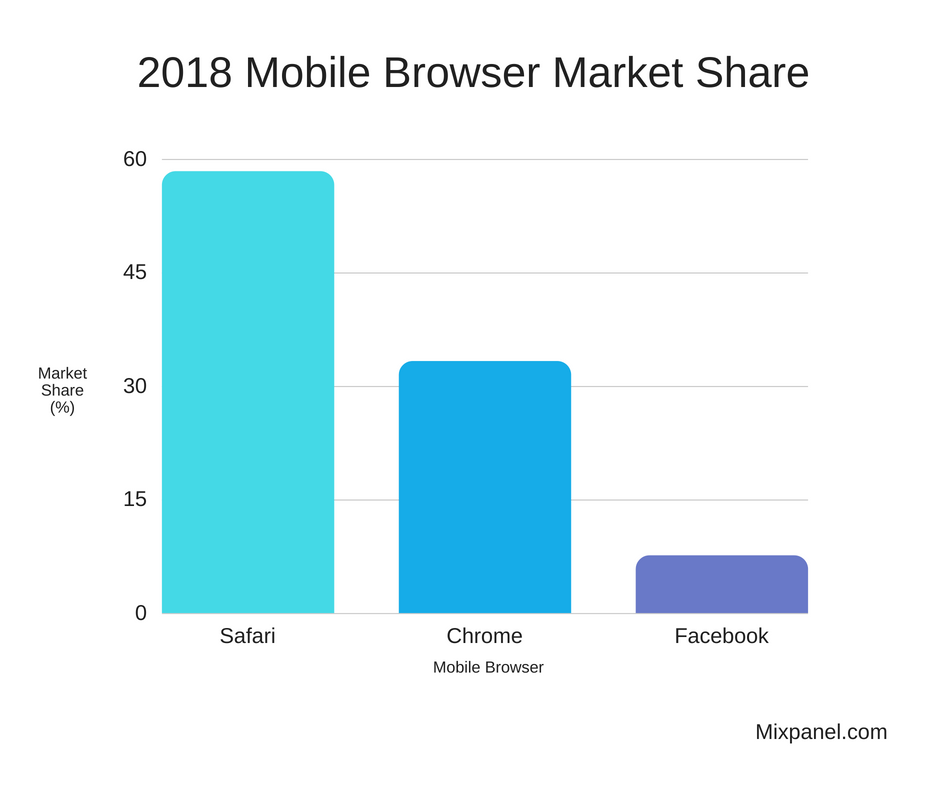
    New research from Mixpanel features Facebook as a major mobile browser competitor in the United States. While Safari (iPhone’s stock browser) and Chrome (Google’s browser offering) remain solid at the one and two spots respectively the browser inside of the Facebook app is interestingly above Firefox, Opera, or any other browser for that matter. 

    A browser is an app you use to surf the internet. One of the main reasons that Facebook’s built-in browser is gaining so many users is the fact that so many of us get our news, media, and entertainment through the social media service nowadays. When you see an article you are interested in and click on it Facebook will take you to that article without leaving the app. That’s their built-in browser. 

    While Facebook has faced scrutiny for their data handling, fake news, and other privacy issues, it is obvious that they still hold a major share of the market where social media is concerned. People are still using Facebook’s app to connect, be informed, and be entertained.

    What Parents Should Know

    Screen time management becomes harder and harder as new features are added to our kids’ favorite apps. The developers of these apps want their users to connect through their app and be as social as possible. They want their app to be the new “hangout” location for those who use their service. Parents still need to be on top of how much time our kids are spending on social media. The dangers of cyberbullying, sexting, contact with predators, and access to inappropriate content increase as our kids spend more time online. Manage their screen time and teach your older kids to have healthy screen time habits. Studies have shown that actual, physical interaction with friends is much healthier than video chat. Encourage and provide safe opportunities for this type of interaction.

    It is also important for parents to know that their kids can access the internet within their favorite social media apps. Facebook, Instagram, and Snapchat all have their own browsers and the data mentioned above highlights the popularity of the ease of use those browsers offer. What they don’t offer are content filters. If your kids can access Facebook, Instagram, or Snapchat they can access all of the internet and to my knowledge, there is no way to filter out adult content within those in-app browsers. Most parental control apps don’t control content within the browsers of social media either. This should be enough for you to only allow your kids to use these apps if they are older, haven’t had problems with accessing adult content in the past, and are mature enough to make healthy browsing choices. 

  • CES 2018: Family Tech Product Rollouts and Predictions for 2018 Tech

    CES 2018: Family Tech Product Rollouts and Predictions for 2018 Tech

    My first day at CES 2018 was kind of split into two categories. I spent the first half of my time at a press conference and a market research report. This may not sound fun to you but this information is why I’m here. There’s lots of information being shared and learned here that can benefit parents as we work to raise healthy kids in this digital culture. Along with a couple of videos, I wanted to present a simple list that will show you a little bit of what I learned here at CES on media day one.

    Day One Takeaways

    • Augmented Reality and Virtual Reality are being used for diagnosis and treatment by doctors and other healthcare providers.
    • Voice Controlled speakers were the name of the tech industry game in 2017 with a 279% increase in purchases with another 60% of growth expected in 2018.
    • 715 million connected devices are expected to be sold in 2018 to the tune of $351 billion.
    • Augmented reality will be making its way into our everyday lives with uses like shopping, gaming, and health tech.
    • Companion robots are bursting onto the scene. Used as a “family companion,” photos and video, security, speaker, entertainment, and even sleep and home health management.
    • People are more aware of how artificial intelligence (how websites and connected devices collect our data) works and getting acclimated to using it.
    • Virtual reality is becoming a real tool for the fitness and home gym industry.

    Family Tech Product Releases

    • Alexa ready baby monitor. By Project Nursery (More in videos)
    • In device augmented and virtual reality toy gun with 6 depths of field. By MERGEVR (More in videos.)
    • Jimu build and code robot. (Also in video)

    Final Thoughts

    Technology is continuing to move forward faster tthanwe can imagine. The biggest talk at this year’s CES is about voice command technology like Alexa and Google home, self-driving cars, and augmented reality content. As parents, our we should understand that our kids are going to be some of the first adopters of much of this technology and so it is important that we understand it. Kids aren’t watching content just on their televisions anymore, they aren’t having to type search terms into Google, and they are always always connected. That is what was said at day one the most, we are moving from the digital age to the connected age. You’re connected, your kids are connected, and so is everyone else so be sure to stay in the loop so that you can keep every connection safer.

    Stay tuned tomorrow for my report on day 2 of CES Media Days where I’ll talk about teen market research and more about the future of connectivity. Share this article with your friends and let them know that you’re keeping track of the latest tech trends by following FamilyTechBlog.com’s reporting on CES2018.


  • Now ANYONE Can Make a Facebook Camera Filter!

    Now ANYONE Can Make a Facebook Camera Filter!

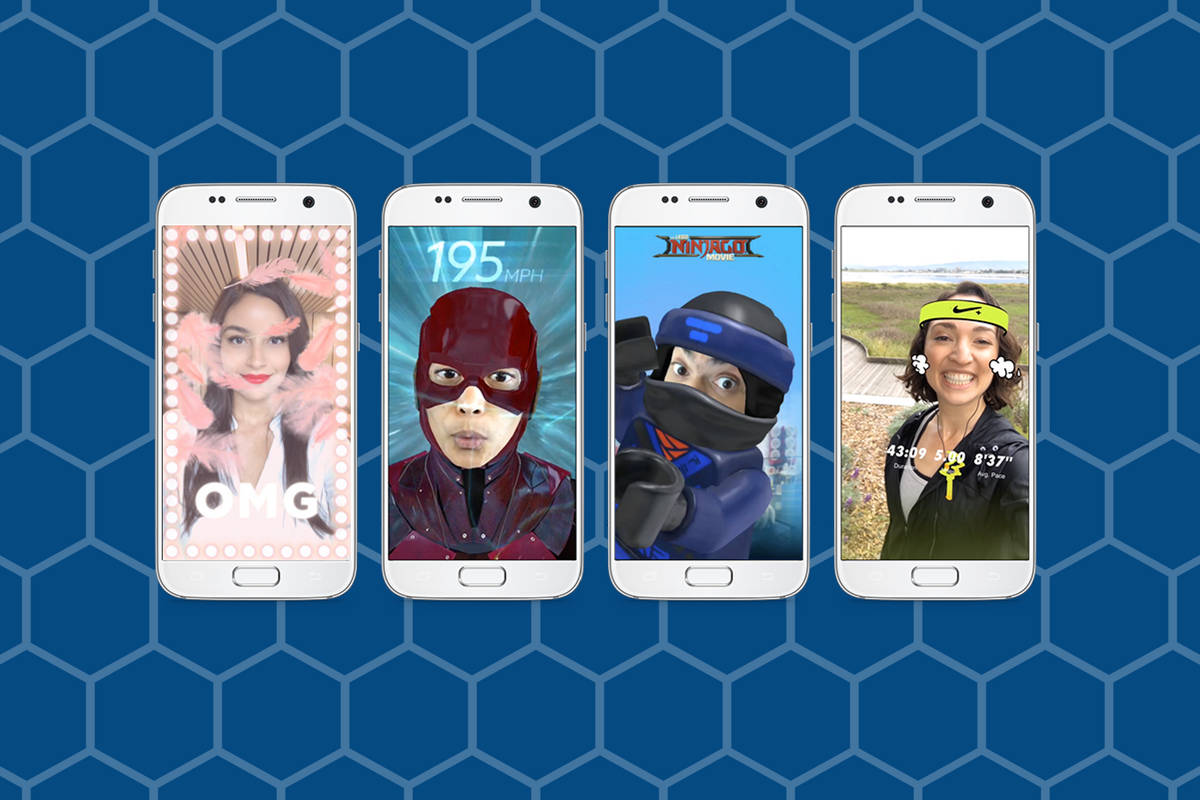
    Augmented Reality (AR) and Location Filters have become a mainstay of the social media camera. Snapchat started and Instagram, Facebook quickly followed suit, and before you know it, we’re all posting images and videos of ourselves with animated beards, mustaches, and hats. Your favorite fancy additions to your photos have always been created by select developers or advertisers so that those who run our favorite social media outlets can keep tabs on what’s being allowed on their platform. That has now, officially, changed. Facebook has opened up their public Filter and AR creator tools.

    “Starting today, we’re expanding availability of the platform and the AR Studio creative tool to everyone.” – https://www.facebook.com/FacebookforDevelopers/

    It’s truly as simple as going to the facebook developers site and downloading the AR software. Making non-AR overlays is even easier. The tool is built into the website. You simply upload your images and move them around wherever you’d like on the screen. You can use the tools to resize and edit your image as well as to remove the background so you get a transparent effect. While making a 3D mask takes some coding and design experience, making an overlay is a pretty simple process that just about anyone should be able to do.


    What Parents Should Know

    Obviously, there is no stopping the “AR train.” We all love taking photos with those crazy filters and it’s so neat to put some strange creature on your countertop and film it playing the guitar. Until now, we could trust that content being posted as filters on the Facebook camera had been created by legitimate developers and didn’t contain anything that wasn’t allowed by Facebook’s guidelines. Allowing public access to these tools basically makes filters and AR User Generated Content. I made one for FamilyTechBlog in about six minutes. There was no approval process (as far as I could tell) which leads me to believe that inappropriate content will only be identified by a “user flag and review” system. This could lead to who knows what kind of violent or adult-oriented filters showing up on our Facebook (and most likely eventually Instagram) camera.

    My advice for parents is to continue to talk to your kids about what content they use and see on their social media accounts. User Generated Content means that most of what has been posted hasn’t been edited or reviewed by anyone who can pull down non-approved posts. Algorithms and a flag system can only get so far in protecting our families from dangerous content. Parents should always be seeing what is posted by their kids and what their kids are seeing in the apps they use.


  • Interactive Advertising Coming to Snapchat

    Interactive Advertising Coming to Snapchat

    I’ve heard marketers say that it is their job to ruin everything. Well, the cameras and filters built into our favorite social media platforms are proving that. Today Snapchat announced they’re launching advertiser access to their Geo filters and camera “lenses.” This means that you can use the augmented reality settings to not just make yourself look like a puppy but also to advertise for your favorite restaurant, the latest movie coming out, or a special event.

    A few weeks ago Facebook announced that they would be opening up the lenses to more developers. This will also increase advertiser use of these products. So now Instagram, Snapchat, and Facebook will all be serving up interactive advertising to our kids.


    What Parents Should Know

    These updates are just one more way that advertising can get to our kids. We know that marketers are only after our money, that’s no surprise and should be expected. However, we have to know our kids and decide if we are OK with them being advertised to in this way.

    My advice is that parents take a look at these Geo filters and lenses and see what they could potential be advertising to your kids. Again, Snapchat is on our uninstall list and advertising is the main reason. Today’s news only strengthens that position.

  • Facebook Conference Gives Us a Sneak Peak at the Future of AR

    Facebook Conference Gives Us a Sneak Peak at the Future of AR

    Facebook is in the middle of their F8 developer conference in Santa Rosa, California. The leaders of the Facebook company are announcing and unpacking their newest features and offerings on the social media platforms they develop. The most major announcement from day 1 yesterday was the opening of a public development platform for the Facebook augmented reality camera. Here’s what that means.

    The Facebook Camera will be the first open augmented reality platform. This means that developers will be able to make animations and images that will show up on your screen. So far, these overlays have been developed only by the company that makes the social media app itself. This means that any ideas or filter concepts must come from Facebook or Snapchat only. Any advertising has to go through the process that Facebook sends advertisers through. That will no longer be the case.

    The open platform launched in closed beta yesterday, April 18. It will still be a while before we see thousands of filter options showing up on our cameras but it is absolutely coming. You can imagine companies and programmers are chomping at the proverbial bit to start putting their projects on the Facebook camera so once it is public we will see it grow very quickly. It’s going to be a good idea for parents to keep an eye on what’s available in Facebook and Instagram’s stories camera.

    What Parents Should Know

    An open platform means developers will have the tools necessary to create their own camera overlays and animations. This will, most likely, begin with licensed developers only but it probably won’t end there. Imagine anyone in the world being able to create an overlay that you can access in your Facebook or Instagram camera. This could result in  content being available that we don’t want our children to see. Please understand that these changes aren’t happening tomorrow. This is an early warning and a reminder to always keep your eyes on what’s developing on the apps your kids use.

    Conversation with your kids is important. It’s also important to keep an eye on what your kids are installing and using. I recommend following your child or teen on social media and keeping an eye on what they are posting and sharing. With their knowledge, this will allow you to be on top of any inappropriate posts that they may share. It’s also a good idea to have their passwords so that you can see what they’ve been receiving on direct message. Eventually, you’ll want to see what their most recent AR filters have been, this will only be possible by logging in to their account. Start developing the trust now so that when there is even more reason to keep an eye on things you’ll already have a habit of doing so.


  • Everyone You Know Uses Instagram Stories

    Everyone You Know Uses Instagram Stories

    There are those who made fun of Instagram for copying the Snapchat stories feature. Some of us saw it as a step towards saving Instagram from going the way of MySpace. Today, they’ve announced that the stories feature has 200 million daily users. That’s 40 million more than Snapchat announced this winter when they took their company public. To celebrate this momentous occasion they’ve added a few more features that Snapchat has had for a while. You can now add more stickers to your stories and even pin them to something in your video so they’ll move with you. They’ve also included Geostickers for several new cities.

    These stickers, no matter what social media platform they’re on, are causing a term to enter the conversation that may have some parents scratching their heads. AR. AR stands for augmented reality which is exactly what it sounds like. Using your camera, these apps view the real world and then change it in whatever way you choose. Whether it’s a dog mask that pants when you open your mouth or stickers of bunny ears to celebrate easter, AR allows you to apply animation or illustrations to your images and videos. This is a popular feature that folks have been using for a while and it’s now been spotted by advertisers as a major opportunity for promotions. That’s why you’ll see masks featuring the latest movie release or a filter that has the logo of a make up product or beverage in the corner. AR is the new Television commercial but people are actually paying attention to it. Instagram’s celebration of these numbers with more AR features is guaranteed to bring in more users and more advertisers.


    What Parents Should Know

    Your kids and teens love nothing more than making silly faces in their selfies and sharing them with their friends. It’s good fun and usually not a big deal. Obviously advertising is everywhere and it was only a matter of time (it’s already been happening for a while) until marketing companies caught on that this was the best way to gain access to young people. I would expect more and more advertisers to jump on this bandwagon in the near future. The thing for parents to keep in mind is that these social media options allow marketers to identify their niche audience more easily and reach them more frequently. They can target age groups, locations, and even specific likes and dislikes to cater their marketing for that audience. 

    AR is just where entertainment is right now for our young people. Advertisers have always looked to target them in the cheapest and most direct way possible. My advice is simply to be aware of the amount of time your kid is spending on social media. There are always dangers that we want to keep them from but, while I wouldn’t call it dangerous, the constant barrage of advertising can become worrisome for some kids. My strongest advice is for you to get an account on the social media services your children use and get to know them a little bit. At worst you’ll have to see some dumb ads and lots of dog faces, at best you could have something in common to talk with your teenager about.

  • Meet Sprinkles, Microsoft’s New Fun Camera App

    Meet Sprinkles, Microsoft’s New Fun Camera App

    Here’s what you need. You need a new camera app that will allow you to put text, stickers, and emojis on top of your photos. That’s what we all need, right? What? You already have six apps on your phone that do that? Well, nobody told Microsoft because they’ve just released their own. Ignoring the fact that they released it on April 1st (it’s still there so no, not entirely a joke) we should spend some time looking at what this app does and who the target audience is. 

    First of all it’s just a camera. This is not a photo sharing app with a built in social experience. When you take and edit your photo you can share it on any of the social media sites you have connected on your phone but there no native sharing system. The app uses a basic AI (artificial intelligence) to recommend what you could put on your picture. The choices are mostly text overlays and are based on what you took a photo of. You don’t have to post what it recommends, you can add your own text, stickers, or emojis by swiping the screen and hitting a few buttons.


    What Parents Should Know

    This app is geared toward young users. The quotes or sayings are silly and there is a high volume of illustrated overlays and emojis to chose from. This app could be a good option for kids who want to take photos and put silly stuff over the top but shouldn’t share online. Just be sure to look at the settings by clicking the gear in the top left of the camera screen. The settings will give you the option to activate or deactivate more mature overlays. (Mostly language.) You can also set the permissions it has, such as location and notifications. You can enter your name and birthdate to allow the app to recommend certain overlays on your special day or with your name on them. Remember that photos taken on this app are scanned so that overlays can be recommended. Encourage your children that even if they aren’t posting online, they don’t want to take a photo of something they don’t want anyone else to see. It is a good idea to familiarize yourself with this app if you’re going to let your younger kids use it. Take it seriously, even though it was released on April Fool’s Day.

  • The iPhone Turns 10 and a Life of Balance for Your Family

    The iPhone Turns 10 and a Life of Balance for Your Family

    I remember being 18 years old and telling my friends I’ll never have a cell phone. “I just don’t want to be reachable all the time,” I would say. “Sometimes I want to be out of pocket.” Boy did that ever change. Now, 14 years later, I’m connected to every single person I know through my phone. Since I have a smartphone, I don’t even have to call anyone anymore. Text messaging and social media are the new “real world” and we are all fully aware of how we were kidding ourselves with that self-righteous “No cell phone for me” talk.

    The iPhone turning ten years old today made me realize that many of our kids have never lived in a world without smartphone technology. Our kids are being called “digital natives.” They are comfortable in a world where all desired information is a few taps on a screen away. They can connect with the people they know without ever leaving home. They are accessible all of the time and many of them don’t know any different. As parents, how can we help our kids understand the importance of balance in an extra-digital society?

    Take Influence Seriously

    Influence is a resource. The impact we have on our children as parents is the most significant force in their lives. Even being uninvolved causes ripples in their lives, behavior, decisions, and thoughts. When it comes to technology our influence over them is just as significant as in any other area of life. Whether it’s the example we set with our tech use or the boundaries we lay out for them for theirs, we have to keep in mind the influence we are having over our kids and their use of their many mobile devices.

    As we model a life of balance our children are able to, sometimes without knowing it, have a healthy view of our technology as resources instead of a way of life. Even parents like me, who are tied to their mobile phone or laptop for work, have to make obvious and intentional decisions to separate ourselves from our tech so that we can model a life of balance for our children. A major part of why this site was started in the first place was to help parents make the most of being the first influence in the lives of their children. If our kids are seeing us tapping our tablet screen all day and that’s it, they aren’t being influenced by us in the way that will help them grow into healthy, quality adults.

    Dinnertime is FaceTime

    There are multiple studies that have been released that show the value of a family mealtime. A common recommendation is at least once a week. Schedule a day when everyone must be home for dinner. Cook or order in something and sit around the table together. Make a rule that the wifi is off or paused and phones are set on a shelf or counter somewhere to charge during the planned dinner time. You may spend the first few attempts staring at each other but it will eventually be the activity that bonds your family like no other experience can. There are even websites and apps dedicated to giving you conversation starter ideas to help you break the ice for those first few experimental attempts.

    Balance is not something you find. It’s something you create. – Jana Kingsford (MumsJugglingAct.com)

    If we are going to create balance we have to either stop living at either extreme or find a way to exist in each extreme equally. If we take the time to sit and eat a meal together as a family every day or week we can start working towards a more balanced life as a family. If we are always headed our separate ways and even our times together at home are spent using our separate devices in separate areas of our house we will continue to see ourselves grow apart. Balance is the key and a family dinnertime is a great way to start your path toward that balance of screen-time vs facetime.

    Understand that Digital is the New Reality

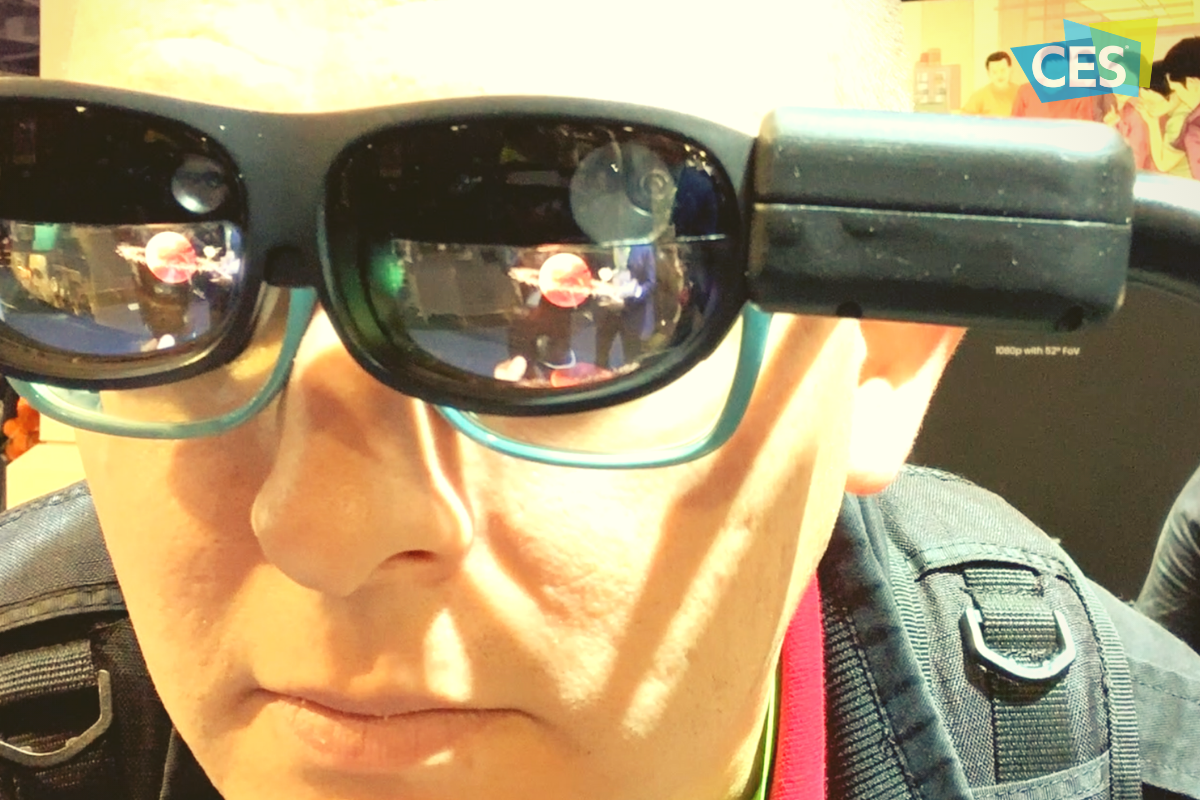
    We aren’t living in a passing phase of technology. The digital and social media culture is here to stay and is going to get even more different as the years progress. If the three days of following CES taught me anything it’s that our world is only getting more digital. With virtual and augmented reality becoming a very real option for gaming, movies, and other entertainment it’s only a matter of time until we are updating our instagram stories by hitting a button on our smart-glasses or blinking a pattern so our contacts recognize what we are trying to post. It sounds like science fiction but it’s becoming more and more a reality.

    Since this world is becoming increasingly real, we have to understand what’s happening and get on board with helping our children use these new inventions in a healthy way. We can’t blame inventors and CEOs of companies for bringing down our culture with their products when we are the ones buying them and letting our kids have full control of their usage.

    I remember being told hundreds of times that folks aren’t ever going to want to type messages on a screen. “You have to have real buttons so you can feel them. I can’t handle that touchscreen stuff.” Well, ten years after the iPhone was announced, it’s hard to find a laptop that doesn’t fold into a touchscreen tablet. We live in the future and it’s coming faster than ever. No matter how futuristic the world seems the same principles apply. Mom and dad have to be the first influence in their children’s lives. This is how we raise kids who are safe, healthy, and whole.

    Information about our work with families can be found at SAFE.BecauseFamily.org/about.