Tag: anxiety

  • Common Sense Media Releases Six Year Study on Teens and Social Media

    Common Sense Media Releases Six Year Study on Teens and Social Media

    Non-Profit research and resource organization, Common Sense Media, released their six year study of teenager’s use of social media. The survey based study polled more than a thousand teenagers from ages 13-17 and from all walks of life. Some of the results were surprising while most were exactly what you’d expect.

    In the video above, I walk through some of their findings and my thoughts on them but I’ll list some of the highlights below:
    Teens use social media now more than ever before.

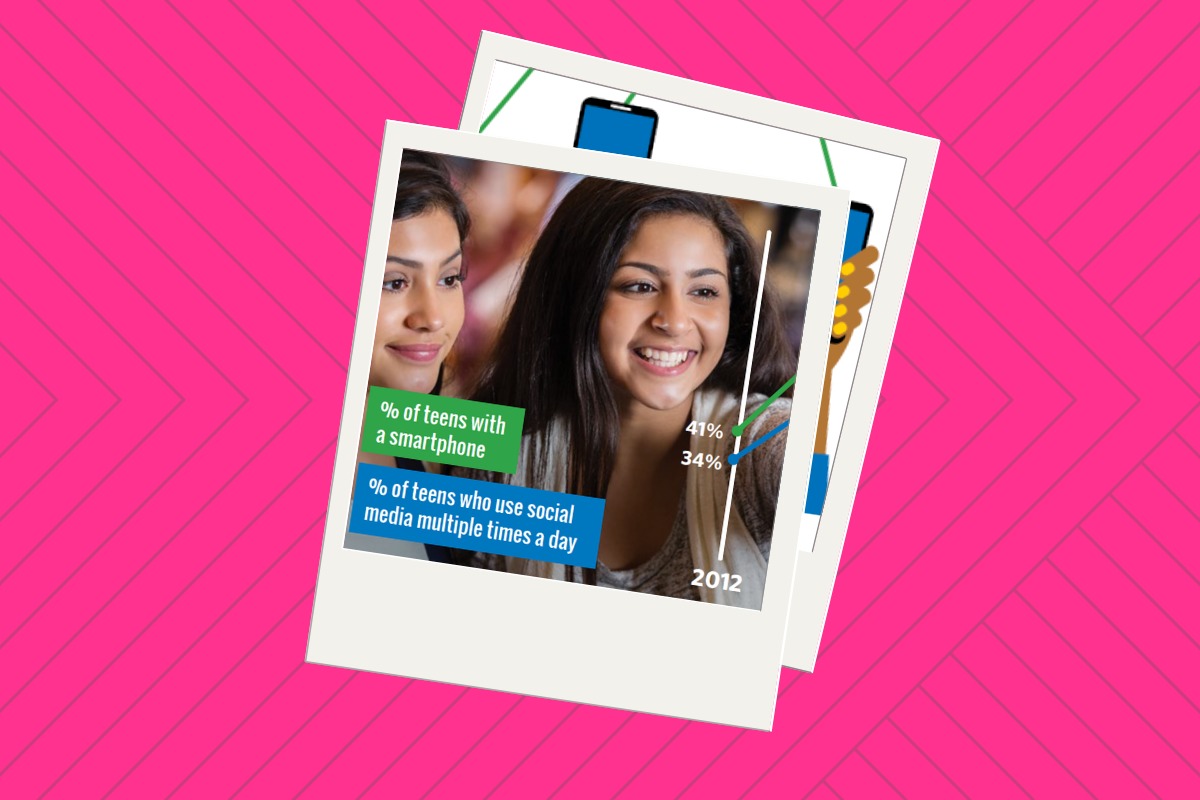
    Put this down in the not surprising category. The study found that there was a large increase in the number of teens who say they use social media in 2018 compared to 2012. Also, Facebook isn’t as commonly used by teens as it was six years ago with Snapchat and Instagram being the favorite of most of those surveyed.

    Social media is very important to most teenagers.

    Also not surprising is that many teens aren’t too good at self regulating their device usage and that many prefer social media interaction above face to face.

    Social media plays a critical role in the lives of most of those polled in this study. They agree that there are positive and negative affects but most feel that there are more benefits to their social media use than negative impacts. Those who were considered to have a low “social-emotional well being” were found to have more negative impacts from social media and most of those impacts were from bullying, racism, and sexism. Also not surprising is that many teens aren’t too good at self regulating their device usage and that many prefer social media interaction above face to face.

    Teenagers are wise to tech companies’ attempts to manipulate their users.

    A large majority of teens say that they believe tech companies manipulate their customers to encourage more device use. They admit that, sometimes because of this, they are often distracted by their devices when they should be doing something else. Many say that digital obsession is a problem for their parents as well. Also, quite an eye opening find.

    What Parents Should Know.

    Social media isn’t a phase and it is not something that you can keep your kids from forever. The most important thing is that when they begin to log in to social media accounts, they have an idea of what it means to do so safely. Model healthy social media and technology use for your children and try not to be hypocritical about your screen time limits. Talk to your kids about the time they spend online and let them know that they can come to you when something inappropriate or dangerous happens. 

    Know your child and if they seem to be the type who would be affected negatively by the use of social media then you shouldn’t allow them to use it. Encourage more face to face interaction with their friends and facilitate that with rides and your schedule. Finally, know that social media is a serious topic for your teen, a negative attitude that lacks any empathy to that fact will cause your advice to fall on deaf ears. Speak to your kids about healthy tech use and let them know this is a partnership, not a dictatorship where what you say goes and they’ll have to obey because you said so.


  • Why Your Teen Posts Her Feelings On Social Media

    Why Your Teen Posts Her Feelings On Social Media

    I’ve seen them called “vaguebook posts.” It’s the status on social media that hints at some sort of trouble or drama but doesn’t go into detail. It can be annoying to see these things on our Instagram or Facebook feeds but sometimes they’re not just cries for attention, they’re cries for help. Teens are being taught (rightfully so) that it’s better to express their feelings than to hold them inside. Studies are showing that more and more young people are admitting to having bouts with depression, anxiety, and even suicidal thoughts. Social media has become a safe place for them to express how they feel. The problem is that it can often open them up for criticism and unwanted attention. 

    The 12-month prevalence of MDEs (major depressive episodes) increased from 8.7% in 2005 to 11.3% in 2014 in adolescents and from 8.8% to 9.6% in young adults (both P < .001). – Pediatrics Journal Study

    The reasons for these increasing numbers could be related to increased awareness of the symptoms of depression but regardless of the reason, they are statistics that parents should pay attention to. Mental Health professionals are championing more awareness and openness about depression and anxiety. They agree that being outspoken about how you feel can lead to prevention, early detection, and even increase the likelihood of sufferers getting professional help. The problem, however, may be that this transparency is happening in a public forum like Social Media. This is where parents come in.

    What Parents Should Know

    I am not a psychologist  or licensed counselor. I don’t have a professional opinion on the mental health of your teenager. I do, however, have a professional opinion of their activity on Social Media. As a family internet safety expert I see parents struggle to open the lines of communications with their teens. An emotional post on social media should be seen as an open door. There is no more important thing in the life of your young adult or teenager than the ability to be transparent with you about how they feel. If they are posting on social media about depression, anxiety, and especially suicide, it’s time to bring that conversation into a face to face meeting. Posting such transparent posts (even if they’re vague) on social media opens your child up to more bullying and harassment which could be what’s contributing to the problem in the first place. They should be advised to express those thoughts vocally to someone they trust.

    My advice is to start the conversation with your child even before you see any sign of depression. Ask them how they are doing and feeling. Ask them if they feel overwhelmed and if there is anything happening in their lives that you should know about. If you are seeing true signs of these depressive episodes then don’t hesitate to seek out a licensed counselor that can mediate your discussions with your teen. The world they are growing up in is very different than it was even twenty years ago. The standards that kids are asked to live up to are higher. Criticism is more public and the media is teaching messages that conflict with what many of feel is healthy for our kids to believe. This problem is real and it isn’t going to solve itself. We, as parents, have to step up and help our teens make quality decisions when it comes to their feelings and mental health. Take the first step today. Have a conversation.


    Sign up for our email list to get our family internet safety checklist and the Safe Blog Uninstall List.

    Get Our Latest Posts in Your Inbox

    * indicates required


  • Smartphone Separation Anxiety is Actually a Thing!

    Smartphone Separation Anxiety is Actually a Thing!

    Our world is advancing rapidly towards another new technology age. With computers in our pockets all day long it was only a matter of time until we became so dependant on them that the thought of losing them is one of our greatest fears. Researchers are finding that that time has come. Results released last week from a study done by Eotvos Lorand University in Hungary shows evidence that young people suffer significant stress if they are separated from their smartphones. 

    The study was small, only testing 87 volunteers, and asked subjects to take simple math tests in a mostly empty room. Some of those who participated kept their phones, others were asked to turn theirs off, another group locked up their phones and were given someone else’s phone instead, and the final group put their smartphone in a locked cabinet and couldn’t have access to it during the entire study. The findings were pretty much what any of us would expect.

    Those who kept their phones (whether on or off) had no noticeable signs of stress about the test they were taking and the group that had someone elses phone showed a very low stress level as well. The other group (the people with their phones locked in a cabinet) showed significant heart rate fluctuations, an indicator of high stress and similar to symptoms shown by people suffering from PTSD, and tended to drift towards the cabinet their phones were locked in. The volunteers in this group were also very fidgety, scratching their faces and pacing. The researchers took these results as an indicator that there may be a very real link to smartphone separation and anxiety. 

    What Parents Should Know

    This test was a very small sample study and will likely be followed up with some more extensive research. Small as it may be, though, I think we have all either seen or experienced firsthand the symptoms of smartphone separation anxiety. I, personally, make a conscious effort to spend extensive amounts of time without my phone, just to keep from getting so attached. I still find myself reaching for it when it isn’t there. It may seem obvious but I think these tests are a good idea because we should know more about how our habits affect us. 

    As parents it is important that we understand that addiction to technology is very real. While research is only now beginning to explain what’s happening when we get hooked on our electronics, the findings are disheartening. Our brains can actually be trained to ignore stimuli that isn’t on a screen and prefer the phone, tablet, or television over a book, a real sunset, or even someone’s face. We should be aware of how much time our children are spending using their technology and work hard to teach them healthy habits. We have to set the example first, and then set boundaries that will help them understand limits, why we have them, and what happens if we ignore them.

    Use consequences that truly fit the crime for overuse of technology. If they feel a small example of that separation anxiety from being grounded from their phone for a week, you have an opportunity to help them see that their feelings of stress should be avoided and can be avoided with a more healthy attitude towards their digital lifestyle.