Category: Social Media

  • iPhone, Netflix, and Instagram are Dominating Teen’s Time Online

    iPhone, Netflix, and Instagram are Dominating Teen’s Time Online

    A new survey by research firm Piper Jaffaray called “Taking Stock with Teens” has highlighted some of the most noticeable trends in teenagers’ purchasing habits and tastes. The survey polled more than 8,000 teenagers about how they spend their money and what influences their purchase decisions. The average age of teens surveyed is 16 and the survey is done every spring and fall. The Fall 2018 survey revealed a dominating presence by iPhone, Netflix, and Instagram.

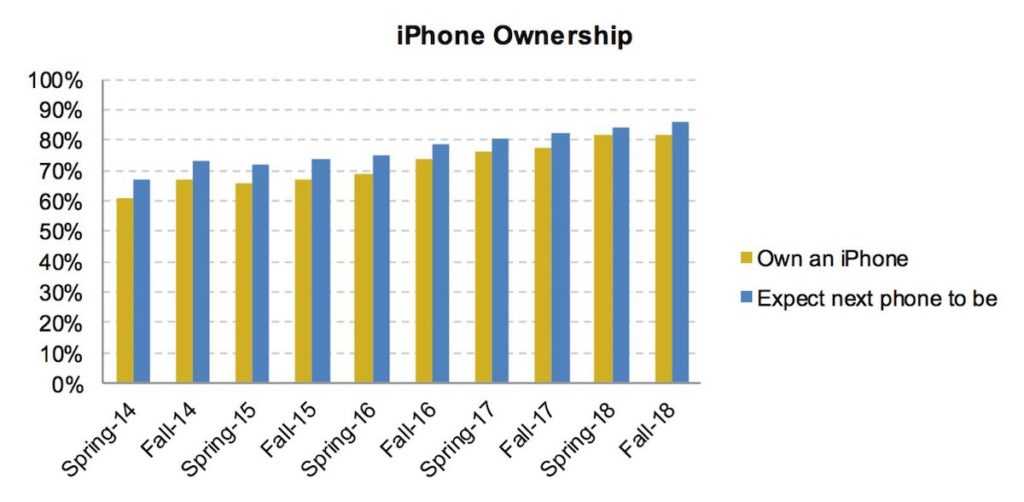
    The survey concluded that 82% of teens owned an iPhone and 86% planned to buy an iPhone for their next smartphone. The iPhone has dominated the marketshare for a while now but it’s still growing in the Teen market. Only 10% of teens said they planned to buy an Android phone. Nearly half of those surveyed said that the brand of a product had a major influence on their decision to purchase.
    Instagram is now the social media leader among teenagers passing up Snapchat and Netflix provides the most streaming video to our adolescent kids at 38% of the share vs 33% for YouTube. Other interesting info from the survey is that food is the highest budget priority for teens, they prefer to shop online, and the majority of video game purchases are now made through online download.

    What Parents Should Know

    This info is meant to help marketers plan their products and advertising campaigns but it can go a long way to help moms and dads and other guardians of kids better understand how our teenagers tick. The emphasis on the iPhone speaks to the exclusive nature of the brand, the appeal of feeling like you belong to a niche group causes kids to move towards a brand that is considered to be more premier than the rest. Instagram has passed snapchat by adding much of the features that kids loved about Snapchat without changing the core timeline of the app. Snapchat has admitted to making a mistake by altering what made their app popular with the younger crowd. After going public, Snap made decisions to buffer their ability to become a marketing destination for companies. This undermined their core fanbase of kids and teens who are more likely to skip an ad or unfollow an account that seems to be too “pitchy.”

    Netflix is now a more popular video streaming service among teens than YouTube, though not by much. The focus on original content and many of our kids’ favorite stars creating shows and movies for Netflix is driving them to use the streaming service. There has also been a surge in younger people enjoying television shows from the past twenty years or so because of Netflix’s ability to keep those shows streaming on their service. While YouTube is pushing their own TV solution, Netflix is just continuing to build upon the genres they created and it seems to be drawing in folks from most demographics.

    I want to conclude by mentioning again that kids are buying their video games through online downloads. This means that the restrictions on games have to be set digitally or your kids can buy whatever games they’d like. If you have set up their Xbox Live or Playstation accounts to make purchases then they can buy whatever games they’d like without any restriction. You have to set that up yourself. There is no longer a cashier at the store who will ask to see your kids id when they try to buy a game that is rated M for mature. It is up to you to get those settings set up.

    This data is super helpful for us, as parents, to understand our kids’ preferences and influences. Information like this can help us make quality decisions and chose the right battles when trying to protect our kids from adult content, online predators, cyberbullying, and other dangers of using the internet with no filters or boundaries. Subscribe to our newsletter, our YouTube account, our Twitter and Facebook, and to our podcast to stay in the know as to what’s happening in the digital and connected culture your kids are growing up in.


  • PODCAST: Our Top Posts from the Past Three Weeks

    PODCAST: Our Top Posts from the Past Three Weeks

    In the new iteration of the Family Tech Update Podcast, we’ll be sharing the audio from our most recent top posts. In today’s episode, we’ll be discussing Call of Duty Black Ops 4, shopping in social media, Facebook’s new touchscreen smart speaker, and new research about screens and the cognitive health of our children.

    If you enjoy this podcast please consider subscribing on iTunes and sharing it with some friends. Also, you can enter to win 6 months free with Accountable2You’s accountability software by simply EMAILING ME a question to ask on the front end of the next podcast episode.

    Enjoy!

    Music by Keven Maccloud at Incompetech.com

    Read More:

    Parent Guide: Call of Duty Black Ops 4

    Facebook Portal is a Microphone, Camera, Smart Speaker, and Screen for Your Home

    New Research Includes Screen Time Limits as Critical for Childrens’ Cognitive Health

    Instagram and Snapchat go Full Consumer Sales, Will Your Kids Migrate?


  • Facebook Portal is a Microphone, Camera, Smart Speaker, and Screen for Your Home

    Facebook Portal is a Microphone, Camera, Smart Speaker, and Screen for Your Home

    Facebook can’t stay out of the news. Going to Washington to testify about their privacy breeches, chain messages about hacked accounts, and copycats creating fake profiles to trick people’s friends. Today, the social media giant is in the the news for a different reason, they’ve released a smart speaker. Now you can keep Facebook Messenger always running in your home. Sound good?

    Facebook Portal is a touchscreen smart speaker that seems to be created mostly to keep you connected with friends and family through messenger. The camera follows your face while you chat, allowing you to walk around the room or even talk with more than one person and then zoom in to focus on one or the other. The team claims that they use a 2d tracking technology, not face id in order to locate people in the room. This is to curb possible privacy concerns when it comes to facial recognition. Portal and Portal Plus also have an on/off switch for the mic, and a privacy clip that you can attach to cover the camera lens. It’s almost like the folks at Facebook think you don’t trust them with your privacy.

    portal.facebook.com

    The smart speaker also connects to Spotify and Pandora and will use Alexa to connect to some smart home appliances and devices. You can watch videos on Facebook and Facebook Watch and they claim that more video partners are coming soon. (YouTube, Amazon Prime, and Netflix anyone?) One feature everyone thinks is neat is the ability to read stories for children through chat and use augmented reality filters to increase the fun of story time. The example used features the story of the three little pigs and not only does it progress through story artwork as you read but it puts the mask of the characters on the reader while they read that character’s lines. A fun idea to make young ones sit down and chat with grandma, gramps, or auntie for a while longer. 

    portal.facebook.com

    What Parents Should Know

    My family doesn’t have a smart speaker in our home. Not even the one Amazon made for kids. I don’t like having an “always on” microphone hanging around. I’m pretty particular with how my data is used. I don’t mind Amazon using my shopping history to recommend things for me to purchase but I’d rather they not do so using my conversations with my wife. 

    Facebook is trying to ease users minds with their privacy focus on Portal. The audio chip that hears you call the wake word (Hey Portal) is separate from the one that sends audio to Facebook and even that is encrypted end to end. (The data is scrambled up for its whole journey across the internet from your device to Facebook and then to the recipient, if applicable.) They include the clip to cover the camera and even an on/off switch to disconnect the power to the microphone and camera. 

    These devices preach a message of connection and try to focus especially on connecting with older members of your family and to your kids. We know that connection over a screen isn’t always as beneficial as face to face connection but sometimes it IS our only option. In this case, a free standing device that exists mainly just for these kinds of connections (think, telephone in the 1980s) isn’t too outside the box. Even with all of their privacy additions, though, I still have a concern about putting a device with a camera and microphone in it in my living room that was designed by and always connected to Facebook. 

  • Leaked Snapchat CEO Memo Confirms a Greater Focus on Attracting Older Users

    Leaked Snapchat CEO Memo Confirms a Greater Focus on Attracting Older Users

    The messaging app that has had a reputation, whether for better or worse, for appealing to our teens and tweens is headed towards a more adult audience. Not necessarily in content but with a renewed focus on ease of use and organization. A new memo from Snap CEO Evan Spiegel highlights some of the changes the company needs to make to the Snapchat App in order to stop losing so much money.

    Since going public, Snap has been losing money at a rapid pace. This is both due to a major change in design within the app which lead to a somewhat mass exodus and competition from Instagram and Facebook. The most recent decisions at Snap have been a greater focus on how to make more funds and attract a greater number of users. This has led to an increase in advertising and changes to the look of that app in an effort to make it more user friendly. These changes seem to have backfired. This week, Spiegel’s memo is calling for a reinvention and a call back to “the core of what made Snapchat the fastest way to communicate.” 

    Back to Basics

    The memo mentions a refocus on chat in Snapchat. Spiegel says that the redesign of Snapchat caused user’s friends to get lost in the shuffle of influencers, paid advertising, and possible new friends. The discover page became a mess of tabloid like clickbait titles and friend’s posts vying for attention. The changes were rolled out too fast with not enough testing and the response to user outcry was the typical, “you’ll get used to it” attitude that most social media companies have when they make a change. Spiegel wants Snap to lean towards helping people make meaningful connections beyond a snap streak.

    Discover and Video Success

    Snapchat is seeing great success in the amount of people who are watching videos in the app. Even original and exclusive content is seeing great growth in viewership and Snapchat wants to capitalize on that. The number of folks who read articles on Snapchat’s discover is also seeing growth. Many media outlets are using Discover as a way to reach younger readers and seeing great success. 

    Attracting Older Users

    The problem with a user base made mostly of young people is that they don’t spend a lot of money in social media apps. Because of this Spiegel says that Snapchat is going to have to find a way to attract older users to their service. That is likely what the original (albeit unsuccessful) change of interface was all about. Spiegel mentions the need to age up their advertising, emphasize the ability to communicate efficiently and quickly in the app, and make the look of Snapchat more attractive to older users. 

    The memo mentions that older users see Snapchat as a “waste of time” or more for entertainment than serious communication. A focus on older users could lead younger ones to move on to something else. Spiegel and others who have invested in Snap may not care too much who uses their product as long as they start seeing the holes in the financial dam getting plugged. 

    What Parents Should Know

    Snapchat is still one of the top social media apps for tweens and teenagers. It is also one of the most used apps for predators because of the disappearing messages. The focus on attracting older consumers is going to mix up the user base of the app to where you can pretty much guarantee your kids are on there with people much older than them. To be honest, however, the same can be said for any social media app. 

    Snapchat is on my uninstall list because of disappearing messaging as well as the discover page which is basically the tabloid magazine section at the grocery store. It features stories from sources like Seventeen magazine and Cosmo and often contain R rated material. Remember that social media apps are rated 17+, even though you can open an account at thirteen. The 13 years old number is a protection for the company because of how the government says they are supposed to handle user data of kids ages 12 and under. Any app store will give social media apps an adult rating. Yes, an app like snapchat that is known to attract kids and teens is rated for adults. That’s why parents have to be paying attention. Learn about the apps your kids use and what they are rated. Assume you’re the only one looking out for their safety online, well, besides this blog of course. 

  • Instagram and Snapchat go Full Consumer Sales, Will Your Kids Migrate?

    Instagram and Snapchat go Full Consumer Sales, Will Your Kids Migrate?

    If it seems like every time you find the social media platform you like it gets ruined by marketers and salespeople that’s because that is exactly what is happening. First it was advertising, random ads showing up in between your friend’s IG Stories about their kids and coffee shop visits, now we’re seeing actual shopping being added to social media. Snapchat and Instagram seem to be going the way of Facebook by adding ways for companies to add products to their stories so you can shop right inside the app. 

    Instagram has expanded their discover section (when you tap the search icon) to include a shopping tab. This tab will be populated with products that are relevant to your activity on Instagram and will lead you to story posts that allow you to tap on products directly to make a purchase. Snapchat is also going to be adding in-app shopping with “Collections.” Collections will show up in between your friend’s stories and on the Discover page. These posts will give you the ability to actually select items you’d like to buy from within the app.

    What Parents Should Know

    You can expect to see these new shopping features roll out on Instagram and Snapchat over the next several days. Some have already been added. Your kids will notice them too and I expect a couple of different responses. First, kids are used to being advertised to. It happens to them all day long every single day. There is advertising in social media, in their games, and between all of the YouTube videos they watch. Many kids won’t be phased and may even find some useful stuff to buy in Instagram or Snapchat. 

    Secondly, I can see kids getting annoyed with the over focus on ads and migrating to a different option for their social media experience. Many kids already enjoy messaging through ad lite options like WhatsApp and Kik. They video chat with their friends through Houseparty, WhatsApp, GroupMe, or WeChat instead of Snapchat, IG, and Facebook messenger. I imagine their social media profiles will become more of a place to present the best versions of themselves instead of where they go to mindlessly scroll a timeline and connect with friends. 

    As parents, we should always know what apps our kids are using to connect with their friends. Do these apps require age verification are the default settings open and public so that anyone on the app can contact our kids? These are the questions we have to ask ourselves and our kids when they move from one social media platform to the other. Instagram is already so full of moms and dads that many kids are setting up secret “spam” accounts to avoid their oversight. The shopping features being added could lead to more kids moving on to other apps. Keep an eye on their downloads and on this site to see what they’re downloading. 

  • iOS 12’s Screen Time App Changes Everything!| Video

    iOS 12’s Screen Time App Changes Everything!| Video

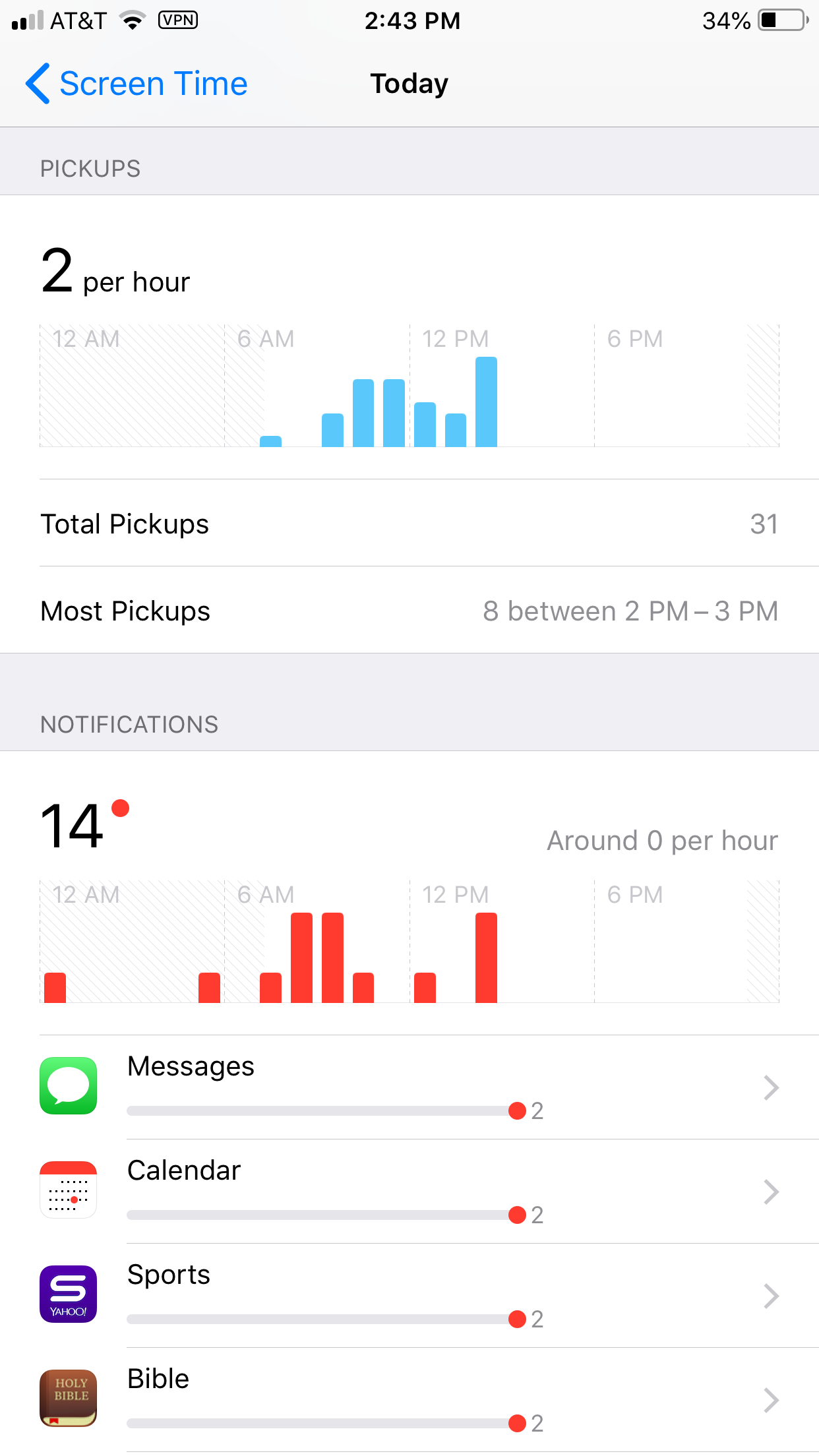
    Apple’s latest operating system is out and features something parents have needed to see for a while. Screen Time is a way to monitor the amount of time spent on your device and set limits for yourself as well. You can set limits for certain apps, schedule time off, and even check to see how often you get notifications and from what apps.

    Scheduling “Downtime” is as simple as an on and off switch but is customizable as well with the ability to set apps to “always allow” change privacy and restrictions. Yes, restrictions have been moved from their own category in the General settings to a sub category within Screen Time. Don’t worry, though. All of your screen time settings can be password protected. App usage and data can be seen without a password but settings can’t be changed unless you enter your four digit code.

    There is much more about how Screen Time works in the video above.

    What Parents Should Know

    This is one of the biggest steps toward the total parental control package built in to a phone. If the filter was a bit stronger (it can be improved through usage) it would almost have it all. I still recommend an accountability software and something to monitor messaging.

    This addition by Apple is a step towards taking responsibility for the risks and addictive nature of their products. Speaking, myself, as one who feels like I’m missing a body part when I don’t have my phone, it is really good to have a reminder of how much time we actually spend looking at our screens. Set up screen time for your kids and teach them how to be mindful of the time they spend on their devices. Set it up for yourself too and hold yourself responsible for the amount of time you spend on your devices. Lead by example and put the phone down every now and then.

  • Common Sense Media Releases Six Year Study on Teens and Social Media

    Common Sense Media Releases Six Year Study on Teens and Social Media

    Non-Profit research and resource organization, Common Sense Media, released their six year study of teenager’s use of social media. The survey based study polled more than a thousand teenagers from ages 13-17 and from all walks of life. Some of the results were surprising while most were exactly what you’d expect.

    In the video above, I walk through some of their findings and my thoughts on them but I’ll list some of the highlights below:

    Teens use social media now more than ever before.

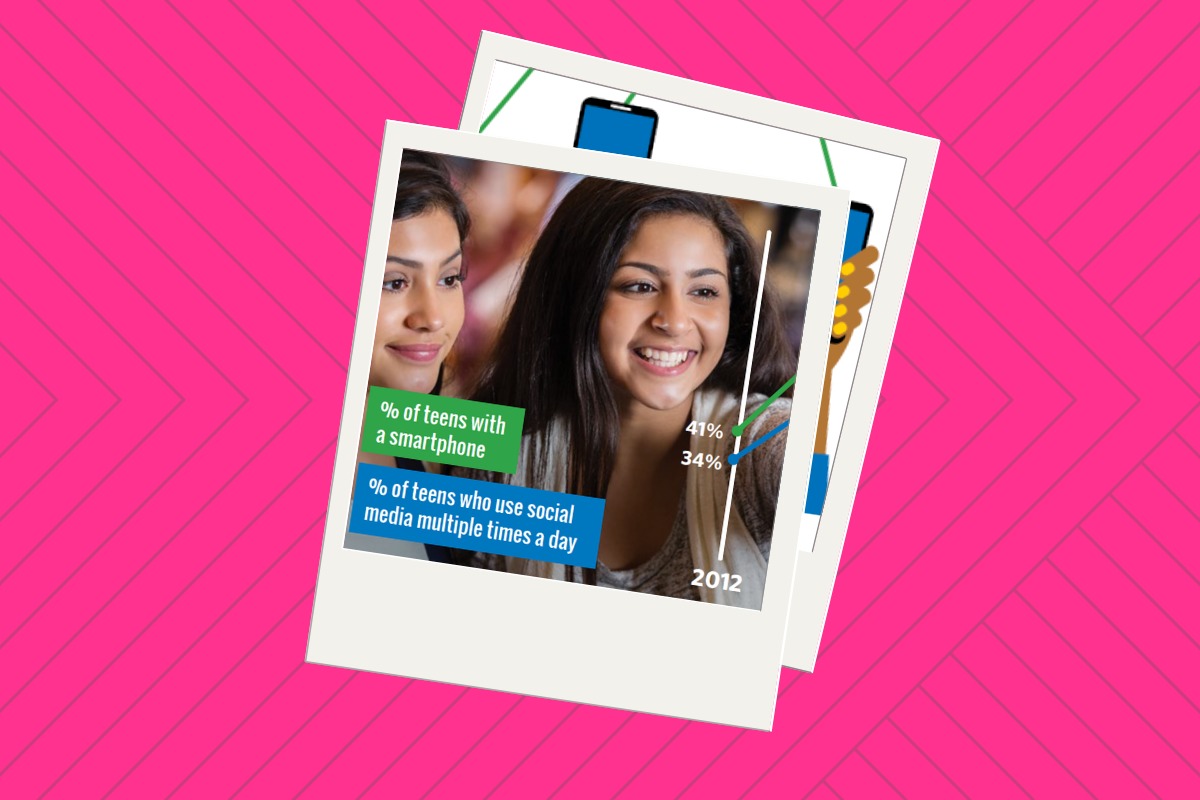
    Put this down in the not surprising category. The study found that there was a large increase in the number of teens who say they use social media in 2018 compared to 2012. Also, Facebook isn’t as commonly used by teens as it was six years ago with Snapchat and Instagram being the favorite of most of those surveyed.

    Social media is very important to most teenagers.

    Also not surprising is that many teens aren’t too good at self regulating their device usage and that many prefer social media interaction above face to face.

    Social media plays a critical role in the lives of most of those polled in this study. They agree that there are positive and negative affects but most feel that there are more benefits to their social media use than negative impacts. Those who were considered to have a low “social-emotional well being” were found to have more negative impacts from social media and most of those impacts were from bullying, racism, and sexism. Also not surprising is that many teens aren’t too good at self regulating their device usage and that many prefer social media interaction above face to face.

    Teenagers are wise to tech companies’ attempts to manipulate their users.

    A large majority of teens say that they believe tech companies manipulate their customers to encourage more device use. They admit that, sometimes because of this, they are often distracted by their devices when they should be doing something else. Many say that digital obsession is a problem for their parents as well. Also, quite an eye opening find.

    What Parents Should Know.

    Social media isn’t a phase and it is not something that you can keep your kids from forever. The most important thing is that when they begin to log in to social media accounts, they have an idea of what it means to do so safely. Model healthy social media and technology use for your children and try not to be hypocritical about your screen time limits. Talk to your kids about the time they spend online and let them know that they can come to you when something inappropriate or dangerous happens. 

    Know your child and if they seem to be the type who would be affected negatively by the use of social media then you shouldn’t allow them to use it. Encourage more face to face interaction with their friends and facilitate that with rides and your schedule. Finally, know that social media is a serious topic for your teen, a negative attitude that lacks any empathy to that fact will cause your advice to fall on deaf ears. Speak to your kids about healthy tech use and let them know this is a partnership, not a dictatorship where what you say goes and they’ll have to obey because you said so.

  • New Video Series will Help You Find Your Favorite Parental Control Software

    New Video Series will Help You Find Your Favorite Parental Control Software

    I am asked about new Parental Control software resources all the time. I always look into each one seriously and develop an opinion on them based on what they offer, how easy they are to set up, and how much they cost. I have worked with enough parents to know the barriers that they will allow to keep them from using a software so those issues are always top of mind.

    The Parental Control Research video series will be a way for me to walk parents thought my study of each parental control offering and break down their ability vs their cost to determine their value. Stay tuned to the BecauseFamily YouTube channel and this site to be updated on the weekly episodes of Parental Control Research with Michael.

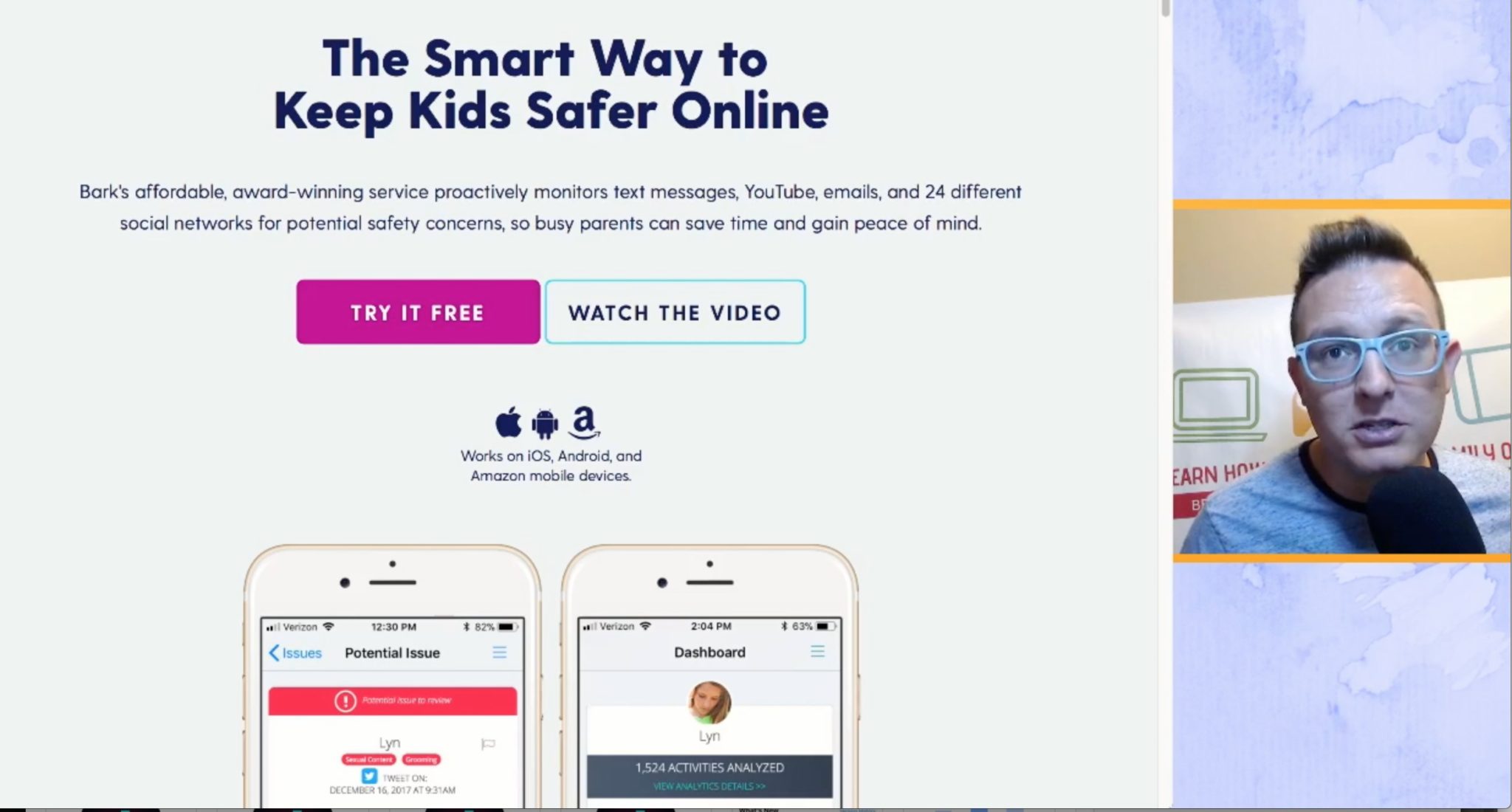
    Episode 1 Features BARK, an algorithm based monitoring software made to keep tabs on what your kids are communicating about in messaging and on social media. I find it to be a simple setup, and an even simpler system to use since it is based on reporting to you, not you going to check the data. 

    You can use our affiliate link to sign up for BARK here. Thank you for reading FamilyTechBlog and for subscribing to our YouTube channel. Think of another software you’d like me to check out? Comment below and I’ll get right on it. We’re doing our best to keep your kids safe by educating you on what’s going on in the online world. 

  • FB Messenger Kids Will Allow Your Child to Send Friend Requests

    FB Messenger Kids Will Allow Your Child to Send Friend Requests

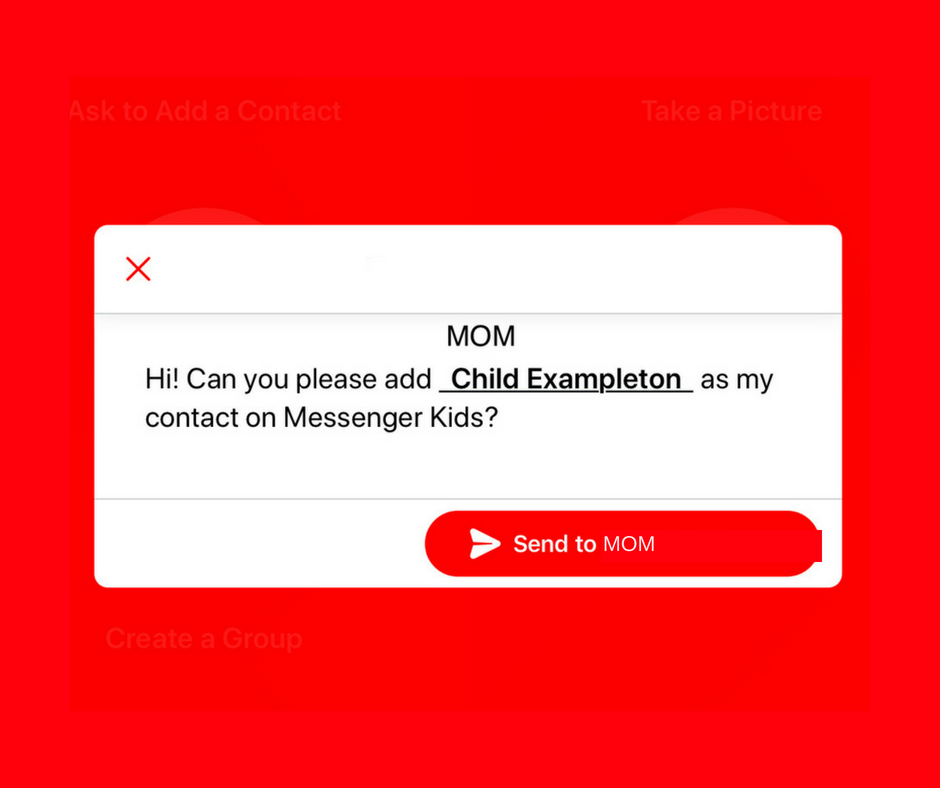
    A parent controlled messenger was the dream of the FB Messenger Kids team when they created their app. They could be finding it a bit tricky to balance the security parents want with the ease of use kids need. Now a code will be available to help your kids identify themselves in the Messenger Kids app. This is a code they can use to send a friend request to other users. Parents will still receive permission requests but it will save the trouble of having to search for the potential contact’s parent’s FB account and send a request.

    Obviously, this method will only work for friends who already use FB Messenger Kids. The code is also an “opt-in” feature, meaning parents will have to turn it on in their own Facebook app for their kids to receive the four-word identifier. The video above features a quick walkthrough of how to turn it on. You can also set up bedtimes in the Messenger Kids controls on your Facebook app’s settings page. 

    What Parents Should Know

    The addition of bedtime settings is a great option for parents whose kids use FB Messenger. The jury is still out on the identifier code, though. It is intended to make adding friends easier but it remains to be seen if that will be the case. Asking your kids to remember their code so they can tell their friends is a bit reminiscent of phone numbers from our own childhoods. If they don’t know their friend’s code, they’ll still receive an option to ask parents to connect them, simply by name. 

    I always recommend limiting screen time for your kids, especially time on social media. The FB Messenger app is still one of the best, most secure options for your kids to keep in touch with friends and family. The stickers, challenges, video chat, and built-in AR games make it a lot of fun albeit easy to throw a lot of time into. This is why the bedtime and screen time limits are so important. 

  • Facebook Messenger Adds Augmented Reality Games as Their Browser Rises to Number Three in the U.S.

    Facebook Messenger Adds Augmented Reality Games as Their Browser Rises to Number Three in the U.S.

    Gaming in Video Chat

    We all love playing “Don’t Smile.” You know, it’s that game where you have to look at your friend until one of you gives in and cracks a grin. First to smile loses. That’s one of the new games offered for you and up to seven of your friends on Facebook Messenger. Except in the AR game, your face becomes a cartoon-like grin to emphasize your good sense of humor and lack of self-control. 

    Facebook is really pushing the video chatting option in their messenger app which is the number two most popular of its kind after (also owned by Facebook.) Using the camera to add graphics to your face for a game is only the beginning as they are working towards AR shopping and have already featured some augmented reality advertising. 

    Browsing the Internet on Facebook

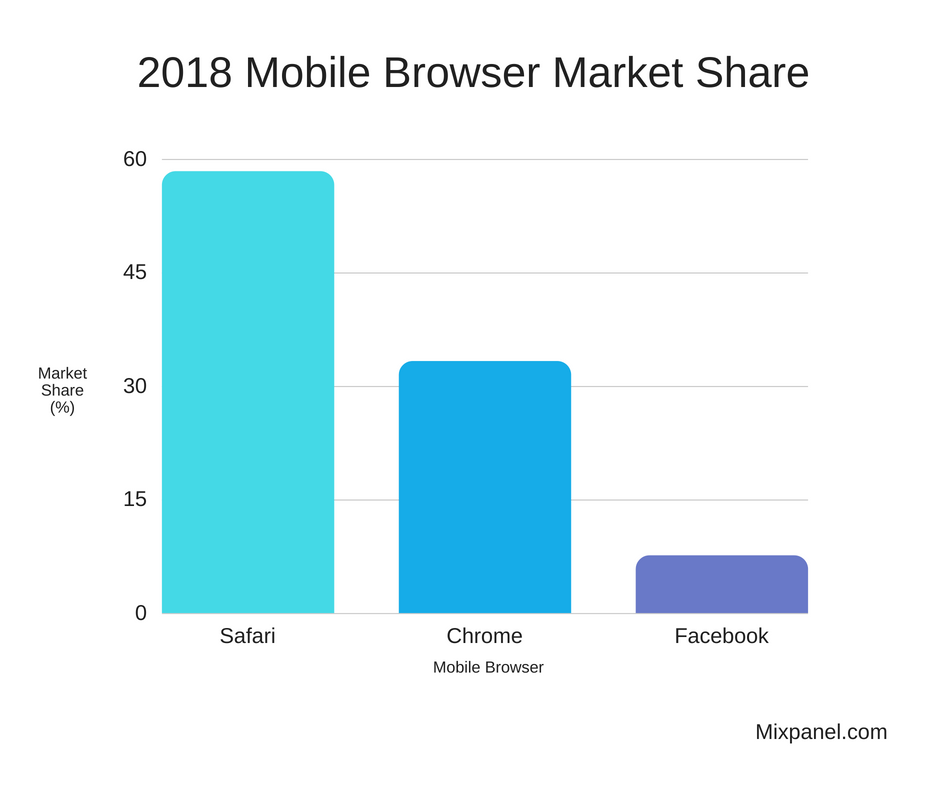
    New research from Mixpanel features Facebook as a major mobile browser competitor in the United States. While Safari (iPhone’s stock browser) and Chrome (Google’s browser offering) remain solid at the one and two spots respectively the browser inside of the Facebook app is interestingly above Firefox, Opera, or any other browser for that matter. 

    A browser is an app you use to surf the internet. One of the main reasons that Facebook’s built-in browser is gaining so many users is the fact that so many of us get our news, media, and entertainment through the social media service nowadays. When you see an article you are interested in and click on it Facebook will take you to that article without leaving the app. That’s their built-in browser. 

    While Facebook has faced scrutiny for their data handling, fake news, and other privacy issues, it is obvious that they still hold a major share of the market where social media is concerned. People are still using Facebook’s app to connect, be informed, and be entertained.

    What Parents Should Know

    Screen time management becomes harder and harder as new features are added to our kids’ favorite apps. The developers of these apps want their users to connect through their app and be as social as possible. They want their app to be the new “hangout” location for those who use their service. Parents still need to be on top of how much time our kids are spending on social media. The dangers of cyberbullying, sexting, contact with predators, and access to inappropriate content increase as our kids spend more time online. Manage their screen time and teach your older kids to have healthy screen time habits. Studies have shown that actual, physical interaction with friends is much healthier than video chat. Encourage and provide safe opportunities for this type of interaction.

    It is also important for parents to know that their kids can access the internet within their favorite social media apps. Facebook, Instagram, and Snapchat all have their own browsers and the data mentioned above highlights the popularity of the ease of use those browsers offer. What they don’t offer are content filters. If your kids can access Facebook, Instagram, or Snapchat they can access all of the internet and to my knowledge, there is no way to filter out adult content within those in-app browsers. Most parental control apps don’t control content within the browsers of social media either. This should be enough for you to only allow your kids to use these apps if they are older, haven’t had problems with accessing adult content in the past, and are mature enough to make healthy browsing choices.