Category: Security

  • Google Has Proof they’re Finally Taking App Store Security Seriously

    Google Has Proof they’re Finally Taking App Store Security Seriously

    The Google Play app store has been known to be a bit of the wild wild west. There were copycat apps, apps with adult content, and apps with malware or spyware. Google now has some proof that they’ve been hard at work putting an end to all of the nonsense. In a recent report, Google said they removed more than 700,000 malicious apps last year. That’s 70% more than they removed in 2016. They say that most of the removed apps were copycats and many contained pornography or extreme violence, both of which are against the Play store policies. Most importantly of all, of the apps that were removed, 90% were rejected before they even made it to the store. This means they were never able to deceive users.

    This is very good news for Android users. It means that Google’s algorithms, AI, and “machine learning, techniques are working well and keeping apps that could put your security at risk from ever being installed on your phone. The openness of Google’s play store was always a major reason I wouldn’t own an Android phone. This update, as I said, is proof of how serious Google is taking security. There is still, however, a major risk associated with the use of an Android phone. It is a popular reason some folks prefer Android even though it is against their recommended usage policies. No matter how secure the Google Play store becomes, you aren’t protected if you are downloading apps and other files from other sites and apps. “Sideloading” apps is not recommended by Google and can put your security at risk.

    What Parents Should Know

    I spoke with a mom of a young teenager a few months ago about some strange stats on her monitoring software on his Android phone. It turns out, while she had turned off app downloads to keep him from installing adult apps or time wasters, he had been finding other ways to install apps on his phone. The Google Play Store removing unsecured and malicious apps can keep your kids safe from some of the dangers out there but if they are installing apps in other ways, you’ve lost all confidence that they’re protected. You should have some sort of monitoring software installed. Use something like unGlue, Accountable2You, or Circle to monitor what your kids are doing on their phones and keep an eye out for apps that don’t seem legit.

    A good way to know if they are sideloading apps is by looking for the term “APK Installer” in their recent activity. If you have the phone set to ask for permission or to disallow app installation and you see the “APK Installer” running, they may be sideloading. My advice is to keep an eye out for this and if you see it, ask them about what apps they are using. Maybe even have a look at what is installed on their phone. If you don’t recognize the app, do some research and uninstall it if you don’t approve. Most importantly, talk to your child about the importance of only downloading approved apps from the Google Play store. Let them know is as much about internet privacy and security as it is keeping them away from inappropriate content. Google is doing their part by monitoring and managing their app store, you can do yours as a parent by keeping an eye on what your kids are using on their Android device. 
     

  • Google’s “Be Internet Awesome” Wants to Help Kids, Teachers, and Parents with Digital Citizenship

    Google’s “Be Internet Awesome” Wants to Help Kids, Teachers, and Parents with Digital Citizenship

    More than three-quarters of school-aged kids in the United States use the internet every week. Much of that online time, for seventy-nine percent of kids, is spent on a smartphone. Much of that time is also spent at school. Kids curriculum is increasingly web-based and school is even issuing computers to kids younger and younger. The internet has long been a place for kids and teenagers to find entertainment and now with the necessity for online activity for school work screen time and global communication among our young ones is on the rise. This has been a cause for concern among parents, teachers, and school administrators alike. Google wants to help parents, teachers, and kids understand what a healthy attitude towards internet activity looks like. While at CES I was able to hear representatives from Google explain Be Internet Awesome and how it was developed. I thought it would be a great resource for parents and teachers alike.

    INTERLAND

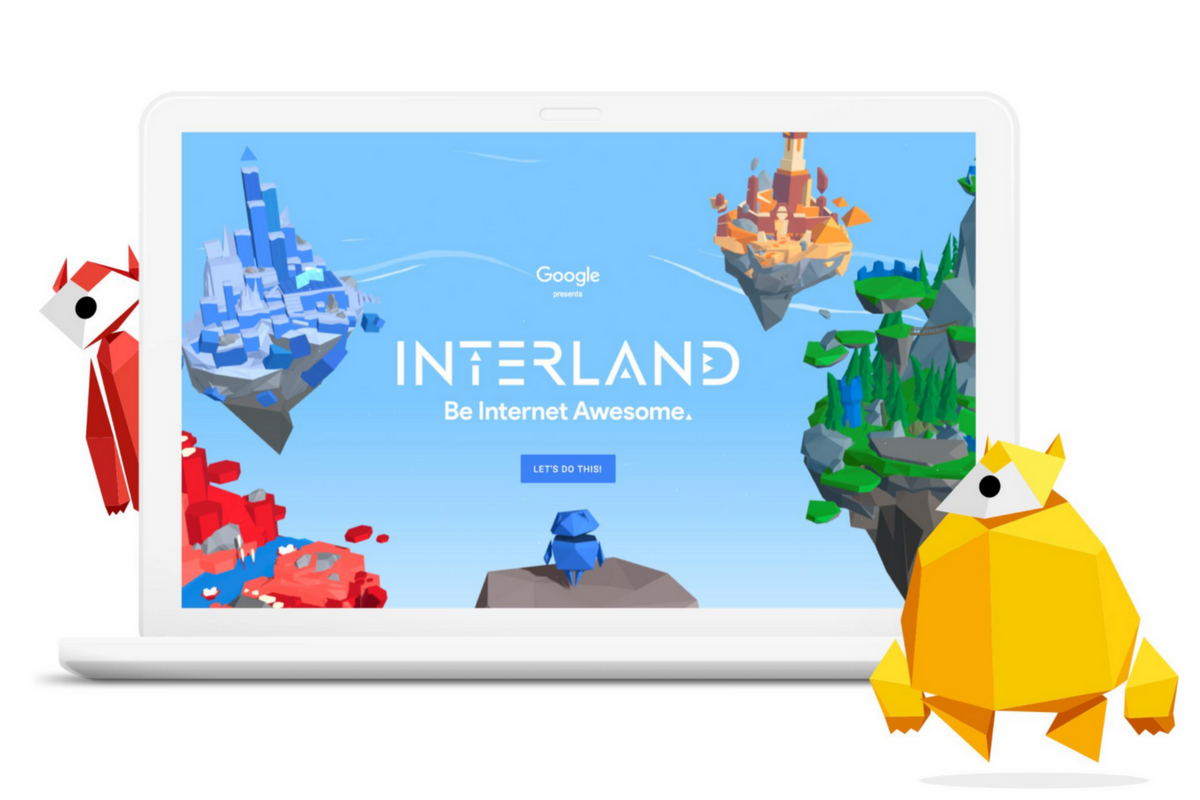
    “Kids can play their way to being Internet Awesome with Interland, an online adventure that puts the key lessons of digital safety into hands-on practice with four challenging games.” – beinternetawesome.withgoogle.com

    Interland is a gamified way of teaching kids internet safety and digital citizenship. You make your way through different levels that focus on different categories of your online life. You “report” cyberbullies and share kind words with online “friends.” The game is split into zones, Reality River is where you learn to recognize what’s real and what’s fake online, “Mindful Mountain” is where you learn how to think before you share online, “Tower of Treasure” will teach you how to secure your online activity with strong passwords and secure behavior, and finally “Kind Kingdom” is where you’re able to report those cyberbullies and speak kindly to friends you find online. 

    The games are fun and the characters are silly. The questions seem to be common sense but I know adults who, based on their social media behavior, probably wouldn’t score 10 out of 10. These games have good graphics and audio and they’re a simple and fun way to introduce your kids or students to proper online behavior.

    Curriculum

    The 5 part Be Internet Awesome curriculum is made for parents or educators to help kids go even deeper in their understanding of how to be secure, kind, and mindful when on the internet. By having kids analyze mock social media feeds and behavior they get a chance to think about what they learn about a person based on what they post online. Receiving fake phishing and spam messages allow kids to see what those messages look like and identify and report them easily. Recognizing bullies and how to report them is taught through group activities and clear, understandable definitions. Finally, the free 48 page PDF Curriculum, emphasizes the importance of finding an adult and talking about what they’ve experienced online.

    Pledge

    Finally, the pledge allows kids, teachers, and parents to summarize and agree to their stance on digital citizenship. This allows parents and teachers to get the whole family or class on the same page and hold each other accountable. A pledge is a good way to reemphasize what has been learned and highlight the importance of their commitment to be the best version of themselves online that they can be.

    What Parents Should Know

    I recommend you use this game and curriculum in your home if you haven’t already. Help your kids understand the dangers and concerns with the amount of time they spend online and encourage them to use their time as wisely as possible. Google has created a helpful and free tool for you as a parent or teacher to use and download as often as you need to. I say take advantage of it. If your family, like ours, has some specific rules about how you use the internet, interject them into this curriculum, using Google’s offering as a foundation for your internet safety plan and contract. Our kids will be spending more and more time on the internet as they grow. It’s important that their parents first, model proper citizenship for them, and second, take advantage of whatever resources we can to teach them how to treat themselves, their information, and others with respect on the internet.

  • Android FamilyLink is A Great Parental Control Solution, Albeit with One Major Flaw.

    Android FamilyLink is A Great Parental Control Solution, Albeit with One Major Flaw.

    I had the privilege to hear Saurabh Sharma – Sr. Product Manager with Google, speak on the abilities and development of Android’s parental control solution, FamilyLink. He covered many of the trends they were seeing in kids and families and how those stats encouraged their team to implement some full device control features on the monitoring system. As you can see in the video above, there are some pretty neat features in FamilyLink, including the ability to lock an entire device, not just the data connection. Also, time management and scheduling is a major part of the FamilyLink features. One of the coolest features spoken about at CES was the ability to use Google Home to control FamilyLink. Voice command was all the rage at CES2018 and Google’s parental control apps were no exception.

    The app on kids’ devices allows them to see exactly what their parents are seeing. App usage stats, app blocking, bedtime and offtime, and setting the Google’s content filter, “SafeSearch.” While the SafeSearch filter isn’t the most extensive and customizable content management tool, it is a good start, especially for your younger children.

    One Major Flaw

    When FamilyLink was announced ten months ago my first question was, “Can our kids use this on the older phones we’ve handed down to them?”  The answer is listed in the fine print on the Google FamilyLink homepage: “*Children can run Family Link on Android devices running Nougat (7.0) and higher, along with certain Marshmallow (6.1) devices listed in our FAQ.” This was immediately a problem for me since I know many families who use their older Android phones as the solution for their kids. It’s always been pretty easy to just hand down your phone to your kids when you get a new one. While there are many internet safety options available for Android, nothing works as well as an app developed by the same people who made your operating system.

    After hearing Saurabh Sharma talk about FamilyLink, I followed him out of the room as he headed towards his next meeting and I asked him about the possibility of making FamilyLink backward compatible with older phones. He replied: Making FamilyLink backward compatible is a “difficult problem but one we are committed to trying to solve.” So there you have it. While it’s understandably not an easy thing to fix, we are assured that it is on the team’s radar and something they’re working towards.

    Apple’s iOS has had native parental controls for a long time now. They’re pretty effective but haven’t been updated over the last several operating system upgrades. Hopefully, some time management and monitoring options can be added soon. Thankfully there are apps like Accountable2You and UnGlue to help with some of those needs. 


  • CES 2018: Here’s What Marketing Researchers are Saying About Your Teenagers

    CES 2018: Here’s What Marketing Researchers are Saying About Your Teenagers

    Karen Rampacher and Kathy Sheehan from the market and user experience research firm GfK spoke about the changing culture of one of the newest most powerful buying groups. This group is teens and young adults ages 15-24 and they’re calling them Generation NOW. GfK studies the trends of buyers of all ages but they’ve been doing it so long that they can compare different age groups from different eras and track the differences. Here is what they’re saying about your older teens.

    Who is GenNow?

    GenNow is a major market for businesses and advertisers with $830 billion spent by them or on them. They are digital from birth (digital natives) and don’t have to spend much time getting to know devices and screens. Interestingly they don’t define themselves by their ability to use tech but feel as if it’s something everyone can do now, no big deal. In fact, they don’t really worry too much about how they define themselves at all. The research has shown that they aren’t concerned as much about “standing out” as they are being true to their own identity. Identity brings up a whole new set of issues for marketers, who consider the self-identification of the Now Generation to be a puzzle that they have to solve. This age group’s interest in social justice and equality surpasses any generation before them and they are content to just let people be who they have decided they want to be. They are also less likely to reach the traditional “adulthood milestones” as early as their predecessors. Things, like getting married, having children, moving away from home, and starting a lifelong career, aren’t less important but have been placed on the backburner for most of this group.

    GenNow and Advertising

    The question of for the meeting I attended was: “How do you market to a group like Generation Now?” The answers may surprise you. First of all the data suggests that, while this younger generation is most likely to adopt new tech, they’re more concerned about their privacy and security than generations before them. They know what data is being collected, who is collecting it, and what it’s being used for. Sometimes they’re ok with it and sometimes they aren’t. A recent mistake by Netflix on Twitter shows that this generation isn’t going to ignore an inappropriate use of their data. This generation understands artificial intelligence to some degree and they aren’t afraid of it. They are, however, smart enough to disapprove of a misuse of their own info and invasion of their privacy.

    More interesting data suggested that some in this group may never enter a retail store. They purchase things online and trust user/peer reviews to help them determine what they’d like to buy. They value convenience and there’s nothing less convenient than having to go to a store to buy a pair of pants.

    As far as how they consume media, things are changing but not in the ways many have expected. Yes, more kids are viewing streaming media but they haven’t necessarily lost interest in the traditional TV. 85% of Gen Now polled admitted that watching TV makes them happy. They usually define TV, however, as anything you watch on a television. Many even label watching content on any device as TV. Streaming, DVD/BluRay movies, and gaming all fall into the “TV” category for most of the Gen Nowers polled by GfK.

    The amount of content watched was no surprise with an average of 29 hours per week being consumed. More than three-quarters of those polled admitted to binge-watching their favorite shows. (Binge watching is defined as watching three or more episodes of a show in one sitting.) Most of them are watching content on “ad-free environments.” Netflix, Hulu, Youtube Red, and other paid streaming services keep them from having to watch commercials.

    Media companies have answered with short “six-second” adverts that even run alongside live events like sports games and concerts. Product integration or product placement has also become a very important thing for advertisers. Think, Eggo waffles in Stranger Things. Finally, marketers are having to be more careful about how they use the data they collect from this generation’s online and social media activity. They have to prove that they’re not being “creepy” and that the information is being used to bring value and not inconvenience.

    What Parents Should Know

    Obviously, all of the information in this post falls into the category of things parents should know. To summarize, Generation Now is bringing some interesting challenges for marketers and corporations as well as for parents. Moms and dads should take heed of some of the trends this research has found. Use this information to help you build your strategy for internet safety, security, and health.

    As for advertising you’ve probably already noticed short social media videos and posts being used to promote various products. You’ll also see social media influencers being used more and more by companies to review and sponsor their offerings. Your child’s favorite YouTuber or Instagram influencer will be trying out products on their channels and accounts in no time.

    The advertising world is always working as hard as they can to reach our kids with their message. It is important for us as parents to understand the message we want to convey to our kids and retrofit the message that the media is telling them to fit our standards. That’s why this blog is here, to teach you how to do exactly that.

  • Soon, All Tech Will Know Your Face…Get Used to It!

    Soon, All Tech Will Know Your Face…Get Used to It!

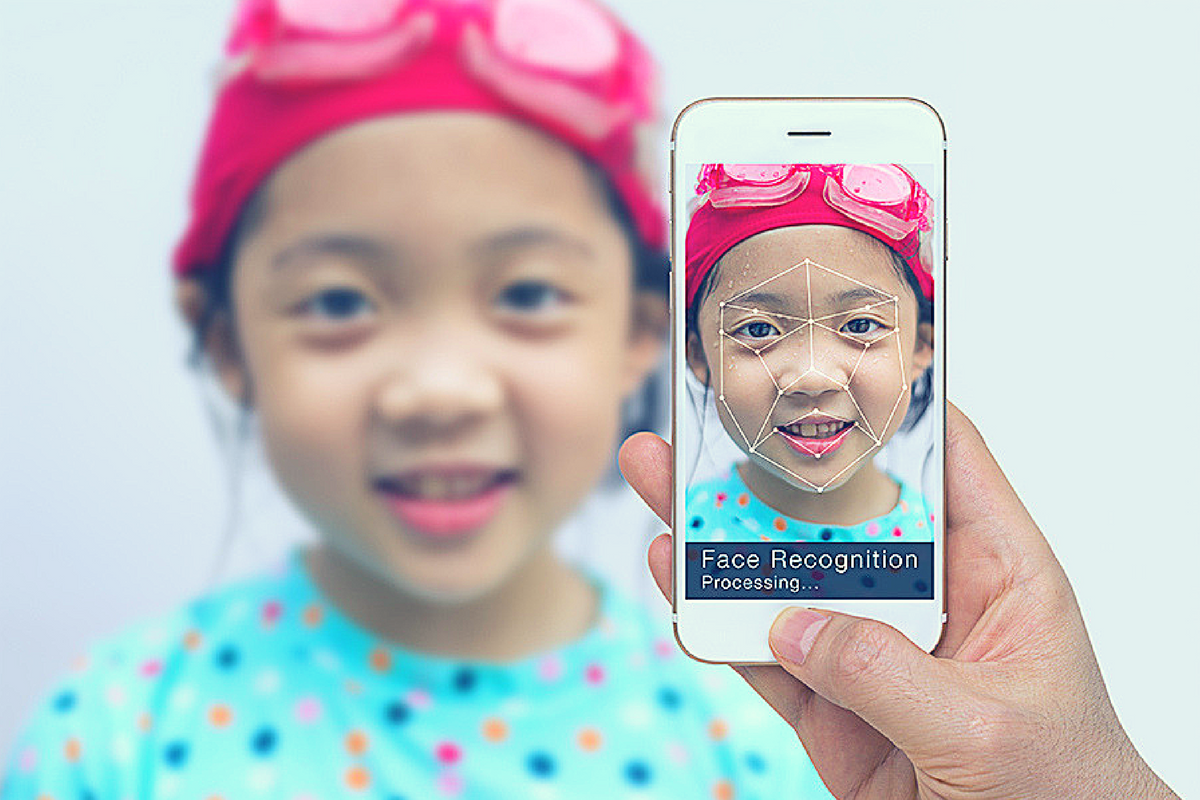
    Facial recognition is one of the hot-button topics of 2017. iPhone is featuring it now, several social media platforms have been using it for a while to help you tag your friends in photos. In fact, Facebook has just announced how they’re using facial recognition to help the blind learn more about photos on their timeline. Artificial intelligence in our social media timeline tells us what images and posts we want to see first, it identifies who is in our photos, it even decides what ads we will be most likely to click on. Social media isn’t the end of facial recognition AI, though. As I prepare to head to Las Vegas for the Consumer Electronics Show (thank you, by the way, your readership of this blog made that possible) I see more and more smart-home and gaming tech using facial recognition for their main functionality.

    Security

    The application of facial recognition in security tech should be pretty obvious. Amazon has a camera that you mount outside your door that will only allow approved delivery people into your home to drop off your packages. Smart security tech will use motion sensors and facial recognition to identify who enters a room and determine if they belong or not. If you aren’t approved, an alert goes to the homeowner and they can decide to alert the authorities or not based on seeing the picture that the security device took of you.

    Smart Home Tech

    Smart home technology isn’t early market anymore, it’s actually becoming more of a mainstay in the American household. People are calling out to Alexa, Google, and even Cortana more an more every day. The latest technology will be featuring the ability to recognize you and adjust the “settings” of your home accordingly. Think lights dimmed, music on to your playlists, coffee part started, and your tv turned on to your favorite channel. Most of the latest smart home tools are putting cameras on their devices and making facial recognition standard in their algorithms. That means that more and more “affordable” or “budget” devices will be scanning your face. When you pay less for similar tech, what you usually save money on is the privacy and security side of things. You have to be careful to understand the security settings and privacy policies of any “smart” device you purchase.

    What Parents Should Know

    Every single new tech development has the challenge of balancing convenience and progressiveness with security and privacy. Having your lights come on because a device saw your face walk into a room sounds like a really convenient thing. Being alerted by Facebook when someone uploads a picture of you is a great idea. It can help you keep photos you don’t like of yourself off of the internet or just help you make sure you are tagged in the photo you’re in. If all of these new technologies can ensure that your identity is secure then it’s a great way to use the latest developments to add convenience to your life. 

    My advice with the newest releases is always to wait a while. Let the lawsuits and hackers do what they will before you own one of the devices and your personal data is in jeopardy. Once it’s been out for a while then maybe integrate it into your life, but only if you know how to set it up and secure it properly.

  • Why the Repeal of Net Neutrality Matters to Every Parent

    Why the Repeal of Net Neutrality Matters to Every Parent

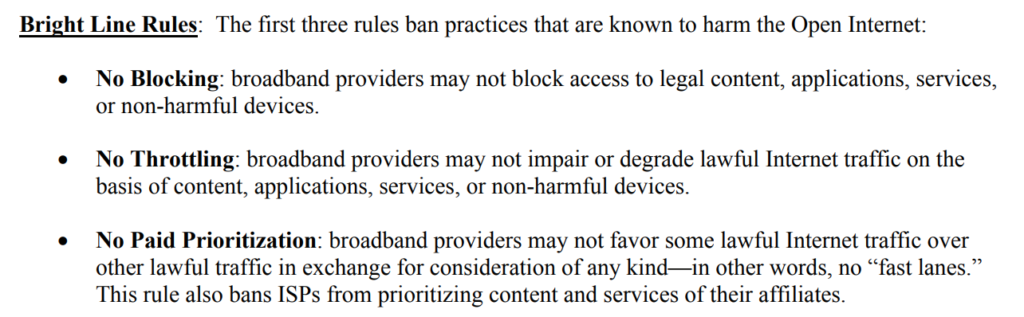
    Today, the FCC voted to repeal the net-neutrality rules that made access to the internet a Title 2 utility for consumers. This categorization, among other things, allowed the government to keep companies from denying, slowing, or charging extra for access to the internet and the content on the internet because it was considered a public right. The repeal removes those regulations and may allow companies to prioritize the content you can access based on their profit margin. The fears outlined by many non-profits, senators, online content creators, and companies that have taken action against this repeal include speed throttling, site blocking, loss of innovation, and a general prioritization of access by internet service providers.

    Supporters of the repeal have said that government oversight isn’t necessary to maintain a free and open internet and that the free market will keep companies from resorting to these feared measures in order to increase profits and popularity. They state that the internet was free and open before the 2015 Net Neutrality measures were passed and that it will continue to stay open after it’s repealed. 


    Screenshot from the 2015 FCC Net Neutrality Press Release

    What does (could) it mean?

    It may not mean a lot right away but it could eventually mean higher prices for internet use and a sort of “cable tv style” bundling of internet access. It could also mean a more difficult (or maybe even impossible) road to success for creative internet and software startups.

    Imagine, for example, that Spotify is getting started and it’s catching on with music fans. Then, imagine that Comast (everyone’s favorite ISP to hate) starts their own music streaming service because they see the opportunity to increase revenue. Since Comcast wants to be more successful they will have to come up with anything they can to attract more customers than Spotify. This may include slowing down data access to you while you’re streaming music through Spotify. Eventually, you may get annoyed enough to switch to Comcast’s own music streaming service simply because there are fewer interruptions in streaming. Spotify eventually fails because their users can’t get the access necessary to help the company succeed. Next Comcast makes their music service only available if you are a Comcast customer. What do you do then? Switch ISPs because the services you feel are most important to you are only available if you use them to provide you with your internet service? Finally, their prices can rise and rise because more people are using Comcast based on the fact that their favorite internet content has now become inaccessible on any other ISP. There is no more competition.

    I’ll give you that this is a worse case, distant future scenario, but if you look at Cable and Sattelite TV it doesn’t seem that far-fetched. Under Net Neutrality, Comcast, Time Warner, or anyone else for that matter aren’t allowed to throttle down internet speeds to certain sites and services. They definitely can’t block access to the sites you want to visit. They aren’t allowed to bundle websites into different cost packages either. This means you can use whatever streaming service and websites you like best and not have to worry about access being slowed or blocked. You can imagine why a small, non-profit, tech safety website startup might be a little concerned about ISPs getting full control of an audiences internet access. Net Neutrality puts access to the internet in a category similar to electricity and water. Access to these necessities is considered a basic right and the companies that profit from these resources are only allowed to operate in a way that allows equal and fair access to all users. 

    Why does it matter to parents?

    It matters to you as a parent because you want more people innovation online. You want services like Mobicip, Accountable2You, and Unglue to be able to create their products to help your family be smarter and safer online. If the only way to be successful online is to become affiliated with a major corporation or to pay that corporation to be included in their access package, many of the newest most helpful resources for parents wouldn’t exist. Again, I’m against fear tactics and panicking but I encourage you, as a parent who is concerned for their child’s safety online, to speak out. Contact your congresspeople and tell them you support Net Neutrality. The vote is over but the battle is not. Lawsuits and petitions are already beginning to be filed and you’ll be hearing about this issue for a while.

    I don’t like to spend much time talking about political issues but this could, eventually, affect this blog and our work for families in a serious way so I had to say something. Thank you, now back to your regularly scheduled internet safety blog posts.

  • Instagram Update Could Open the Door for Porn and Predators

    Instagram Update Could Open the Door for Porn and Predators

    Instagram has just released an update that adds the ability to follow hashtags. This feature allows you to keep tabs on interests or events that you’re interested in without having to search for the tag every few minutes. It’s easy to follow a hashtag. Just search for the tag and then a follow button appears with the results. Or you can click on a hashtag in a post or story and then click follow when that result appears. From then on the hashtag will show up in your instagram timeline just like the people you follow. When you are done seeing everything posted under that tag appear in your Instagram feed, you can just go back to the hashtag search result and tap “Unfollow.”


    What Parents Should Know

    Being able to follow hashtags has been a “thing” for a while now on Twitter. It has long been a way for events or products to feature themselves and allow attendees or fans to keep up with what’s going on. The problem with our kids blindly following hashtags is the potential for other users to abuse the tag and use it to get attention on their content. Some of that content may not be very wholesome. Pornography is fairly easy to access on Instagram if your kids know where to look. The potential for these adult-oriented posts to add a non-related hashtag so that followers will see their content is cause for concern.

    Imagine your teen follows #pokemon on Instagram. All someone would have to do is put the #pokemon tag on their innapropriate photo and it would, likely, show up on your his Instagram feed.

    Also, sharing the hashtag for an event you’re currently attending is, in essence, the same as sharing your location information. If you kids are sharing a Prom Night hashtag, then whoever wants to can follow that hashtag and see all the activity and who knows what plans could come from that. Unfortunately, with every great new feature, there seems to be a new danger that accompanies it. My advice is to encourage your kids to post with hashtags after an event has ended. Kind of like posting the memories of the event instead of live-photo-blogging every little thing they’re currently doing. Including where they’re headed next. You don’t have to have too big of an imagination to think of some ways that could be dangerous.

  • Amazon for Teens will Teach Your Kids to Shop with Them

    Amazon for Teens will Teach Your Kids to Shop with Them

    Amazon has launched a new service that will allow you to set up a dedicated login for your teenager so that they can shop on the Amazon app. The goal is, first of all, to give parents a way to allow their kids more freedom to shop for things they’d like online while providing some realistic boundaries. It’s most likely, also, a great way to get your kid used to just buying whatever they need on the Amazon app.

    Amazon for Teens will allow your children to shop on the Amazon app and make purchases for themselves. You have the option to allow them to shop for whatever they’d like with a budget that you set or ask permission for every item they select to buy. If you choose the budget option you will have access to their purchase history and be able to cancel a purchase or request a return. So far there is no way to have teens use their own money within your family account. Currently, all shopping is done with a shared credit/bank card.

    The service is available to set up for your kids’ ages 13-17. They’ll be able to select whatever items they’d like to purchase and attach a note for you. You will be notified when they’ve made a purchase and you have 30 minutes to cancel the order if you don’t approve. Of course, if you’ve set it up to ask permission you’ll be able to approve or deny the order before it’s completed. Also, the default privacy settings will hide parent’s purchase history and credit card information.

    What Parents Should Know

    Amazon.com/teen is a way for Amazon to introduce your teen to their shopping app. For some, this may seem like a great way to teach your kids about finances and shopping. For others, there’s an obvious stench of commercialism and consumerism. If you’re so inclined, Amazon Prime for Teens seems to have a pretty good handle on what parents need to feel confident that their teens can shop on their own. In fact, they claim they used focus groups of parents in order to help them create the service.

    I say that if you’re going to use this service, be sure to keep the default settings to not allow your credit card and purchase info to be shared. I also think it will be even better when you’re able to set an Amazon Prime exclusive allowance for them to use with this service. Boundaries are the key to allowing your teenager to have independence while keeping them safe from their inability to make quality and safe decisions. Amazon for Teens could provide the exact boundaries you’re looking for to keep from having to order those new boots for the coming fall weather while making sure she orders the ones that are on sale.

  • Families Receive Threatening Messages after Iowa School Network Hacked

    Families Receive Threatening Messages after Iowa School Network Hacked

    A school district in Iowa canceled a day of classes after a network breach allowed hackers to send hateful messages to families from the public school. The messages contained personal details about students and threatened to do harm to them and their families. Apparently, the threats weren’t credible except to stir up fear and make a show of their ability to access the information. There is a theory that this could be an attempt to threaten people as to warn the FBI to stop investigating them.

    The group is called “thedarkoverlord” and they’ve been responsible for recent info leaks and hacks of organizations like Netflix and Larson Studios. They have been under investigation for these hacks and could have performed this recent “attack” as a warning. They even tweeted out links to the contact information of the students from the school district, stating that predators can now use that information to plan their targets.

    With the student directory from JCSD we released, any child predator can now easily acquire new targets and even plan based on grade level.

    — thedarkoverlord (@tdo_hackers) October 5, 2017

    What Parents Should Know

    Network security is becoming a more and more serious issue. We live in a world where all of your personal information is available in multiple locations online. If you, as a digital citizen, aren’t thinking about important tools like passwords and usernames your information can end up in dangerous hands. The best advice I can give you is to ask your school district if they have someone responsible for the security of their network and if so if they can keep something like what happened in Iowa from happening at your school. Then make sure you follow some simple network security rules yourself. Use different passwords for different sites. Use passwords or passphrases that, while easy for you to remember, aren’t easy to guess, and don’t ever use default passwords on websites, routers, modems, or computers. 

  • Update Your iPhone Today or Get Hacked Tomorrow

    Update Your iPhone Today or Get Hacked Tomorrow

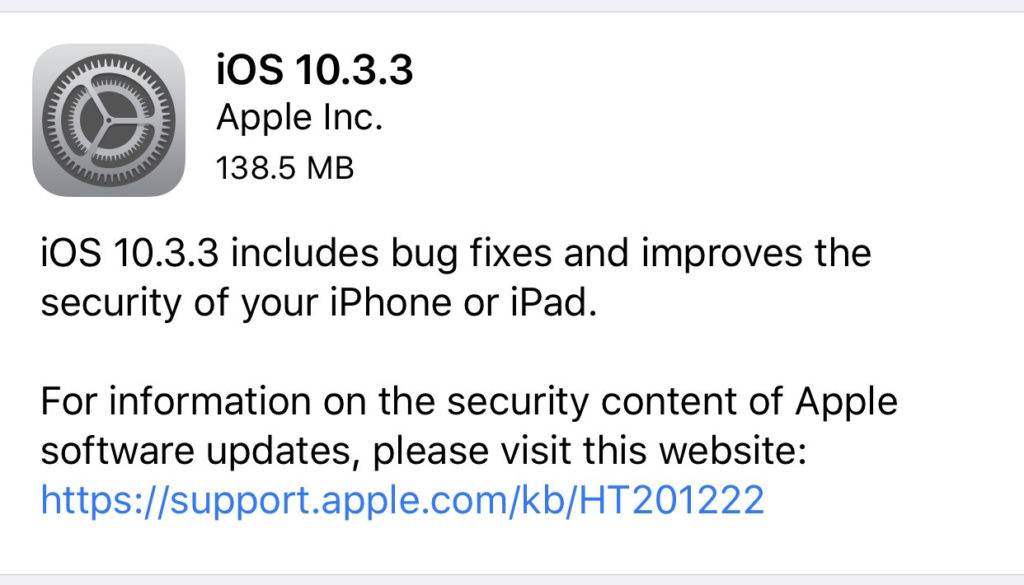
    Most of the posts on this blog are about how to keep your kids safe from pornography, cyberbullying, predators, and other threats like that. However, protecting your and your children’s devices from hackers is equally as important. That’s why you need to know about yesterday’s iPhone update. The latest version of iOS 10 will sure up a gap in security that would allow hackers to use the wifi chip in your device to gain access to your iPhone or iPad. This means that you don’t have to do anything to allow them access, just be close enough to their wifi network with your phone’s wifi connection turned on. That’s a crazy easy hack.

    Here’s what you should do. Install the latest update TODAY. You should have been asked yesterday (Wednesday July 20th) if you’d like to update, if you ignored it then it’s time to go into your settings, tap on general, and then software update. On the update page click install now and plug your phone in to power. This will get you all secure. If you have an Android phone you received an update a couple of weeks ago that should have fixed the issue. If you’ve been ignoring that update then stop doing that and install now. I’ve written in the recent past about the importance of updating your operating system and this news is just more evidence of how urgent some of these updates can be.