Blog

  • The iPhone Turns 10 and a Life of Balance for Your Family

    The iPhone Turns 10 and a Life of Balance for Your Family

    I remember being 18 years old and telling my friends I’ll never have a cell phone. “I just don’t want to be reachable all the time,” I would say. “Sometimes I want to be out of pocket.” Boy did that ever change. Now, 14 years later, I’m connected to every single person I know through my phone. Since I have a smartphone, I don’t even have to call anyone anymore. Text messaging and social media are the new “real world” and we are all fully aware of how we were kidding ourselves with that self-righteous “No cell phone for me” talk.

    The iPhone turning ten years old today made me realize that many of our kids have never lived in a world without smartphone technology. Our kids are being called “digital natives.” They are comfortable in a world where all desired information is a few taps on a screen away. They can connect with the people they know without ever leaving home. They are accessible all of the time and many of them don’t know any different. As parents, how can we help our kids understand the importance of balance in an extra-digital society?

    Take Influence Seriously

    Influence is a resource. The impact we have on our children as parents is the most significant force in their lives. Even being uninvolved causes ripples in their lives, behavior, decisions, and thoughts. When it comes to technology our influence over them is just as significant as in any other area of life. Whether it’s the example we set with our tech use or the boundaries we lay out for them for theirs, we have to keep in mind the influence we are having over our kids and their use of their many mobile devices.

    As we model a life of balance our children are able to, sometimes without knowing it, have a healthy view of our technology as resources instead of a way of life. Even parents like me, who are tied to their mobile phone or laptop for work, have to make obvious and intentional decisions to separate ourselves from our tech so that we can model a life of balance for our children. A major part of why this site was started in the first place was to help parents make the most of being the first influence in the lives of their children. If our kids are seeing us tapping our tablet screen all day and that’s it, they aren’t being influenced by us in the way that will help them grow into healthy, quality adults.

    Dinnertime is FaceTime

    There are multiple studies that have been released that show the value of a family mealtime. A common recommendation is at least once a week. Schedule a day when everyone must be home for dinner. Cook or order in something and sit around the table together. Make a rule that the wifi is off or paused and phones are set on a shelf or counter somewhere to charge during the planned dinner time. You may spend the first few attempts staring at each other but it will eventually be the activity that bonds your family like no other experience can. There are even websites and apps dedicated to giving you conversation starter ideas to help you break the ice for those first few experimental attempts.

    Balance is not something you find. It’s something you create. – Jana Kingsford (MumsJugglingAct.com)

    If we are going to create balance we have to either stop living at either extreme or find a way to exist in each extreme equally. If we take the time to sit and eat a meal together as a family every day or week we can start working towards a more balanced life as a family. If we are always headed our separate ways and even our times together at home are spent using our separate devices in separate areas of our house we will continue to see ourselves grow apart. Balance is the key and a family dinnertime is a great way to start your path toward that balance of screen-time vs facetime.

    Understand that Digital is the New Reality

    We aren’t living in a passing phase of technology. The digital and social media culture is here to stay and is going to get even more different as the years progress. If the three days of following CES taught me anything it’s that our world is only getting more digital. With virtual and augmented reality becoming a very real option for gaming, movies, and other entertainment it’s only a matter of time until we are updating our instagram stories by hitting a button on our smart-glasses or blinking a pattern so our contacts recognize what we are trying to post. It sounds like science fiction but it’s becoming more and more a reality.

    Since this world is becoming increasingly real, we have to understand what’s happening and get on board with helping our children use these new inventions in a healthy way. We can’t blame inventors and CEOs of companies for bringing down our culture with their products when we are the ones buying them and letting our kids have full control of their usage.

    I remember being told hundreds of times that folks aren’t ever going to want to type messages on a screen. “You have to have real buttons so you can feel them. I can’t handle that touchscreen stuff.” Well, ten years after the iPhone was announced, it’s hard to find a laptop that doesn’t fold into a touchscreen tablet. We live in the future and it’s coming faster than ever. No matter how futuristic the world seems the same principles apply. Mom and dad have to be the first influence in their children’s lives. This is how we raise kids who are safe, healthy, and whole.

    Information about our work with families can be found at SAFE.BecauseFamily.org/about.

  • The Connectivity of Your Home is a Main Feature at CES 2017

    The Connectivity of Your Home is a Main Feature at CES 2017

    If this year’s Consumer Electronics Show is any indication, your home is going to get smarter and smarter. The idea is that the things you used most can help you become better at what you use them for. If they can all communicate with each-other they can do even more, including lower your energy use and costs, increase convenience, and educate you and your family. Check out some of the smart home products, some great, some kind of silly, that you may be buying in the next several years.

    Smart Mirror

    The smart mirror is a connection hub for you to start your day with the info you want to see most. You set it up to show you what you’d like to see. Maybe your instagram and twitter feeds, perhaps you want to know the weather or news, or just watch your favorite YouTube channel. The smart mirror will respond to your hand gestures or voice commands to provide you with the convenience level you desire.

    Smart Bed

    Sleep number is at CES showing off their smart bed. Yes, apparently a bed can be smart. This bed will warm your feet, decrease the mattress firmness if you toss and turn, and even tilt your head up if you start to snore. You didn’t know you needed a smart bed did you?

    Smart Hairbrush

    File this one under more stuff you didn’t know you needed. A smart hairbrush will track your hair brushing technique and teach you how to brush your hair better. The designers of the brush say it will help keep your hair healthier and look better. Maybe this will go in the “stuff you definitely don’t need” file. That’s just my opinion though.

    Smart Toothbrush

    This toothbrush has computer components built in that will track your brushing habits and give you recommendations to do a better job. The verge’s article says it’s “you-missed-a-spot for dental hygiene.” For someone like me who thinks brushing my teeth is boring, it’s a struggle to do it for as long as is recommended. A smart toothbrush would be pretty good accountability for me. Plus, since I’m a tech nerd, it would probably make me a bit less annoyed to stand in one spot for two minutes with a brush in my mouth.

    Toothbrush Game Controller

    There’s also a smart toothbrush option for the kids but theirs has a game built in. I know, the kids get all the good stuff. The game helps coach the kids to brush all of their teeth and take all the time necessary. It will distract them from the time they are spending brushing by letting them battle monsters by moving the brush to different areas of their mouths. The app on a phone or tablet provides the instructions and how well they follow those instructions will determine if they win the game or not.

    Connected Appliances 

    Another major product being featured at CES is the connected appliance. I wrote about the washer and dryer yesterday but there are refrigerators, ovens, trash compactors, dishwashers, and even a toaster that will communicate with each-other and allow you to control them from your smartphone or other controller. The apps will let you adjust settings on your washer and dryer, monitor your home while you’re away, and even turn off the off the oven if you’re coming home late. It’s all connected and it’s becoming the majority of what these appliance companies are producing.


    Should Your Family Be So Connected?

    I look at a smarthome like social media. There are things that make sense for some folks that don’t for others. Is it cool to be on the fringe beginnings of the latest trend? Sure it is, but it isn’t always practical. I, for instance, use Facebook to promote our ministry and this blog and I use Instagram to keep track of friends, Twitter is where I turn for professional growth and information. These smarthome and connected appliances fall into a similar category for me. There are those who are going to feel like they need a smart hairbrush, I will never see the need but some will. I may like having my kitchen all connected and controllable from an app on my phone but you may not. Chalk it up to “different strokes for different folks.”

    As for safety and security, the more connected you become,  the more you’ll have to keep an eye on how you’re protecting your family. This entire site is dedicated to the fact the being connected online comes with risks. While your oven may not lead your kids down a road to temptation, what if you daughter uses that smart mirror to compare herself with photos of people she thinks is more beautiful? What if your son is using it to watch videos you wouldn’t normally allow him to watch. Some of these smart products are just new screens and new screens mean new parental controls to set up. Do you know how to do that? You should.

  • The Consumer Electronics Show Tells the Future for Your Family’s Home

    The Consumer Electronics Show Tells the Future for Your Family’s Home

    CES is an annual event put on by the Consumer Electronics Association. All of the major companies are in Las Vegas showing off their latest technology. Smartphones, smart bicycles, smart watches, smart everything. Today kicked off the event with the press day. Every major company had a chance to promo their most impressive new tech for the members of the media who were in attendance. I had my eye on those press conferences and I thought I’d share a few of the innovations that I felt could be relevant for your family. While they may not be products that protect your kids online, they’re definitely going to impact your life and tell us a few things about the direction our society is going.

    In Your Home

    – Washer and Dryer

    How lame is it that I am so excited about this washer and dryer? Seriously though, these things are super cool. Samsung’s Flexwash + Dry features a “twin-wash/dry” system that will let you do four loads at once. The top load washer built in to Flexwash will allow you to wash a seperate smaller load than what’s in the front loader and the dryer has a similar feature to allow you to dry at different temperatures for each compartment. Pretty sweet. Especially for a family like ours that does laundry for six.

    Countertop Induction Oven

    This oven by Panasonic is said to cook most recipes in minutes that would normally take an hour or more. This product reminded me of the old Disney “Home of Tomorrow” movies.


    – Audio Equipment

    While it’s a bit silly to me, our audio listening tech has digressed a bit back to the vinyl age. Panasonic is highlighting their newest turntable and speaker set that provides some of the clearest audio quality around.

    – TV “Wallpaper”

    While it’s not actually wallpaper, it’s pretty close. LG’s OLED televisions are the width of cardboard. They are so light they can stick to your wall with magnets. My brother, who used to install entertainment systems for Best Buy, told me about the possibilities of OLED years ago and it looks like it’s all coming to pass.

    In Your Car

    – AI Assistants 

    Vehicle after vehicle from Chrysler, Toyota, and Hyndai were showing off their ability to use facial and speech recognition to customize the driver experience. They also had new features that would sync with every technology under the sun.

    – Automation

    The vehicles highlighted at CES all featured some level of automation. Yes, that’s right. Self driving. Chrysler even had a minivan to show off. Most of them are using “Level 3 Automation” which requires the driver to intervene in certain circumstances. The cars use mirrors, cameras, radar, and gps to drive itself and communicate with other cars and the road infrastructure (where available.) We may not be looking at hovercars or Jetson’s space vehicles yet but having to “intervene” to help your car drive iteslf sounds pretty darn futuristic to me.

    Just for Fun

    – Drones

    Selfie sticks are out and selfie drones are the new thing. That’s right, this drone will identify with its user and follow his/her face, taking a selfie whenever they do a certain hand motion. There are drones all over CES with different camera qualities and flying abilities. Some with VR and some with AR, it seems that drones are becoming more of an entertainment item now than a photo/video professional tool.

    – Robots

    The robots I saw people talking about on press day fell into all different categories. There were some that were for hospitality, some had AI for your smarthome system, there was even one that is designed to help kids with disabilities overcome some of their development issues. Robots are always, always, cool.

    – Virtual/Augmented Reality

    Finally, this VR thing seems to be staying around. It seems every smartphone manufacturer is providing a way to turn their device into a Virtual Reality headset and the products being promoted at CES were no different. There were new gloves, headsets, bikes, and even a pair of VR shoes that let you feel the virtual world with your feet. Augmented reality was featured at CES as well with a device that will help you find your keys and exercise bikes and other workout equipment.

    Thoughts From Day 1

    You didn’t see any products on this post that are designed to help your family be safer online but you did see a collection of new tech that proves our homes are becoming more and more connected to the digital world. When your washing machine and exercise bike are using as much computer tech as your smartphone, you know we’re at the point of no return. Some folks wish they had been born years earlier when things were “simpler.” Well, it looks like we are going to have to just get on board or get left behind. Things are progressing towards digital everything faster and faster.

    As we raise our children it is important to provide them with the kinds of tools that will help them get ahead in life. Computers designed to help kids learn and exercise equipment that can use their love of gaming to entice them to be more active are tools that can be a blessing and not a burden to our children. Our job is to regulate and even curate their use of these new technological achievements. We must understand what tech they have and what it’s capable of. If we get left behind then we aren’t just putting ourselves at stake, we are putting their safety on the line as well.

    I think much of the new technological items being featured for consumer purchase are pretty amazing. This first day of CES has convinced me that some of what I thought was a fad isn’t going away. I recommend you check back in tomorrow and keep your eye on our instagram and twitter as I continue to follow the action at CES and highlight anything I think may be relevant for your family.

    LISTEN TO THE PODCAST EPISODES HERE.

  • How Social Media Sites Use Your Photos to Learn About You

    How Social Media Sites Use Your Photos to Learn About You

    A new extension (plugin or addon for a web browser) has just highlighted an issue we all probably won’t be surprised by but have never thought about. Our social media sites are scanning our photos to learn more about us. The extension is called, get ready it’s a mouthful, “Show Facebook Computer Vision Tags Extension” and it displays the detailed tags that Facebook has used to label your photos when you post them to the site. The tag information is built by automatically scanning every image you post and using the information to create trackable details about that image. So, for instance, if you post an image of you and your kids at the zoo it may show tags that say: “3 people, smiling people, animals, nature.”


    This may seem like no big deal but when you think about just how much information can be obtained from a simple thoughtless upload of a family photo, it can get a bit creepy. Most likely this info is used to help Facebook target you better with those advertisers who pay for the privilege to use the data to identify potential customers. It also is used to help with search results when someone is looking for photos of you or somewhere you’ve been.

    Use this as a tool!

    Oversharing online is more than just annoying. When you post a picture of your food that nobody cares about you are identifying yourself as a consumer who wants to be advertised to about that type of food. When you post that bad blurry picture of your kids in their princess dress, you’re highlighting that you should be targeted with more Disney advertising. Use this extension as a tool to help you learn that lesson, and teach it to your kids.

    This extension can be a pretty cool way to help you and your kids see how much information about you is available when you post online. I always advocate for parents to teach their kids that the internet is a public place. Whatever you post can and will be used against you IRL (in real life) and so you should think about that before you post. This extension may be a great way to drive that advice home with your kids.

    If you want to see for yourself, you can download the chrome extension HERE.

  • Group Video Chat is Everywhere! Now, even in iMessage.

    Group Video Chat is Everywhere! Now, even in iMessage.

    Kik has been popular with kids and pre-teens for some time. It’s a messenger that allows them to chat over wifi using a made up profile or “display name.”  The app recently joined the likes of Snapchat, Instagram, WhatsApp, and FB Messenger by adding group video to the mix.

    Then, a few days ago, a new app called Fam came onto the scene. Fam allows group video chats within iPhone’s iMessage. When iOS 10 released for iPhones it came with the ability to add and utilize apps, stickers, and games within the app itself. This has opened up the ability to put in GIFs, use emojis that aren’t available on your keyboard, and even share music or money with just a few taps in the iMessage app. Now, Fam is capitalizing on those abilities.

    How Does it Work?

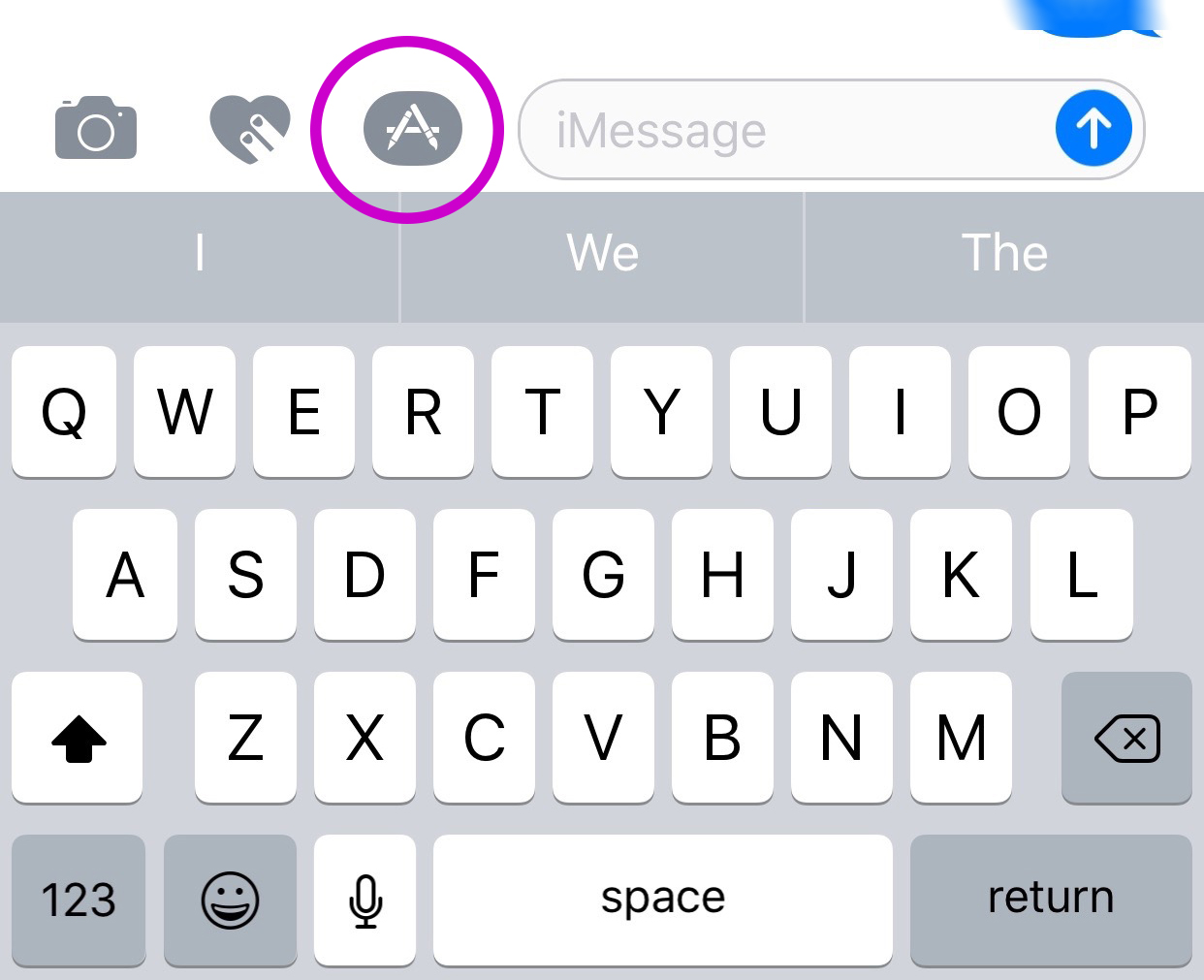
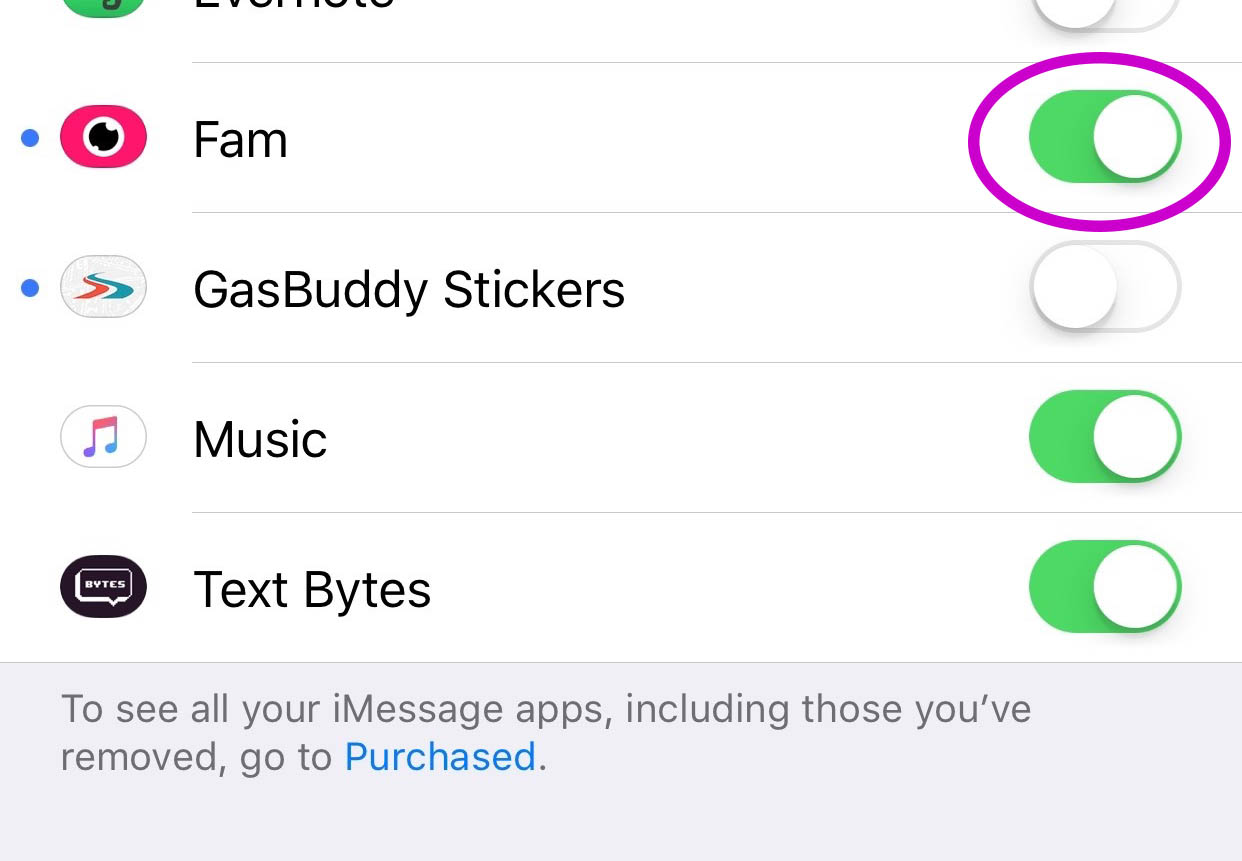
    You’ll have to find the Fam app in the app store and install it. Once it’s on your phone you can activate it by selecting the apps icon next to your text box and then the small icon that looks like a group of app buttons on the bottom left.  Next you’ll tap store, and then the manage tab on the upper right. Once you toggle Fam to be active it will show up within iMessage (your text messaging app) alongside your other apps. Once you have it you just have to tap the “Create Video Chat” button and it will send an invite to up to 8 people in your iMessage thread. (See the gallery below for those instructions with some photos.) If your friends have the app installed then they’ll be able to join right away, otherwise they’ll have to go install and activate the app too.


    What Should Parents Know?

    The dangers with video messaging are pretty obvious. If your teen is wanting to have an inappropriate video conversation with someone there are plenty of options to do that. The truth is that group video has become a mainstay. The conversation in social media and tech circles is that having group video chat available is now expected on any and every social media platform. As a parent we have to understand what apps can do what and know how to disable certain features if you decide it’s best for your family.

    That said, Fam is a pretty neat addition to iMessage. I was excited when they added the ability to put apps in iMessage and apps like Fam are precisely why. This is a way to communicate over video with the folks you contact the most. I will most likely use it, that is, if the people I talk to would be willing to install it.

    I recently spoke to a father who was trying to make the best decision to let his daughter get her cell phone back after losing it due to some behavior her parents didn’t approve of. My recommendation was that they take baby steps and I advised him to not let her have any messaging apps, to only allow her to use the basic text messaging on her phone. There was a time when that would keep you away from a lot of the danger. The dangers of some of those messaging apps is the creation of often anonymous accounts. Your kids may not always know who they’re talking to. A video messaging app in iMessage (which uses only their contacts) can help keep that from being as much of a fear.With apps like Fam stepping into the light, though, I have to emphasise the importance of checking out your child/teen’s phone every now and then. Look at the apps they use and even the apps they use in their messenger. Read through some of their conversations and make sure you know everyone on their contacts lists. If you don’t you should be finding out who they are immediately. Especially since they can now have a video conversation with your kid.

  • VidAngel Plays “The Devil’s Advocate”

    VidAngel Plays “The Devil’s Advocate”

    Streaming Filtered Hollywood Movies Sounds Awesome!

    A few weeks ago I downloaded an app that allows users to view movies with filters set. Cutting out nudity, language, suggestive themes, violence, all at your discretion, VidAngel turns some of the most “raunchy” movies into near family friendly entertainment. The problem is that, under current copyright laws, their methods are illegal.

    A recent ruling by a California federal judge has ordered VidAngel to stop their service immediately. The ruling states that the service provides content illegally and that their claim that they’re allowing users to “purchase” the film only applies to a physical copy of the DVD. That means they don’t have the right to stream a filtered copy (illegally copied according to the claims of Fox and Warner Bros) to their app’s users.

    “Subscribers view a stream from a master copy stored on a server, not a DVD temporarily “owned” by the user. Furthermore, lawful ownership of a DVD only conveys authorization to view the DVD, not decrypt it for the purpose of viewing it on an alternative platform. Therefore, VidAngel’s customers are not lawful “owners of possessors” of the digital content that is streamed via VidAngel’s service”. – US District Judge Andre Birotte Jr.

    The company claims that their service is using a loophole to remain legal. Subscribers “buy” a movie for $20, set their desired filters and view the film within 24 hours, and then “sell” it back for $19, resulting in a $1 rental of a filtered hollywood blockbuster. The US District Court in California has said this isn’t legal and their loophole isn’t valid. This doesn’t mean viewers are breaking the law, but it does mean that VidAngel is dangerously close to having to close down its service. In fact, they’ve already been asked to do just that, but they aren’t backing down.

    “We will aggressively pursue an appeal and take this case to a higher level where we have always believed we will ultimately prevail. – CEO Neal Harmon (VidAngel)

    VidAngel has not shut down their service as requested. They are trying to fight the legal battle and keep their service going. They have even raised millions from investors and subscribers to help with legal costs of the battle. Warner Brothers and Fox have recently filed to ask the court to find VidAngel in contempt. We will keep an eye on this continuing battle.

    Our Thoughts

    I am an advocate for filtering entertainment as long as it’s customized by the viewer themselves. I’ve always maintained that it’s up to the viewer or parent to decide what is and isn’t “too much” for their family’s standards. That said, I also believe in the right of a director, producer, and studio to protect their property. Streaming services such as Netflix and HULU pay for the rights to stream movie and TV content to their subscribers. This keeps the income flowing to the studios who produce these movies and allows quality content to be accessed by the users of the services. The problem comes when filtering is mentioned. Most studios and filmmakers don’t want their movies altered in any way. They even try, in this lawsuit, to make the case that VidAngel’s filtering isn’t legal. The judge ruled that allowing users to filter out unwanted content isn’t the same as adding material that changes the film altogether. That’s a win for VidAngel but it’s unlikely that permission to stream filtered movies will ever be given by movie studios and major motion picture companies. It’s just too close to breaking their creative rules.

    I don’t think VidAngel will be allowed to continue unless the laws are changed to make it possible. As these laws seem to be stated now, VidAngel isn’t handling copyrights properly and are misinterpreting a loophole to try to justify it. I will uninstall the app and not rent movies from VidAngel for the same reason I don’t watch live sports streamed illegally online and don’t download software illegally. It makes me feel icky knowing that it even though it may not be technically illegal it isn’t technically legal either.


  • What Parents Need to Know About Super Mario Run

    What Parents Need to Know About Super Mario Run

    Guest post by John Wilkerson of The Wired Homeschool.

    Super Mario Run, announced earlier this year, is the first highly anticipated mobile game from Nintendo. Initially released for iOS devices, it is expected to be released for Android early next year, parents can expect to hear about the chart-topping app for months to come.

    On its first day, Super Mario Run was downloaded 2.85 million times according to Apptopia which broke the previous record of 900,000 downloads held by PokÈmon Go. That means if your child hasn’t already installed the game, they’ll want to soon.

    About the Game
    Super Mario Run is a single player, side-scrolling, endless running game where players guide the eponymous Mario through several worlds to rescue Princess Peach from Bowser. Along the way players collect coins while trying to avoid Bowser’s minions and falling off the screen. If you’re a fan of Super Mario Brothers this sounds familiar to you.

    Nintendo has done a good job of making this game unique. It’s not just a simplified version of a very popular game from the 80’s. It has unique game-play elements that will entertain you and your kids.

    The game has a mini-games within it which can be unlocked by earning tickets. You earn tickets by collecting all the pink, purple, and black coins on each level. You can also recruit Toads into your kingdom to restore it to its former glory.

    Initial and On-going Costs
    The first 3 levels of Super Mario Run are free. To unlock the remaining episodes you’ll need to spend $9.99. While this seems like a lot for a casual game, keep in mind that there are no in-game micro-transactions. No need to worry about Johnny or Sally running up your bill.

    Additional Features
    In addition to earning bonuses in the game, bonuses are given for connecting your Nintendo account. If you or your child don’t already have an account, you can create one in your device’s browser.

    Players can also connect with friends by sharing their player ID, linking to social media accounts, email, text, or adding someone’s player ID manually. Once you’re friends with another player you can challenge them in Rally Mode.

    Final Thoughts
    Super Mario Run is a fun game that you and your kids will want to play. It’s challenging and the nostalgia factor for adults is certainly what’s driving its popularity.

    As with any game, parents need to be aware of a few things:

    1. If you link to or create a Nintendo account you should be aware of the privacy policy.
    2. Linking to social media accounts brings with an additional set of privacy issues.
    3. While initially free, the $9.99 price might seem high but there are no micro-transactions.
    4. There is the potential that your child will spend too much time playing it.

    About the Author: John Wilkerson is a homeschooling dad of 7 living in upstate New York. Through his podcast and blog, The Wired Homeschool, John has been providing practical advice to parents on using technology in homeschooling for over 6 years. Connect with John on Twitter: @jwilkers.

  • Snapchat Answers the Photo Messaging Challenge with New Features

    Snapchat Answers the Photo Messaging Challenge with New Features

    The battle for the best messenger and photo messenger app continues and this time Snapchat has launched a counter assault. Excuse my military history illustration, I know I’m a nerd. While Facebook has been building up the features list on their popular messenger app, their photo app Instagram, and their texting app, WhatsApp, Snapchat has been working on some updates of their own.

    Let’s take a look at what today’s update has and what it will allow your kids/teens to do while in the app. Then we’ll chat about what parent’s response to this app should be after the latest update is installed. It’s super important to stay in the know, even if some of the updates may not be potentially dangerous. Here’s our breakdown:

    Snapchat’s New Features

    Paintbrush and Scissors

    These artistic new tools will allow you to do more customization than ever before. Paintbrush is a bit novelty and is just a way to make your photos look different but scissors is actually a pretty cool idea. This feature allows you to take “cut out” portions of a post or photo and save them to use later as a “sticker.” This feature gives you be the ability to become your own emoji. I am kind of looking forward to one of the apps I actually use copying the Scissors feature. It’s pretty awesome.

    Shazam

    You, most likely, are familiar with Shazam. It’s an app that allow you to identify whatever song you’re listening to by allowing the app to “listen” to it and then give you the details. This update allows you to use Shazam right in Snapchat. You just open the camera, hold your finger down, and the option to find the song will come up. Once the song is identified you’ll be asked if you’d like to purchase the song. Shazam has been around for a long time, this integration is a pretty unique idea and will keep users from closing one app to use another one.

    Group Chat

    Group Chat is self explanatory. You can chat with up to 16 people at a time and set up your chats in groups. This allows users to keep their most common friends together in one group so they can have quick access to their conversations. Your teenagers are socializing online now so this allows them to do so in a larger group.

    Every feature included in this update is another step towards Snapchat becoming the catch all app for young people. The most common users are ages 18-35 but there are many high schoolers who have already been snapping their friends for years. If they haven’t already, these updates are sure to lure them in.

    What Should Parents Know?

    As I’ve mentioned before. My main concern with Snapchat isn’t the messaging or photos, it’s the advertising. Their curated “discover” page has been and always will be a deal breaker for me. I know you may not agree so regardless of your reasons for being safe here are my tips for parents of Snapchat users.

    Don’t allow Snapchat if you’re uncomfortable.

    It’s important to remember that you have to have a say over what your kids are doing online. If what Snapchat does makes you feel uncomfortable you shouldn’t allow it on your child’s phone. Whether you’re afraid of what people may send them or what they could see on a public story. Maybe you’re just concerned about people they don’t know getting ahold of pictures of them. You also could simply be trying to keep the marketing gurus who are publishing content straight to your child’s phone from turning them into the consumer they want them to be. No matter your reason, be true to that instinct and hold firm to your position. Your teen won’t understand and will argue but you have to trust yourself on these issues.

    Use family sharing to know when apps are installed.

    I walked through family sharing and how to set it up in THIS tutorial. This is a great way to keep track of what apps are being installed on everyone’s devices. You can even set it up to ask you permission before something is installed. If you have decided to take a stand against your teen joining the Snapchat trend Family Sharing is a great way to be sure they’re sticking to those rules.

    Follow your kids’ “Story”.

    If your teen is using or wants to use Snapchat and you’re ok with it I recommend you get an account as well, even if it’s only to keep tabs on their “Story” yourself. This isn’t spying since you will communicate with them that you’re following them. Let them know it’s not that you don’t trust them, it’s that you have a responsibility to protect them from those who won’t use the social media service in the safest way.

    Talk to your kids about how they use Snapchat.

    Now comes the inevitable plea to be transparent with your children. Be open with them and honest about your concerns with Snapchat. Let them know you want to protect them from whatever it is you’re concerned about. Boundaries become stupid rules if there is no relationship. If you’re going to be following the on their account they need to know about it and know why. If you’ve decided not to allow it at all then you’ll have to be honest about why. Let them talk to you about why they want to use it. “Because it’s how my friends talk to each-other is a legitimate concern for a teenager. Social connection is the most important thing during that time of their lives. That shouldn’t cause you to back down from your rules but instead help you show empathy and compassion while you are patient enough to give them time to adjust to the rule.

    These new updates are being discussed in the tech world as another big “shot across the bow” to Facebook and Twitter and other social media giants. You can expect more and more features to roll out on all of these services. Also expect to be asked by your child if they can start an account and be ready ahead of time with your answer.

  • Protect Your Whole Family for A Buck a Month with Net Nanny

    Protect Your Whole Family for A Buck a Month with Net Nanny

    I recommend two major tools for protecting your children online. Accountability software and an internet filter. You know about our connection with Accountable2You but now I’m excited to have partnered with one of the best internet filter options out there, Net Nanny. The best part is that for the next couple weeks, they’re offering their best deal at an even bigger discount, %35 off.

    What is Net Nanny?

    Net Nanny is an internet filter and time management software. With customizable filters, remote management, and filter reports it’s one of the best options on the market.


    You create your admin account and can set up everything from there. With different users you’re able to customize your filters depending on who you’re protecting. Social media monitoring will report cyberbullying, sexting, privacy concerns, and any unexpected contacts by potential predators.

    Internet filters are critical for protecting your children and teens from unwanted content online. There are, however, ways to get around many filters. Some of the most common ways are image searches, i.p. address lookups, and proxies. These things are all problems for some filters because of the way that filter works. Many filters use the name, address, or metadata (informational tags built into web pages) to know if the content on the site is inappropriate. If the site is one that is trying to engage young users, they can often hide their content with unrelated metadata. They can also put their sites behind something called a proxy. The proxy will disguise the address and i.p. of the site so a filter doesn’t know what kind of content is on it.

    Net Nanny can’t be fooled so easily. Their system’s specialty is the ability to read the content on the page in real time to determine whether or not the site contains adult images or language. This allows them to block web pages no matter how you get to them. If you have younger kids it may not seem as big of a deal to have such a foolproof system. Unfortunately it’s getting harder and harder to protect them from content that may try to get through. If, however, you have caught your teen or child looking at something inappropriate you will definitely want to equip your computers and devices with the best filter software available. I think Net Nanny is one of the best.

    If you click the link you can sign up for their “Family Protection Pass.” A year of access to Net Nanny for just $60. That’s 12 bucks a month to cover up to five devices. $.99 per month per device. If you have more to cover you can get their next level to protect 10 devices for $89.99. There is also an option for coverages for 15 computers, smartphones and tablets for $119.99. Whichever option you choose, the link below will include us as affiliates and contribute a portion of your payment to BecauseFamily. This will help us continue to do free workshops and educate parents on how to protect their families online.


  • Apparently Pokemon Go Had Little Real Effect on Exercise

    Apparently Pokemon Go Had Little Real Effect on Exercise

    Many (including me) have said that one of the great things about Pokemon GO is that it has gotten people out and moving more than they ever did. Unfortunately a recent study by the British Medical Journal is singing a different tune. Apparently about four weeks after the release of the app people went back to their couch potato ways, only playing the game when they would have been out moving anyway.

    The study surveyed over 1100 American adults, half of them were Pokemon GO players. There was no significant difference between the two groups in the number of steps taken (automatically tracked by the phone) before and after the release of the game. There were some folks who started off walking a bit more because of the game, but the study shows that the trend tapered off to almost nothing after about six weeks.

    What Parents Should Do.

    An interesting note about this study. It didn’t include children. It is, of course, possible that kids were more active for longer because of playing Pokemon GO. There is no study to confirm it, however.

    One of the major reasons that limiting screen time is a good idea is the inactivity overuse of technology can cause. When a game like Pokemon GO is released, parents may see a way out. They can give in and let their children play this game more often because it’s getting them up and moving. Well, if the study of the adults who played the game is any indication, we won’t be seeing many kids becoming more active and less out of shape because they’re trying to catch them all. Nothing beats old fashion creativity and time outside with friends.

    If you have seen Pokemon GO players walking around you can see what all they’re missing. What good is getting up and around if you’re still just staring at your phone the whole time. Yes, parents and kids have been playing this game together and the connection of handing down the love of Pokemon to your children is a real thing. We just have to be careful when we use technology to replace something that was always meant to keep us and our children grounded in the real world.