Blog

  • The Risks of a Fully Connected Home Part 2

    The Risks of a Fully Connected Home Part 2

    The Internet of Things has made its way into our homes and we are becoming increasingly used to being tracked and monitored. In this, part two, of our connected home series, we’ll look at advertising and what it means to our privacy, our homes, and our families.

    Advertising

    Our society has become so accustomed to our data being used to advertising that we aren’t even creeped out by the ads on Facebook reflecting our Amazon searches last night. When we get spam email based on what we did online last week, we just hit the delete button and think nothing of it. Individualised targeted advertising is a part of everyday life now and that’s probably not ok. When everything in our home is connected to the network we are feeding data miners with so much advertising fodder that it will become impossible to ignore the onslaught of targeted ads we will recieve. Imagine when your fridge can tell that you’re out of milk, so you get an advertisement for a coupon at Walmart in your email fifteen minutes after you’ve poured the last bit into your cereal. That sounds a bit creepy to me.

    When products like Google Home are “always listening” we have to wonder what some of that innocent conversation data can be worth to advertisers. Currently the policy is to not store any of that information but will the financial bottom line ever outweigh the disapproval of consumers? Is it possible that we will get so used to this targeted advertising that we won’t be phased by it anymore? Imagine standing on your back porch talking to your spouse about wanting to enclose it someday to make a screened in sitting area. What if, the following day, you saw advertisements for builders, finish carpenters, and handymen? Would that freak you out? Right now it may but if we continue to adapt to the “internet of things” we will soon take, even that level of targeted advertising, in stride. It will just become normal, everyday life. Especially for our children.

    What Parents Should Know

    Keep in mind that your children are a multi-billion dollar industry. Every time they play a game online or watch a video, they’re being marketed to. There is no way to avoid some of that marketing but there are ways to be smart about how we allow the corporations that sell us everything we use to come in contact with our children. As mentioned in part one, experts advise that if you are concerned about potential breaches in privacy while using a smarthome or digital personal assistant you should just avoid getting one. If you’re someone who thinks that the conveniences outweigh the potential concerns then take the steps necessary to shield your kids from targeted advertising as much as possible.

    Set parental controls if your devices have them. Make sure your usernames and passwords have been changed from the default ones and that you have read and understand the privacy terms of the product you have purchased. Set any privacy settings that may be available with your children in mind, not just yourself or other adults. Always remember that your child can activate Alexa, Echo, or Google Home as easily as you can. They aren’t equipped with voice recognition (yet) so you must have the safety features set up before you allow your child to use your digital PA. More on those safety settings in part three, tomorrow.

  • The Risks of a Fully Connected Home Part 1

    The Risks of a Fully Connected Home Part 1

    If there’s one thing that CES 2017 showed us last month, it’s that the “internet of things” is our future. Our world is becoming increasingly more connected and so are our homes. Everything from your television or thermostat to your mirror or even your toaster can be intertwined in a web of wireless connectivity. These advances in technology offer new and exciting levels of convenience but what are the risks involved in being so connected all the time? This three part series of posts will help you weigh the potential risks of home connectivity and make a knowledgeable decision for your family.

    Internet Privacy

    There have been news reports about hackers playing with people’s wifi enabled thermostats, unlocking their smartphone controlled door locks, turning on closed circuit security cameras and even baby monitors. Many of these connected home appliances come with basic, easy to guess passwords and usernames and can be messed with very easily. The best advice for these types of products is to always change the username and password from the one that comes pre-designated. Now, however, more families are inviting a new digital personal assistant product into their home.

    Many experts are looking at smart home and “PA” devices such as Amazon Alexa/Echo and Google Home with some caution due to their microphone “always listening.” There has been much conversation among internet privacy and security experts about the risks involved with a device in your home that can hear every conversation you’re having. Amazon and Google both say that their products were designed with privacy in mind and that they don’t store any information you say that wasn’t preceded by the command words. (i.e. Ok Google or Hey Alexa) What you say after you activate the devices is stored on an encrypted server but spokespersons for the companies are silent on what happens to the data after that. They only admit that your voice patterns and speech is being monitored to help the devices become better at recognizing you.

    What Parents Should Know

    “These devices are microphones already installed in people’s homes, transmitting data to third parties,” Joel Reidenberg, director of the Center on Law and Information Policy at Fordham Law School in New York City, told USA Today. “So reasonable privacy doesn’t exist. Under the Fourth Amendment, if you have installed a device that’s listening and is transmitting to a third party, then you’ve waived your privacy rights under the Electronic Communications Privacy Act.” – Tec.Mic

    Using a device like Alexa or Google Home effectively waives your right to privacy in your home. While you can mute the device to turn off the microphone, that decreases the convenience and usefulness of the product. When you use the product, however, you are accepting the terms and agreements and are allowing a microphone to be “always listening” (Google’s words) during all of your conversations. Be sure, if you think you need to be this connected, to read all of the legal documentation and make sure you feel confident that the risks you may be taking are outweighed by the benefits of having a “smarter,” more connected home.

  • Smartphone Separation Anxiety is Actually a Thing!

    Smartphone Separation Anxiety is Actually a Thing!

    Our world is advancing rapidly towards another new technology age. With computers in our pockets all day long it was only a matter of time until we became so dependant on them that the thought of losing them is one of our greatest fears. Researchers are finding that that time has come. Results released last week from a study done by Eotvos Lorand University in Hungary shows evidence that young people suffer significant stress if they are separated from their smartphones. 

    The study was small, only testing 87 volunteers, and asked subjects to take simple math tests in a mostly empty room. Some of those who participated kept their phones, others were asked to turn theirs off, another group locked up their phones and were given someone else’s phone instead, and the final group put their smartphone in a locked cabinet and couldn’t have access to it during the entire study. The findings were pretty much what any of us would expect.

    Those who kept their phones (whether on or off) had no noticeable signs of stress about the test they were taking and the group that had someone elses phone showed a very low stress level as well. The other group (the people with their phones locked in a cabinet) showed significant heart rate fluctuations, an indicator of high stress and similar to symptoms shown by people suffering from PTSD, and tended to drift towards the cabinet their phones were locked in. The volunteers in this group were also very fidgety, scratching their faces and pacing. The researchers took these results as an indicator that there may be a very real link to smartphone separation and anxiety. 

    What Parents Should Know

    This test was a very small sample study and will likely be followed up with some more extensive research. Small as it may be, though, I think we have all either seen or experienced firsthand the symptoms of smartphone separation anxiety. I, personally, make a conscious effort to spend extensive amounts of time without my phone, just to keep from getting so attached. I still find myself reaching for it when it isn’t there. It may seem obvious but I think these tests are a good idea because we should know more about how our habits affect us. 

    As parents it is important that we understand that addiction to technology is very real. While research is only now beginning to explain what’s happening when we get hooked on our electronics, the findings are disheartening. Our brains can actually be trained to ignore stimuli that isn’t on a screen and prefer the phone, tablet, or television over a book, a real sunset, or even someone’s face. We should be aware of how much time our children are spending using their technology and work hard to teach them healthy habits. We have to set the example first, and then set boundaries that will help them understand limits, why we have them, and what happens if we ignore them.

    Use consequences that truly fit the crime for overuse of technology. If they feel a small example of that separation anxiety from being grounded from their phone for a week, you have an opportunity to help them see that their feelings of stress should be avoided and can be avoided with a more healthy attitude towards their digital lifestyle.

  • FB Video Autoplay with Sound is Coming Soon, Here’s How to Turn it Off

    FB Video Autoplay with Sound is Coming Soon, Here’s How to Turn it Off

    Facebook is quickly working towards becoming a serious contender as a destination for video. SmartTV apps with better video controls and a more video friendly UI (user interface) are just a couple of things they’re doing to be more video friendly. There’s another major change coming that will drive you nuts, I’m going to do you a favor and help you avoid it.

    Facebook has announced that they’ll soon be rolling out video autoplay with audio on your timeline in the Facebook app. This means you’ll be bombarded with the first few seconds of sound from every video your lovely Facebook friends have posted. If you have already disabled autoplay for some reason (like to save data or battery) then you’re good to go. If not I’m here to help. The video below will walk you through a few simple steps to help you disable video autoplay on the Facebook app altogether. You’re welcome!


  • Should Parents Worry about the Video Messaging/Live Video Craze?

    Should Parents Worry about the Video Messaging/Live Video Craze?

    Periscope, Facebook Live, Twitter, Houseparty, Squad, Instagram, and now here comes Ping Pong. These are all ways to record or live broadcast your life or segments of your life for the entire internet to see. Our teens and young teens are eating up this new live and sometimes raw form of communication. I’ve mentioned Musical.ly a few times in the past and warned parents about some of the risks associated with the app. This week, Musical.ly has announced the release of a their newest application, Ping Pong. This app allows users to record and send video messages much like Snapchat or Instagram Stories.

    Musical.ly launched Live.ly, a live broadcasts app last fall and have seen major success in adoption of the service. In fact, there are many users who are now just live streaming almost every moment of their lives. Users can create their own channel for people to follow and be live online at any given moment. The issue here is that some of Musical.ly and Live.ly’s most popular users are young people who aren’t even old enough to have their own social media page. Apparently that doesn’t bother the CEO of Musical.ly at all.

    While Ping Pong hasn’t fully launched yet (it’s available but you can’t create an account) it is being rolled out soon and will be another app that parents must understand.

    What a Parent Should Know

    Live video and video messaging are now mainstays of the social media your teens and young teens are using every day. It’s important to remember that they are able to broadcast and watch broadcast of everything that happens in their and their friend’s daily lives. For most young people this is going to be trips to the coffee shops, dumb stunts in the gym at school, and evening’s at friend’s houses goofing off. Unfortunately it can mean other, less savory, content as well. These apps are rated for ages 17 and up because the content is provided by the users of the services. This means that parents are expected to be monitoring what their kids are doing on these applications. Allow me to second that expectation. Use monitoring software like TeenSafe and filters like NetNanny to guard your teen from unwanted content. This will protect them while giving them full use of the social media they want to have access too. They will just be using it under your boundaries.

  • YouTube Kids Adding Original Shows and SmartTV Support

    YouTube Kids Adding Original Shows and SmartTV Support

    YouTube Kids has now been around for over two years. I’m still amazed how many parents don’t know about the curated kids streaming app. It is a pretty good safe alternative to YouTube’s more open and unsecure content. An announcement today could make YouTube Kids an even better option for your family.

    Today YouTube announced that they are going to launch four new original shows on the kids app. The shows will use people who already have a strong YouTube presence and be available only to YouTube RED subscribers. Shows like “Fruit Ninja; Frenzy Force” will be designed for younger kids while there will be a couple of shows, such as “Hyperlinked” (starring tween YouTube Music stars L2M) that are geared for children a bit older. There are more shows scheduled for the lineup and they range from animated cartoons to unscripted reality shows.

    Along with this announcement, YouTube has said they will soon be rolling out support for YouTube Kids to be viewed on SmartTVs from Samsung and LG. This will mean that content from YouTube Kids can come to life on a larger screen and be viewed more easily by more of the family at the same time. It seems that YouTube is really working to become a major player in the streaming entertainment world. New YouTube Red shows are coming out all the time and you can see many YouTube stars being interviewed on more mainstream media talk shows like Jimmy Fallon to promote YouTube’s original content. We are entering a new age in digital entertainment so be ready and pay attention.

    What Parents Should Know

    YouTube Kids is a good option for parents whose children enjoy watching videos on the streaming service. It’s a lot better than the YouTube app in which they can be as few as two clicks away from some type of violent or inappropriate adult content. While YouTube Kids is better, it isn’t without it’s faults. You will still want to put your eyes on what your children are watching every now and then. The original content means that, if you’re a RED subscriber, you will have a bit more than the clips from PBS shows, lets play, toy unboxing, and science videos. That’s a good thing but you’ll want to be aware of which shows are designed for what age audience. The trend is for messages in kids entertainment to lean towards kids a few years older than the target age of the shows.  That means you young daughter could be watching a show by music sensation L2M about what it’s like to be in High School. This could lead to eventual trouble if you aren’t aware of the message they are getting from the show.

    I always recommend parents having a total knowledge of what their children are spending their time doing. These original content shows may be designed for children but it’s important to remember that only you can decide if they were designed for your children. Nobody knows your kids like you do so only you can make the right entertainment decision for them. You should just allow unsupervised viewing of anything you’ve never seen, even if it is meant for children. Should your kids watch streaming content on YouTube Kids? If they are already using YouTube then absolutely yes. Should they watch the original content and use your tv to view it like other shows? That’s entirely up to you, just be sure your decision is based on knowledge, not a trust that the term “KIDS” always means safe.

  • Do You Really Own Your Phone?

    Do You Really Own Your Phone?

    The ordeal with the exploding Galaxy Note 7 has brought about an interesting topic as of late. In case you’re a bit behind, I’ll remind you that early in 2016 some Samsung Galaxy Note 7s began to explode. The phone was recalled and many people began to return it for a replacement. Many, however, did not. In order to increase the number of returns Samsung started to roll out updates to the operating system that would eventually render the phone ineffective. The idea is that if phones wouldn’t charge all the way, or eventually at all, then users would have no choice but to turn the phone in and get something that wasn’t just screaming POTENTIAL LAWSUIT for Samsung. This is what started the conversation about who owns the phone we paid for and use every single day.

    The Phone is Yours, Sort Of…

    We pay good money for our smartphones. iPhones can cost up to eight hundred dollars when first released and the cost of a good Android phone is comparable to that. Since we pay so much it stands to reason that we should have complete control over what happens to and in our phone. The truth, though, is that we don’t. In fact, we sign away that right when we purchase, or now lease, our smart device. The terms and agreements page that we sign without reading spells out the fact that the physical device we just bought belongs to us but the software that makes it more than just plastic, glass, and metal, still belongs to the company that developed it.

    This is why Samsung can “brick” a phone with software updates in order to get people to bring them back. They can’t require you to physically bring your phone back because they want it back but they can make it so useless that you can’t stand to use the thing anymore. If it has any use anymore at all. Technically you are using software that belongs to someone else because they allow you to. That doesn’t stop with operating systems, it goes for the apps you download too.

    Here Come the App Police

    Twitter has been flexing their “terms and agreements muscles” recently as they try to crack down on bullying and abuse in their popular social media site and app. Some of their most recent changes include adding the ability to explain why you’ve blocked a user or hidden a post on your feed. With an even larger step, Twitter is using algorithm and moderators to recognise users of previously banned accounts and keep them from setting up a new account to continue their abuse. These steps and some more they’re not being as open about may seem controversial to some but they are definitely allowed under the terms you agreed to when you signed up to use their service.

    What Parents Should Know

    There are a couple of major ways that the ownership of our digital devices is an important topic for parents to understand. First of all you must know that the use of any software, be it an operating system, an app, or computer game, is considered a privilege given to you by the developer of that software. Even if you paid for the right to use it. Your kids need to understand that behavior contrary to what is acceptable in those apps or software can cause them to lose the ability to play or use the software anymore. Secondly, it’s important to update your device when an update becomes available. While it may seem like recent updates slow down your phone or cause other apps or software not to work properly, the developer created that update for important reasons. Security is a major reason that updates come as frequently as they do. Hackers or identity thieves are always working to find ways to sneak through security settings set up in your phone or computer. Updates by the developer allow them to keep up with the new ways those hooligans have discovered to breach your digital defenses.

    Be sure your kids and teens understand that the digital lives we live are a privilege. There are right ways to use our smartphone and wrong ways. When their account is banned in an app it happened for a reason. This means you should be having a conversation with them about what led to that action being taken by the developers of the app. Was it because of other users “flagging” him for his posts? Was there something she posted that she admits crossed the line and caused her account to be shut down. This DOES happen and should be taken very seriously. There are some online behaviors that are as illegal as anything you can do offline. One major example is the distribution of child pornography. This is a felony and punishable by years in prison and the remainder of your life labeled as a sex offender. Sexting, or sending a nude picture of yourself or someone else, if you are under eighteen years old is considered distribution of child pornography. The activities we are involved in online have very real consequences. We may own the device we use but we have agreed to use them in a certain way, and if we fail to meet those standards the privilege can, and will, be revoked.


  • LEGO Life is a Social Network for Your Masterbuilder

    LEGO Life is a Social Network for Your Masterbuilder

    Social Media can be a dangerous place. Especially for our kids and pre-teens. More and more parents are allowing their kids to be social on the internet. Kids have channels on youtube, they share pictures on instagram, record publicly accessible music videos on Musical.ly, some even send disappearing images on Snapchat. LEGO is starting their own Social Media site that is focused on keeping kids safe while they share.

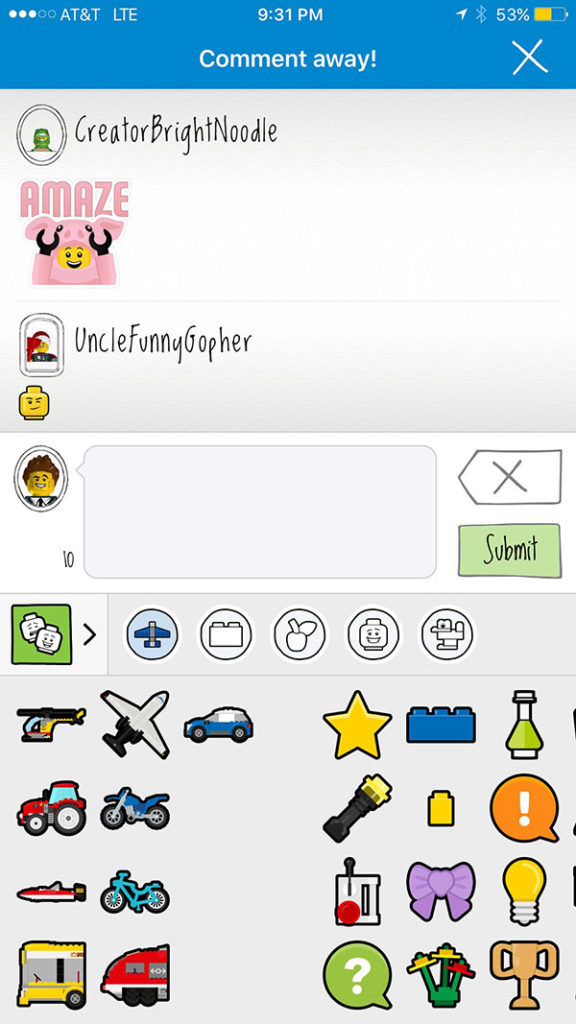
    LEGO Life is a new app by LEGO that allow children and their parents to share their LEGO creations in a safe and positive environment. The app’s safety focus is made obvious right away. You are required to create an account to share or comment on anything on the app and your account has to be approved by a parent through an email sent to their address. Also, while you can put a description and a title on your photos, comments are only allowed to be done in LEGO emoji’s and stickers. There will be no dumb kid telling your son that his makeshift Tie Fighter is stupid looking. Nope, only positivity and encouragement is allowed.
    Other safety features include the profile names and image restrictions. You are only allowed to share with a randomly generated name that you choose when you set-up your account. Images can only be of LEGOs. The app has algorithms and even live moderators keeping photos of people off of the app. You can only share what you’ve built. These features keep kids safe from bullying, predators, and the unfortunately all too common trend of inappropriate images being uploaded to photo sharing sites.

    As far as usage of the app, it’s pretty fun. You can upload pictures of your favorite builds and see photos of other users as well. You can search by theme (i.e. StarWars, Minecraft, LEGO City) or characters and even watch videos from LEGO right in the app. The coolest part, in my opinion are the challenges. Building inspiration from the folks at LEGO to help your children reimagine what they want to create. Fun ideas like, “Put a Minifig in Your Favorite Place to Be” and “Build a Super Bowl Party” are highlighted in the app as you scroll down the different categories. Recently LEGO used the challenges as a way to teach kids about internet safety by asking them questions about how to post positively on social media. LEGO Life is a pretty great idea and I installed it on my phone to check it out for this post but it’s probably on there to stay. I should probably tell my kids it’s on there too.

    What Should a Parent Know

    LEGO Life is a great example of someone creating a social media experience with kids in mind. The precautions they take to protect children are mostly unprecedented. The inability to privately message users and the use of LEGO emojis for commenting makes it a place free from cyberbullies and predators. The algorithm and moderators that keeps watch over images posted protect children from seeing something inappropriate as well. I have a hard time not recommending an app like this for parents of kids who love LEGO. It’s our kids’ favorite toy so you know it’s on my phone. I still am not allowing any of my children to have their own account on it. We post pictures of what they build on an account on my phone,that I monitor. I don’t think this app will turn out to be as dangerous as most other social media but I’m always going to err on the side of caution when it comes to my children posting anything online.

    My final thought and really only potential criticism is the merchandising and advertising aspect of an app like LEGO Life. Obviously it’s a very easy way for LEGO to promote their new products and they are definitely doing that. In between posts you’ll see banner ads for new LEGO sets and themes and some of the videos are basically entertaining ads for some of their other products. If you don’t want your kids to fall for the advertising game played in this app then you may not be so quick to allow them to use it. As far as my family goes, we are already so far down the LEGO rabbit hole that there isn’t much more damage that can be done. We will absolutely be posting our favorite creations to LEGO life, albeit together.

  • Early Spring Cleaning on the Snapchat Discover Page. 

    Early Spring Cleaning on the Snapchat Discover Page. 

    Last fall I shared a video about my distaste for Snapchat. It wasn’t about the images being shared as much as some of the inappropriate things you could find on their Discover page. This week Snap Inc. has announced that they’re going to be cracking down on inappropriate images, clickbait, and fake news in their Discover feed.

    Since the company is soon going to release shares to the public they’ve decided that their Discover page should be more serious about how users get their news. They will be asking publishers to use an age gate for images that might be deemed inappropriate for younger users. This gauge gate will not apply for folks who are older but could help parents keep some of our younger teens from seeing things we don’t want them to see.

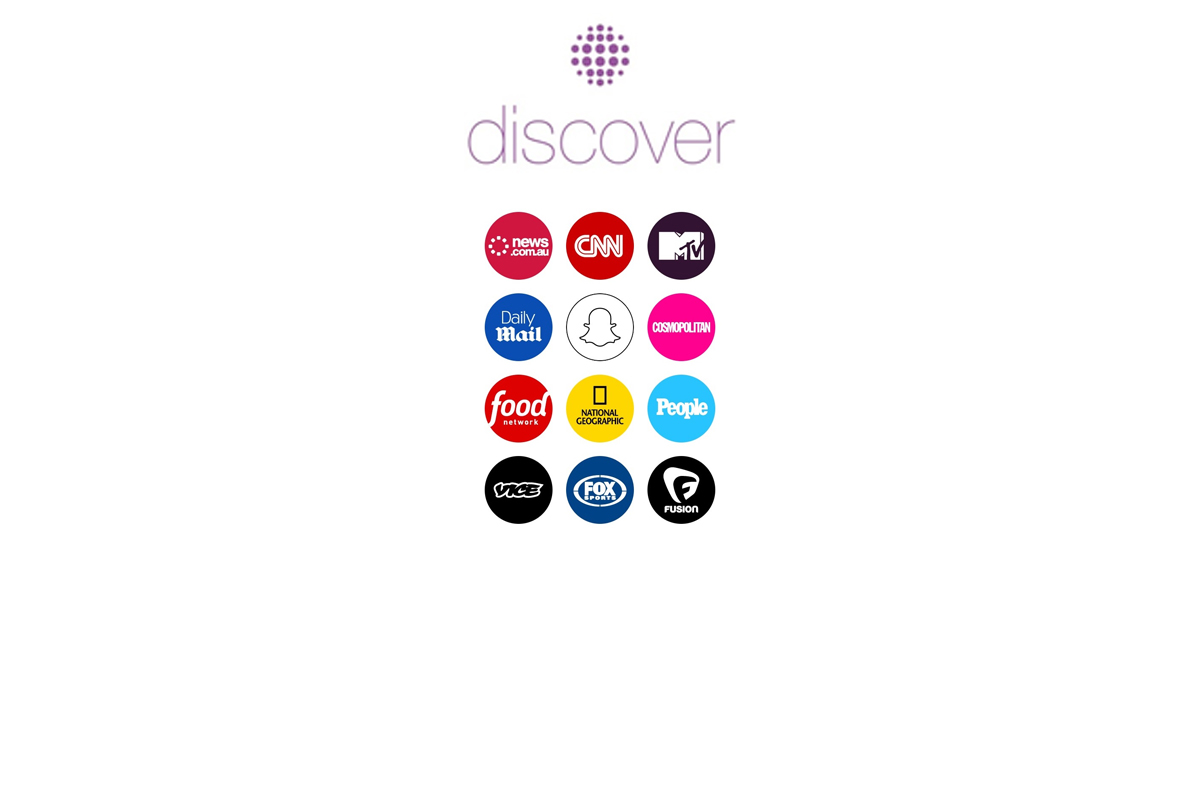
    Since the Discover page came out a couple of years ago it is becoming one of the main sources of news for the young users on Snapchat. This fact is another major reason Snap Inc. has decided to clean up some of the content. Publishers like MTV and Cosmopolitan have been accused of posting images that some call obscene. This will have to stop soon since the new regulations take effect this week and the age gate will apply as early as next month.

    What Should Parents Know

    This latest news confirms my concerns about the Snapchat discover page. Thankfully it’s news that includes fixing some of the problems I had with it. My recommendation is that parents keep tabs on what your kids are doing on Snapchat. Take a look at the Discover page every few days yourself and see what news articles are being shared and what images are being used to promote them.

    It is also important to pay attention to how you get your news. Not checking facts and falling for clickbait isn’t just a problem with young social media users. This is something that is been in the news for all people lately. Lead by example and be sure to talk with your kids about how they use social media, where they get their news, and how they can find out if it’s accurate or appropriate before they share.