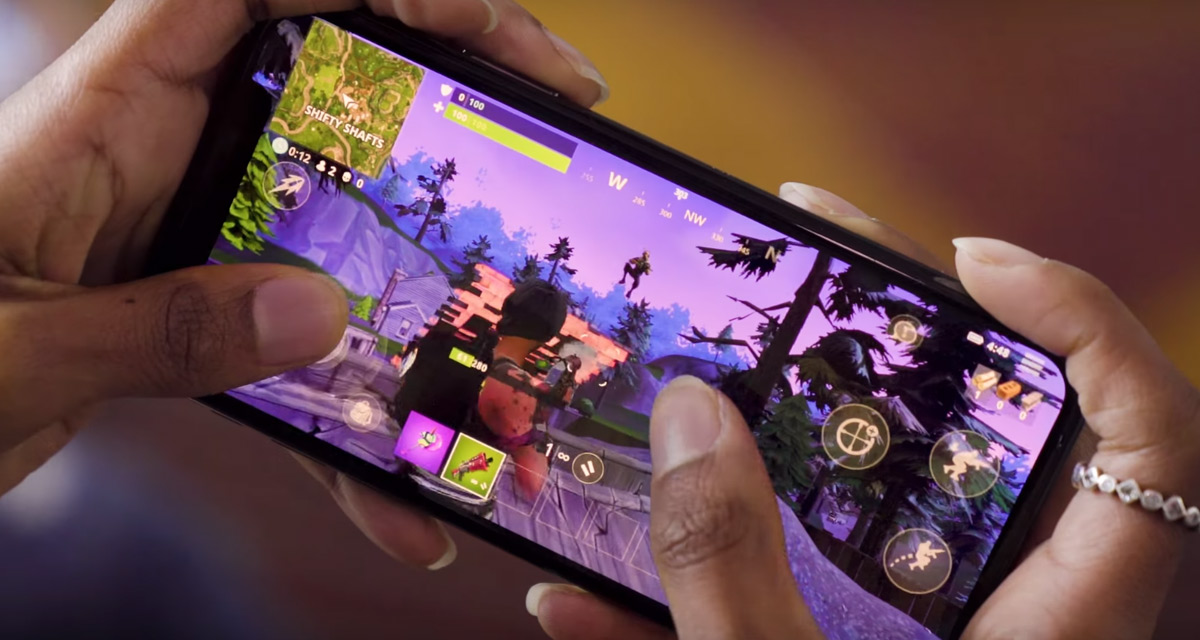
The game that you could say “started it all” when it comes to multiplayer first person shooter games is joining the Battle Royale fray. Call of Duty Blackout will be released next month with the newest installment of the franchise, Black Ops 4. Blackout will follow all of the typical Battle Royale tropes and include parachuting onto an island, finding weapons, and killing everyone there to be the last man standing, and thus, the victor!
The most significant difference between Blackout and Fortnite is going to be realism. The Call of Duty games are known for their realism and more intense warfare simulation. Where Fortnite is silly and feels a bit like a cartoon, Call of Duty is made to feel more like combat. The blood spray when a character is shot, the flailing of bodies when killed, and the sounds of vehicles, explosions, and weapons are likened to more realistic battle simulation than an entertaining game.
What Parents Should Know
I won’t tell you what to do as a parent. I will, however, caution you to be suspicious when your child asks you for Call of Duty because it’s “Basically like Fortnite.” It is not like Fortnite, it is very different and it is rated M for Mature. Mature games are intended for those over the age of 17 and usually obtain that rating for violence and language or nudity and sexual content. In the case of Call of Duty games it is nearly always because of the blood, gore, violence, and language.
Most kids won’t be able to get past the $60 price tag (Fortnite is free to play with premium in app purchases) and the fact that it has to be purchased through a console or PC. Not being on mobile devices and tablets will also deter many children from getting ahold of Call of Duty Black Ops 4. My overall advice is simple: if you wouldn’t buy a Call of Duty Black Ops game for your child under the age of 17 before Blackout was released, I don’t recommend you buy it for them afterward either.
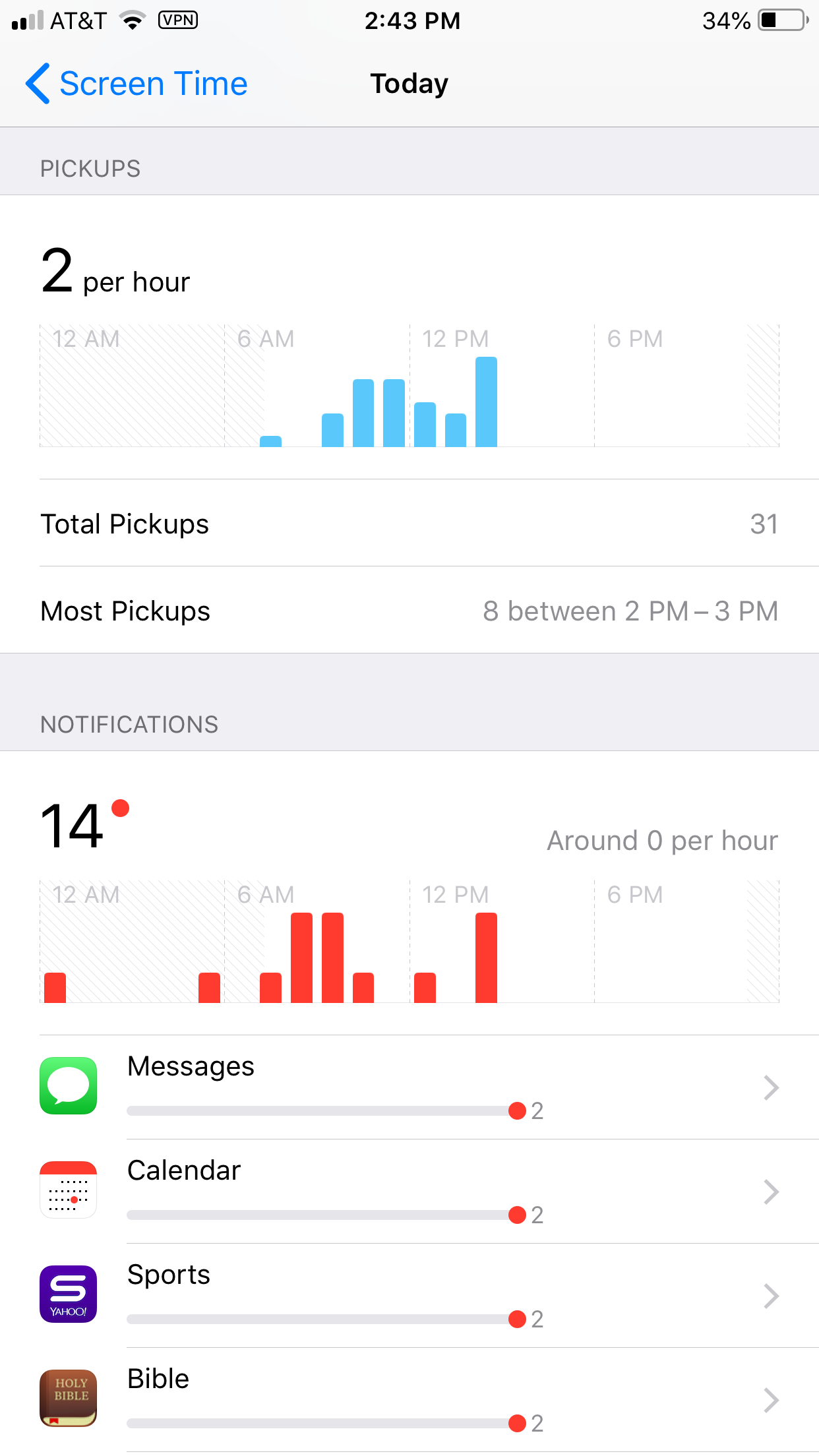
Apple’s latest operating system is out and features something parents have needed to see for a while. Screen Time is a way to monitor the amount of time spent on your device and set limits for yourself as well. You can set limits for certain apps, schedule time off, and even check to see how often you get notifications and from what apps.
Scheduling “Downtime” is as simple as an on and off switch but is customizable as well with the ability to set apps to “always allow” change privacy and restrictions. Yes, restrictions have been moved from their own category in the General settings to a sub category within Screen Time. Don’t worry, though. All of your screen time settings can be password protected. App usage and data can be seen without a password but settings can’t be changed unless you enter your four digit code.
There is much more about how Screen Time works in the video above.
What Parents Should Know
This is one of the biggest steps toward the total parental control package built in to a phone. If the filter was a bit stronger (it can be improved through usage) it would almost have it all. I still recommend an accountability software and something to monitor messaging.
This addition by Apple is a step towards taking responsibility for the risks and addictive nature of their products. Speaking, myself, as one who feels like I’m missing a body part when I don’t have my phone, it is really good to have a reminder of how much time we actually spend looking at our screens. Set up screen time for your kids and teach them how to be mindful of the time they spend on their devices. Set it up for yourself too and hold yourself responsible for the amount of time you spend on your devices. Lead by example and put the phone down every now and then.
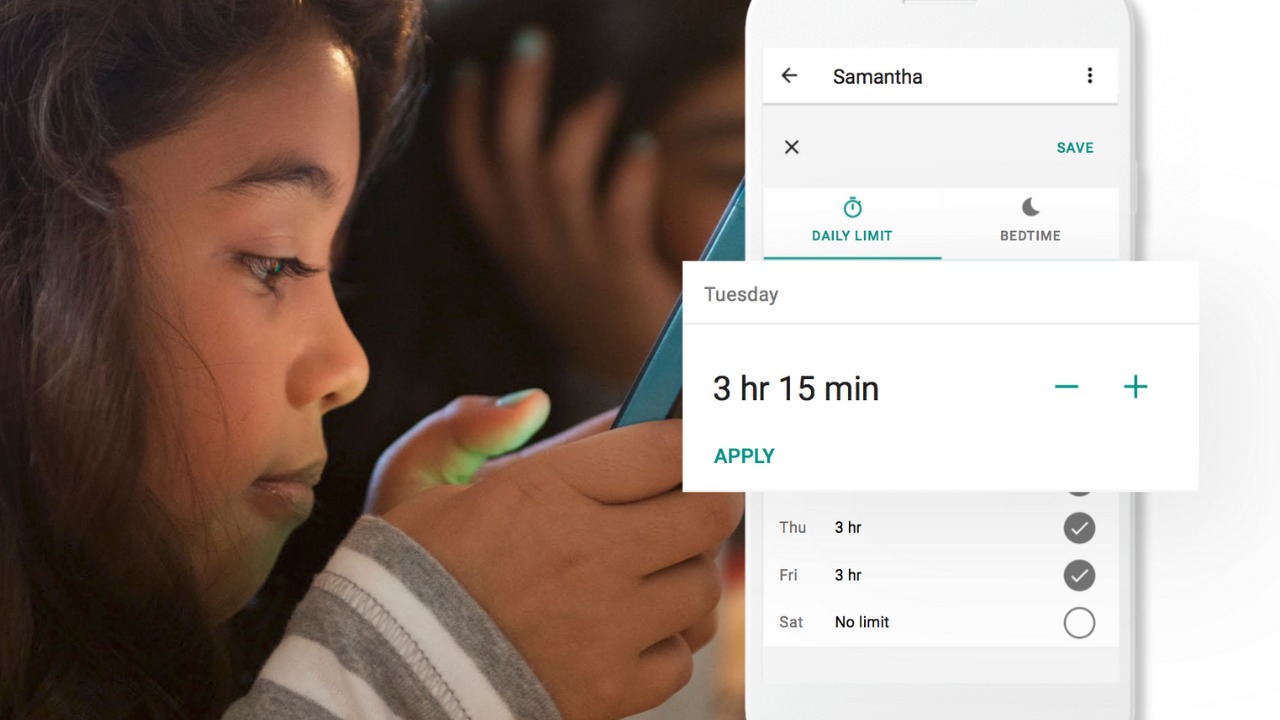
Android Family Link was released last year to some success. The features are good enough and being able to change kid’s settings from your own phone is super helpful. There were some downsides, however. One of which was that it was geared mostly towards younger kids. That has changed today as google announces features for Teenagers in the FamilyLink app.
Approve your child’s downloads and purchases from Google Play and limit the visibility of content in the Google Play Store based on maturity ratings
Manage settings such as SafeSearch for Google Search
Review your child’s app permissions on Android, such as microphone, camera, location, and contacts access
Change the content filtering setting and turn search on or off in the YouTube Kids app
Reset your child’s Google Account password
Set screen time limits on your child’s Android devices
See the location of your child’s signed-in and active Android devices
Manage the activity settings for your child’s Google Account
Allow a second family member to exercise most of the same controls you have over your child’s account.
The features for teens adds the ability for your teen to disable the FamilyLink supervision setting. You will be notified if they disable it but the option is still there.
Chromebooks
Schools all over the country are giving their students Chromebooks. The parental control options for Chromebook have been severely lacking for several months since Google disabled the Supervised User feature. The reason they ended support for Supervised User is to make room for FamilyLink and it’s finally here.
FamilyLink will soon give you all the same controls on Chromebook as you have on mobile devices. Right now you can only change account settings and content filters. Soon there will be screen time and app store management as well.
What Parents Should Know
FamilyLink is a good parental control solution and it’s only getting better. They’ve added some good features and options for your older kids is also a good step. Issues I’ve had with FamilyLink in the past are the weak filter (currently only as good as Google’s Safesearch) and issues with backwards compatibility. They still recommend your kid’s device run Android version 7 or higher while some devices running Android 5 or 6 may work with FamilyLink.
I like what FamilyLink has to offer by way of screen time management and app store controls. A major problem parents have with Android is the ability to download apps outside of the app store. They control what their kids see on the Google Play Store but children can download things from outside the app store sometimes. Many parents don’t know how this is done and how to stop it so it poses a major problem.
The ability for teenagers to disable FamilyLink is kind of moot since it notifies parents. That makes me wonder why it’s put there in the first place. Perhaps to give teens the illusion of control or freedom since that’s something the adolescent desires more than anything. If you use FamilyLink for your teenager be sure to let them know you’ll find out if they disable it. The filter is kind of weak and there is no way to monitor messaging or get alerts if negative content has been viewed. I recommend a good accountability software for this. Get something that will work for phones and Chromebook. It’s critical that you know what your kids and teenagers have seen online and what they are doing. This allows you to have conversations with them about their decisions and the dangers and risks involved.
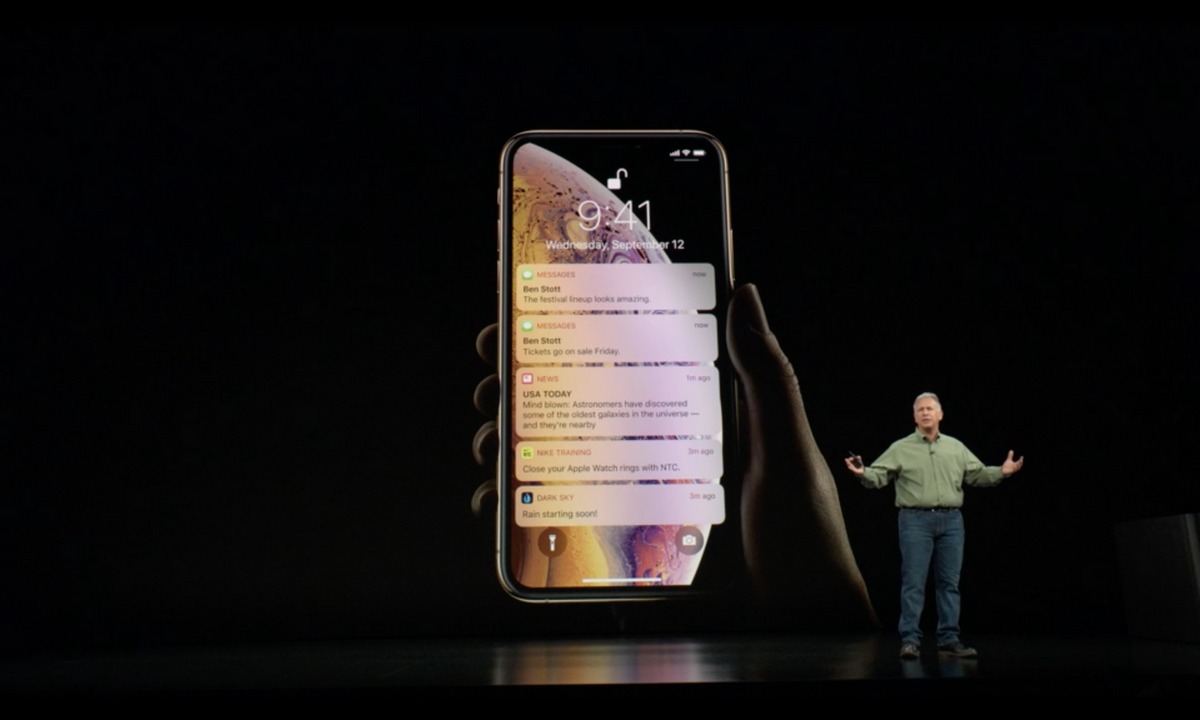
The Apple Special Event aired today on their website and featured a slew of announcements about their upcoming line of products. They only spent a brief time at the end talking about their operating system updates but the focus was on hardware…namely their three new iPhone offerings.
Apple Watch
The latest apple watch is newly designed and will feature some pretty good improvements to health management. The things that stood out to me the most were the ability to sense a fall and make it easier for you to contact emergency services. It even messages your emergency contacts immediately if it senses you’ve fallen and then you don’t move for sixty seconds. The latest heart rate sensor and ECG abilities are top of the line and an industry first. The ability to give yourself an echocardiogram is even backed by the American Heart Association and the FDA. New Apple Watches can be preordered now and will be shipped next week.
XS, XS Max, and XR.
The majority of time was spent discussing the new iPhones that are being released this month and next. Beginning with XS (available next week at $999) and XS Max. The largest improvement in these phones is “under the hood” with a larger a processor, a neural engine, and new tech that give the graphics, processing, and camera more power than ever before.
The event highlighted the ability of this new technology to allow the iPhone XS Max (available next week at $1099) to be used for serious gaming. They featured a short talk from Bethesda games and discussed a new Elder Scrolls title that is coming out soon. The demo highlighted the new iPhones ability to process better lighting and graphics while offering smooth gameplay. It was really quite impressive for those of us more inclined to enjoy gaming as a form of entertainment. The stereo speaker system was another feature that seemed to bring major improvements. They also featured augmented reality gaming with a multiplayer AR version of Galaga.
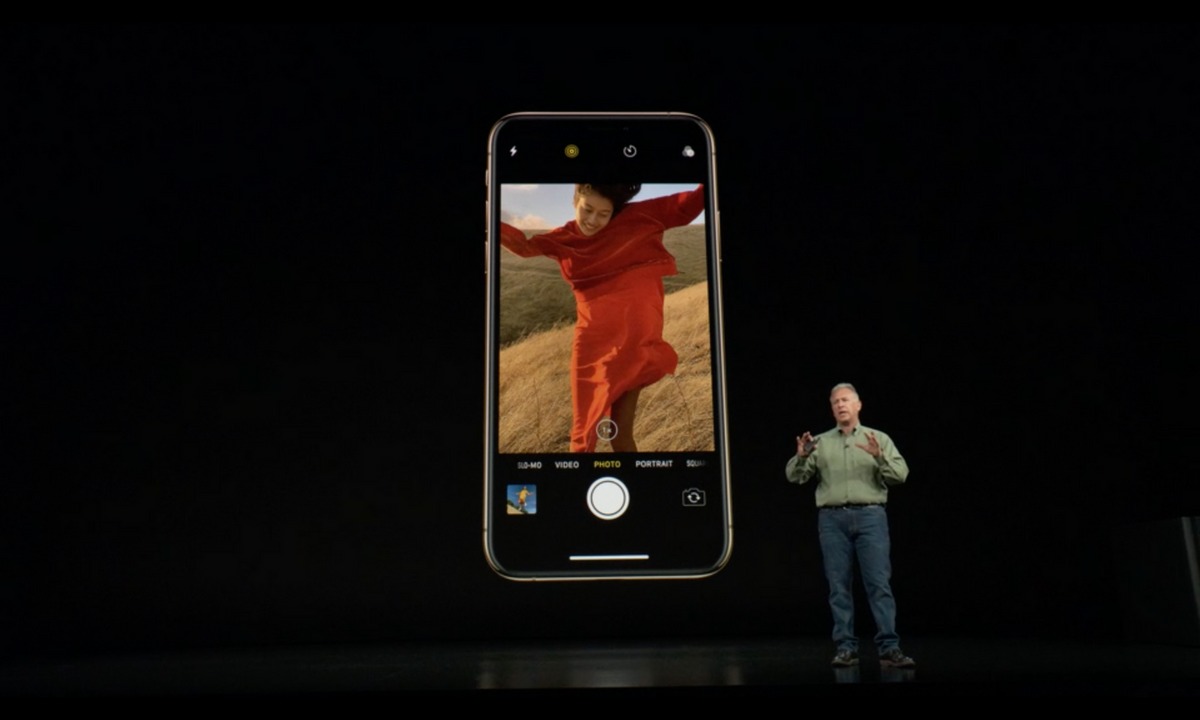
The XR is a sort of XS lite with a simpler screen, a single lens camera, (still with many of the same feature’s, though) and a smaller price tag ($749). Speaking of the camera, that’s where there was a lot of improvement for the new iPhones. Selfies can look incredibly good with portrait mode and studio mode and they’ve even added a feature to change the depth of field (blur of the background) after you’ve taken the picture. They dove in quite a bit to explain how they accomplish this new wave of photography but I won’t bore you here with the nerdy details.
What Parents Should Know
These new phones will obviously be in high demand (can I do a fundraiser to get the new XS Max?) and we’ll see how well they perform once they’re out in the marketplace. I prefer Apple’s smartphone offerings because of their attitude towards privacy and data as well as the mostly internal approach to design and manufacturing. I think iOS is well advanced, and most of all the parental control options built into Apple products (including new screen time) puts all iPhones on my recommendations list for your kiddos.
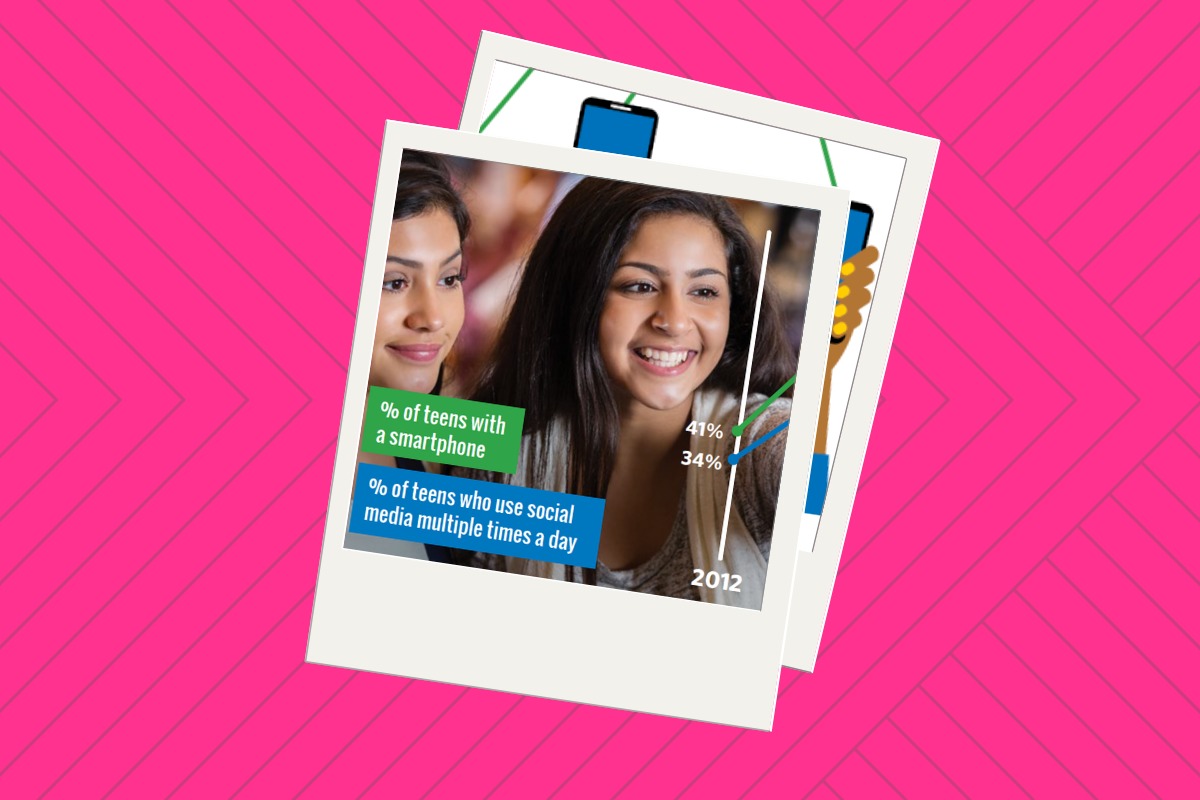
Non-Profit research and resource organization, Common Sense Media, released their six year study of teenager’s use of social media. The survey based study polled more than a thousand teenagers from ages 13-17 and from all walks of life. Some of the results were surprising while most were exactly what you’d expect.
In the video above, I walk through some of their findings and my thoughts on them but I’ll list some of the highlights below:
Teens use social media now more than ever before.
Put this down in the not surprising category. The study found that there was a large increase in the number of teens who say they use social media in 2018 compared to 2012. Also, Facebook isn’t as commonly used by teens as it was six years ago with Snapchat and Instagram being the favorite of most of those surveyed.
Social media is very important to most teenagers.
Also not surprising is that many teens aren’t too good at self regulating their device usage and that many prefer social media interaction above face to face.
Social media plays a critical role in the lives of most of those polled in this study. They agree that there are positive and negative affects but most feel that there are more benefits to their social media use than negative impacts. Those who were considered to have a low “social-emotional well being” were found to have more negative impacts from social media and most of those impacts were from bullying, racism, and sexism. Also not surprising is that many teens aren’t too good at self regulating their device usage and that many prefer social media interaction above face to face.
Teenagers are wise to tech companies’ attempts to manipulate their users.
A large majority of teens say that they believe tech companies manipulate their customers to encourage more device use. They admit that, sometimes because of this, they are often distracted by their devices when they should be doing something else. Many say that digital obsession is a problem for their parents as well. Also, quite an eye opening find.
What Parents Should Know.
Social media isn’t a phase and it is not something that you can keep your kids from forever. The most important thing is that when they begin to log in to social media accounts, they have an idea of what it means to do so safely. Model healthy social media and technology use for your children and try not to be hypocritical about your screen time limits. Talk to your kids about the time they spend online and let them know that they can come to you when something inappropriate or dangerous happens.
Know your child and if they seem to be the type who would be affected negatively by the use of social media then you shouldn’t allow them to use it. Encourage more face to face interaction with their friends and facilitate that with rides and your schedule. Finally, know that social media is a serious topic for your teen, a negative attitude that lacks any empathy to that fact will cause your advice to fall on deaf ears. Speak to your kids about healthy tech use and let them know this is a partnership, not a dictatorship where what you say goes and they’ll have to obey because you said so.
I am asked about new Parental Control software resources all the time. I always look into each one seriously and develop an opinion on them based on what they offer, how easy they are to set up, and how much they cost. I have worked with enough parents to know the barriers that they will allow to keep them from using a software so those issues are always top of mind.
The Parental Control Research video series will be a way for me to walk parents thought my study of each parental control offering and break down their ability vs their cost to determine their value. Stay tuned to the BecauseFamily YouTube channel and this site to be updated on the weekly episodes of Parental Control Research with Michael.
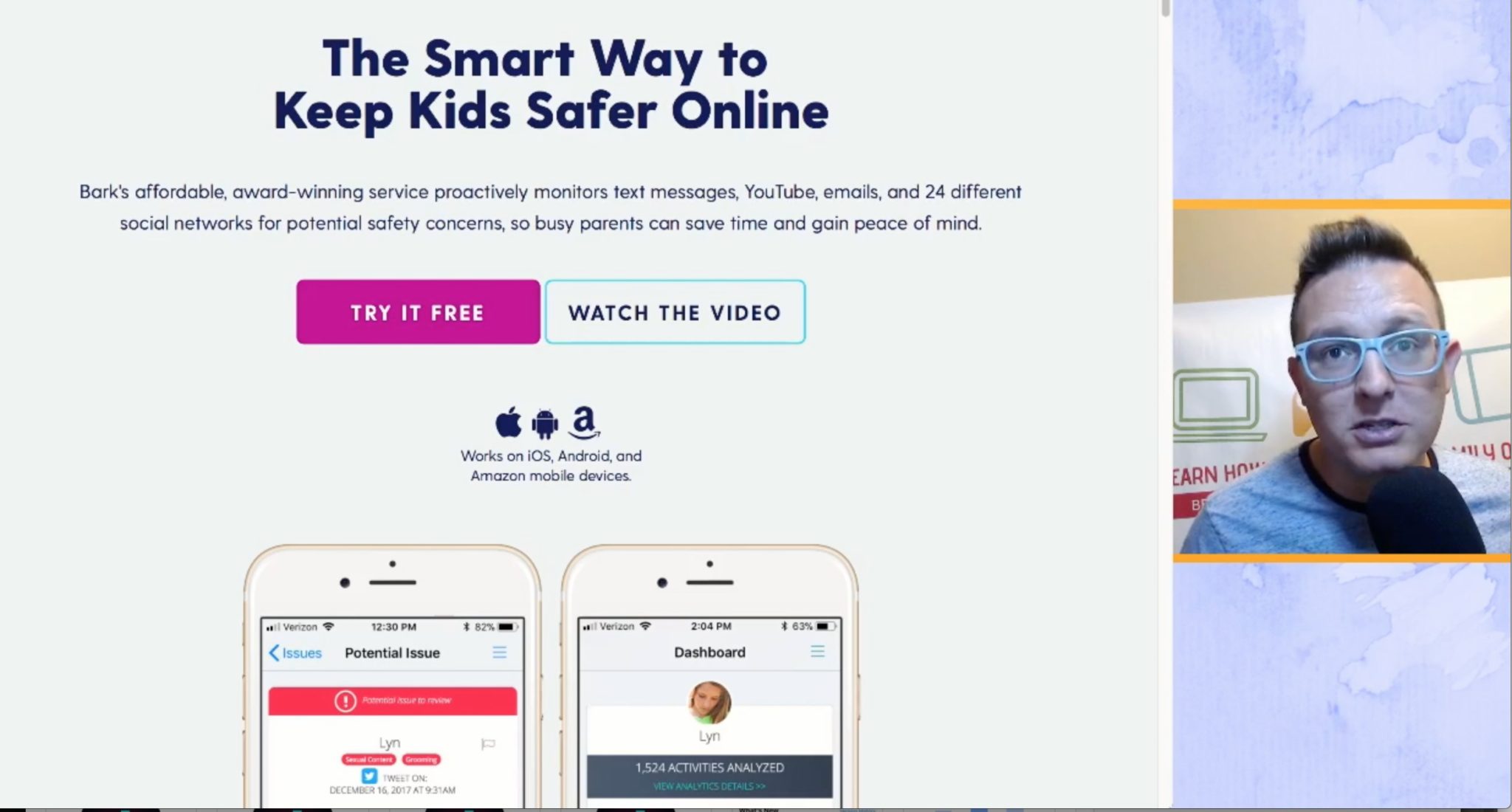
Episode 1 Features BARK, an algorithm based monitoring software made to keep tabs on what your kids are communicating about in messaging and on social media. I find it to be a simple setup, and an even simpler system to use since it is based on reporting to you, not you going to check the data.
You can use our affiliate link to sign up for BARK here. Thank you for reading FamilyTechBlog and for subscribing to our YouTube channel. Think of another software you’d like me to check out? Comment below and I’ll get right on it. We’re doing our best to keep your kids safe by educating you on what’s going on in the online world.
Fortnite is the biggest of big deals in gaming. Kids play it, adults play it, boys play it, girls play it, and it’s making Epic Games tons and tons of money but their desire to not share that money with Google may be putting some of their millions of players at risk. Namely the players who are installing the game on their Android phones.
“With Fortnite’s influence over more than 125 million players, teaching people to download apps outside of the official store is exposing millions of people to a risky practice, researchers warned.” – CNET
Experts are warning that Fortnite’s “side loading” method of installation, which bypasses the Google Play Store, is opening up users to a ton of security risks. One such risk was found by Google’s team only two days after the game officially launched on Epic’s site. The flaw allowed hackers to exchange the game file for any file they wanted as long it was named the same thing as the installation file it replaced. This meant hackers could have put whatever malware, spyware, or virus into another file and millions of devices would have been infected. Also, since it’s release, over 1/3 of the malicious files found by Google security experts have been Fortnite themed.
The solution to this is obviously to roll out an update, herein lies the biggest issue with side loading software, it is difficult to push a forced security update out without an app store. This means that users will either have to seek out an update or allow it to install when they boot up the game. If someone has the game installed for a while without playing it, any corruption will stay in their phone until an update is found or forced by opening the app.
What Parents Should Know
If your child wants to play Fortnite, I recommend letting them do so on their computer or a console. My advice is to not allow your child to play the game on Android at all. I recommend not allowing side loading of apps at all either as this opens their device up for major security threats. If you are using Android Family Link to manage app installations then sideloading will completely undermine your methods of parent control. If you’re monitoring activity and see something called An .APK file you’ll know that side loading is happening and you should talk to your kids about what they’re installing on their device.
The news of another shooting yesterday (August 26, 2018) has once again raised the question of the violence in video games and its supposed link to mass murders by young people. The shooting took place at a Madden NFL video game tournament and left two dead andnine injured. The beginnings of the shooting were aired on livestream on Twitch.tv. The stream was cut immediately after officials realized what was going on.
Who’s to Blame?
This is the question we all want to ask immediately after something like this happens. We blame guns, we blame media, we blame parenting, we blame the government, and of course we blame violence in tv, movies, and video games. Video games are especially likely to receive the blame because of the interactivity involved in playing these games. The idea is that since we spend hours a day shooting guns at people in a virtual world, we will feel fewer inhibitions about performing that same violence in real life. With the levels of realism and intensity available in games these days, the blame is ever increasing.
Wanting to place blame in a tragedy is normal. It’s one of the stages of grief and it is entirely understandable that we would do this as individuals and corporately as a society. The problem nowadays is that we are placing blame so quickly and news media is aiding us in our decisions. This leads to more division and does nothing to solve our problems or ease the pain of the families of those involved in these acts of violence.
When video games receive the blame, it is often by those who don’t play them and especially those who don’t understand their appeal. Religious leaders, political leaders, news channel talking heads, and many celebrities will speak out against the violence in video games and other media and make headlines doing so. The problem is that they are making claims not based on any facts that can be found in any research that has been done to date.
The Data
There have been many studies on video games and their link to behavior. The problem with much of this research is the popularity of the topic itself. Early studies all had mixed results due to the controversial nature of the topic leading to researcher bias during their work. An article from earlier this year highlights the inconsistencies in research on the topic of gaming and violence. The studies of this research discredits much of the conclusion about violence in gaming causing violence in the real world while also debunking claims that playing violent video games (as a substitute) will keep you from performing violent acts in real life. The truth is that much of this research was done to prove the point that was made in their findings and further investigation found that this caused researchers to alter findings, ignore unwanted findings, and change or ignore some of their beginning hypothesis. This was not good science and shouldn’t be used to inform opinion, though many news media and anti violent video games advocates still use these studies to support their stance.
More recent studies have struggled to find links in the gaming experience and behavior. While some studies have seen an increase in aggression in kids due to gaming, there is not a correlation to that aggression turning to violence. The studies that show increased aggression tested subjects immediately after ending their gaming session and there was a significant decrease in their aggression after only a few minutes. A study done in March of this 2018 found that after two months of gaming there was no clear evidence that gamers who played violent games experienced more aggression than those who played a less violent game.
All of these studies are quick to highlight that there is still more research to be done. They maintain that kids may be more likely to experience negative effects from the violence in video games and that it is difficult to test the long term effects. While there is more learning to be done it is becoming more clear that the blame for violence in our society can’t be based solely on video games.
There Can’t Be Just One
Experts and researchers agree that there cannot be just one single cause of these egregious acts that are committed in our country lately. There are many factors that contribute to the likelihood that someone will commit a violent act, too many factors to focus too much on only one of them. There are likely those who shouldn’t play violent video games because they are more prone to act out but that doesn’t necessarily mean that gaming is the singular cause of that aggression.
The most important thing is that we stay informed and continue to learn about the best way to help each other during these times. Speak up when you see dangerous or violent behavior and if your child is showing signs of over-aggression, depression, or other mental health issues get them the help they need. We should all be in this together, supporting each other, seeking out those we can help, not those we can blame.
It is natural to look for a single cause that can be removed in order to end these horrible events. Unfortunately, it just isn’t realistic. My prayers and thoughts are with the families of those affected by this horrible action and my heart is to inform and educate you as a parent so that we can all raise kids who want to contribute positively to the world and not negatively. To answer the question posed in the title of this article, no, violent video games alone do not create killers.
Yes we’re writing another story about Fortnite. I already discussed the risks of Epic Games launching their game through their site instead of the Google Play store but I wanted to highlight another major problem with this profit grabbing workaround. The in-game purchases.
It is very clear that Epic Games made the move to bypass the Google Play Store in an effort to not have to share income with Google. The initial download of the game is free, though, so where is there money to be made? That is through the in-game purchases. The game allows you to buy costumes, weapon skins, and all kinds of other gear through their in-app store. This, if it was through the Google Play Store would be subject to your Parental Control settings. Since the Play Store is not involved in purchases in any way, your controls won’t do anything to keep your child from making a purchase at will. There are a few things you can do, however, to keep them from racking up Fortnite charges on your credit card.
The first and easiest option is to not set up a payment option for them at all. Obviously, if there is no credit card or PayPal account saved in their Epic Games account, they won’t be able to spend any of your money. Beware, however, that they could find a way to make purchases if they are playing on a parent’s phone or have credit card information saved elsewhere on their own.
To help with this problem you’ll want to be sure the Epic Games account that they have set up (you must have one to play) doesn’t have any payment info attached to it. This article by Android Central has a pretty good how-to on this. They also recommend disabling PayPal as a payment option in your Epic Games account since you can pay without a password or that trusty CSV your credit card requires.
What Parents Should Know
Remember that nothing is free on your or your kids’ smartphones. If the game is free it’s because you can buy something in the game. If there are no in-app purchases (and probably even if there are) then you are paying with your personal data. Many parents are ok with their kids doing whatever they want on their devices (against expert advice) but when it begins to affect the pocketbook, they change their tune.
I stand by my opinion that you shouldn’t let your kids download Fortnite for Android and this just adds to the reasons why. If there is no way for parents to keep tabs on their kids’ activity in game, especially spending activity, then parents should hold off on allowing their kids to install the game until Epic provides some sort of solution.
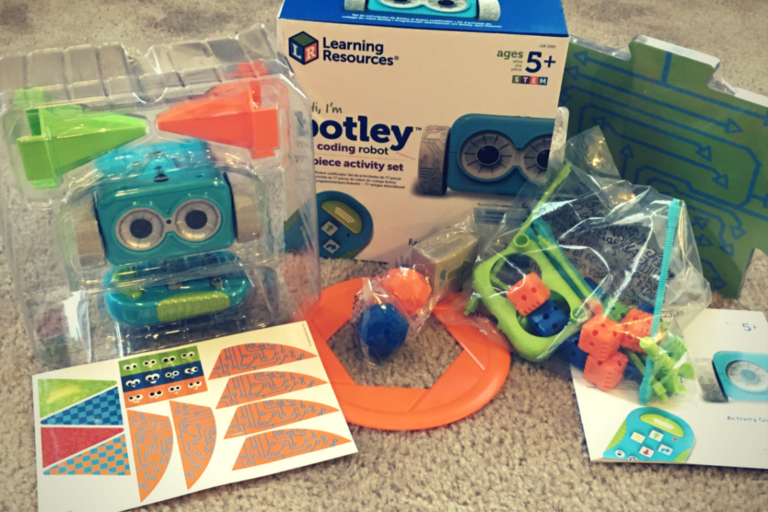
It was originally called “unboxing” and it’s not new. Tech nerds have been watching online videos of other people open and try out products for more than fifteen years. YouTube coming in 2005 aided in a surge in popularity in the unboxing genre, which is now one of the most popular categories on the video streaming site. What has taken parents by surprise recently is how much their own children like to watch other kids play with toys on YouTube.
Companies are lining up to have kids play with their products on their YouTube channels and many of these channels are receiving marketing deals to add to their hundreds of thousands of dollars per month of ad revenue from YouTube itself. One such channel, “FunToys Collector Disney Toys Review” has more than ten million subscribers and is estimated to have made over $550,000 so far in 2018. Often (but not always,) these YouTube stars are often given toys to open for free. They usually have to post a notice that they received products for the video, but viewers don’t care. They just want to see what the latest toy can do outside the box.
These videos can serve a purpose, however. They allow us to see what products are like before we buy them. Many people admit to watching review videos online before deciding to make a purchase. We read Amazon reviews to help us decide which vacuum we want to get. These toy videos can help parents weed out toys their kids may think they are interested in until they see them unboxed and used. Unboxing is one thing, but what about watching other kids play with the toys, is that weird?
Our desire to see people use things we don’t have isn’t reserved only for children. We watch reality shows about the drama in the lives of the richest members of our society. There are entire channels dedicated to people buying extravagant homes and their popularity is driven by the desire to see others who have what we cannot or have not attained. We sit and watch shopping infomercials, never buying anything, but watching how the items can be used. Lets Play videos and eSports also speak to this need, allowing video game fans watch games perform at higher levels and maybe even play games that fans aren’t able to get their hands on right away. It’s a form of entertainment and it meets what some psychologists say are critical instincts that are within all of us.
Memetic Desire
At the risk of sounding like a neuroscience and psychology nerd, I’d like to explain some of the instinctual foundations of our love for unboxing and product demo videos. Memetic desire is the type of longing that comes from seeing someone else enjoy something. When you order the salad and your date orders the cheeseburger and you just have to have a bite is an example of memetic desire. The burger didn’t sound good when you were ordering but seeing your date enjoy it made it irresistible. The popularity of these videos is likely due in great part to our memetic desire. Watching someone open up the next iPhone will create in us the desire to obtain that device for ourselves. It’s normal, and it isn’t even too bad of a thing as long as it doesn’t turn to jealousy.
Memetic desire can breed discontentment. For this reason we should be careful with what attitude our kids enjoy these unboxing videos. Are they loving watching someone else play and use their imagination? That’s all well and good. If they are watching and then demanding that you allow them to go purchase that toy, there is the problem. There haven’t been any studies to ascertain any danger to allowing your kids to watch unboxing and product review videos. If there is any risk, it’s likely based on the personality and behavior of your child.
The best advice that experts give is for you to monitor and limit screen time. Whether they are watching someone play a video game, playing a game themselves, watching toy demos, or even watching a PBS show about math, too much screen time rewires the brain in an unhealthy way and should be avoided. If your kids are watching these video too much, the reason is simple. You are allowing them to do so. You can be the parent, use your knowledge of what these videos are all about and the amount of screen time that is healthy (usually an hour or less per day) to set boundaries for your kids. Use tools like unGlue or Accountable2You to keep track of the time spent on their devices. Take responsibility for your children’s online activity and you’ll create a safer and healthier environment for them to grow in.